
What is Transfer Switch?
Transfer Switch is an electrical device that moves selected circuits between a normal utility power source and a backup generator or alternate source. The device prevents both sources from feeding the same wiring at once. Transfer switches may operate manually or automatically, and their ratings must match the system voltage, amperage, phase, and installation requirements. For more detail, see Generator Interlock Kits vs Transfer Switches: Which Backup Setup Fits?.
Quick Facts About Transfer Switch
Category
Power source switching equipment
Used for
Connecting backup generators to selected circuits
Common confusion
A transfer switch is not the generator itself
Also called
ATS, Automatic Transfer Switch
Often discussed with
Generator Transfer Switch Installation, Temporary Power Setup
Key Takeaways About Transfer Switch
- A transfer switch keeps utility and generator power apart before backup power reaches connected circuits.
- Manual models need someone to change sources. But automatic models spot outages and act alone.
- The switch must match voltage, amperage, phase, enclosure location, and connected electrical loads.
- Portable generators need a well-installed transfer switch before powering chosen building circuits.
- Poor installation can cause backfeed, shock hazards, equipment damage, or code violations.
Understanding Transfer Switch
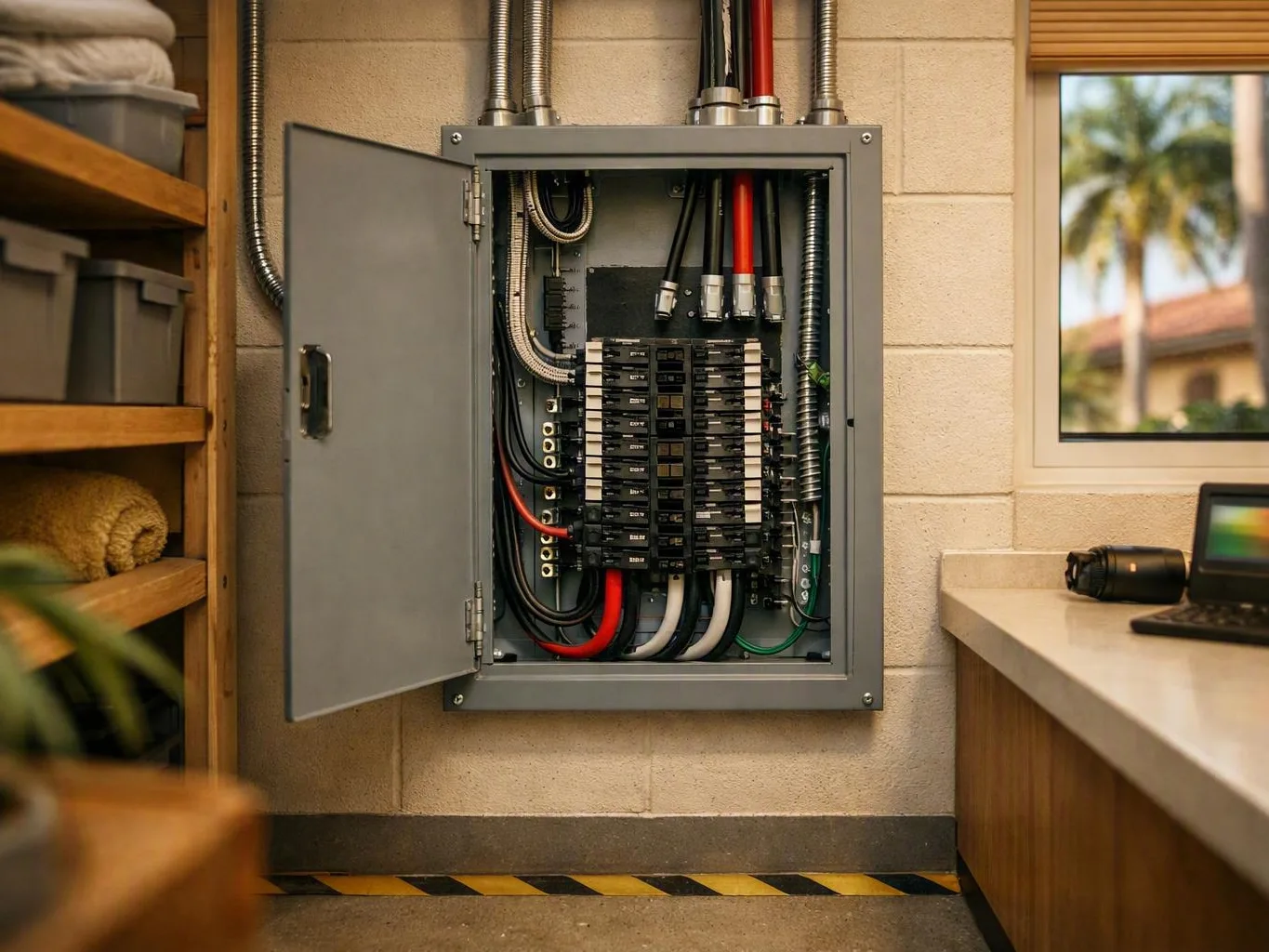
Transfer Switch equipment changes a building connection from normal utility service to a backup source. The backup source usually is a standby generator. It keeps the two power sources separated. This separation prevents generator electricity from flowing backward into utility lines. This condition is called backfeed. Backfeed can injure workers and damage equipment.
Related glossary terms: Main Disconnect, Electrical Grounding, Electrical Code.
A transfer switch may serve the whole electrical panel or selected circuits. Essential loads often include refrigerators, sump pumps, medical equipment, lighting, or communications equipment. A manual transfer switch needs someone to move a handle. An automatic transfer switch senses a utility outage. It changes sources through an approved control sequence.
How Transfer Switch Works, Is Measured, or Is Used?
During normal operation, utility power supplies connected loads through the transfer switch. When utility power fails, an automatic model sends a start signal. The signal starts the generator. The switch checks for available generator output. Then, it shifts the loads after a short delay. When utility power returns and remains stable, the switch transfers loads back. It lets the generator cool before shutdown.
Electricians select a transfer switch by checking several system details. These details include voltage, ampere rating, poles, phase arrangement, and neutral treatment. They also check the enclosure rating and switching method. A 200-ampere switch isn't automatically suitable for every 200-ampere panel. The installation must also account for generator output and connected load. The switch must follow equipment instructions and applicable National Electrical Code requirements.
- Whole-building switches connect the generator to the main service or an approved distribution point.
- Load-center or emergency-panel switches supply only chosen circuits.
- Interlock kits can prevent simultaneous source connection on certain panel designs. But they're not interchangeable with every transfer switch.
Why Transfer Switch Matters?
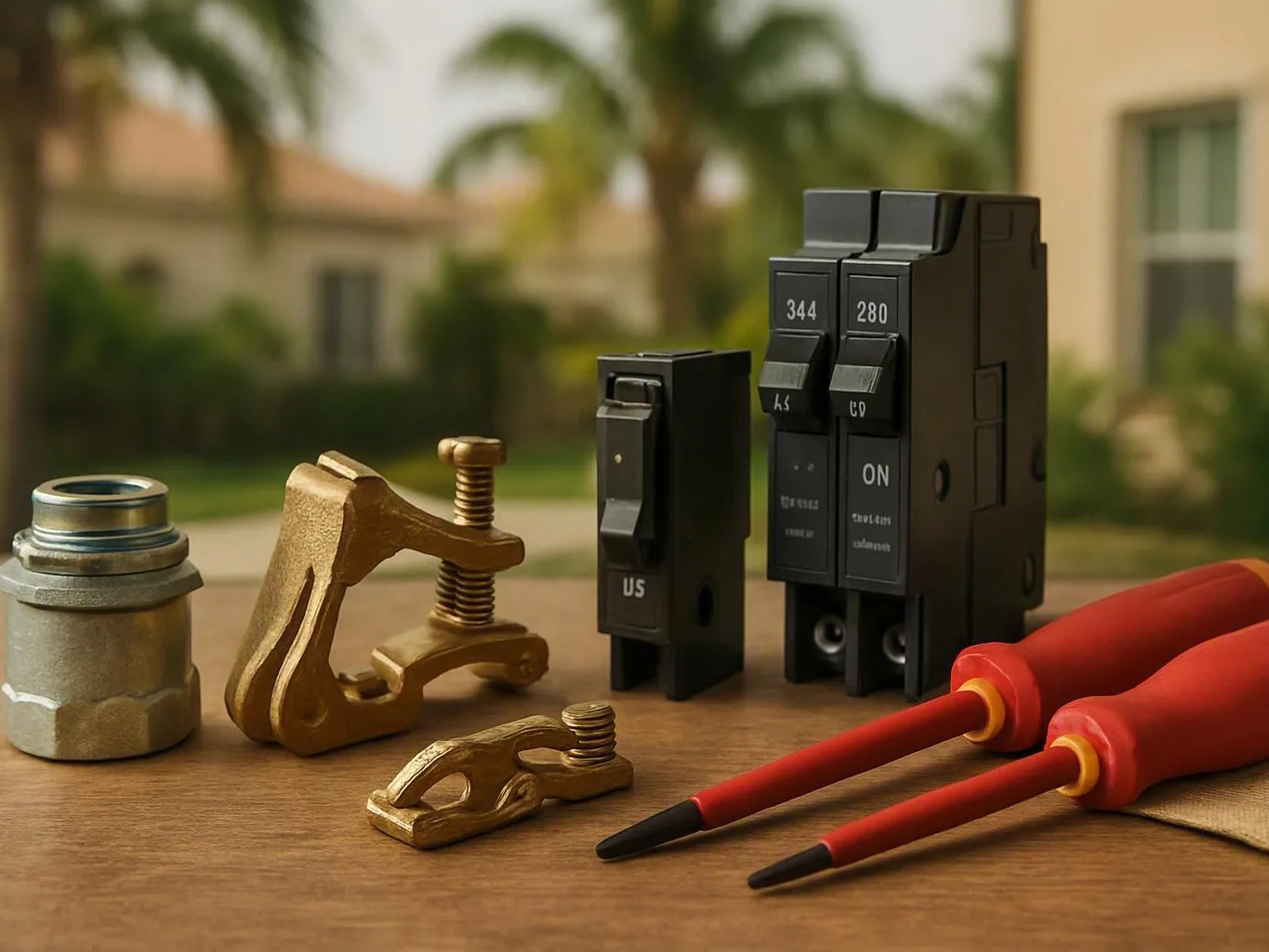
A transfer switch provides a controlled path for backup power. Without proper source separation, a generator can energize utility conductors outside the building. That hazard can affect line workers, neighbors, and anyone repairing the electrical system. A correct installation also reduces the chance of connecting too many loads. This helps prevent generator overload.
The device affects how quickly essential equipment receives power. It also affects how much of the building remains operational. An automatic switch can restore selected circuits within generator starting limits. A manual model costs less in many installations. Someone must be present to start the generator. That person must also change the source safely.
When Transfer Switch Matters Most?
Transfer switch planning becomes especially important during hurricanes, flooding, repeated outages, and work needing continuous power. Miami buildings may also need careful placement. Outdoor equipment faces heat, rain, corrosion, and storm exposure. The enclosure, mounting location, clearances, and wiring method must suit the environment. They must also suit the building design.
Review the switch before installing or replacing a generator. Also review it before changing a main panel or adding large emergency loads. Look for a matching ampere rating and a listed equipment combination. Check for clear circuit labeling and a test procedure. The test should confirm source separation and load operation. Never connect a generator to a wall outlet. An outlet doesn't provide controlled switching or backfeed protection. A transfer switch installation provides these protections.
How to Evaluate Transfer Switch?
- Check the switch voltage, ampere rating, phase, pole count, and neutral arrangement against the generator and electrical service.
- Confirm that the equipment is listed for the intended generator and panel combination.
- Verify that selected circuits stay within the generator's continuous and starting-load capacity.
- Test utility-to-generator and generator-to-utility transfer while checking for correct circuit operation.
- Inspect labels, enclosure condition, wire terminations, grounding, and required working clearance.
Related Concepts Compared
Transfer Switch vs. Generator
A generator produces electrical power. A transfer switch controls which source supplies connected building circuits.
Transfer Switch vs. Panel Interlock
A panel interlock mechanically prevents a main breaker and generator breaker from being on at the same time. A transfer switch is a separate switching device that may operate manually or automatically.
Transfer Switch vs. Automatic Transfer Switch
An automatic transfer switch is one type of transfer switch. It detects source conditions and changes power sources without a person moving a handle.
Transfer Switch vs. Backfeed
Backfeed is the unsafe flow of electricity from a generator into utility wiring. A properly installed transfer switch helps prevent that condition.
Expert Note
Generator size alone does not determine transfer switch selection. The electrician must also confirm the service configuration, switched neutral needs, grounding method, available fault current, and whether the generator supports the intended transfer equipment.
Common Mistakes or Myths About Transfer Switch
- Connecting a portable generator to a wall outlet instead of using an approved connection method.
- Assuming a transfer switch powers every circuit when it serves only a selected emergency panel.
- Choosing a switch by ampere rating alone without checking voltage, phase, neutral, and listing requirements.
- Leaving circuit labels unclear, which can cause unsafe load selection during an outage.
- Skipping operational tests after installation or generator replacement.
Transfer Switch in Practice: A Real-World Example
A Miami home has a 22-kilowatt standby generator for the fridge, air conditioner controls, lights, and internet equipment. An automatic transfer switch starts the generator after a utility outage and powers chosen circuits. The switch moves those circuits back to utility power after stable service returns.
Sources & Further Reading on Transfer Switch
- Occupational Safety and Health Administration, The Control of Hazardous Energy, Lockout and Tagout
- Ready.gov, Power Outages
- Florida Building Commission, Florida Building Code
Related Terms
Main Disconnect
Main Disconnect is the primary device that shuts off electrical power to an entire building or…
Electrical Grounding
Electrical Grounding is a planned connection between an electrical system, equipment, or circuit and the earth…
Electrical Code
Electrical Code is a set of safety rules for designing, installing, inspecting, and maintaining electrical systems…
Earth Electric Florida
Have Questions About Transfer Switch?
Contact Earth Electric Florida for practical guidance on Transfer Switch and related emergency electrician work in Miami.