
What is Electrical Code?
Electrical Code is a set of safety rules for designing, installing, inspecting, and maintaining electrical systems. It covers wiring methods, circuit protection, grounding, equipment clearances, and other installation details. Local authorities adopt and enforce code requirements, often using the National Electrical Code as a technical foundation for permitted work. For more detail, see Mild Electrical Shocks From Appliances or Switches: When to Call an Electrician.
Quick Facts About Electrical Code
Category
Electrical safety regulation
Used for
Design, installation, repair, and inspection
Relevant standard
NFPA 70, National Electrical Code
Common confusion
Code compliance is not the same as good workmanship
Also called
Electrical regulations, Electrical installation code
Often discussed with
Electrical Code Corrections, Emergency Electrical Inspections
Key Takeaways About Electrical Code
- Electrical Code sets minimum safety rules for wiring, equipment, circuits, and electrical work.
- Local building departments enforce adopted code rules with permits and inspections.
- The National Electrical Code is a widely used technical model for electrical installations.
- Code compliance lowers risks from shock, fire, overheating, and equipment damage.
- Existing wiring may follow older rules unless renovations or hazards trigger current requirements.
Understanding Electrical Code

Electrical Code is a framework of minimum rules. It helps keep electrical systems safe. The rules address conductors, overcurrent protection, grounding, bonding, equipment, wiring methods, and working space. They apply to homes, commercial buildings, outdoor equipment, and many temporary installations.
Related glossary terms: Electrical Permit, Electrical Safety, Electrical Grounding.
The National Electrical Code, also called NFPA 70, serves as a model. Many areas use this model. A city, county, or state adopts one edition. It may also add local amendments. The adopted local code controls permits and inspections. The same project may face different rules in different locations.
How Electrical Code Works, Is Measured, or Is Used?
Code compliance begins during design. An electrician or engineer identifies the electrical load. They select suitable wire sizes and plan circuit routes. They match breakers or fuses to the conductors. The plan must also account for voltage drop and available fault current. It must account for equipment ratings and wet or hazardous areas.
Installation follows approved methods for junction boxes, conduit, cable support, and connections. It must also protect wires from physical damage. Devices must have ratings that match the circuit and environment. A receptacle in a damp location may need ground fault protection. A motor circuit may need a disconnect and overload protection.
A typical compliance process includes permit review, installation, and inspection. Workers must correct any cited defects. Inspectors may check conductor size, box fill, grounding paths, and panel labels. They may check clearances and required protective devices. Code doesn't measure how attractive an installation looks. It measures whether the work meets safety rules and equipment needs.
Why Electrical Code Matters?
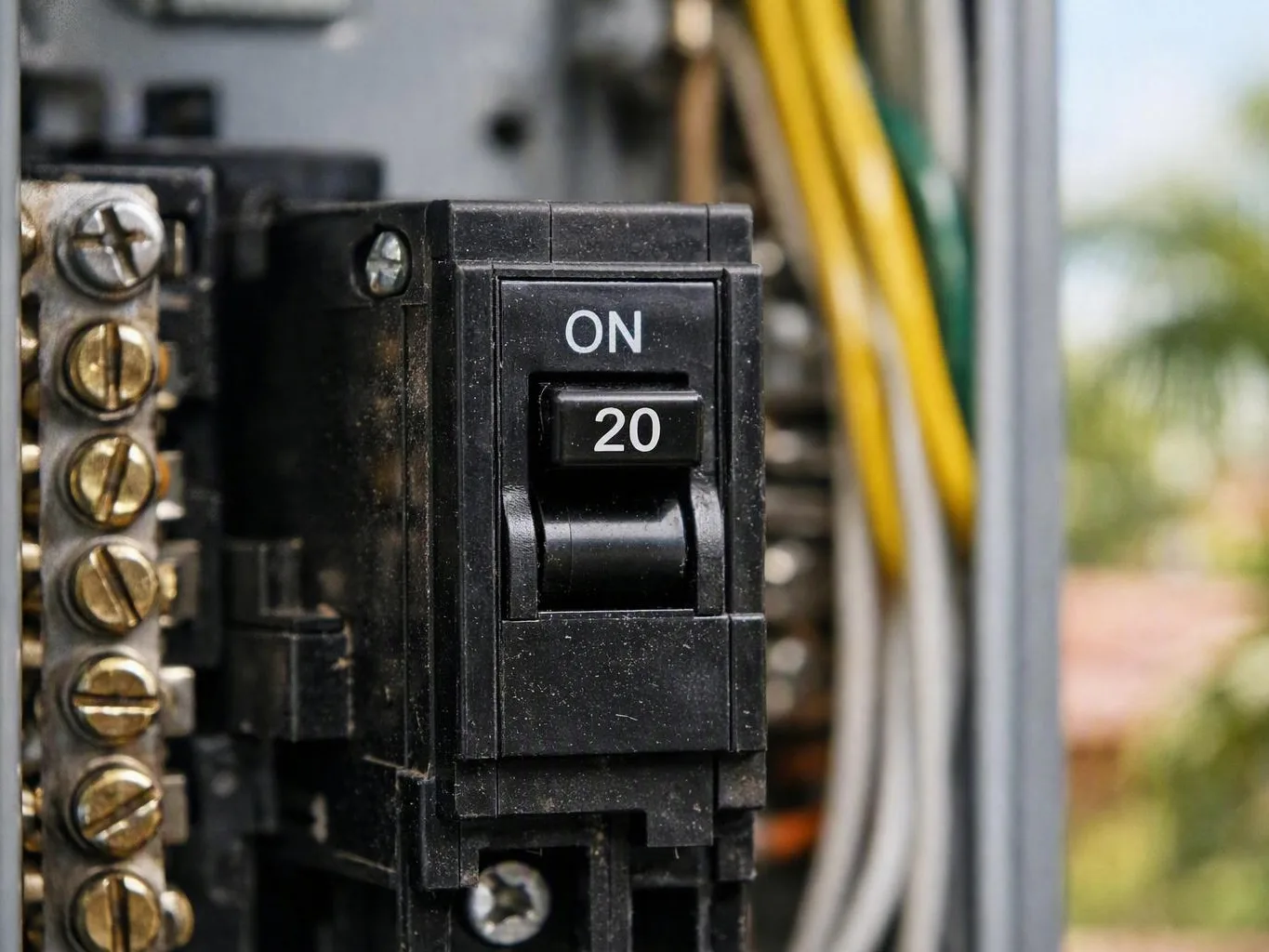
Electrical code rules reduce risks from electric shock, arc faults, fires, and equipment failure. Correct breaker sizing helps prevent conductors from overheating. Proper grounding and bonding create a low impedance path for fault current. This path can help protective devices disconnect power quickly.
Code also supports consistent decisions during remodeling, emergency repairs, and property transfers. A permit record and inspection result can show what work was performed. They can also show whether the authority approved it. Code compliance doesn't guarantee that an electrical system won't fail. Older systems may need review, even under earlier code editions.
When Electrical Code Matters Most?
Code requirements become especially important during service upgrades and panel replacement. They also matter during new circuit installation, generator work, and major remodeling. They matter after flooding, fire, storm damage, or a serious electrical fault. Damaged equipment can remain dangerous after power returns. Lights and outlets may still appear to work.
Before work begins, check the code edition for the property. Check which permit rules apply as well. During an inspection, look for missing covers and exposed conductors. Check for double tapped terminals and overheated connections. Also check blocked panel access and absent labels. In Miami, heat, humidity, storms, pools, and outdoor equipment create risks. Enclosure ratings, grounding, and water protection need close attention. Earth Electric Florida may address these conditions through electrical code corrections. It may also perform emergency inspections when prompt attention is needed.
How to Evaluate Electrical Code?
- Confirm which electrical code edition and local amendments the building department has adopted.
- Check whether the work requires a permit, inspection, or utility approval before installation begins.
- Verify that breakers, fuses, wire sizes, and equipment ratings match the calculated circuit load.
- Inspect grounding, bonding, GFCI or AFCI protection, panel labeling, and working clearances.
- Look for damaged insulation, heat marks, loose connections, missing covers, or exposed live parts.
Related Concepts Compared
Electrical Code vs. National Electrical Code
The National Electrical Code is a model standard published by NFPA. Electrical Code also includes the version adopted by a local authority, plus local amendments and enforcement procedures.
Electrical Code vs. Electrical Permit
An electrical permit is official permission to perform defined work. Electrical Code supplies many of the technical rules that the permit review and inspection process checks.
Electrical Code vs. Electrical Inspection
An electrical inspection is a review of installed work by an authorized inspector. Electrical Code is the rule set used to judge whether that work meets minimum requirements.
Electrical Code vs. Electrical Safety
Electrical safety is the broader practice of preventing shock, fire, and equipment damage. Electrical Code provides enforceable minimum requirements, but safe operation also depends on maintenance and proper use.
Expert Note
A repair can be safe without requiring every part of an older installation to meet the newest code edition. However, altered circuits, damaged equipment, or a major upgrade may trigger current requirements, local amendments, and a permit review.
Common Mistakes or Myths About Electrical Code
- Assuming the National Electrical Code automatically applies without checking the locally adopted edition.
- Treating a permit as proof that every installation detail is safe or complete.
- Replacing a breaker with a larger size to stop nuisance trips without checking conductor size and circuit load.
- Ignoring code concerns because an older installation has worked without an obvious failure.
- Forgetting that storm, flood, pool, and outdoor equipment can require location-specific protection.
Electrical Code in Practice: A Real-World Example
A homeowner adds a 240-volt circuit for an air conditioner. The design must cover equipment load, wire size, breaker rating, disconnect location, grounding, and clearance. The local authority may require a permit and inspection before the circuit enters service.
Sources & Further Reading on Electrical Code
- National Fire Protection Association, National Electrical Code
- U.S. Occupational Safety and Health Administration, Electrical Standards
- Florida Building Commission, Florida Building Code
Related Terms
Electrical Permit
Electrical Permit is official approval from a building department or other authority before covered electrical work…
Electrical Safety
Electrical Safety is the practice of preventing shock, burns, fires, and equipment damage when electricity is…
Electrical Grounding
Electrical Grounding is a planned connection between an electrical system, equipment, or circuit and the earth…
Overcurrent Protection
Overcurrent Protection is a safety system that limits current when electricity exceeds a circuit’s rated capacity…
Earth Electric Florida
Have Questions About Electrical Code?
Contact Earth Electric Florida for practical guidance on Electrical Code and related emergency electrician work in Miami.