When Mild Electrical Shocks Mean You Need an Electrician
Mild shocks from appliances or switches aren't normal. They often point to an electrical fault. Damaged insulation, poor grounding, reversed wiring, moisture, or a bad appliance can cause shocks. A faulty GFCI can also cause this problem. Stop using the equipment. Don't touch it again. Turn off the circuit only if you can do so safely. Call an electrician if shocks repeat or affect several devices. Get help right away if you see sparks or smoke. Heat, burning smells, tingling, and breaker trips also need prompt care. A serious shock or exposed live wire may need an emergency electrical inspection.
Get a Free Estimate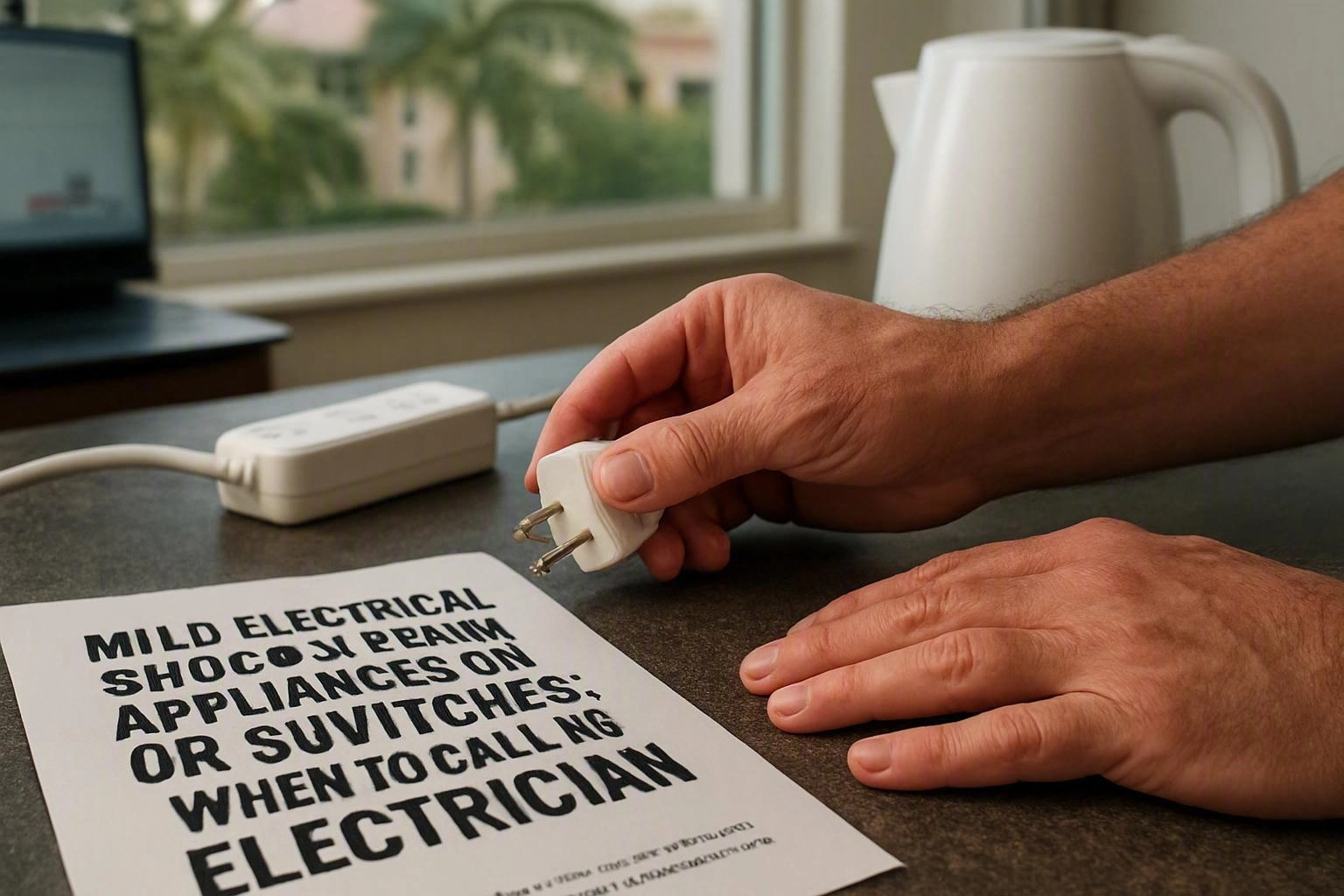
Why Do Appliances or Switches Give You a Mild Shock?
Mild electrical shocks from appliances or switches mean current may be leaving its normal path. Damaged insulation, poor grounding, and reversed polarity can cause this issue. Moisture, a bad appliance, or faulty wiring can also play a part. Even a small tingle needs attention. The problem can get worse and cause fire or shock risks.
Earth Electric Florida helps people understand and fix these safety problems. A faulty refrigerator, washer, lamp, or power tool may leak current. That current can pass through your body. This can happen when the appliance case isn't grounded correctly.
A faulty appliance may have damaged insulation or a cut cord. An inside part may also touch the metal frame. A missing ground wire removes a safer path for fault current. A poor bonding connection can create the same risk. Reversed outlet wiring can place live parts in unsafe spots.
Moisture raises the risk. This is common near sinks, laundry areas, garages, and outdoor outlets. Wet floors can make the danger worse. A ground-fault circuit interrupter (GFCI) should cut power during a fault. A failed GFCI or wrong wiring may leave you unprotected. Don't dismiss a tingle because it lasts only a moment.
Warning Signs That Mean You Should Stop Using the Circuit
Electrical warning signs need quick action. These signs include repeated shocks, sparks, buzzing, heat, and burning smells. They also include dark marks and repeated breaker trips. Stop using the device or switch. Keep people away. Arrange an electrician’s inspection. Smoke, fire, exposed wires, or injury needs emergency help.
These problems can affect renters and homeowners. They can also put children and pets at risk. Equipment near a sink needs extra care. If you rent, report the issue to your property manager. First, make the area safe. Never remove covers or try a repair.
Smoke, flames, exposed live wires, or a serious shock is an electrical emergency. Leave the area. Call emergency services when needed. Seek medical care for burns, chest pain, or breathing trouble. Get help for confusion or loss of consciousness.
What Different Shock Patterns Can Reveal?
A shock from one unplugged appliance may point to that appliance. Damaged insulation or a bad inside part could be the cause. If the shock stops after removal, leave the appliance unplugged. Have it repaired or replaced.
Several devices on one branch circuit may share a wiring problem. The ground wire or neutral wire may be faulty. Shocks at several outlets can point to a larger issue. Possible causes include a ground fault, reversed polarity, or loose connection.
The pattern gives useful clues. It doesn't prove the cause. Never touch more devices to test your idea. Tell the electrician what happened. Share details about wet floors and breaker trips.
When Should You Call an Electrician?
Call an electrician when a shock repeats or affects several devices. Call if it happens at an outlet or switch. Call when water is nearby. Heat, sparks, odors, noise, and breaker trips also need service. A professional can test voltage, polarity, grounding, insulation, and GFCI protection. They can then complete safe wiring repair.
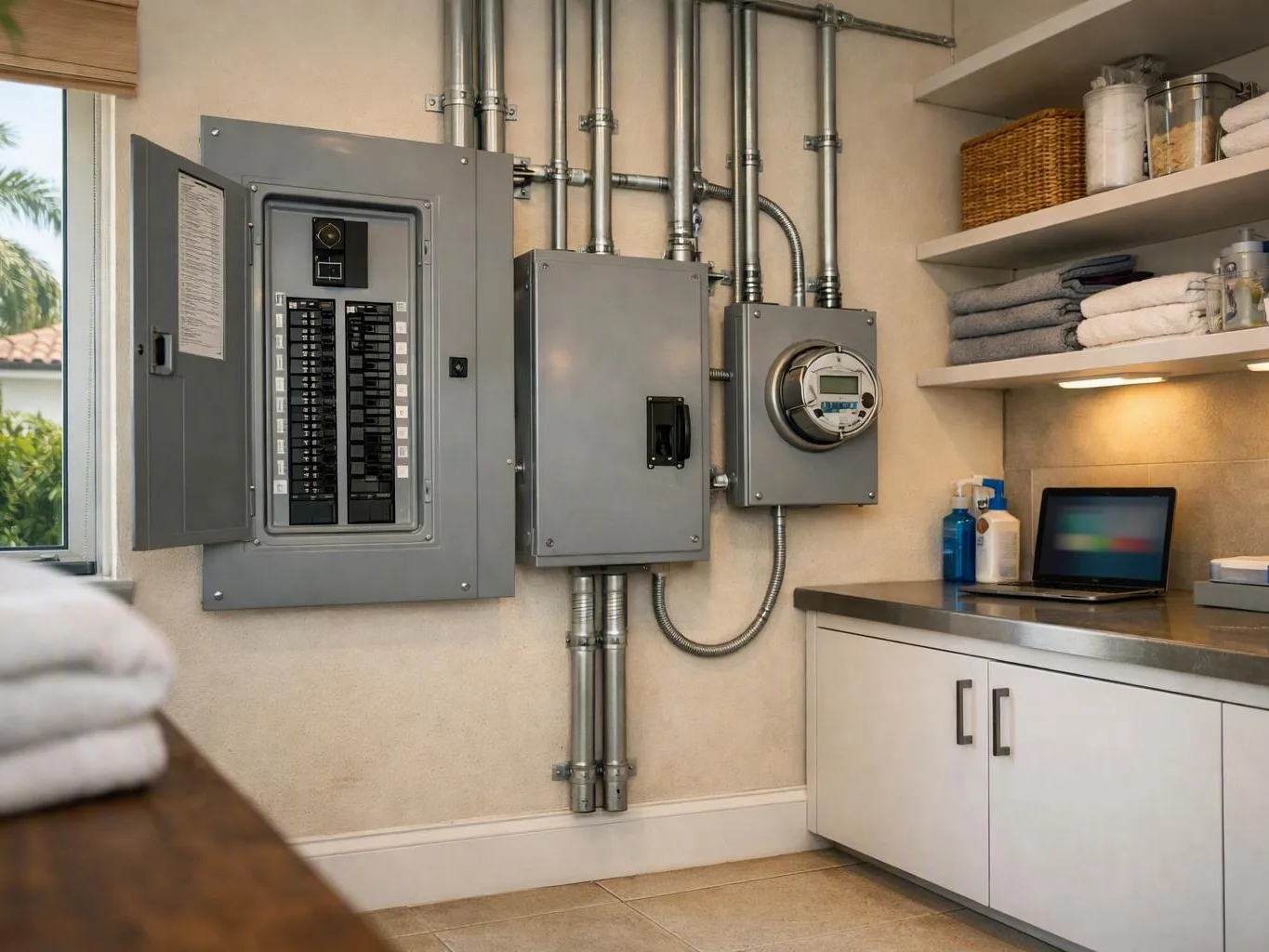
Unplug one suspect appliance only when it is safe. The plug and cord must be dry and undamaged. Don't touch it from a wet floor. Don't touch exposed metal. If several devices are involved, turn off the circuit at the panel. Do this only when the panel is dry and easy to reach. Never open the panel cover.
Request GFCI outlet installation and repair when protection is missing. Get help if the reset button doesn't work. Strange behavior near water also needs service. The issue may involve the outlet, appliance, or wiring.
Professional electrical wiring repair may be needed for damaged wires. Loose connections and poor grounding also need skilled repair. Unsafe switch wiring needs attention too. Electrical code corrections can fix missing protection. They can also fix poor box connections. For smoke, injury, or live wires, arrange an emergency electrical inspection. Explain the danger when you call.
Most basic inspections take less than a few hours. Hidden wiring faults may take longer. Several affected circuits can also add time. The full time depends on access and damage. Parts may need replacement.
We provide electrical troubleshooting and repair guidance through Earth Electric Florida. For Electrical Wiring Repair in Miami, use the same safety step. Stop contact first. Then arrange qualified testing.
DIY Checks Versus Professional Electrical Diagnosis
Homeowners can perform limited safety checks. You can unplug a suspect appliance when safe. You can also look for visible damage. Don't open outlets, switches, or panels. A professional electrician can test the circuit safely. They can check grounding and polarity. They can find leaking current and hidden wiring faults.
A visual check may show a cracked plug or cut cord. You may also see scorch marks, moisture, or a loose faceplate. Don't remove the faceplate. A plug-in tester may find some outlet errors. It can't prove that every part is safe.
| Factor | DIY | Professional |
|---|---|---|
| Visual inspection | Look for cord, plug, heat, or moisture damage. Power must be off first. | Inspect equipment, connections, boxes, and circuit paths safely. |
| Plug-in tester | May show basic outlet errors. It can't confirm every safety issue. | Use proper tools to check polarity, grounding, and protection. |
| Multimeter | Avoid live tests unless you're trained and have safety gear. | Perform controlled voltage, continuity, and leakage-current tests. |
| Electrical panel | Only use a labeled breaker when the area is dry and safe. Never remove the cover. | Identify circuits and inspect connections safely. |
| Repair decision | Leave the equipment off and report the problem. | A licensed electrician finds the fault and completes safe repairs. |
A multimeter can show voltage. That reading doesn't prove a circuit is safe. Professionals also check continuity, insulation, grounding, and bonding. They test safety devices as well. Don't open an energized outlet, switch, or panel.
Safe Steps to Take Before Help Arrives
Keep yourself away from the hazard before help arrives. Water, smoke, fire, or exposed wires create an electrical emergency. Leave the area. Don't try to reach the equipment.
- Stop using the device or switch. Unplug equipment only when the plug and outlet are dry. Don't unplug damaged equipment.
- Keep children, pets, and other people away. Mark the unsafe appliance. This helps prevent someone from reconnecting it.
- Turn off the breaker only when the panel is dry and safe. Don't cross water or smoke to reach it.
- Don't touch equipment while standing in water. Don't move wet appliances.
- Write down what happened. Note the device, outlet, moisture, sparks, smell, and breaker activity. Share these details with the electrician.
How an Electrician Finds and Fixes the Problem?
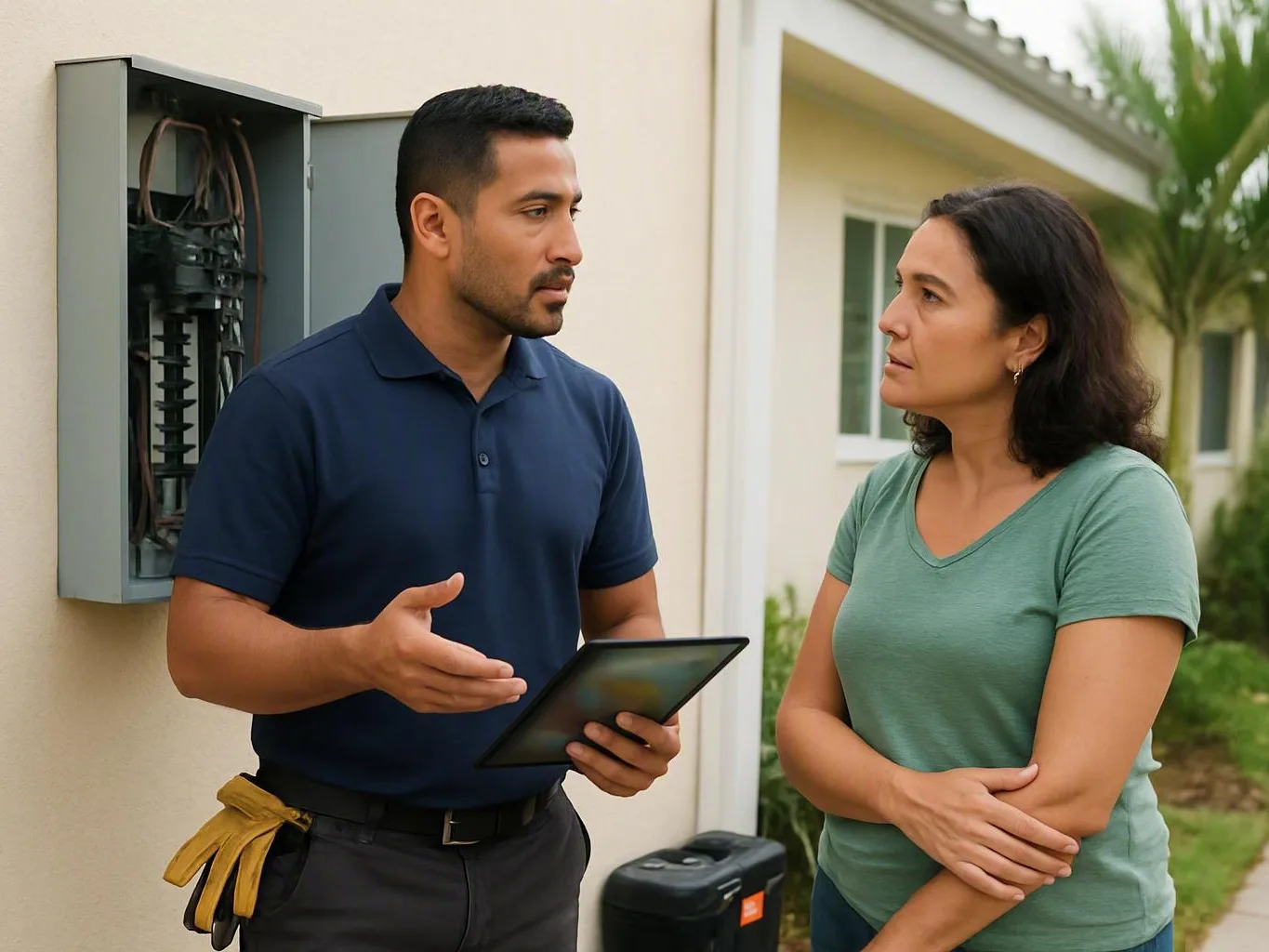
An electrician diagnoses electrical shocks by finding the affected circuit. They test voltage and polarity. They check grounding, bonding, wires, and connections. They also test GFCI protection. Repairs may include new wiring, a new outlet, or a new switch. They may add GFCI protection. They can also fix an appliance connection. Electrical code corrections may be needed.
The first step is circuit identification. The electrician separates the appliance from the home wiring. They check the panel and breaker. They find out if the problem follows the device. They also check if it stays with the circuit. This helps locate the fault.
Voltage and continuity tests can find wiring problems. They may show an open ground path or reversed polarity. They can also find a loose neutral or damaged wire. The electrician may test leakage current. They may inspect grounding points, outlet boxes, and switches.
If a ground-fault circuit interrupter is present, they test it. They also check its wiring. A failed or poorly connected GFCI outlet may need replacement. A wet-area circuit may need more protection. Repairs should create a safe current path. They must also meet electrical rules.
Questions About Emergency Electrician
Why Do I Get a Small Electric Shock from My Appliances?
A small shock can come from damaged insulation, moisture, or poor grounding. Reversed polarity and a failing appliance can also cause it. Stop using the equipment. Unplug it only when safe. Arrange an inspection if the shock repeats.
Is It Normal for an Appliance to Give You a Slight Shock?
No. A slight electrical tingle isn't normal. It may signal damaged insulation, poor grounding, moisture, or failed protection. Leave the appliance disconnected until someone checks it.
Why Do I Get Shocked When I Touch a Light Switch?
A switch shock may point to damaged insulation or a loose connection. Reversed wiring, moisture, or a switch fault can also cause it. Stop using the switch. Don't remove its cover. Have a qualified professional check the wiring and ground.
Can a Bad Ground Cause an Appliance to Shock You?
Yes. A missing or faulty ground can leave current on the metal case. Testing should also check bonding, polarity, insulation, and GFCI protection.
Should I Call an Electrician if an Outlet Keeps Shocking Me?
Yes. A shocking outlet needs professional testing. Stop using it and keep people away. Request electrical wiring repair or GFCI Outlet Installation And Repair when needed. Smoke, sparks, exposed wires, or injury needs emergency help.
Don't ignore a repeated electrical tingle. Our team can find out if one appliance, a circuit, or unsafe wiring caused it. We can explain the next safe step.
Related Resources
How Much Does an Emergency Electrician Cost in Miami?
emergency electrician cost Miami
What It CostsHow Much Does It Cost to Add a New Electrical Circuit?
new circuit installation cost
What It CostsEmergency Electrical Inspections: Cost, Process, and Results
emergency electrical inspection cost
What It CostsOutlet, Switch, and GFCI Repair: Costs and Service Options
outlet and GFCI repair cost electrician