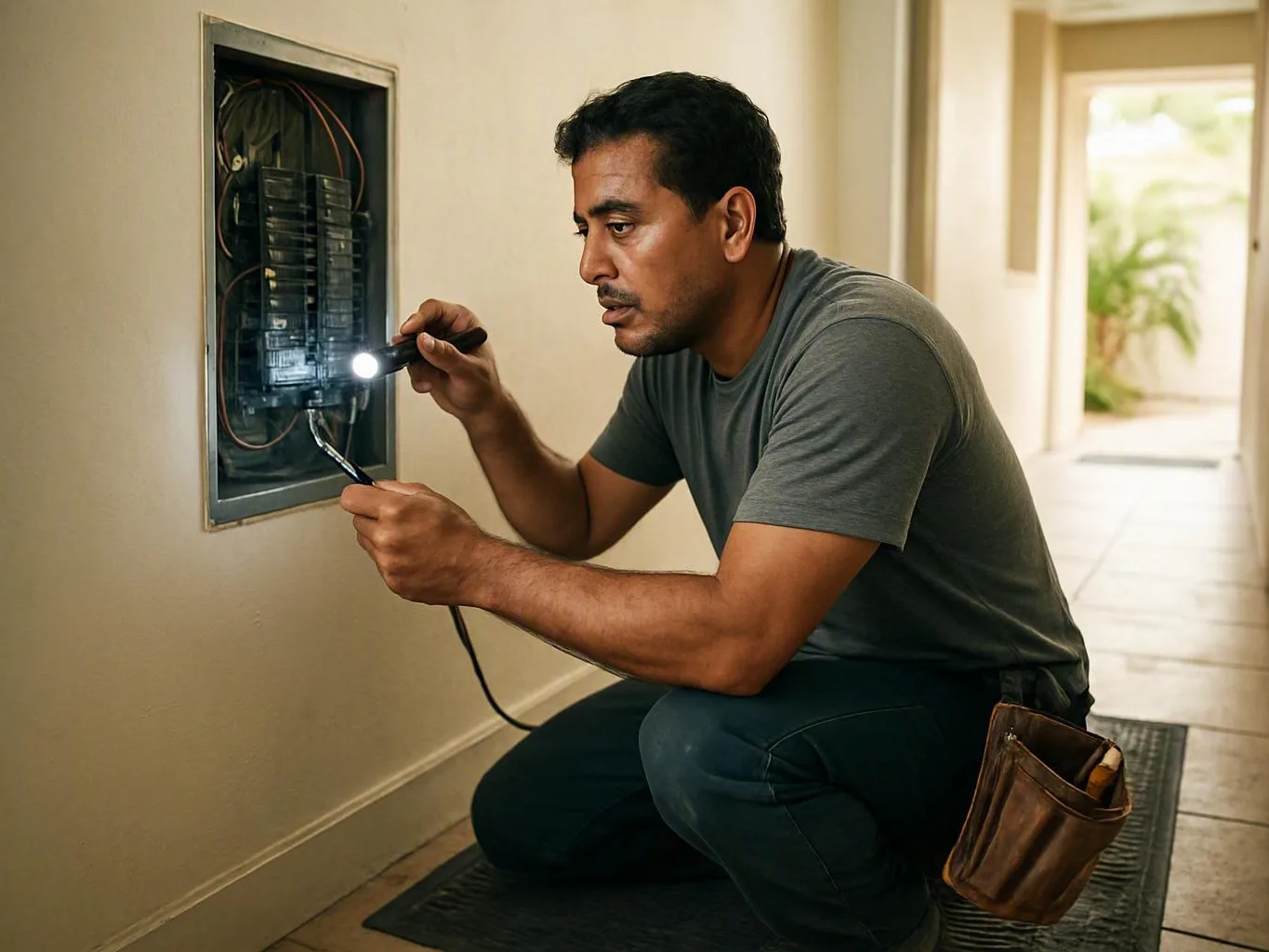
Outlet, Switch, and GFCI Repair Costs in Miami, FL
An electrician in Miami, FL prices outlet and GFCI repair by several factors. These include the device, wiring, access, testing time, and needed replacement. Standard outlet replacement is often simpler than GFCI installation. Grounding or circuit safety issues can add work. Light switch replacement often takes less time with easy wire access. A tripping GFCI may need a reset, repair, or replacement. Testing can find moisture, overloads, ground faults, or wiring problems. Earth Electric Florida can inspect the circuit and explain your options. You’ll get a clear estimate before work starts.
Get a Free Estimate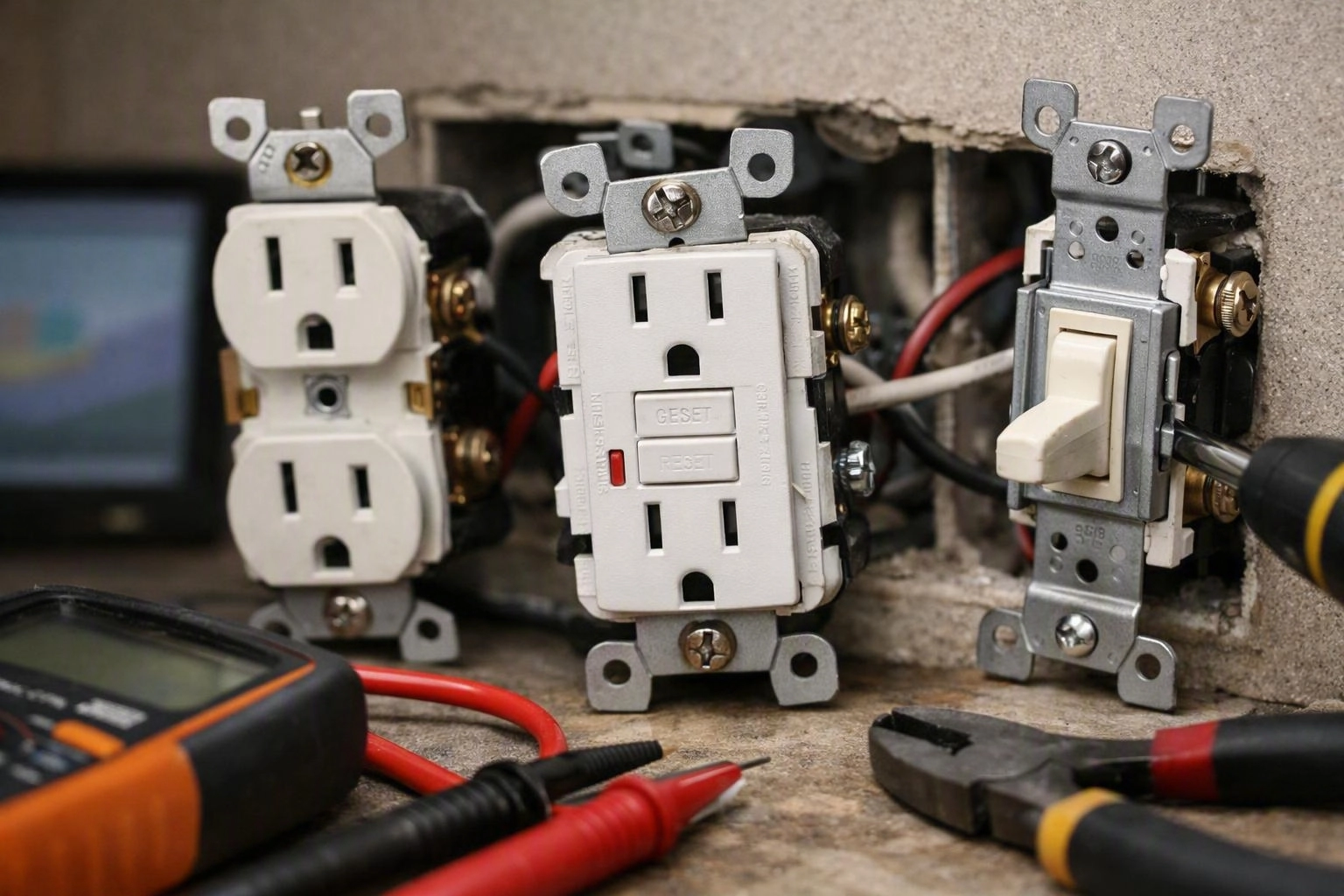
How Much Do Outlet, GFCI, and Light Switch Repairs Cost?
Outlet replacement, GFCI outlet installation, and light switch repair costs vary. The device, labor time, wiring, access, and testing all matter. A basic switch or outlet replacement is usually simple. GFCI installation may need grounding and circuit tests. An electrician should inspect the circuit first. They should explain the repair or replacement before work begins.
There isn’t one flat cost for every electrical outlet replacement. Labor and parts may change with each job. A standard duplex outlet may be easy to reach. A damaged electrical box or missing ground can add work. A service call may include tests if the device isn’t the true problem.
| Service | Typical cost logic | What may add work |
|---|---|---|
| Standard outlet replacement | Device type, labor, and accessible wire connections | Loose wires, poor grounding, damaged box, or heat damage |
| GFCI outlet installation | GFCI receptacle, circuit testing, and line and load terminal checks | Moisture, downstream faults, missing ground, or incorrect prior wiring |
| Light switch replacement | Switch style, wire connection, and time at the electrical box | Crowded box, altered switch wiring, arcing, or damaged conductors |
| Electrician service call | Travel, inspection, diagnosis, labor, and materials | Multiple circuit issues or repairs beyond the original device |
Most simple device jobs take about 30 to 90 minutes. This assumes safe and easy circuit access. That range isn’t a promise. Older wiring or hidden faults can extend the visit. For Outlet Installation And Repair in Miami, our team reviews the work first.
What Factors Change an Electrician’s Repair Cost?
Electrical repair cost changes with several job details. These include the device, wiring, access, testing time, and needed parts. Extra work may follow a loose connection or damaged wire. Poor grounding, an overloaded circuit, or moisture can also add work. A careful inspection shows the true repair size.
Miami, FL homes can have many different wiring conditions. Home age and past remodeling both play a role. Heat and moisture can affect electrical parts. Older homes may have crowded boxes or changed circuits. Heavy air-conditioning use can also add circuit load.
| Factor | Why it changes the cost | What to prepare |
|---|---|---|
| Repair complexity | A device fault may be simple, while a circuit fault needs more testing and repair. | Describe trips, buzzing, heat, sparks, or intermittent operation. |
| Electrical wiring | Damaged insulation, loose connections, or limited grounding can expand the scope. | Share known remodeling or prior electrical work. |
| Circuit accessibility | Blocked areas and crowded electrical boxes take more time to inspect and connect. | Clear furniture and keep the device area accessible. |
| Diagnostic testing | A circuit breaker, ground fault, or downstream device may need isolation and testing. | Note which devices lose power together. |
| Replacement parts | The correct receptacle, switch, cover, box, or connector must match the circuit. | Keep labels or photos of the existing device available. |
Humidity, rain, and water leaks can damage electrical devices. Corrosion may form near outdoor, kitchen, bathroom, and laundry outlets. Storm water and power changes may damage receptacles. They can also cause unwanted trips. Testing helps more than replacing a device without checking the circuit.
How Long Does Outlet or Switch Replacement Take?
Outlet or switch replacement often takes less time with easy access. The electrical box and wiring must also be in good shape. The electrician turns off power and checks for safety. They then install the device and test it. Hidden damage, a missing ground, or poor access can add time.
A single-pole light switch or receptacle may take one short visit. This applies when the wiring is clear and easy to reach. A loose box can make the job longer. Confusing wiring or several rooms on one circuit can also add time. We check polarity, grounding, and operation after installation.
Light switch repair isn’t always a switch-only task. Flickering, heat, buzzing, or a dead outlet can point to wiring trouble. The problem may sit elsewhere on the branch circuit. Our Switch Installation And Repair service checks nearby wiring when needed.
Should a Tripping GFCI Be Repaired or Replaced?
GFCI protection should be tested before repair or replacement. A GFCI may trip because of moisture or a bad appliance. Downstream wiring, a ground fault, or a worn device can also cause trips. An electrician can find the cause and check the connections. They can test the protection and suggest replacement when needed.
Unplug appliances first. Press the reset button once if the area is dry. Don’t keep resetting a GFCI that trips again. Another outlet may share the same protective device. The visible outlet may not cause the fault.
Moisture is common in damp areas. Miami’s humidity, rain, and storms can affect outdoor devices. Bathrooms, kitchens, laundry rooms, and wet areas need care. A GFCI may need replacement if it won’t reset or pass testing. Corrosion or poor protection also calls for replacement.
GFCI troubleshooting may find wrong line and load connections. It may also find missing ground wires or damaged insulation. A faulty appliance can cause the same issue. We explain if you need repair, GFCI installation, or circuit work.
When Is an Outlet or Switch Problem an Electrical Safety Issue?
Electrical shock risk rises when a device sparks or feels hot. Burn smells, dark marks, buzzing, and repeated trips also signal danger. Stop using the device and arrange a professional check. Don’t keep resetting the breaker or GFCI. These signs may point to loose wires, overloads, arcing, or moisture.
Don’t use a sparking outlet until it’s checked. Covering it won’t fix the problem. Heat can damage the outlet, box, and nearby wires. A warm or buzzing switch may have a bad contact. It may also have an unsafe wire connection.
Turn off the circuit breaker if you can do so safely. Keep people away from the device and request help. After a storm, don’t reset a wet receptacle. An Emergency Electrician may help with smoke, fire risk, exposed wires, or active arcing.
Five Ways to Manage Outlet and GFCI Repair Costs
Repair estimates are easier when you share clear symptoms. Clear access can also help reduce delays. Safe savings don’t mean bypassing protection. They also don’t mean using the wrong part.
Regular checks can find corrosion, loose covers, and damaged boxes. They can also find overloaded circuits before failure. Avoid DIY work around GFCI wiring or live panels. The safest estimate matches the real fault. It also includes the needed labor and parts.
What to Expect from an Electrical Repair Visit in Miami, FL?
Electrical inspection during a repair visit should follow several steps. The electrician reviews symptoms and turns off the circuit. They inspect the device and wiring, then run tests. They explain repair choices before starting work. Final safety checks follow the repair or installation.
We explain the work before it starts. Storm damage, water entry, and heavy cooling loads need extra care. A full check can find problems beyond one outlet. Contact our team through the service request page to discuss the visit.
Questions About Emergency Electrician
How Much Does It Cost to Have an Electrician Replace an Outlet?
The cost depends on the receptacle, labor time, box, wiring, access, and testing. A basic outlet replacement is usually simpler. Damaged wires, poor grounding, corrosion, or overloads can add work. Request a written scope after inspection.
How Much Does It Cost to Install a GFCI Outlet?
GFCI outlet installation depends on the device, grounding, connections, testing, and access. Moisture, corrosion, wiring faults, or older wiring can add work. A qualified electrician should test the device before finishing installation.
How Much Does It Cost to Replace a Light Switch?
Light switch replacement depends on the switch style, wire connection, box, access, and hidden faults. A single-pole switch with easy wiring is usually simpler. Crowded boxes, changed wiring, heat damage, or circuit problems can add work.
How Long Does It Take an Electrician to Replace an Outlet?
Most simple outlet replacements take about 30 to 90 minutes. This range isn’t a guarantee. The visit may take longer with poor access or damaged wiring. Missing ground wires and other circuit problems can also add time.
Why Does My GFCI Outlet Keep Tripping?
A GFCI may trip because of moisture or a faulty appliance. Ground faults, downstream wiring, wrong connections, or a worn device can also cause trips. Unplug appliances and avoid repeated resets. Testing can find the source of the problem.
Can a Tripping GFCI Outlet Be Repaired or Does It Need Replacement?
A tripping GFCI can sometimes be repaired. The fix may involve moisture, an appliance, or wiring. Replacement is needed when testing fails or the device won’t reset safely. Corrosion and damaged connections also require replacement. An electrician should test the circuit first.
Related Resources
Burning Smell From Outlets or Wiring in Miami, FL: When to Call an Emergency Electrician
burning smell from electrical outlet when to call electrician
When You Need ItSparking, Hot, or Discolored Outlets in Miami, FL: Emergency Electrical Warning Signs
sparking outlet when to call electrician
When You Need ItMild Electrical Shocks From Appliances or Switches.
why am I getting shocked by appliances when to call electrician
What It SolvesSparking Outlets and Electrical Arcing.
electrical outlet sparking what to do