Sparking Outlets and Electrical Arcing.
A sparking electrical outlet needs quick care. Stop using it at once. Unplug devices only when it’s safe. Turn off the circuit breaker if sparks, smoke, heat, or burning smells continue. Outlet sparks can come from loose wires, damaged wiring, too much power, water, or a bad receptacle. Don’t touch the outlet or use tools. Don’t try to fix it yourself. Keep the circuit off. Then call a qualified electrician for outlet repair, wiring repair, or short-circuit testing.
Get a Free Estimate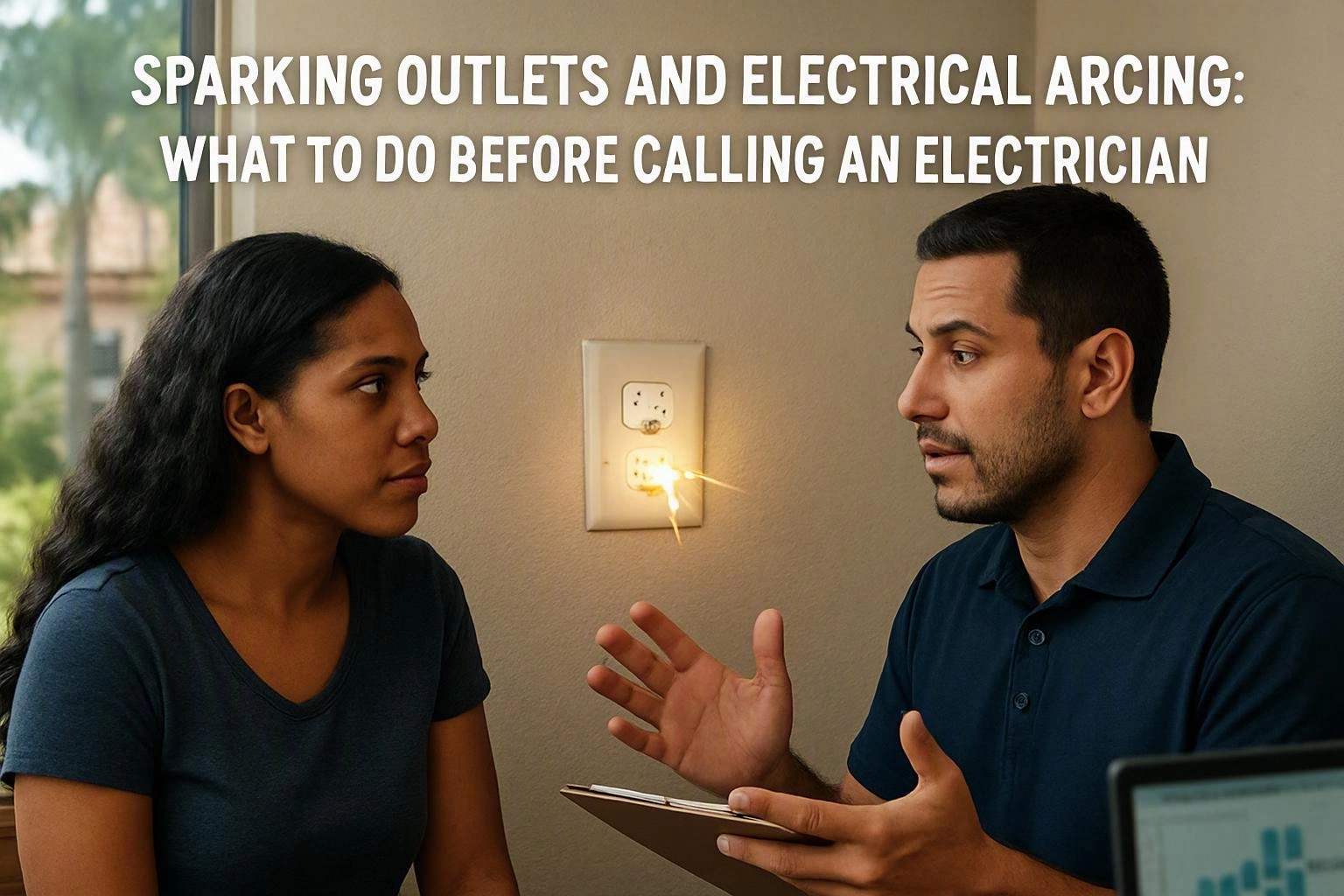
What to Do When an Electrical Outlet Sparks?
Treat a sparking electrical outlet as a possible electrical fault. Stop using it right away. Move away from smoke or flames. Unplug a device only when it’s safe. Turn off the circuit breaker if sparks continue. Then arrange a professional inspection.
Step back first. Keep your hands, tools, and metal items away from the outlet. Don’t pull out a loose, hot, or damaged plug. Don’t pull it out if smoke surrounds it. You can still suffer an electric shock when the outlet looks quiet.
Renters should tell the property manager after making the area safe. Don’t remove the cover plate. Watching the outlet briefly may be okay after one tiny spark during normal unplugging. There must be no other warning signs. Any repeat spark needs an inspection.
Why Is My Outlet Sparking, Popping, or Sparking Repeatedly?
An outlet may spark or pop for several reasons. Loose connections, worn receptacles, damaged plugs, overloaded circuits, water, and short circuits can cause sparks. A tiny spark can happen during some unplugging. Loud pops, repeated sparks, heat, burn marks, or smells show a fault. Turn off the circuit and call an electrician.
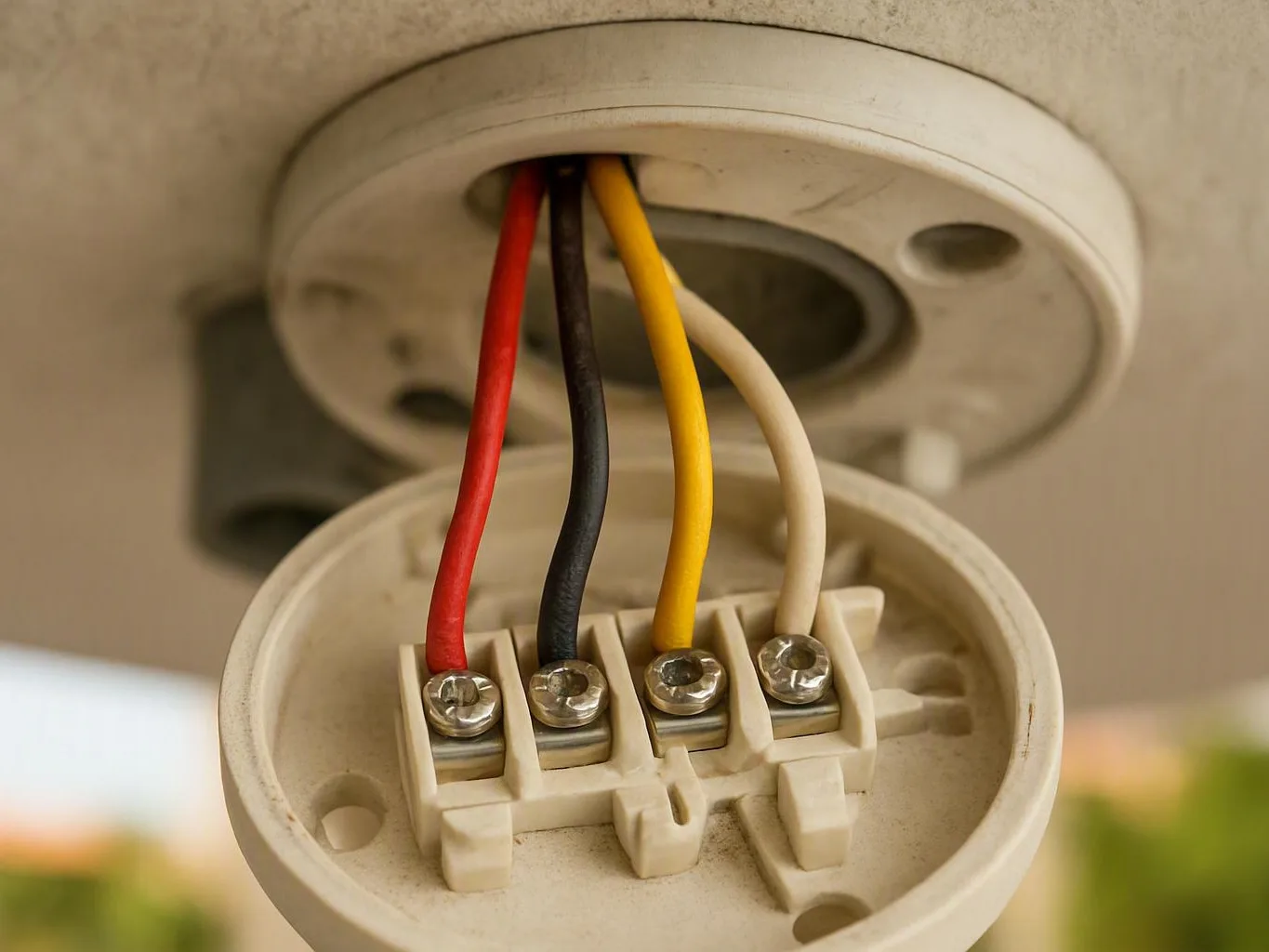
A loose wire can make electricity jump across a gap. This is called electrical arcing (electricity jumping between points). Arcing creates heat. It can damage outlet parts and wires. A worn receptacle may not hold a plug firmly. Plug movement can make the fault worse.
Rooms with many appliances need extra care. Kitchens, laundry rooms, workshops, and other busy areas may overload a circuit. Extension cords and power strips may hide the problem. They don’t fix it. Water near sinks, garages, bathrooms, or outdoor outlets can also cause trouble.
Turn off the circuit breaker if the outlet keeps sparking. Leave it off. The problem may be inside the box, in the wires, or in an appliance. Our team tests the full circuit. We don’t guess at one part.
Common Causes of Outlet Sparks and Electrical Arcing
These problems can happen together. A loose connection may heat the outlet. Over time, its contacts may wear out. Damaged insulation can let wires touch. That can cause a short circuit. Repeated breaker resets are unsafe.
What Does Electrical Arcing Sound Like?
Electrical arcing may sound like buzzing, sizzling, crackling, snapping, or popping. The sound may come from an outlet, switch, plug, or wall. Flickering lights, burning smells, warmth, burn marks, or sparks may occur too. These signs can mean shock or fire danger.
A faint arcing sound may resemble a mosquito buzz. It may also sound like dry food frying. A sharp pop can mean electricity is jumping across damaged parts. The sound may stop when you turn off a device. That doesn’t prove the outlet is safe.
Notice changes when an appliance starts or stops. Also listen when it uses more power. Flickering lights elsewhere may point to a circuit problem. A burning smell or scorch mark shows possible heat damage.
Don’t put your ear near the wall. Don’t touch the cover plate. Turn off the circuit breaker from a safe place. Then arrange an electrical inspection.
Signs an Outlet Needs Immediate Attention
Keep people and pets away when any sign appears. A quiet outlet may still have damaged parts. Wait for expert advice before turning power back on.
How an Electrician Diagnoses a Sparking Outlet?
An electrician first makes the circuit safe. Next, the electrician checks the outlet and wires. The electrician tests voltage, grounding, and polarity. The electrician also checks the breaker and connected devices. Repairs may include outlet replacement, wire repairs, or short-circuit repairs.
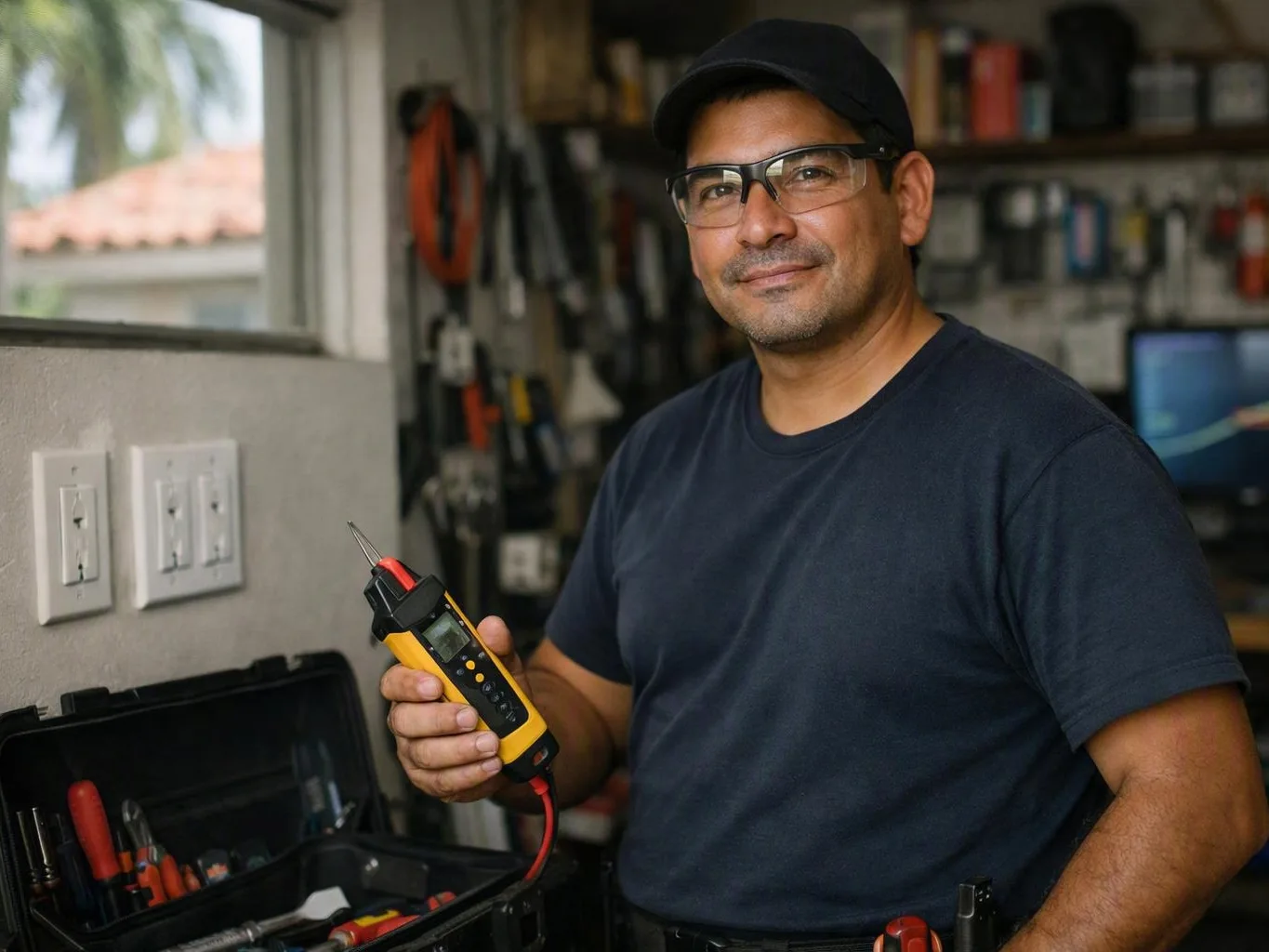
Our team starts at the electrical panel. We find the breaker for the problem area. We use a voltage tester after controlling the circuit. An outlet check may find burned contacts, loose terminals, or heat damage. It may also find reversed polarity or missing grounding.
The electrician may check nearby outlets, switches, boxes, and appliances. A fault can travel through shared wires. This often happens in older homes. It can also happen in rooms with many high-power devices. Testing helps us find the true cause.
Most tests take about 30 to 90 minutes. Time depends on access and the fault’s location. A simple replacement may happen during the same visit. Hidden wiring repairs may need more checking. We explain the work before making a repair plan.
Never remove the cover or tighten a terminal as a test. Another circuit may still have power. Wiring errors can also leave parts energized.
How to Prevent Outlet Sparking and Electrical Arcing?
You can reduce outlet sparks with safe electrical care. Replace damaged outlets and cords. Avoid overloaded circuits. Keep outlets dry. Use the right safety devices. Have repeated breaker trips checked. Don’t keep resetting a breaker or using a bad outlet.
Good safety starts with small changes. A loose plug, warm cover, or new buzzing sound needs attention. Check it before the damage grows. Don’t use an extension cord as permanent wiring.
Use a tamper-resistant receptacle when needed for home safety. Use a GFCI outlet in wet areas when needed. A GFCI device can stop power leaks. It can’t fix damaged wiring. It also can’t make a bad appliance safe.
Heaters, dryers, ovens, compressors, and some tools use lots of power. They may need their own circuits. If a breaker trips, unplug only safe devices. Find the cause instead of restoring power again and again.
Practical Steps to Prevent Future Outlet Problems
Act early when a problem starts. Don’t ignore a loose switch or outlet. It may still work while damage grows.
When to Call an Electrician for Outlet Repair?
Call an electrician when an outlet sparks more than once. Also call when it buzzes, feels hot, smells burnt, or shows dark marks. You should call after a breaker trip or when wires look loose or damaged. Call when the cause isn’t clear. Earth Electric Florida can check outlet, switch, wiring, and short-circuit problems.
Outlet Installation And Repair may help with burned receptacles, loose contacts, poor grounding, or old devices. Switch Installation And Repair may help with a nearby buzzing or hot switch. Outlet Installation And Repair in Miami needs a qualified professional when wiring is involved.
We can check electrical wiring repair needs inside the wall. We can also handle short circuit repair and circuit breaker problems. An Emergency Electrician may help when smoke, flames, strong burning smells, or active arcing create immediate danger.
Safe DIY steps only include clearing the area and watching from far away. Don’t open the box or replace parts. Don’t reset a tripping breaker again and again. Don’t work near water. Renters and families should block access quickly. Households with children, older adults, or pets need extra care.
Contact our team through the service request page to discuss safe inspection and repair. We can explain the next step. It may involve receptacle replacement, switch repair, wiring repair, or short-circuit testing.
Questions About Emergency Electrician
What Should I Do if My Electrical Outlet Is Sparking?
Stop using it and keep people and pets away. Unplug a device only when its plug is cool and safe. Turn off the circuit breaker if sparks, smoke, heat, smells, or noise continue. Call a qualified electrician.
Why Is My Outlet Popping?
An outlet may pop because of loose connections, worn contacts, damaged plugs, water, overloaded circuits, or short circuits. One small sound during unplugging can happen. Repeated or loud popping needs power shut off and professional testing.
What Does Electrical Arcing Sound Like?
It may sound like buzzing, sizzling, crackling, snapping, or popping. Flickering lights, burning smells, warmth, scorch marks, or sparks raise the risk. Stop using the circuit and treat the problem as a possible shock or fire hazard.
Why Does My Outlet Spark Repeatedly?
Repeated sparks often point to loose terminals, worn receptacles, damaged wiring, overloaded circuits, water, or a failing appliance. Turn off the circuit breaker when safe. Arrange an inspection instead of resetting power or changing parts yourself.
Is a Sparking Outlet Dangerous?
Yes. A sparking receptacle can cause shock or fire. The risk is higher when it feels hot, looks dark, smokes, gets wet, or makes arcing sounds. Keep everyone away. Shut down the circuit when safe. Have a qualified electrician find the fault.
Related Resources
Burning Smell From Outlets or Wiring in Miami, FL: When to Call an Emergency Electrician
burning smell from electrical outlet when to call electrician
When You Need ItFrequently Tripping Circuit Breakers in Miami, FL: Warning Signs You Need Electrical Repair
circuit breaker keeps tripping when to call an electrician
When You Need ItFlickering and Dimming Lights: Signs of a Dangerous Electrical Problem in Miami, FL
flickering lights when to call an electrician miami
When You Need ItSparking, Hot, or Discolored Outlets in Miami, FL: Emergency Electrical Warning Signs
sparking outlet when to call electrician