When Flickering and Dimming Lights Need an Electrician in Miami, FL
Call an electrician in Miami, FL when flickering lights keep returning. You should also call when several lights flicker together. Buzzing, burning odors, warm outlets, sparks, and tripped breakers need attention. These signs may point to loose wiring, an overloaded circuit, or breaker trouble. They may also show damage in the electrical panel. Turn off affected equipment. Don't open the panel. Arrange an electrical inspection. Call for emergency help if you see smoke, arcing, exposed wires, or a burning smell. Earth Electric Florida can check the wiring, panel, and circuit protection. We can then suggest safe electrical repairs.
Get a Free Estimate
Flickering and dimming lights may show a dangerous electrical problem in Miami, FL. Earth Electric Florida helps homeowners find the cause. Sometimes, a bulb needs a simple check. Other times, the problem needs prompt service.
When Do Flickering Lights Mean You Should Call an Electrician?
Flickering lights need an electrician when they continue after a bulb change. Call when several fixtures flicker together. Call when appliances trigger the change. Buzzing, heat, burning odors, sparks, and breaker trips also need service. These signs may show loose connections, overloaded circuits, bad breakers, or unsafe panel conditions.
A single blink may come from a loose LED bulb. A worn light fixture can cause it too. Repeated blinking is different. Pulsing lights across rooms may involve wiring behind the walls.
Note where the problem happens in your Miami, FL home. Does it affect one fixture, one room, or the whole property? Write down which appliance starts when the lights change.
Don't remove an outlet cover or open the panel. Turn off the affected appliance. Keep children away from warm outlets. Arrange service if the problem returns. If you see smoke, arcing, or a burning odor, leave the area. Then request an Emergency Electrician.
A Single Bulb Problem or a Whole-Circuit Warning?
An LED bulb can flicker when it's loose. It may also be wrong for a dimmer. A failing bulb can cause flickering too. Turn off the switch first. Let the bulb cool. Then make sure the new bulb matches the fixture. Never use a bulb above the fixture's rated wattage.
If several lights change together, the circuit may have a problem. Lights can dim when a circuit carries too much power. A voltage change or poor connection may also cause dimming. A light that stays dark after a bulb change needs attention.
Most basic inspections take about one to two hours. Time can vary based on access and circuit count. This range isn't a promise. Complex circuit problems may need more testing.
Seven Warning Signs of a Dangerous Electrical Problem
Dangerous electrical warning signs include repeated flickering and wide dimming. Burning odors, buzzing, warm outlets, sparks, and breaker trips also matter. These signs may point to loose wiring or damaged insulation. They may also show overloaded circuits, arcing, or bad circuit protection. Stop using the affected circuit. Arrange professional electrical service.
Don't ignore these symptoms. A home electrical problem can grow worse without warning. Stay away from smoke and exposed wires. Don't touch wet electrical equipment. Professional testing can find the danger early. It can help prevent fire, shock, and more damage.
What Causes Lights to Flicker or Dim in Miami Homes?
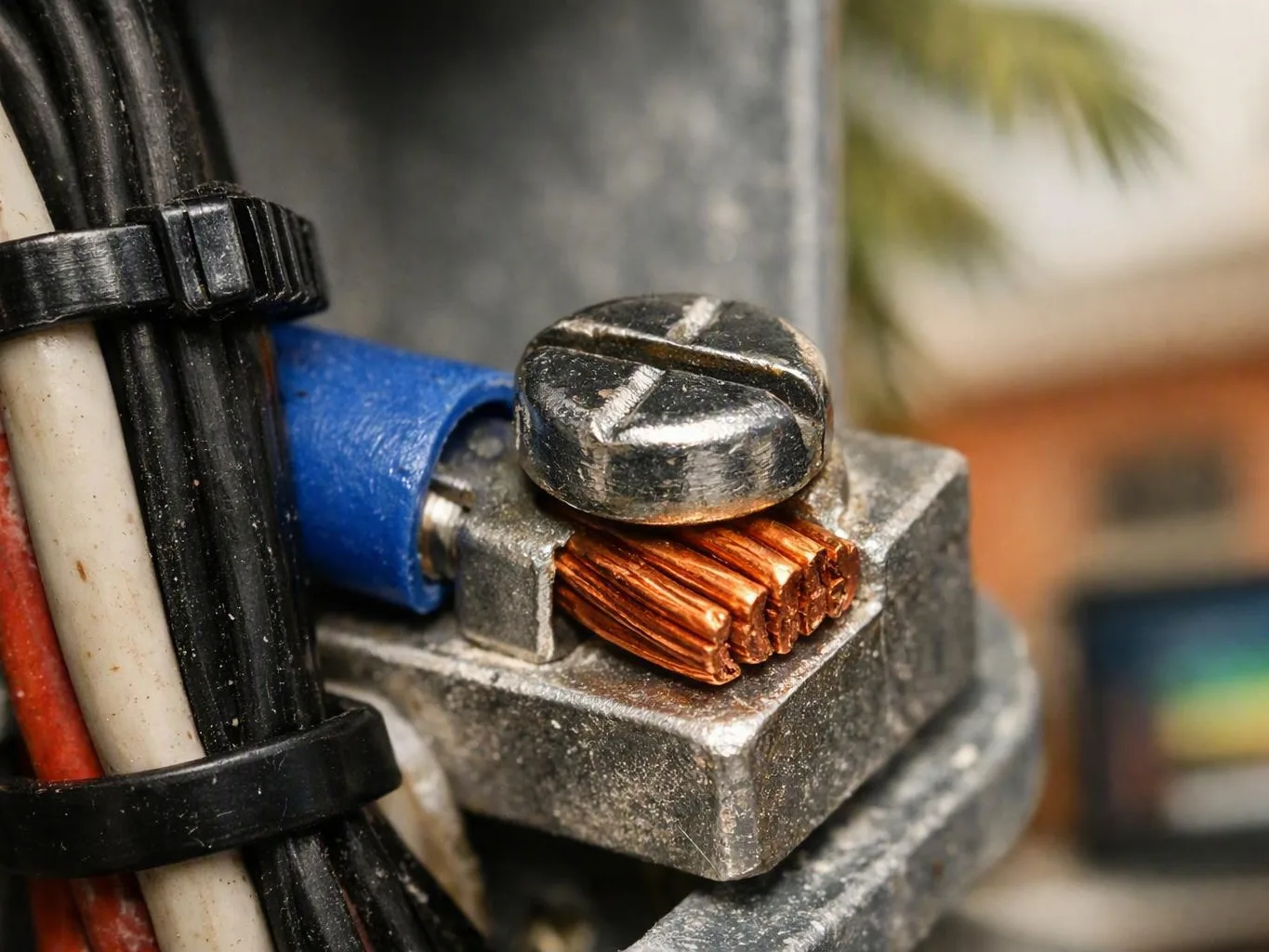
Loose electrical connections often cause flickering or dimming lights. Overloaded circuits, aging wiring, bad breakers, and panel problems can cause them too. Miami homes may also face moisture and corrosion. An electrician can test the voltage and inspect the connections. The results show if wiring, breakers, or the panel needs work.
A loose connection may sit at a fixture, box, outlet, or panel. An air conditioner, microwave, or heater can strain an overloaded circuit. A bad breaker may trip or heat up. It may also fail to protect the circuit.
Older Miami homes need extra care. Some may have old panels or damaged wiring. Past work may not match today's power needs. When several circuits have problems, a full inspection works better than changing bulbs.
South Florida humidity can speed up corrosion. Moisture can also damage connections and equipment. Still, moisture isn't the cause of every flicker. Coastal salt air may damage exposed metal parts. A storm or power surge can also make a panel unsafe.
How Storms, Humidity, and Coastal Air Can Affect Electrical Systems?
High humidity can enter poorly sealed boxes and fixtures. It can also reach outdoor equipment. Over time, moisture may weaken connections. It may also cause corrosion. Salt air creates another risk near the coast.
Tropical storms can cause power changes and surges. Water may also enter electrical parts. These events can affect breakers, panels, and wiring. Outside damage may not be easy to see.
Don't use equipment that got wet after a storm. Avoid equipment with scorch marks. Our team can check the affected parts. We can explain if you need repair, replacement, or more testing. Local work may need to follow Miami-Dade permit and code rules. An electrician can confirm the rules for your project.
DIY Checks Versus Professional Electrical Diagnosis
Homeowners may safely replace a bulb. You can also check that it fits tightly. Note which appliance or circuit causes the problem. Electricians should handle panel covers, wiring, voltage tests, and breaker work. They should also handle ongoing flickering. Electrical testing needs special tools. Safe steps help lower the risk of shock, fire, and damage.
| Factor | DIY | Professional |
|---|---|---|
| Bulb replacement | Use the right bulb. Switch off power first. | Check the fixture if a new bulb still flickers. |
| Circuit breaker reset | Reset it once if there's no heat, odor, smoke, or damage. | Find the cause of repeated trips. Test the protection. |
| Electrical testing | Record the time, place, and appliances involved. | Measure voltage. Trace the circuit safely. |
| Wiring repair | Don't open walls, boxes, outlets, or fixtures. | Repair or replace damaged electrical wiring. |
| Panel inspection | Keep the cover closed. Look only for outside warning signs. | Check connections, breakers, heat marks, corrosion, and capacity. |
Safe observation can help. Electrical work isn't a trial-and-error task. Don't bypass a breaker. Don't use a larger fuse. Don't keep using a warm outlet. If the cause isn't clear, arrange professional testing. Do the same if more than one fixture has the problem.
What an Electrician Checks and How Earth Electric Florida Can Help?
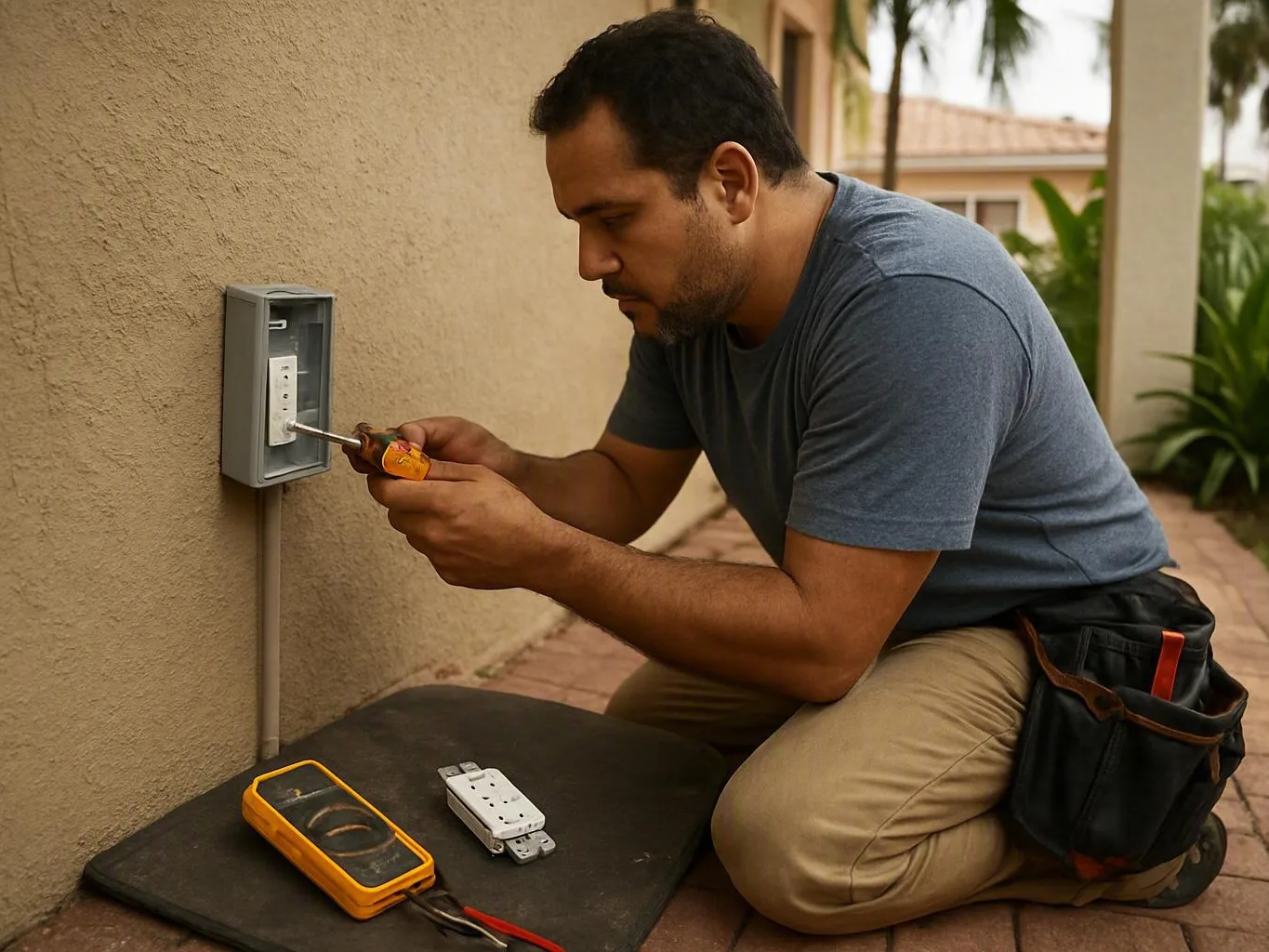
An electrician checks the fixtures, circuit connections, and breakers. They also check the panel and voltage. Heat and arcing leave warning signs. Earth Electric Florida provides Electrical Wiring Repair in Miami, electrical panel repair and replacement, breaker repair and replacement, and electrical inspections.
Our team first asks when the problem happens. We also ask which appliances were running. Then we check reachable fixtures, outlets, boxes, circuits, and the panel. Testing can separate a bad bulb from a larger issue. Possible causes include loose connections, overloaded circuits, voltage changes, surges, and damaged wiring.
Needed work may include Electrical Wiring Repair in Miami. It may also include replacing a damaged connection. A safer circuit setup may be needed. Electrical Panel Repair And Replacement may help with corrosion or heat damage. It may also help with old protection or capacity problems. We choose breaker repair or replacement after finding the cause.
We explain our findings in plain terms. We address urgent risks first. Our crews can also discuss moisture, salt-air corrosion, and storm damage. We can explain Miami-Dade rules for your project. Don't cover a scorch mark. Don't keep resetting a tripped breaker while waiting.
Repeated flickering or dimming lights need a check. Contact our team for an electrical inspection and safe repair plan.
Questions About Emergency Electrician
When Should I Call an Electrician for Flickering Lights?
Call an electrician when flickering repeats or affects several fixtures. Call after a bulb change if the problem continues. Buzzing, heat, burning odors, sparks, and breaker trips also need service. Turn off affected equipment. Seek urgent help for smoke, arcing, exposed wires, or a strong burning smell.
Why Do My Lights Flicker When the Air Conditioner Turns On?
An air conditioner draws a large starting load. A brief change can happen. Strong or repeated dimming may show an overloaded circuit or voltage change. A loose connection, weak breaker, or panel issue may also cause it. An electrician can test the circuit and power supply safely.
Are Flickering Lights a Sign of a Bad Electrical Panel?
They can be, especially when several rooms are affected. Heat marks, corrosion, buzzing, and repeated trips also point to panel trouble. The panel is only one possible cause. Testing should also check fixtures, connections, circuits, breakers, and incoming voltage.
Can a Loose Wire Cause Lights to Dim and Flicker?
Yes. A loose wire can interrupt power. It can also create heat or arcing. The connection may be inside a fixture, box, outlet, or panel. Don't open it yourself. Stop using the circuit. Request professional testing.
Is It Safe to Sleep in a House with Flickering Lights?
It depends on the cause. Repeated flickering shouldn't be ignored overnight. Leave the area if you notice heat, a burning smell, smoke, buzzing, sparks, or a tripped breaker. Seek emergency help. Otherwise, turn off affected equipment. Arrange an inspection soon.
Related Resources
How Much Does an Emergency Electrician Cost in Miami?
emergency electrician cost Miami
What It CostsCircuit Breaker Repair and Replacement: Costs, Options, and Timing
circuit breaker replacement cost Miami
What It CostsHow Much Does It Cost to Add a New Electrical Circuit?
new circuit installation cost
What It CostsEmergency Electrical Inspections: Cost, Process, and Results
emergency electrical inspection cost