Emergency Electrical Inspections and Costs in Miami, FL
Emergency electrical inspections in Miami, FL often cost more than routine inspections. Electricians must respond fast and check active hazards. These hazards can include storm damage, power loss, wiring faults, or panel problems. The final cost depends on urgency, access, system size, testing, and needed code corrections. An inspection usually includes a visual check, safety tests, panel checks, wiring checks, and a written report. Call an electrician right away for burning smells, sparks, shocks, exposed wires, water near electrical equipment, or storm damage. Earth Electric Florida can check the danger and explain the next steps.
Get a Free Estimate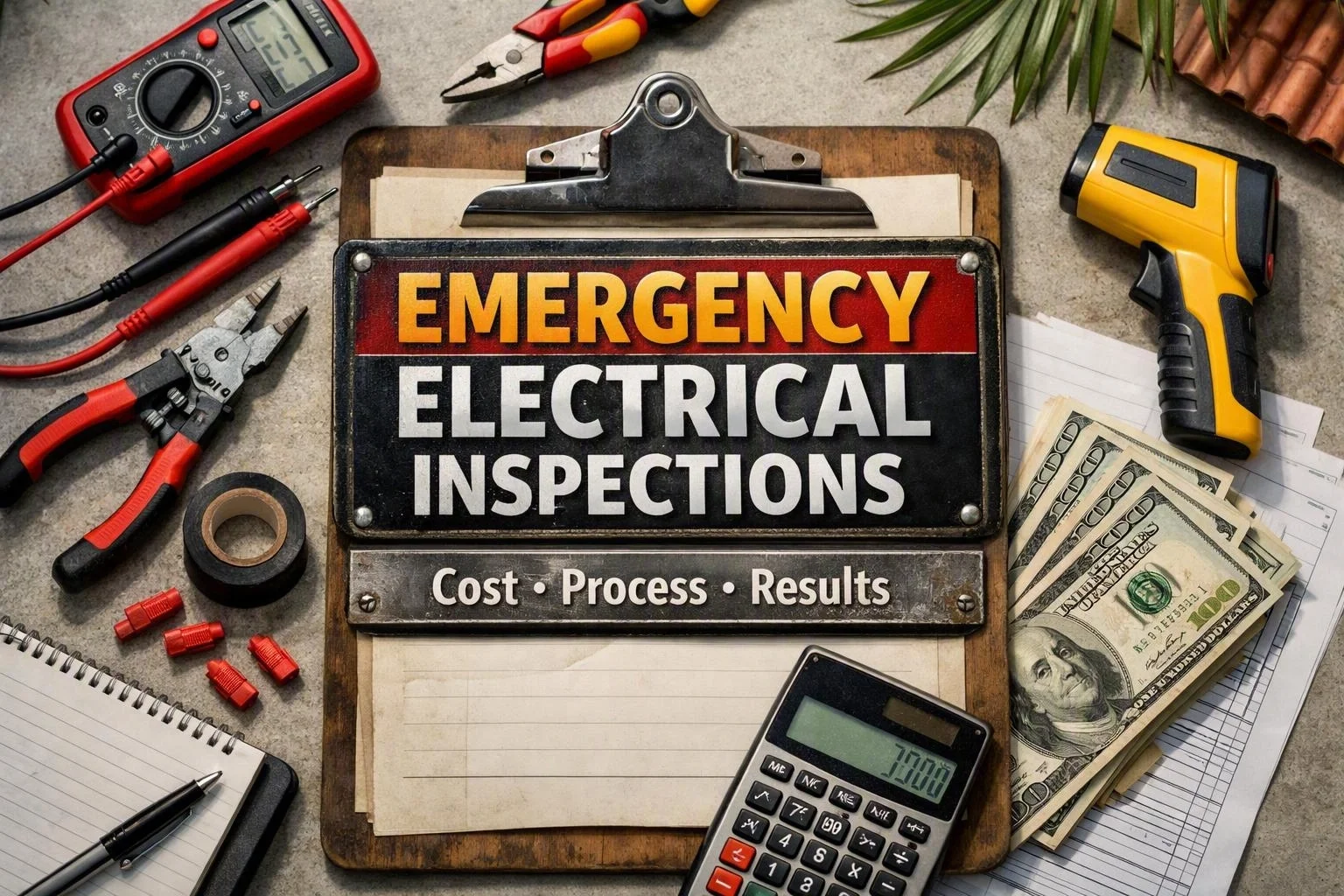
How Much Does an Emergency Electrical Inspection Cost in Miami, FL?
Emergency electrical inspection cost in Miami, FL depends on response time, testing needs, system access, and damage found. A qualified electrician should list inspection costs apart from repair costs. They should explain each cost before extra work starts.
An urgent safety check may start with a service call. The electrician will find out why power failed or why a breaker keeps opening. They may also check why an outlet feels hot. The visit may cover one hazard or a larger part of the home's electrical system.
Testing may include voltage checks, circuit tracing, and checks for a short circuit, arc fault, or unsafe wiring. Emergency visits often cost more than planned visits. The electrician must change their schedule and travel quickly.
Access also affects the cost. A clear panel and visible wires take less time to check. Hidden wires, blocked equipment, attics, and crawl spaces can make the work harder.
Older homes and remodeled homes may have mixed wiring. They may also have changed circuits or unusual panels. Miami, FL humidity and moisture can cause rust and weak connections. Water near the panel may require more safety checks before power returns.
Inspection findings don't always mean repair charges. Electrical wiring repair, electrical panel repair and replacement, appliance damage, and an electrical code correction may cost extra. Ask for a written estimate before repairs begin. It should list hazards, work, parts, testing, and approval needs.
Most urgent visits take about one to three hours. This applies when equipment is easy to reach and the problem is limited. Hidden wires, storm damage, many panels, or complex faults can require more visits. Earth Electric Florida can explain what must happen now and what can wait.
For a clear assessment of your home's condition, use the contact form: request an inspection quote.
What Does an Emergency Electrical Inspection Include?
An emergency electrical inspection includes a safety review, electrical tests, panel checks, breaker checks, wiring checks, and grounding checks. The electrician looks for shock and fire risks. They explain if power must stay off and list needed work, such as wiring repair, panel work, or electrical code corrections.
The inspection often starts at the electrical panel. The electrician checks the box, main disconnect, breakers, labels, and connections. They look for heat marks, rust, loose parts, and water entry. The service entrance may also need a check.
Next, the electrician checks circuits linked to the reported problem. These circuits may serve outlets, switches, lights, appliances, and junction boxes. Tests can find low voltage, missing voltage, reversed connections, a short circuit, or an arc fault.
Grounding and bonding are part of the electrical safety inspection. These systems give fault current a safe path. The electrician may also check wire covers, splices, exposed parts, and breaker protection.
Storms and water require extra care. South Florida's hurricane and severe storm exposure can lead to more urgent inspections. Surge damage can harm service equipment and appliances. A wet panel, rusty connection, or damaged outlet may need to stay off until testing is safe.
The final report should link each finding to a clear next step. A home may need circuit repair, electrical panel repair and replacement, new safety devices, wiring repair, or Electrical Code Corrections. Code work may be needed after unsafe wiring is found.
Residents shouldn't touch dangerous equipment. Stay away from energized, wet, smoking, or damaged parts. A trained professional should handle all testing.
How Long Does an Electrical Inspection Take?
Inspection duration commonly ranges from about one to three hours. This applies to an accessible home with one main problem. Complex systems can take longer. Testing, access, and system size affect the timing.
A single outlet, light, or circuit may take less time to check. The cause may be easy to find. Larger homes need more tracing. Multiple panels, additions, old wires, and hidden circuits add time.
The electrician may test several breakers and outlets. This helps show if the fault reaches another part of the system. Storm work can take longer when equipment is wet, rusty, or damaged by a surge.
If utility power is off, the electrician can record the condition. They can explain what must happen before normal use returns. A written report and repair estimate may follow the testing.
When Should I Call an Electrician for an Electrical Inspection?
Call an electrician for an electrical inspection for burning odors, smoke, sparks, shocks, exposed wires, repeated breaker trips, hot outlets, flickering lights, water near electrical equipment, or unexplained power loss. Stop using the affected circuit. Keep people away from the danger. Leave and call emergency services for active fire or immediate danger.
Tell the electrician what happened and which rooms are affected. Share if the problem began after an outage or storm. An Emergency Electrician can decide if the circuit should stay off.
Can an Electrician Inspect Damage After a Power Outage or Storm?
An electrician can inspect electrical damage after a power outage or storm. They can check service equipment, panels, breakers, wiring, outlets, surge effects, and visible water damage. They can find unsafe conditions and suggest isolation or repair. Homeowners shouldn't touch damaged equipment or restore power near flooding or exposed wires.
South Florida's hurricane and severe storm exposure can cause several problems at once. Wind and water may harm service entrances, outdoor equipment, panels, circuits, and appliances. A power surge can damage electronics and weaken connections. It may also affect a breaker or safety device.
Miami, FL humidity and moisture exposure can cause rust and weak connections. Damage may not be easy to see. Water can enter through roofs, walls, conduits, or outdoor covers. A post-outage inspection should look for wet parts, rust, burn marks, loose wires, and surge damage.
Power restoration can reveal damaged breakers, panels, appliances, or wires. A homeowner may need a safety check before normal use resumes. If utility power is still off, the electrician can say if the equipment is ready.
Don't operate a flooded panel or remove its cover. Don't test exposed wires. Keep people away and explain the outage timeline. Tell the electrician if lights returned unevenly or water reached the equipment. Our team can separate urgent hazards from later repairs.
Which Factors Change the Cost of an Emergency Electrical Inspection?
Emergency electrical inspection cost changes with response time, system size, access, testing needs, and visible damage. A useful estimate covers the work needed to inspect and test the system. Two urgent visits may need different amounts of work.
| Factor | Why it changes the cost | What to prepare |
|---|---|---|
| Response urgency | Immediate or after-hours service may need special travel and scheduling. | When the problem started, if power works, and if the hazard is active. |
| System complexity | Many panels, additions, old wires, or hard-to-trace circuits take more time. | Panel locations, remodel details, appliance changes, and past electrical work. |
| Accessibility | Blocked panels, hidden wires, attics, and hard-to-reach equipment add labor. | Clear access to panels, rooms, outlets, attics, and outdoor equipment. |
| Diagnostic scope | One fault check differs from testing many circuits or tracing a hidden fault. | Affected outlets, lights, breakers, appliances, and rooms. |
| Storm or water damage | Moisture, surges, damaged service equipment, and rust need extra safety checks. | Photos, outage details, water damage, and power status. |
The table is a guide, not a price promise. A panel check may take less time than a whole-home fault search. Hidden damage can increase the work. Ask for approval before repairs begin. Request separate costs for testing, safety work, and repairs.
How Can I Reduce the Cost of an Emergency Electrical Inspection?
Homeowners can reduce avoidable inspection costs by recording symptoms, clearing access, avoiding unsafe testing, and sharing storm details. Ask the electrician to separate urgent hazards from suggested upgrades. Ask them to list electrical wiring repair, panel replacement, and code corrections as separate services.
Good notes help the electrician start with useful facts. This can reduce time spent finding basic details. It also helps our crews focus tests on the affected areas.
Preventive care may reduce future emergency visits. Keep panels dry and clear. Fix warm outlets and flickering lights early. Have questionable changes checked before they cause larger faults. A clear plan helps you handle urgent work first.
Questions About Emergency Electrician
How Much Does an Emergency Electrical Inspection Cost?
The cost depends on response time, testing, system size, access, and storm or water damage. The electrician should list inspection and repair costs separately in writing.
What Does an Emergency Electrical Inspection Include?
It usually includes a visual review, panel and breaker checks, wiring checks, voltage tests, grounding checks, hazard checks, and a list of needed repairs or code work.
How Long Does an Electrical Inspection Take?
Most focused inspections take about one to three hours when equipment is easy to reach. Many panels, hidden wires, old systems, storm damage, or fault tracing can take longer.
When Should I Call an Electrician for an Electrical Inspection?
Call for burning odors, smoke, sparks, shocks, exposed wires, hot outlets, repeated breaker trips, flickering lights, water near electrical equipment, or power loss. Stop using the circuit. Call emergency services for active fire or immediate danger.
Can an Electrician Inspect Damage After a Power Outage or Storm?
Yes. An electrician can check service equipment, panels, breakers, wiring, outlets, appliances, surge effects, and water damage. Don't touch wet or damaged equipment. Don't restore power near flooding or exposed wires.
Does an Electrical Inspection Include Repairs?
An inspection finds hazards and lists needed repairs. Repairs are usually separate work approved by the homeowner. Services may include wiring repair, panel repair or replacement, safety device work, and electrical code corrections.
Our team can help when a fault, outage, or storm creates safety concerns. We can explain the system's condition and the next step. Request a clear assessment through our contact form.
Related Resources
Burning Smell From Outlets or Wiring in Miami, FL: When to Call an Emergency Electrician
burning smell from electrical outlet when to call electrician
When You Need ItFlickering and Dimming Lights: Signs of a Dangerous Electrical Problem in Miami, FL
flickering lights when to call an electrician miami
When You Need ItSparking, Hot, or Discolored Outlets in Miami, FL: Emergency Electrical Warning Signs
sparking outlet when to call electrician
When You Need ItPartial Power Outage in Miami, FL: How to Know When You Need an Emergency Electrician
partial power outage in house when to call electrician