
What is Main Disconnect?
Main Disconnect is the primary device that shuts off electrical power to an entire building or service panel. The device may be a circuit breaker, fused switch, or service-rated disconnect. A qualified person uses it to stop power during maintenance, emergencies, equipment replacement, or electrical troubleshooting, subject to safe work procedures.
Quick Facts About Main Disconnect
Category
Electrical service equipment
Used for
Building-wide power isolation
Common confusion
Not the same as a branch circuit breaker
Also called
Main service disconnect, Service disconnect
Often discussed with
Electrical Panel Repair And Replacement, Emergency Electrical Inspections
Key Takeaways About Main Disconnect
- It can turn off power to most or all circuits in a building.
- Common forms include a main breaker, fused switch, or separate service disconnect.
- The disconnect must match the electrical service rating and installation requirements.
- Turning off the handle does not remove every electrical hazard inside the equipment.
- Clear access helps emergency workers isolate power fast.
Understanding Main Disconnect

Main Disconnect is the primary switching device. It stops electrical power from entering a building’s distribution system. It may appear as a large main circuit breaker inside a panel, a fused switch near the service equipment, or a separate disconnect beside the electric meter. Its location depends on the building design, utility arrangement, and applicable electrical code.
Related glossary terms: Service Entrance, Overcurrent Protection, Working Clearance.
The device separates the building’s wiring from the incoming service conductors. After the disconnect opens, downstream circuits usually lose power. These include lighting, receptacles, and permanently connected equipment. Some systems have more than one disconnect. Certain equipment, generators, solar systems, or battery systems can still supply power after utility service is switched off.
How Main Disconnect Works, Is Measured, or Is Used?
A main disconnect works by opening conductors that carry power into a distribution panel or building. A breaker opens its contacts when you move the handle to off. It also provides overcurrent protection when its rating and design support that function. A fused disconnect interrupts the circuit. It relies on replaceable fuses to limit fault current.
Electricians evaluate a disconnect by its ampere rating, voltage rating, number of poles, interrupting rating, enclosure type, and installation location. For example, a 200-amp service requires properly rated service equipment. The equipment must match the system and connected conductors. The correct size also depends on a documented load calculation. The disconnect must remain identifiable and accessible. Required working space must stay clear.
To use the device, identify the correct disconnect. Move the handle fully to the off position. Verify that the intended circuits are de-energized with properly rated test equipment. A locked or tagged disconnect helps prevent unexpected re-energization during service work. Testing remains necessary because another source, a damaged device, or incorrect labeling can leave energized parts present.
Why Main Disconnect Matters?
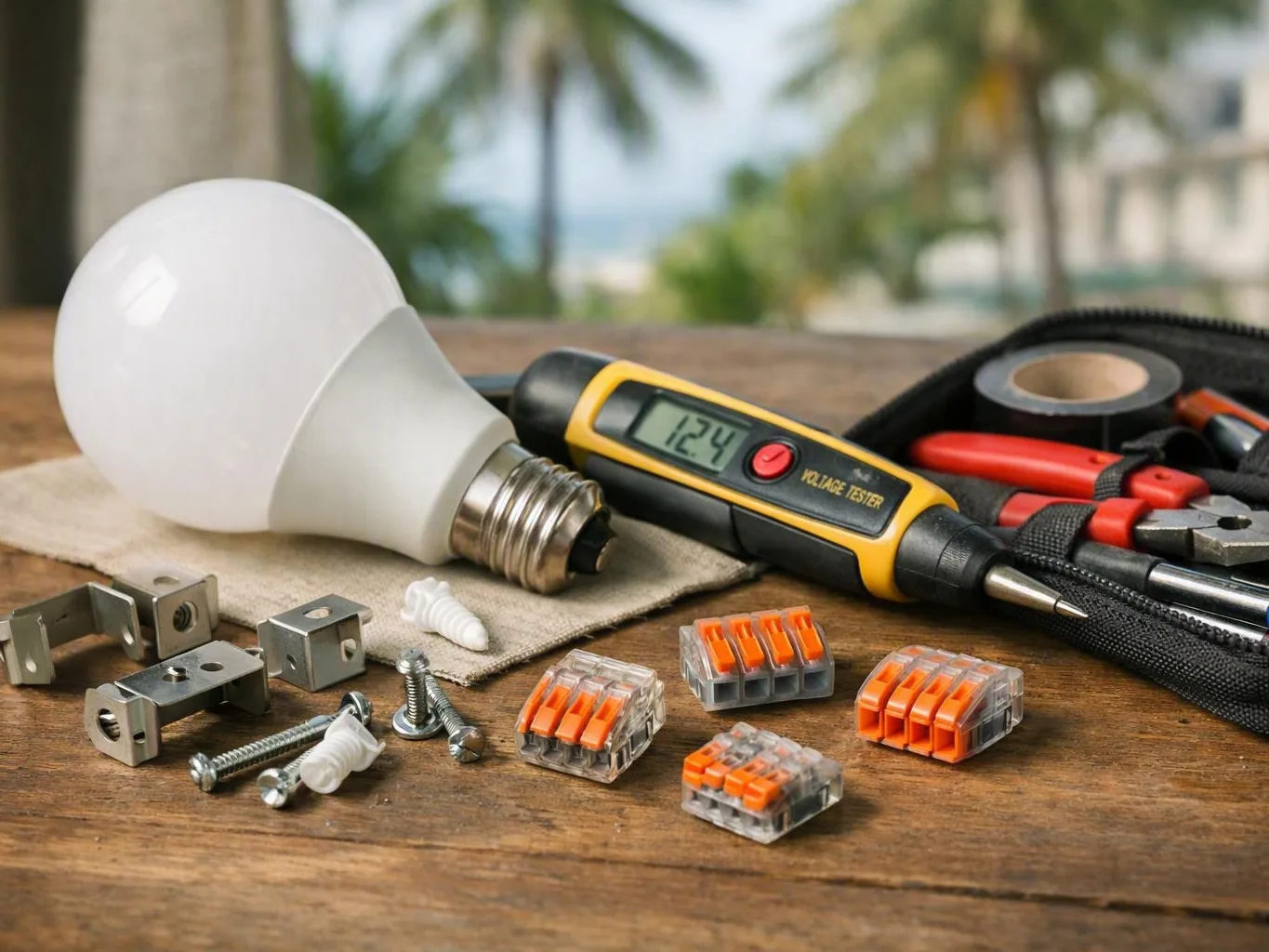
The main disconnect gives building occupants and emergency personnel a central way to isolate electrical power. This action can reduce contact with energized building wiring during a fire, flood, equipment failure, or severe electrical fault. It also helps electricians work on downstream equipment. They must apply required lockout tagout procedures and verify the absence of voltage.
A failed, overloaded, corroded, or poorly labeled disconnect creates practical safety problems. Water intrusion can damage an enclosure. Heat discoloration can indicate a loose connection or excessive current. A disconnect that won't operate, trips repeatedly, feels hot, or shows arcing requires prompt evaluation. Continued operation can damage conductors and service equipment.
When Main Disconnect Matters Most?
The term becomes especially important during a service upgrade, panel replacement, emergency shutoff, generator installation, or storm-related inspection. Older properties may have a separate disconnect outside the main panel. Newer installations may place the main breaker within service equipment. A building owner should know the location. The owner should label it clearly and keep the access area free of stored items.
Special care is needed when a property has solar panels, a transfer switch, a standby generator, or battery storage. Turning off the utility disconnect may not stop every source of electricity. Alternate equipment can backfeed selected circuits. A qualified electrician must identify each source. The electrician must follow the equipment manufacturer’s shutdown sequence before service work begins.
How to Evaluate Main Disconnect?
- Check the disconnect ampere and voltage ratings against the service equipment and documented load calculation.
- Confirm that the handle operates fully and does not feel loose, hot, or mechanically stuck.
- Look for rust, water entry, burn marks, melted insulation, or signs of arcing around the enclosure.
- Verify that labels identify the correct disconnect and that required working clearance remains open.
- Ask whether solar, generator, battery, or other alternate power sources can energize the system.
Related Concepts Compared
Main Disconnect vs. Main Circuit Breaker
A main circuit breaker is one type of main disconnect. It can open the service conductors and may also provide overcurrent protection.
Main Disconnect vs. Branch Circuit Breaker
A branch circuit breaker controls one smaller circuit, such as bedroom receptacles or an air conditioner. A main disconnect controls the building service or a major distribution section.
Main Disconnect vs. Emergency Shutoff
An emergency shutoff is a general term for a device intended to stop equipment or power quickly during an emergency. A main disconnect is specifically tied to the building’s electrical service or main distribution.
Main Disconnect vs. Service Entrance
The service entrance includes the conductors and equipment that bring utility power into a building. The main disconnect is one device within that service arrangement.
Expert Note
A main disconnect may turn off downstream circuits while leaving line-side terminals energized. Treat the service equipment as live until a qualified person identifies every source, tests for voltage, and follows the required safety procedure.
Common Mistakes or Myths About Main Disconnect
- Assuming the main disconnect removes power from every terminal inside the service equipment.
- Confusing a branch circuit breaker with the building’s main disconnect.
- Blocking the disconnect with storage, appliances, or outdoor equipment.
- Ignoring heat, corrosion, water damage, or repeated tripping at the disconnect.
- Forgetting that generators, solar arrays, and batteries may create additional power sources.
Main Disconnect in Practice: A Real-World Example
A two-story home has a 200-amp main breaker in an exterior meter-main enclosure. During panel replacement, the electrician secures the disconnect. The electrician checks the inside panel has no power and checks for generator or solar sources.
Sources & Further Reading on Main Disconnect
- Occupational Safety and Health Administration, The Control of Hazardous Energy, Lockout/Tagout
- Florida Building Commission, Florida Building Code Online
- National Fire Protection Association, National Electrical Code
Related Terms
Service Entrance
Service Entrance is the point where utility power enters a building and connects to the building’s…
Overcurrent Protection
Overcurrent Protection is a safety system that limits current when electricity exceeds a circuit’s rated capacity…
Working Clearance
Working Clearance is the unobstructed space around electrical equipment that allows qualified people to inspect, operate…
Lockout Tagout
Lockout Tagout is a safety process that prevents the unexpected start-up or release of hazardous energy…
Earth Electric Florida
Have Questions About Main Disconnect?
Contact Earth Electric Florida for practical guidance on Main Disconnect and related emergency electrician work in Miami.