Generator Interlock Kits vs Transfer Switches: Which Backup Setup Fits?
A generator interlock kit connects a portable generator to your home panel. A transfer switch sends power through a separate switch. Both stop generator backfeeding when installed the right way. An interlock often costs less and powers chosen circuits. A transfer switch may offer clearer control or automatic power. Your choice depends on the generator, panel, fuel, and power needs. It also depends on manual or automatic use.
Get a Free Estimate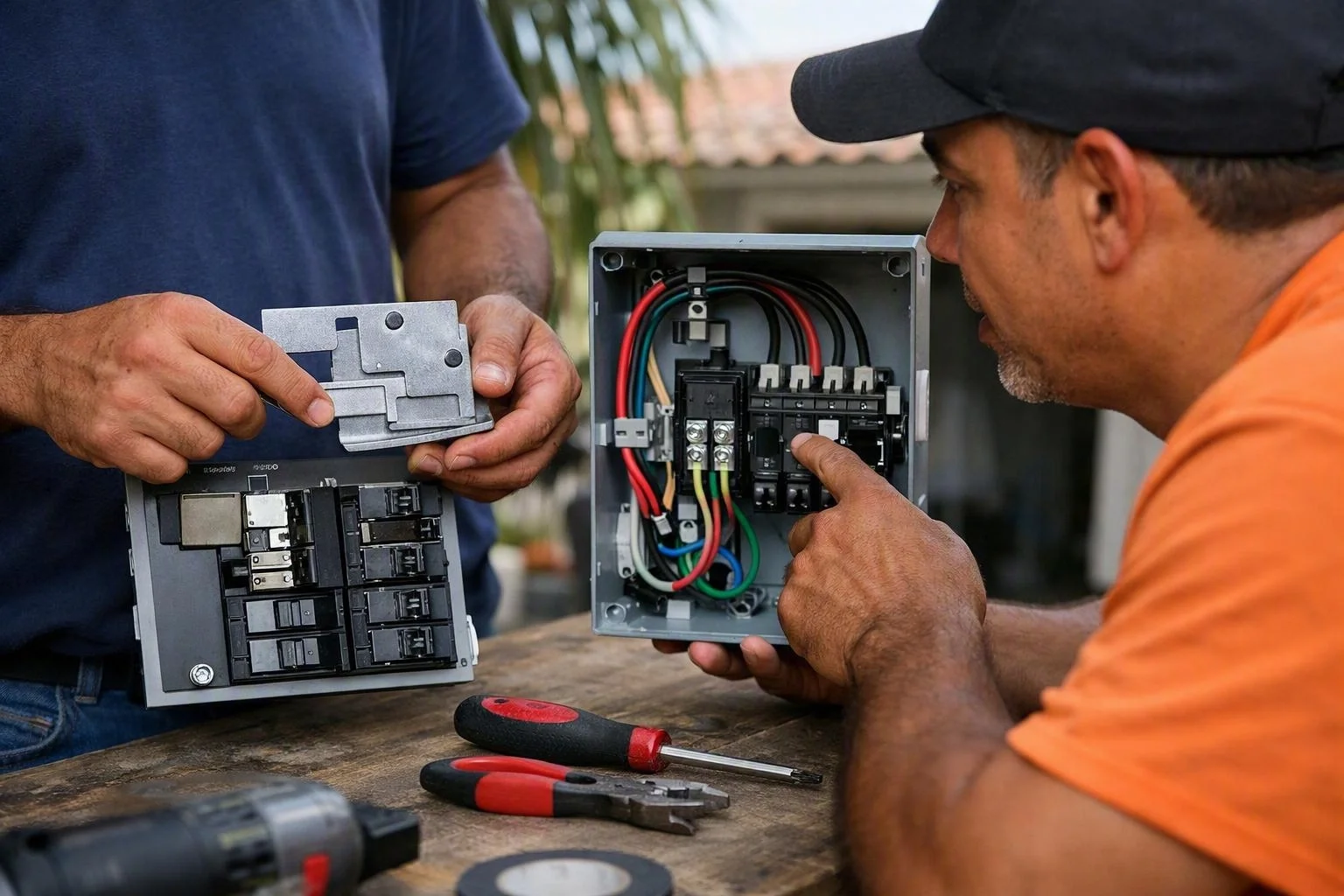
Earth Electric Florida helps homeowners plan safe generator connections. We check the panel, generator, and home power needs first.
What Is the Difference Between a Generator Interlock and Transfer Switch?
A generator interlock kit is a panel device. It stops the main breaker and generator breaker from running together. A transfer switch is separate equipment. It sends power to chosen circuits or the whole home. The panel, generator, and power needs help decide which option fits.
An interlock fits a certain electrical panel. It controls the main breaker and generator breaker. You must turn off the main breaker before turning on the generator breaker. This setup often connects a portable generator to selected circuits.
A manual transfer switch is a separate box or panel part. It can power key circuits, such as lights, a fridge, or a pump. Someone must move the switch during an outage. That person must move it back after utility power returns.
An automatic transfer switch works on its own. It senses a utility outage and changes the power source. It usually works with a fixed standby generator. That system also needs fuel, controls, and regular care.
Panel fit matters a lot. An electrician checks the panel brand, size, breakers, wires, and neutral setup. The neutral is a current path in the panel. A new panel may be needed when no listed interlock fits.
Our team can also help with Generator Repair or Generator Transfer Switch Installation. An Emergency Electrician can first make an unsafe system safe during an outage.
How an Interlock Kit Connects a Portable Generator?
A portable generator connects to a weather-safe generator inlet. It shouldn't connect to a home wall outlet. A strong generator cord runs from the generator to the inlet. Wires from the inlet connect to a breaker in the panel.
The interlock plate controls the main and generator breakers. The generator breaker stays off during normal utility power. During an outage, turn off the main breaker first. Start the generator outside. Then connect the cord and turn on the generator breaker.
Use only circuits the generator can support. A load check helps prevent an overload. It looks at fridges, pumps, lights, and other key loads. Place the inlet where it's easy to reach and safe from rain. Keep it away from doors, windows, and exhaust.
Most home interlock jobs need one inlet and one generator breaker. The exact parts depend on the panel and generator. Wire size, grounding, labels, and local checks still matter.
Interlock Kit vs Transfer Switch: Which Features Matter Most?
Key points include generator type, circuit coverage, and how the system works. Panel design and load control also matter. An interlock often works with a portable generator. It powers selected panel circuits. A transfer switch may control chosen circuits or the whole home.
These parts aren't the same. Each one serves a different backup power plan. Your best choice depends on your home and outage needs.
| Feature | Interlock kit | Transfer switch |
|---|---|---|
| Typical generator | Portable generator | Portable or standby generator, based on the switch |
| Operation | Manual breaker steps | Manual or automatic transfer |
| Circuit selection | Selected panel circuits | Dedicated circuits or whole-house service |
| Load management | Homeowner and panel breakers manage loads | May use controls or automatic load management |
| Installation compatibility | Needs a matching panel and listed kit | Needs proper service gear, wiring, and generator controls |
A manual transfer switch helps when you want labeled key circuits. An automatic switch helps when no one may be home during an outage.
Planning may take one or more visits. The electrician may need to check loads, the panel, and the inlet. An inspection may also be needed. The time depends on access and any panel work.
Do You Need a Transfer Switch for a Portable Generator?
A portable generator needs a safe transfer method for home circuits. This can be a matching interlock and generator inlet. It can also be a manual transfer switch. Never connect the generator to a wall outlet. An electrician must check the panel, wires, grounding, and neutral setup.
A portable unit can power tools or appliances through its own outlets. Use cords with the right rating. Keep the generator outside. Protect cords from water and damage. This setup differs from powering circuits built into the home.
Wall outlet backfeeding is dangerous. It can send power through house wires in the wrong direction. It can damage equipment and bypass safety devices. It can also shock utility workers. A listed inlet and switch provide a safer path.
The generator neutral and ground must match the panel and switch. Some portable generators have bonded neutrals. Others use a different setup. A wrong connection can put current on ground wires. It can also trip safety devices.
Our Generator Transfer Switch Installation process starts with your generator, panel, and key loads. Safe work also needs proper wire size, breaker size, labels, grounding, and weather protection.
Can a Generator Power a Whole House?
A generator can power a whole house when its output meets the home's needs. The connection and service must also support that load. Portable generators usually power selected circuits. A properly sized standby generator may power the whole home. Large loads may still need load control.
Whole-house power doesn't mean every appliance can run at once. An electrician checks the home's total load. The check includes motor startup power. It also includes air conditioners, water heaters, pumps, and electric heat.
Portable generators often have small fuel tanks. They need refueling and manual startup. They must stay outside during use. They often work well for fridges, lights, internet, phones, pumps, and key outlets.
A standby generator stays in place. It usually connects through an automatic transfer switch. The right size and fuel supply can support more loads. The final result still depends on home demand.
Families should rank their key circuits first. One family may need air conditioning. Another may need a fridge, medical device, lights, or water pump.
How Do You Prevent Generator Backfeeding?
A proper interlock or transfer switch stops generator backfeeding. It separates the home from utility power first. Never connect a generator through a wall outlet. Use a listed inlet and the right wires. Follow the system steps. Have a qualified electrician check the work.
The main safety rule is simple. Utility power and generator power must stay apart. Clear labels can help people use the system correctly. Practice the steps before an outage.
What Generator Connection Should You Choose for an Outage?
Choose an interlock for a matching panel, portable generator, and manual use. Choose a transfer switch for dedicated circuits, automatic use, or a standby generator. The final choice should follow a load check and panel review.
An interlock may suit someone who can start and watch a portable generator. That person must check fuel and manage the circuits. The setup can provide useful backup power. It still needs a matching panel and careful use.
A manual transfer switch may work best for a short list of key circuits. Clear labels can reduce confusion. Those circuits may include a fridge, pump, lights, or medical equipment.
An automatic transfer switch often fits automatic backup power. It works with a standby generator. The generator starts, runs, and stops through its controls. Fuel, service access, exhaust space, and testing all matter.
Ask an electrician to check breaker size, generator size, inlet location, wire size, neutral setup, and service rating. If the panel can't support the equipment, panel repair or electrical panel replacement may be needed.
We can compare a panel interlock kit, manual transfer switch, and automatic transfer switch. We base the choice on your home's needs.
Why Homeowners Compare These Backup Power Options?
Homeowners compare these options because outages can stop key home systems. Those systems include fridges, air conditioning, phones, water pumps, and lights. A safe connection sends generator power to the right circuits. It also helps prevent unsafe work during an outage.
Every home has different needs. A home with a basement pump may rank that circuit first. Another home may focus on food, lights, or phone service. Air conditioning can also change the generator size and switch choice.
Common Installation Challenges and Features to Evaluate
Common problems include a poor panel match, too little breaker space, and the wrong generator size. Other issues include neutral and ground conflicts, hard inlet placement, and overloaded circuits. Look for listed equipment, a weather-safe inlet, clear labels, easy controls, and proper wire size.
Our team checks panel fit before suggesting a connection. We review the service rating, breaker space, bus layout, and breaker type. We also check where the generator breaker or switch can go. Panel repair may be needed first.
Other issues include long wire runs and little outdoor wall space. Wet areas and blocked paths can also cause problems. Keep the generator outside. Point exhaust away from doors and windows. Leave room for oil service and safe use.
Before an outage, test the steps and inspect the cord and inlet. Check fuel and confirm which circuits can run together. A written plan helps when more than one person may use the system.
Questions About Emergency Electrician
What Is the Difference Between a Generator Interlock and Transfer Switch?
A generator interlock is a device fitted to a matching electrical panel. It stops the main and generator breakers from running together. A transfer switch is separate equipment. It sends power to selected circuits or the whole home. Manual switches need user action. Automatic switches can work with standby generators.
Do I Need a Transfer Switch for a Portable Generator?
Not always. A portable generator may use a matching interlock and generator inlet. It may also use a manual transfer switch. Never connect it through a wall outlet. A qualified electrician should check the panel, breakers, grounding, neutral, wires, and inspection needs.
Can a Generator Power a Whole House?
It can when the generator, transfer equipment, service, and load check support the home's needs. Portable units usually power key circuits. A properly sized standby generator can power the whole home. Air conditioners, water heaters, and pumps may still need load control.
How Do I Prevent Generator Backfeeding?
Use a proper interlock or transfer switch with a listed inlet and correctly sized wires. Separate utility power before connecting generator power. Follow the equipment steps. Never use a wall outlet or unsafe cord. Have a qualified electrician check the setup.
What Generator Connection Should I Choose for an Outage?
Choose an interlock for a matching panel, portable generator, key circuits, and manual use. Choose a manual transfer switch for clear circuit control. Choose an automatic transfer switch for a standby generator and automatic power. The choice should follow a load check and panel review.
Our team can review your generator, panel, key circuits, and outage plan. We can help make the connection safe and useful for your home.
Discuss your backup power setupRelated Resources
Burning Smell From Outlets or Wiring in Miami, FL: When to Call an Emergency Electrician
burning smell from electrical outlet when to call electrician
When You Need ItFlickering and Dimming Lights: Signs of a Dangerous Electrical Problem in Miami, FL
flickering lights when to call an electrician miami
When You Need ItPartial Power Outage in Miami, FL: How to Know When You Need an Emergency Electrician
partial power outage in house when to call electrician
When You Need ItSigns Storm or Water Damage Has Created an Electrical Hazard
signs of water damage to electrical wiring when to call electrician