
Review the property and detector location
We discuss the property type, rooms served, access needs, and reason for the installation. This helps us set a suitable work scope.
We install carbon monoxide detectors for Miami homes, businesses, and property managers. Our electricians check the device location, power source, and nearby wiring before testing the finished installation.
A correctly placed detector gives occupants a clear alarm point for carbon monoxide concerns.
Testing the power source helps identify a dead or unreliable safety device.
A documented installation scope helps property managers plan access and related electrical work.
Free estimates help you review the work before choosing the installation scope.
Carbon monoxide detector installation is an electrical service that places, connects, and tests a device that warns about carbon monoxide.
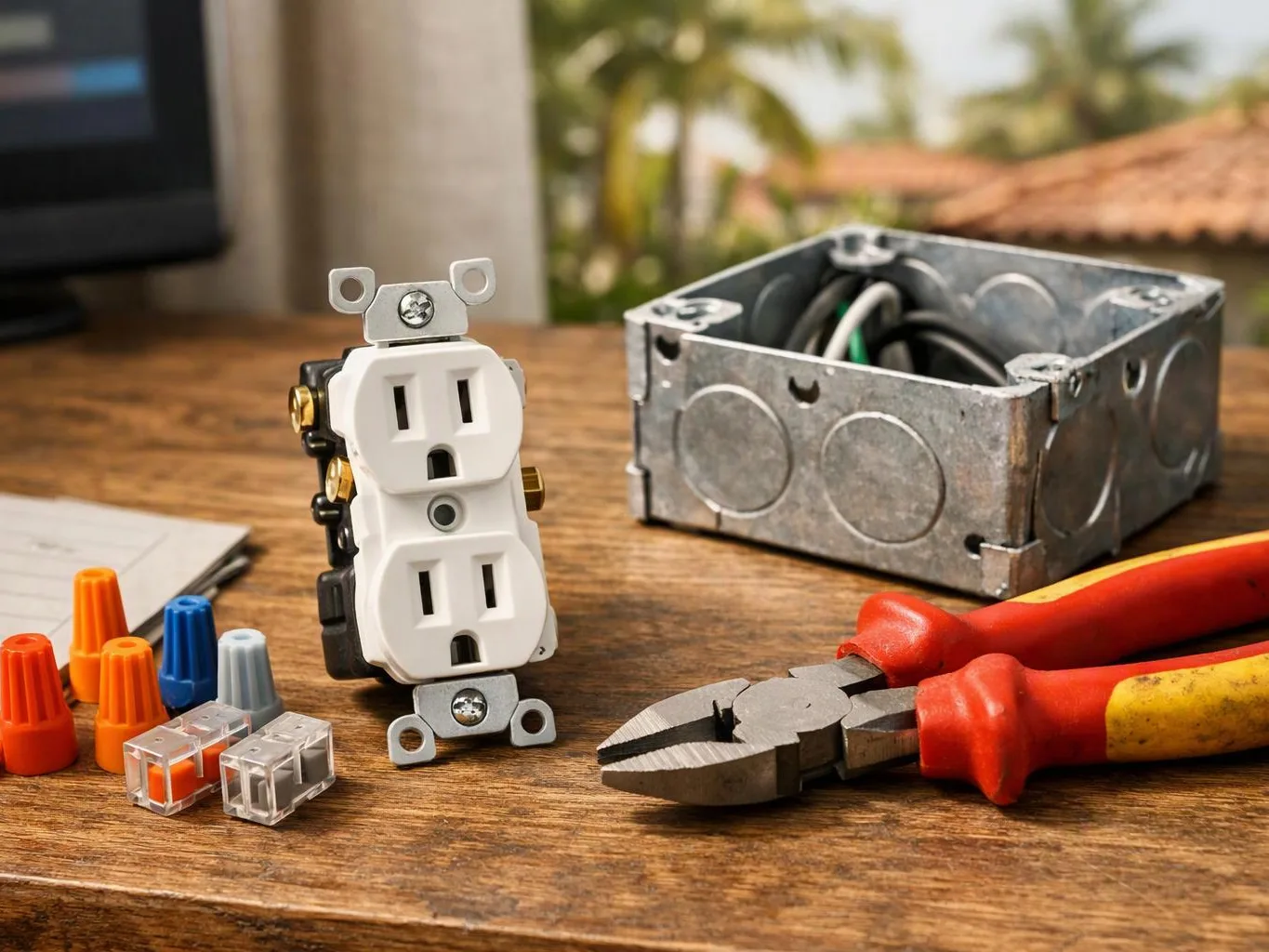
We start by reviewing where the detector needs to serve the property. Placement depends on the rooms, access, power source, and the type of detector being installed. A property manager may also need access arranged for tenants or staff. Our electricians inspect nearby wiring, outlets, and safety devices before making the connection. We diagnose electrical issues before recommending related work, so a detector request does not become an unplanned panel or wiring project without a clear reason. The scope may include mounting, wiring, power checks, alarm testing, and basic operating guidance. It does not replace a full electrical inspection unless you request that service. If the detector alerts, leave the area and address the safety concern before routine installation work continues.
We discuss the property type, rooms served, access needs, and reason for the installation. This helps us set a suitable work scope.
We check the planned connection, nearby outlets, wiring, and safety devices. Any electrical issue gets diagnosed before related work is recommended.
We install the device in the agreed location and connect it to the available power setup when the system supports that work.
We test the finished detector, check its connection, and explain the controls, test function, and basic care.
A few details help us size the work and plan safe access.
We diagnose the detector location, power source, and related electrical issue before recommending installation work.
We explain detector placement, connection choices, testing steps, and any separate electrical work in clear terms.
We inspect wiring, outlets, breakers, panels, and safety devices when they affect the detector installation.
Tell us about the property and detector locations, and urgent requests get priority scheduling.
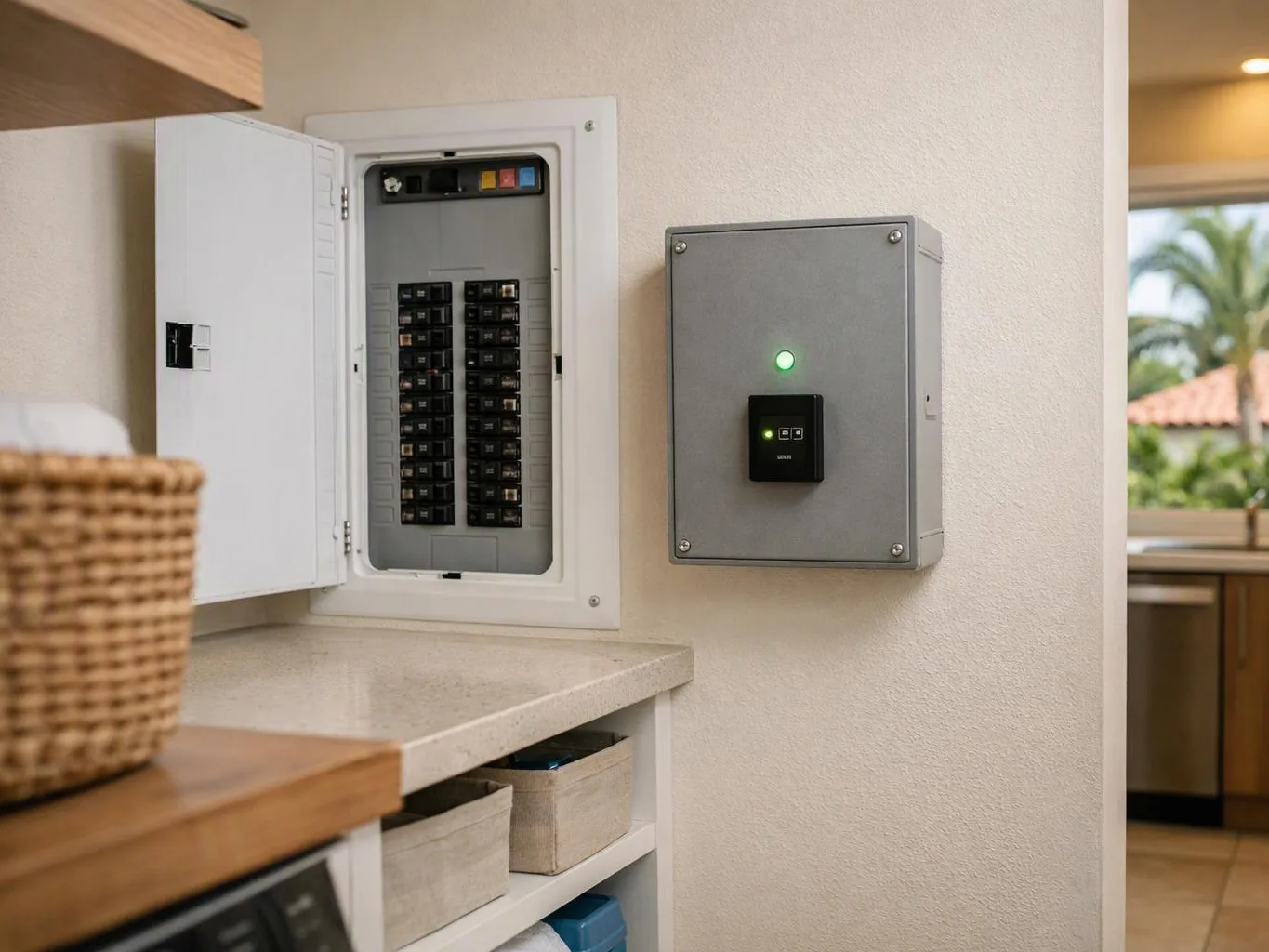
A chirping detector may have a weak battery, a failed unit, or a power connection problem. The sound does not identify the cause by itself, so the device and nearby wiring need inspection. We can test the safety device, check its power source, and explain whether replacement or electrical work fits the property.
A property manager may need detectors installed across occupied units or shared areas. Access, tenant notice, and the location of each device affect the work plan. We can review the requested areas, inspect the available connections, and provide a clear estimate for the installation scope before scheduling access.
A business may request a detector after a renovation, equipment change, or safety review. The work needs to account for occupied rooms, staff access, and nearby electrical connections. We can inspect the planned areas, identify the installation points, and explain any separate wiring issue before work begins.