How are carbon monoxide detectors tested?
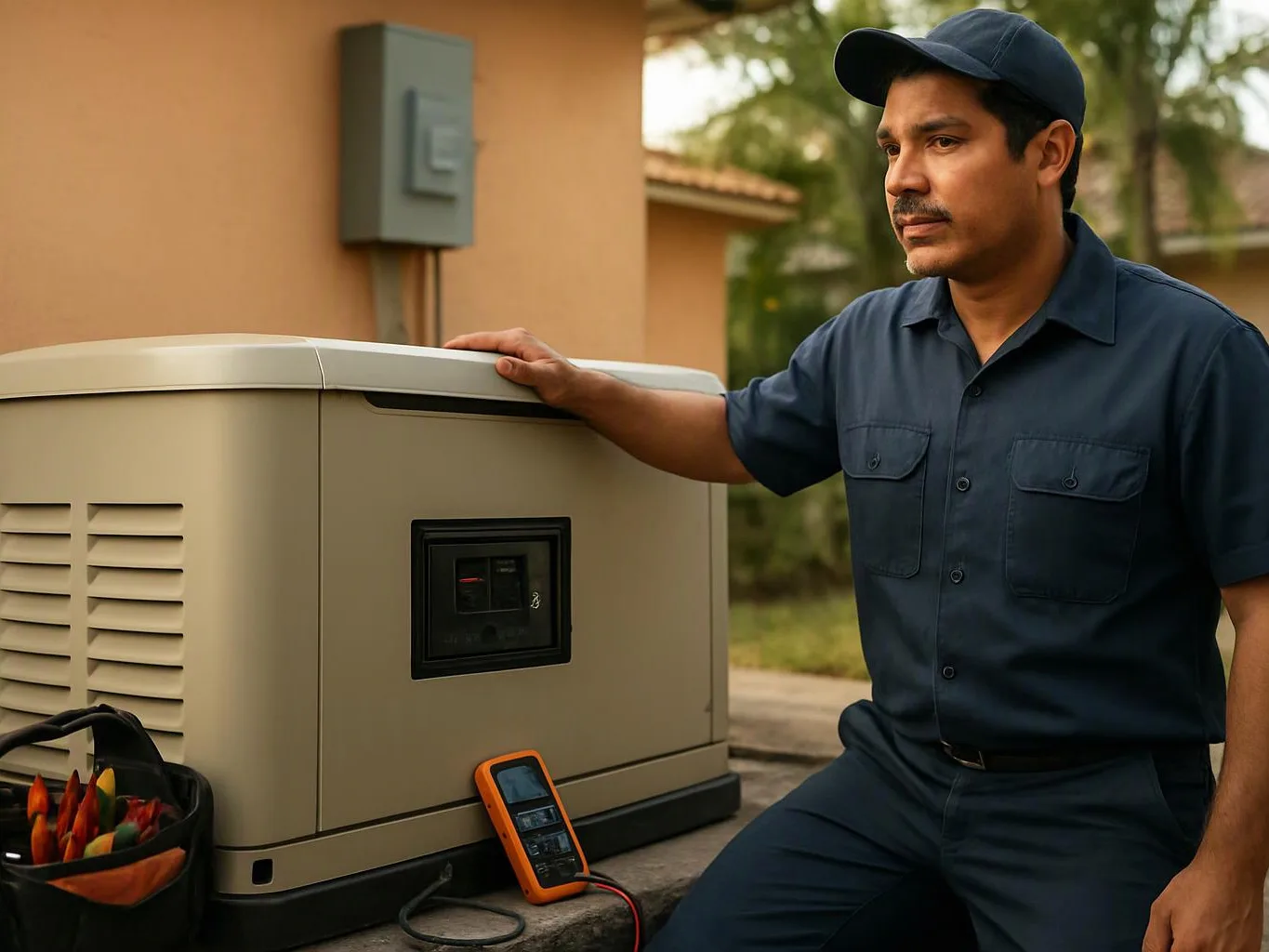
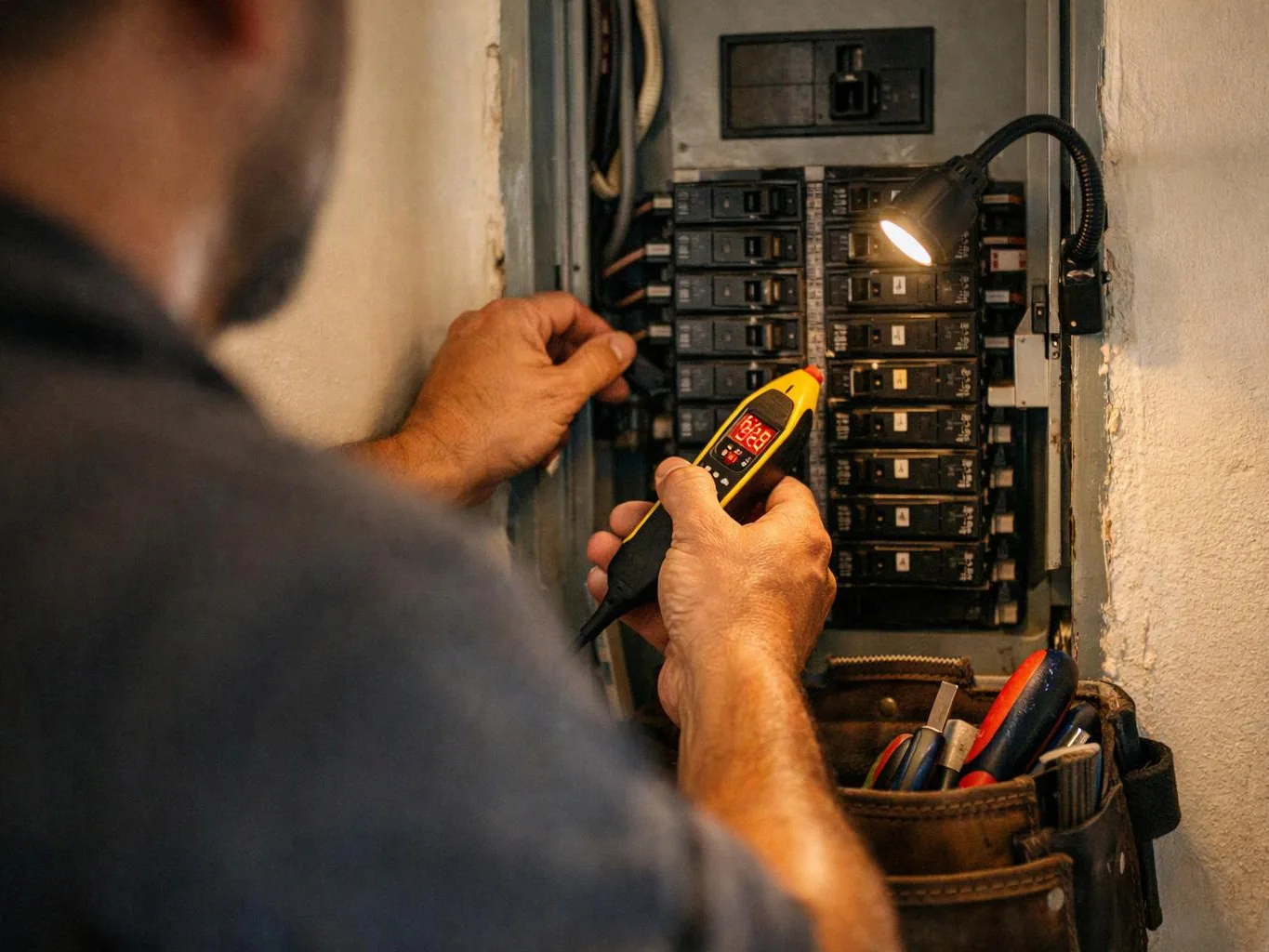
Sensor calibration is checked through the unit’s test controls, power source, and alarm response. Earth Electric also inspects the battery, wiring, mounting, and sound output. A test button confirms the warning signal, but it does not replace attention to a real alarm. Leave the property and call emergency services if an alarm sounds continuously or anyone feels ill.
Which part of the property decides the installation scope?
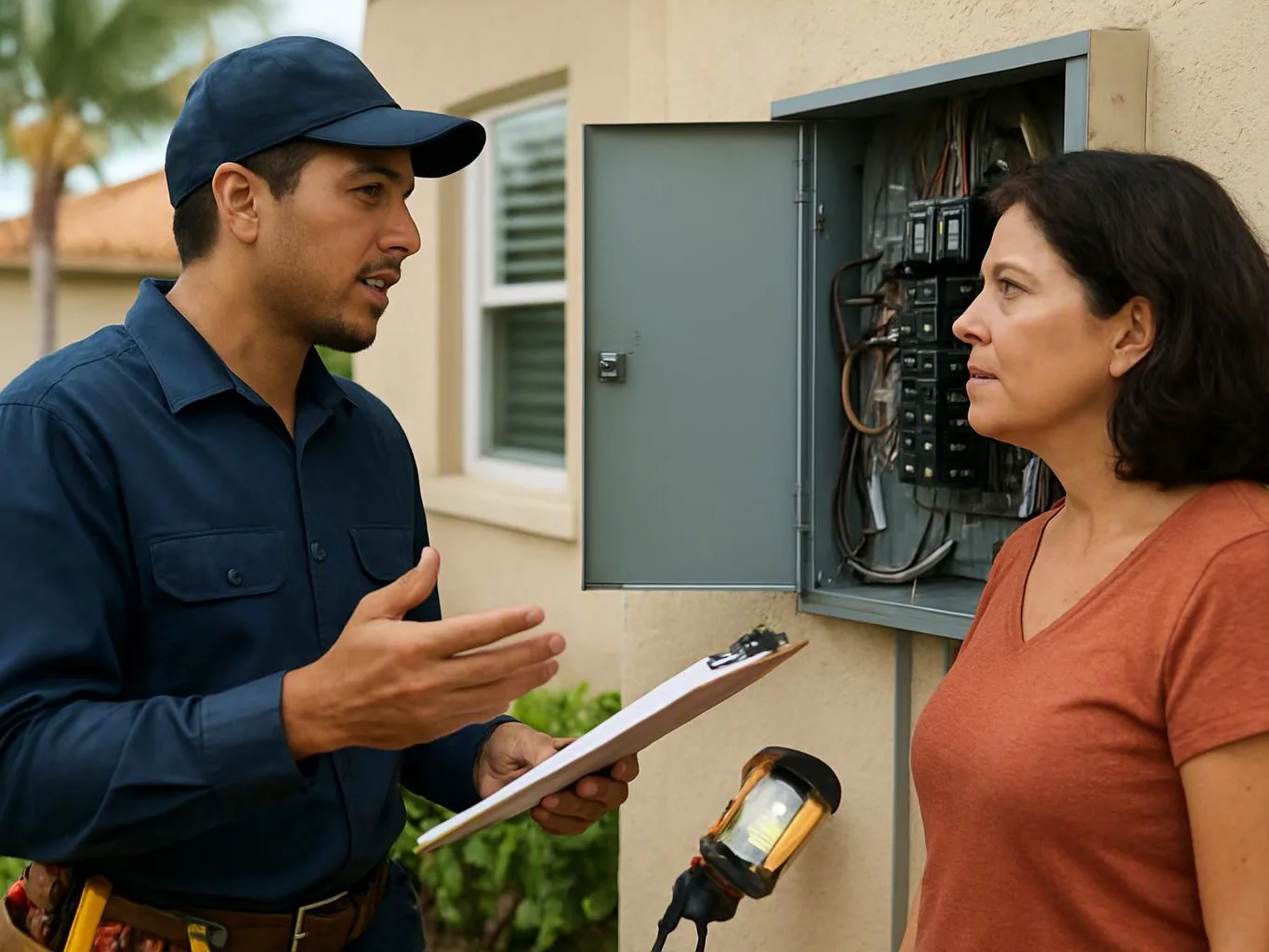
The detector location, mounting surface, access, and power source decide the installation scope. Battery units need secure mounting and a battery check. Wired units require access to the connection and circuit. We inspect those conditions before giving an estimate, and separate electrical repairs are explained when the existing supply has a fault.
What material changes how long detector installation takes?
The mounting surface and wall material can change the installation work. Drywall, masonry, and finished surfaces require different fasteners and access methods. Existing wiring also affects the work when a detector connects to the circuit. We inspect the surface and connection first, then set the scope around the actual property conditions.
When should I replace a detector instead of testing it?
A detector needs replacement when it fails testing, has damage, or cannot hold reliable power. We test the unit before recommending replacement when the condition allows it. Battery failure, wiring faults, and sensor faults need different solutions, so our inspection separates the detector problem from the electrical supply.
Why does a detector beep without a full alarm?
A single periodic beep often points to a low battery, fault notice, or end-of-service warning. We check the battery, display, alarm pattern, and wiring to identify the cause. Do not treat a repeating warning as proof that the detector works correctly. Request an inspection when the sound continues after a battery check.
What does the installation visit cover for a property manager?
A property manager receives detector installation, power checks, alarm testing, and an explanation of any separate electrical issue. We inspect accessible units and note which detectors need replacement or further work. The visit can cover residential or commercial properties, including occupied spaces where access must be arranged in advance.
How does a detector visit move from the first call to the last step?
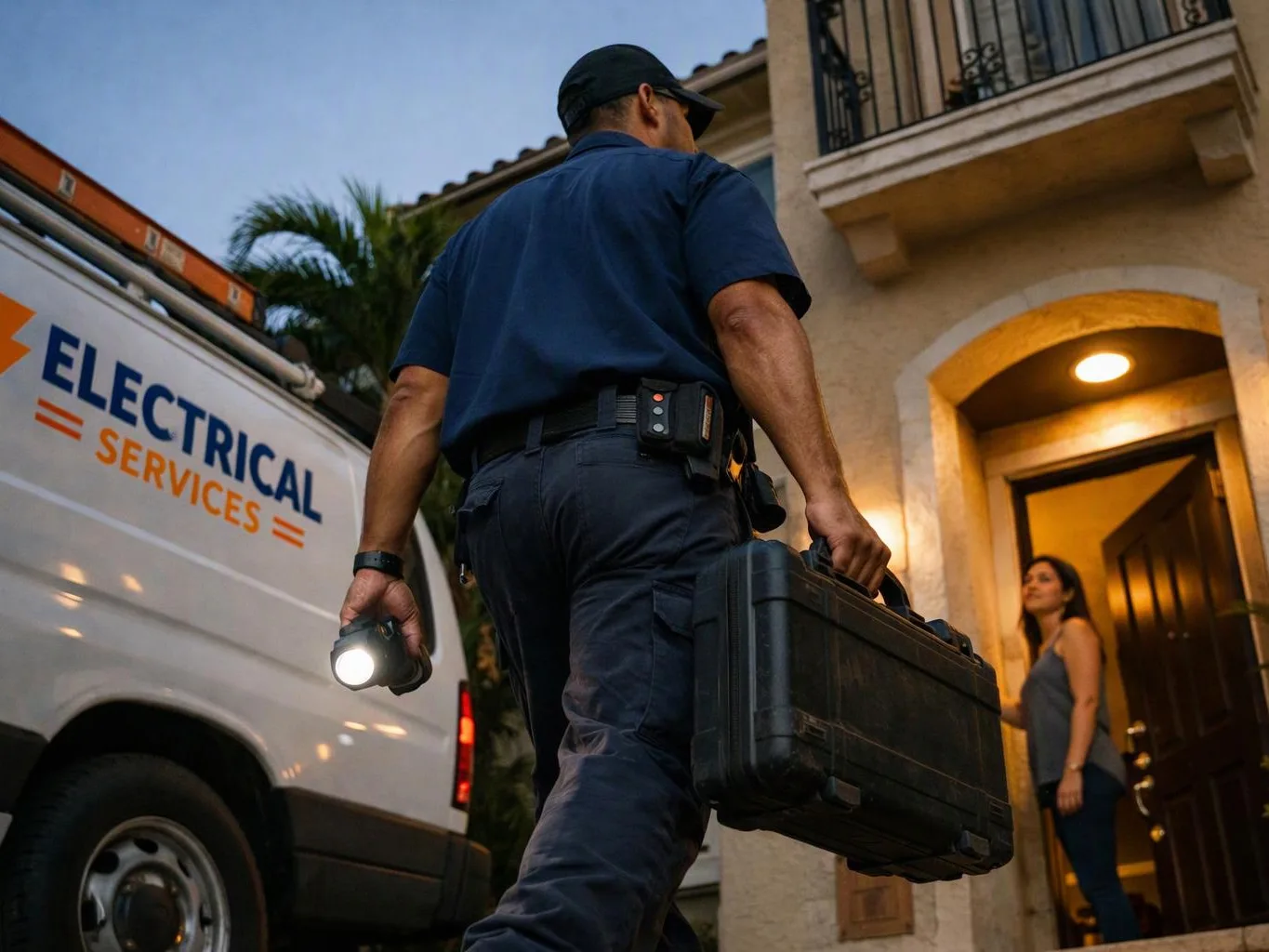
The visit starts with a scope discussion and ends with testing and an explanation of the detector status. We review the property, inspect the unit location, check power, install or replace the detector, and verify the alarm. We then explain any remaining electrical concern and provide an estimate when more work is needed.