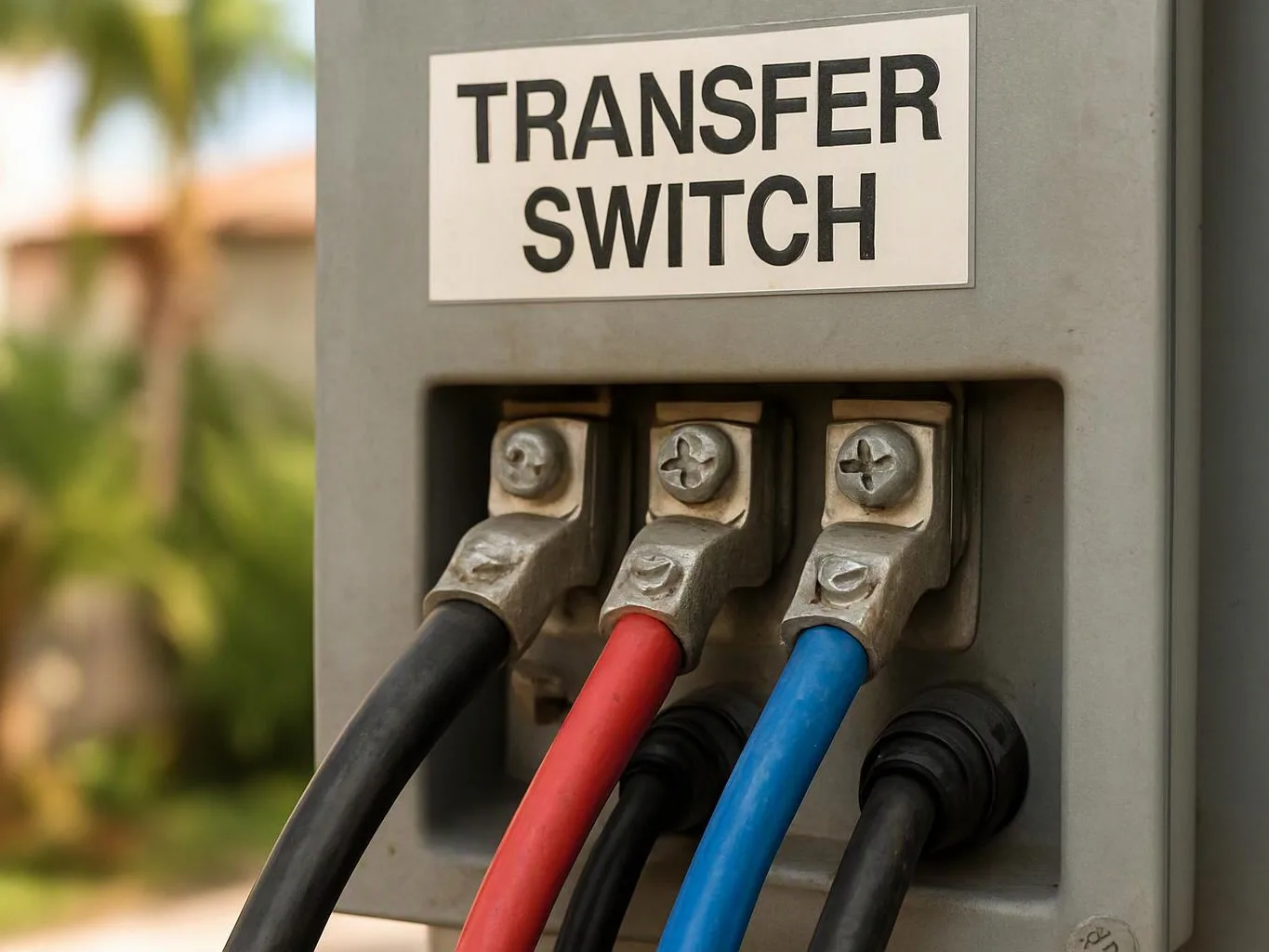

Review the property and electrical demand
We inspect the main panel, service entrance, breakers, wiring, grounding, and desired backup circuits. This creates the starting record for the installation.
We install generators for homes, businesses, and property managers. Our electricians plan the connection, check the electrical load, and explain the work before installation begins.
Backup circuits have a planned electrical path instead of an improvised connection.
The generator setup reflects the property's selected loads and panel layout.
Testing shows whether the transfer equipment and connected circuits operate as planned.
Property managers receive a clear scope for access, wiring, and electrical checks.
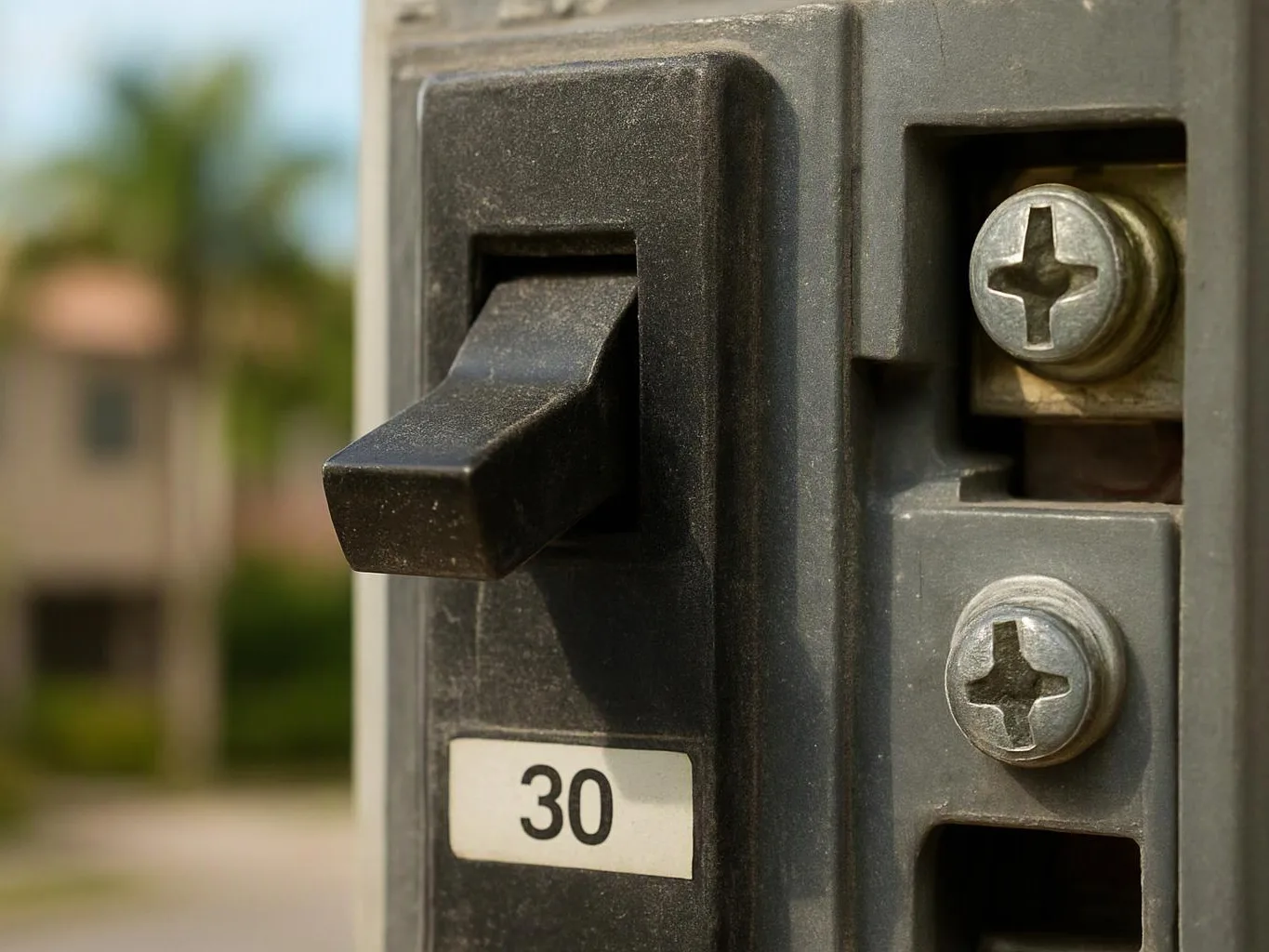
Generator installation starts with the property and its electrical demand. We review the main panel, selected circuits, available space, generator connection, and transfer equipment before recommending the work. A load calculation helps match the generator to the circuits you want supported. We also consider wiring paths, grounding, breaker placement, and access for inspection and service. The final plan should show what the generator powers and how the system changes between utility power and backup power. The work can involve generator placement, circuit connections, a transfer switch, panel changes, and testing. We explain the service options and expected work clearly, so you know what the estimate covers. Our electricians diagnose electrical issues before recommending appropriate work. That matters when a property already has tripped breakers, dead outlets, or an unclear panel layout.
Generator Installation is an electrical service that connects backup power equipment to a property and its selected circuits.
These details help us plan the electrical work around your property and backup power needs.
We inspect the main panel, service entrance, breakers, wiring, grounding, and desired backup circuits. This creates the starting record for the installation.
We compare the selected circuits with the generator's intended use. The plan identifies transfer equipment, wiring routes, breaker needs, and access points.
We install the planned wiring and connection equipment, then secure the electrical path between the generator and the property panel.
We test the transfer equipment, connected breakers, grounding, and selected circuits. We also check that labels match the installed setup.
We review the generator connection, supported circuits, safety points, and service information with the property owner or manager.
We diagnose the property’s panel, load, wiring, and generator connection before recommending installation work.
We explain the generator connection, supported circuits, transfer equipment, testing, and expected work before installation begins.
We inspect panels, breakers, wiring, grounding, transfer equipment, and safety devices for hazards during generator installation.
Request a free estimate for your generator installation, and urgent requests get priority scheduling.
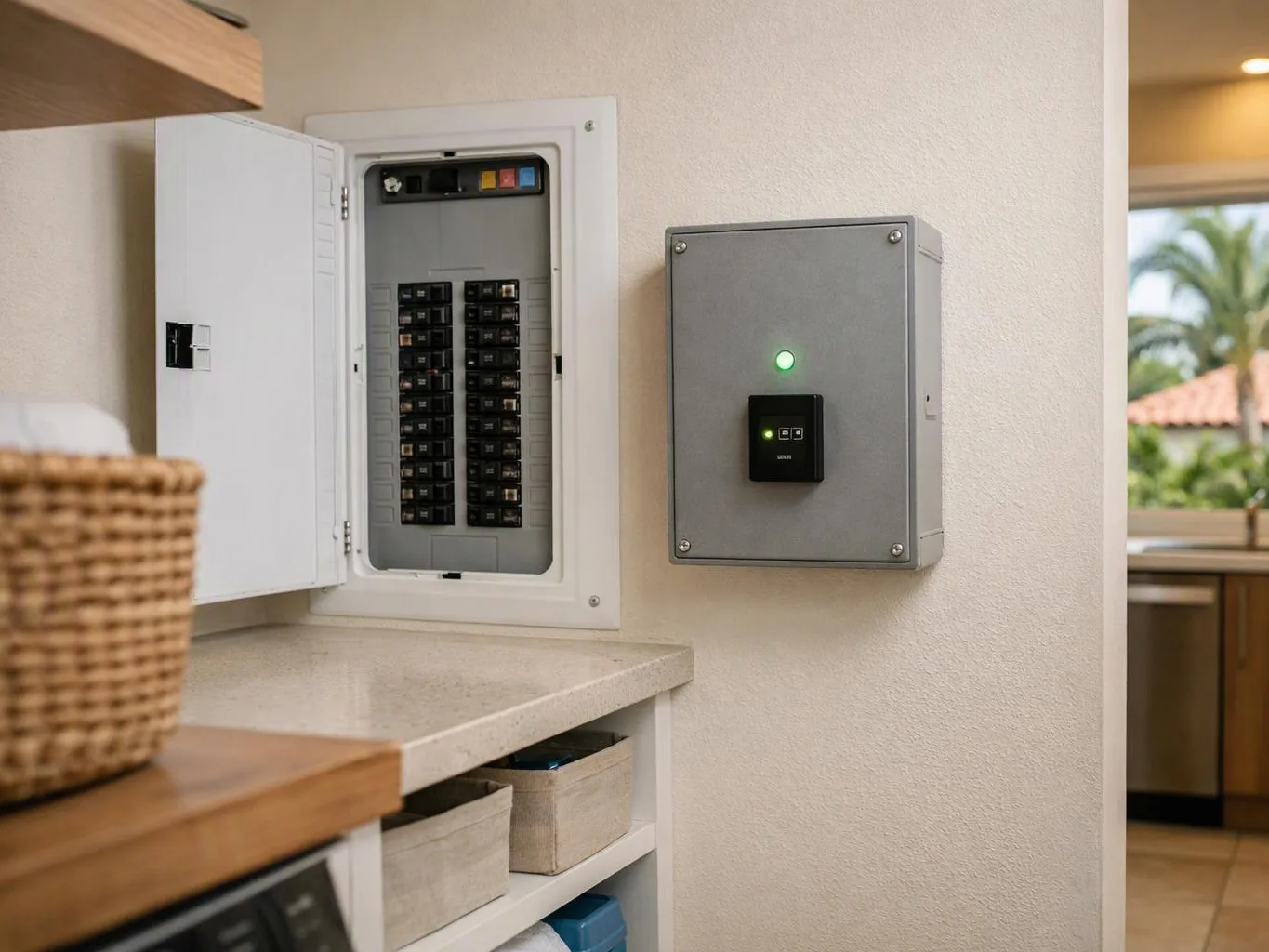
A homeowner wants selected lights, refrigeration, and essential circuits supported during an outage. The main decision is whether the existing panel and wiring suit the planned generator connection. We inspect the load, panel, breakers, and transfer equipment before preparing an estimate. The homeowner should list the circuits that matter most before the site review.
A business needs backup power for key equipment and wants the work planned around staff and customer access. Circuit selection, panel capacity, wiring paths, and testing all affect the installation. We review the electrical layout and explain the hand-offs before work begins. A property manager can then coordinate access for the electrical areas and generator location.
A property already has generator equipment, but the connection is unclear or selected circuits do not receive power. The issue may involve transfer equipment, breaker layout, wiring, or circuit labels. We troubleshoot the system before recommending repairs or changes. Photos of the generator, panel, and transfer switch can help us understand the starting point.