How are carbon monoxide detectors tested?
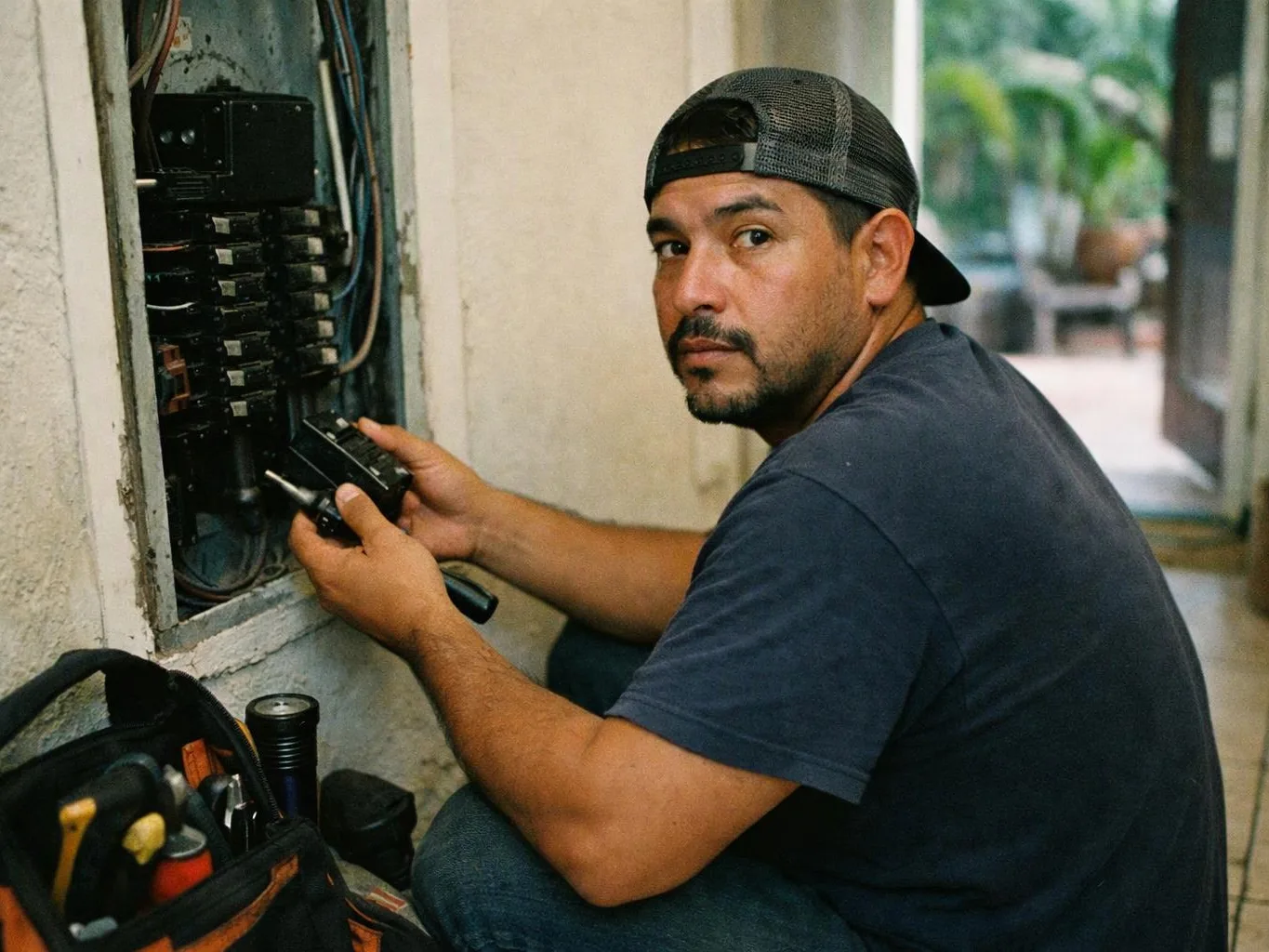
Alarm verification starts with the test button, followed by battery, power, sound, and sensor checks. Earth Electric installs and tests detectors for homes, businesses, and property managers. The button confirms that the alarm can sound, but it does not prove the sensor is accurate. We explain any warning signs and identify when the device needs replacement or separate diagnosis.
What does the crew look at first during detector installation?
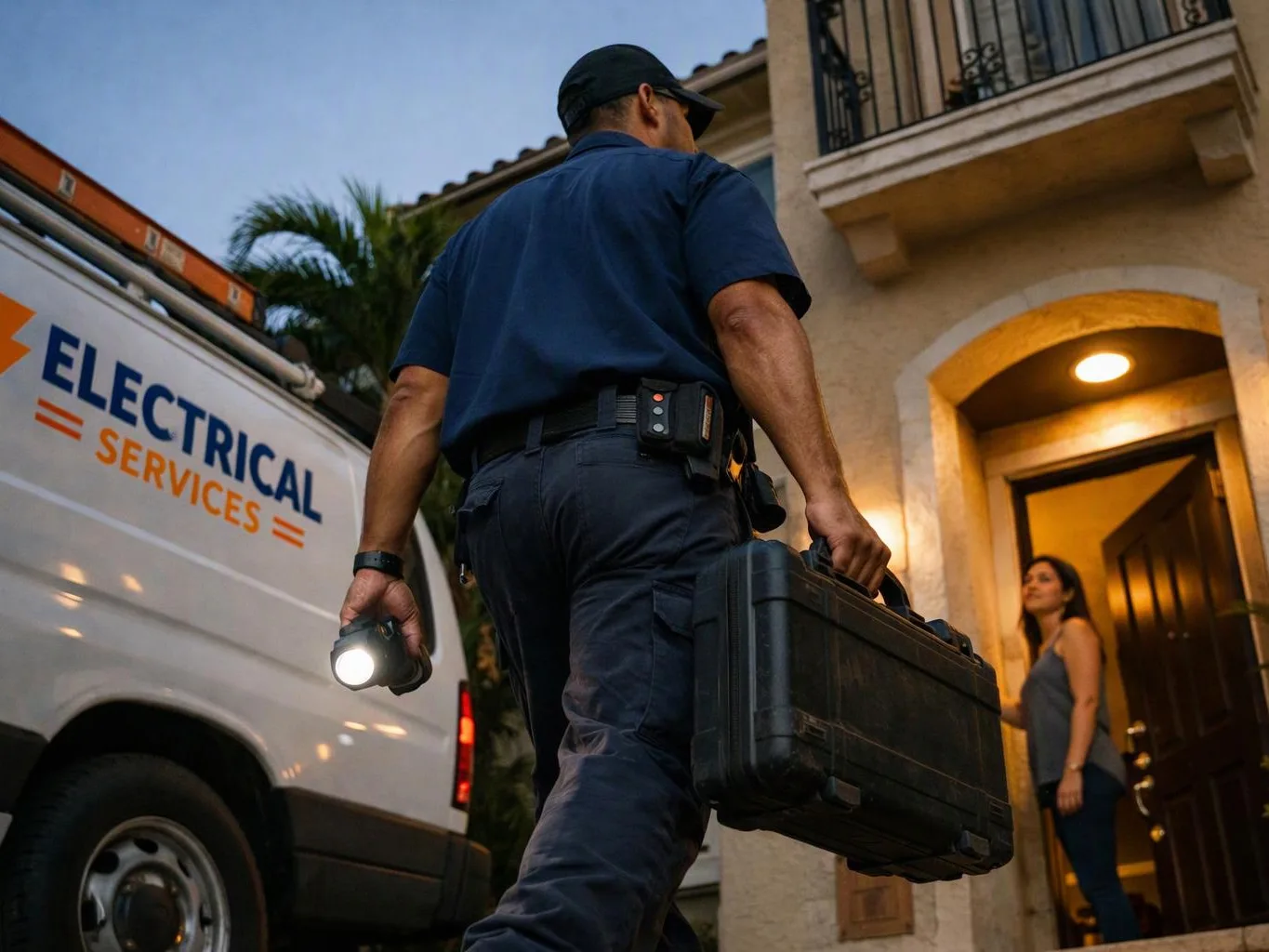
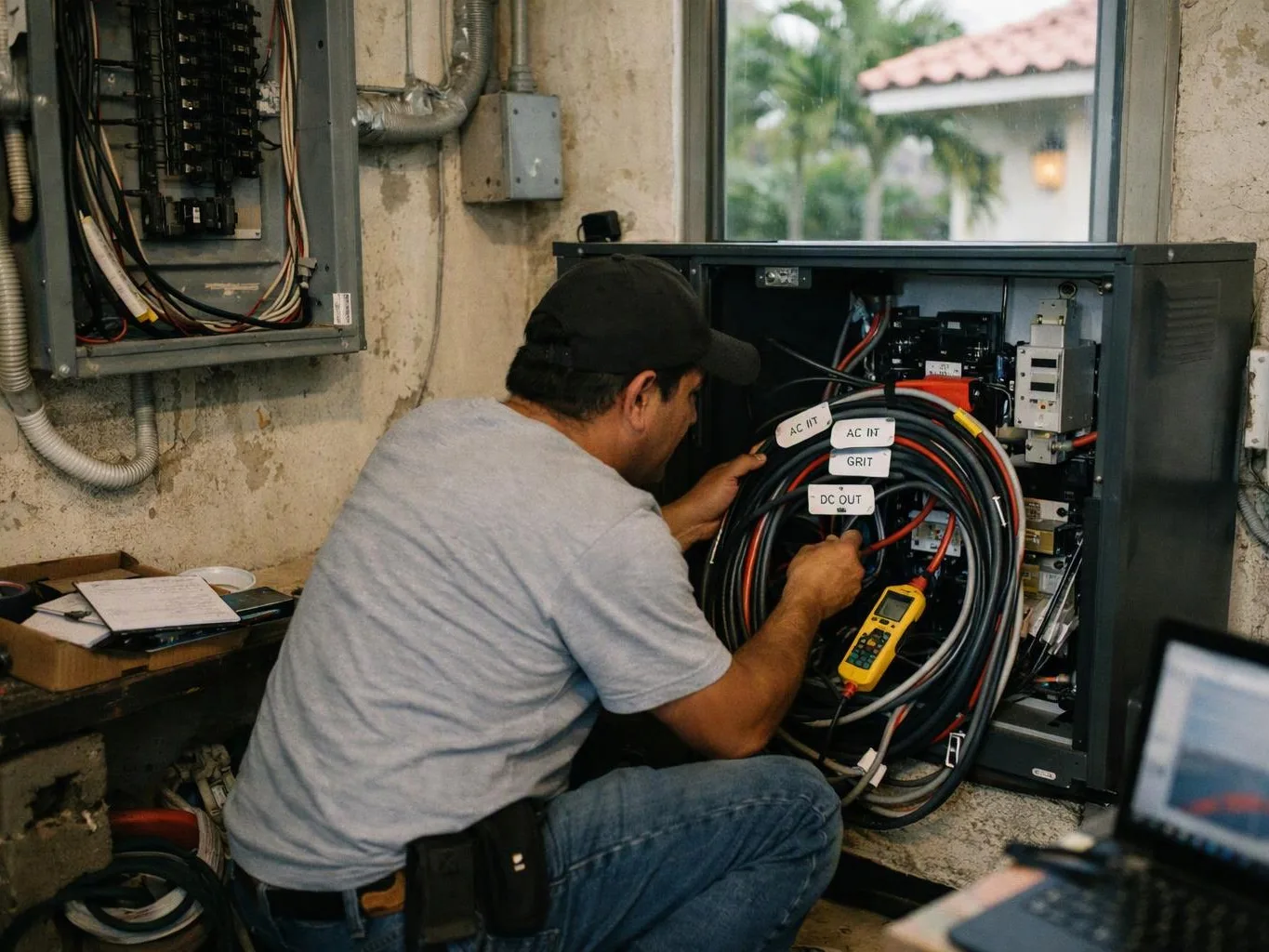
The installation point and power source are checked first. We look at access, the electrical connection, the battery compartment, and the detector's condition before mounting or connecting it. This order helps us spot a dead outlet, loose connection, or damaged device early. We then test the alarm and explain the result.
Which check should happen before the installation is scheduled?
The property layout, access, existing detector condition, and available power should be checked before scheduling. We use those details to understand whether the work involves a new connection, a battery device, replacement, or related electrical troubleshooting. Photos of the current detector and connection can help us review the request accurately.
What changes the estimate for detector installation?
The estimate changes with detector count, access, power connection needs, battery requirements, and related electrical repairs. We review the requested locations and provide a free estimate before scheduling. Detector replacement or wiring repair can expand the work beyond a basic device installation, so we explain those items separately.
Who is a good fit for detector installation, and who needs a different service?
Homeowners, businesses, and property managers are good fits when they need detector setup, replacement, or function checks. Earth Electric provides the electrical installation work. A property with a suspected fuel-burning appliance fault needs appliance or environmental diagnosis as well, because a detector installation alone does not find every carbon monoxide source.
When does a detector warning become an urgent electrical concern?
A continuous alarm, burning smell, sparking outlet, or buzzing panel makes the situation urgent. Leave the property if anyone feels unwell or the alarm continues, then seek emergency help. We can inspect electrical causes after the immediate safety risk is addressed. A low-battery chirp needs attention, but it differs from an active alarm.
Why can the test button work while the detector still needs attention?
The test button checks the alarm sound, but it does not confirm every sensor function or the detector's service condition. We check the battery, power connection, display, and sensor warning signs as well. A device that sounds during testing can still need replacement or further diagnosis when its sensor reports a fault.