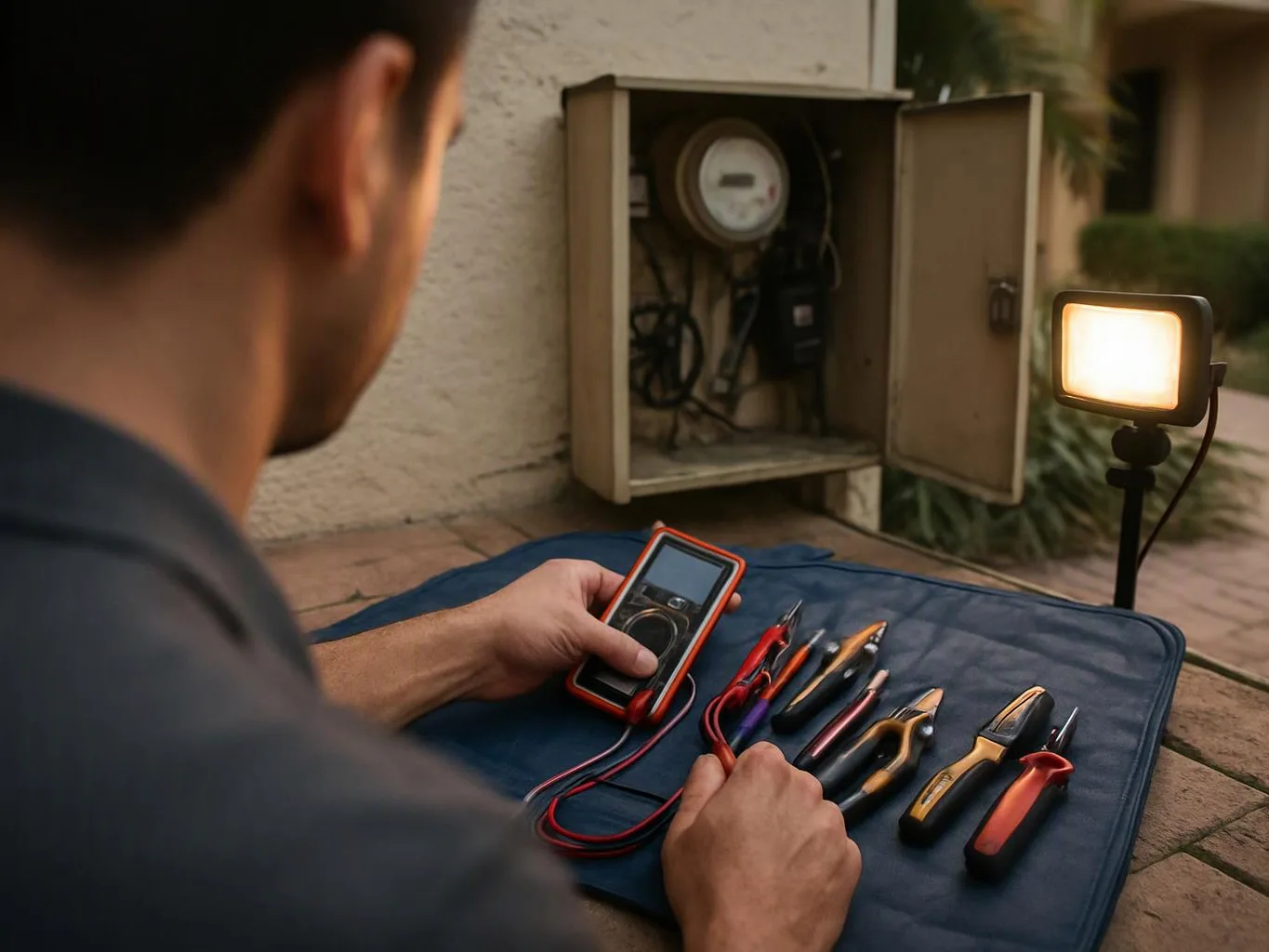
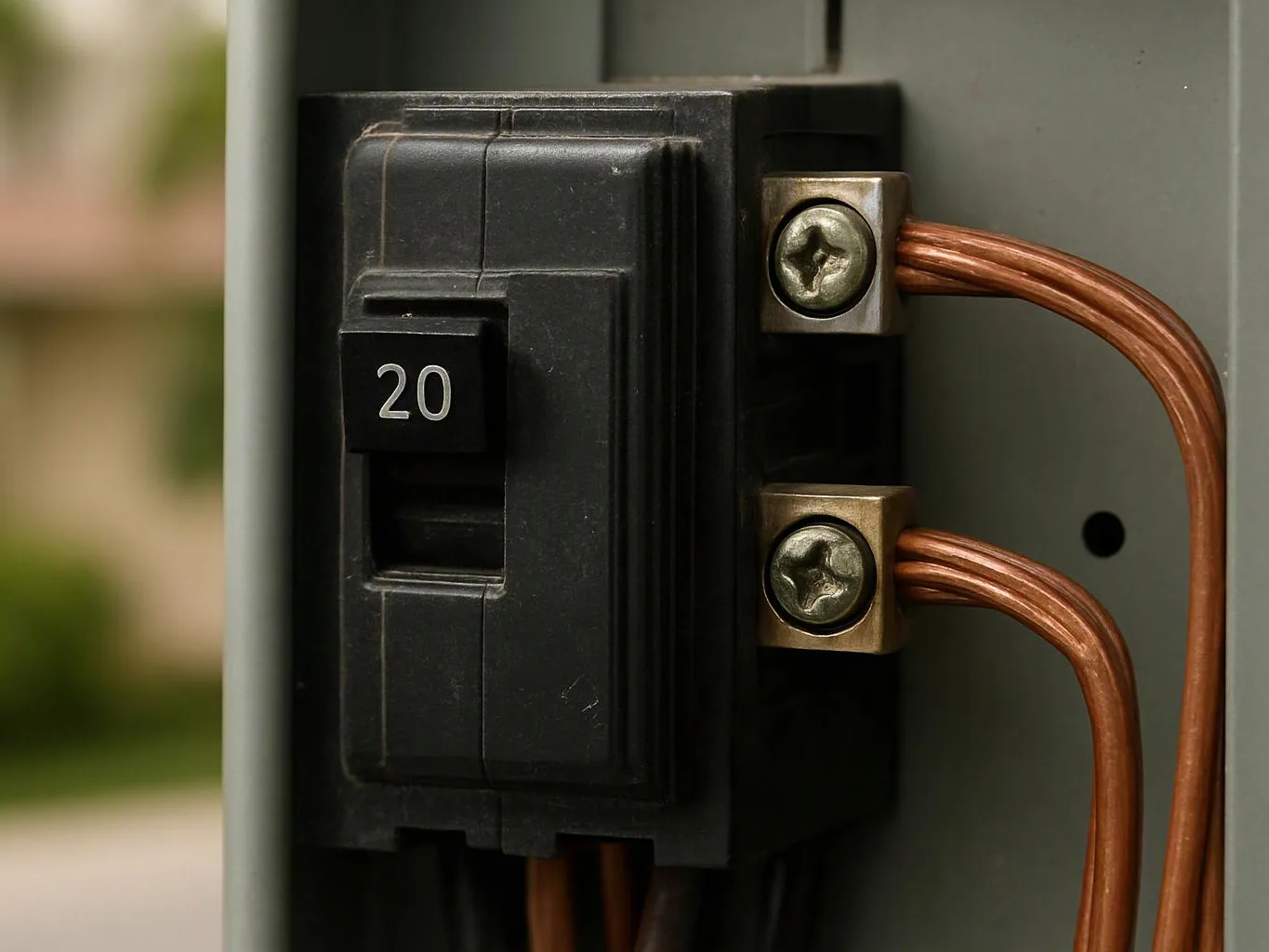
Define the backup load group
We discuss which circuits need power during an outage. This decision keeps the system focused and guides the later load review.
We connect compatible electric vehicle backup systems with your property's electrical setup. Our licensed and insured electricians keep safety and code checks central to the work.
Selected essential circuits can remain available when utility power fails.
Load planning helps prevent unnecessary panel work and wasted equipment spending.
A tested transfer path separates backup power from the utility supply.
Bidirectional EV Home-Backup Integration is an electrical service that connects a compatible EV to selected property loads for backup power.
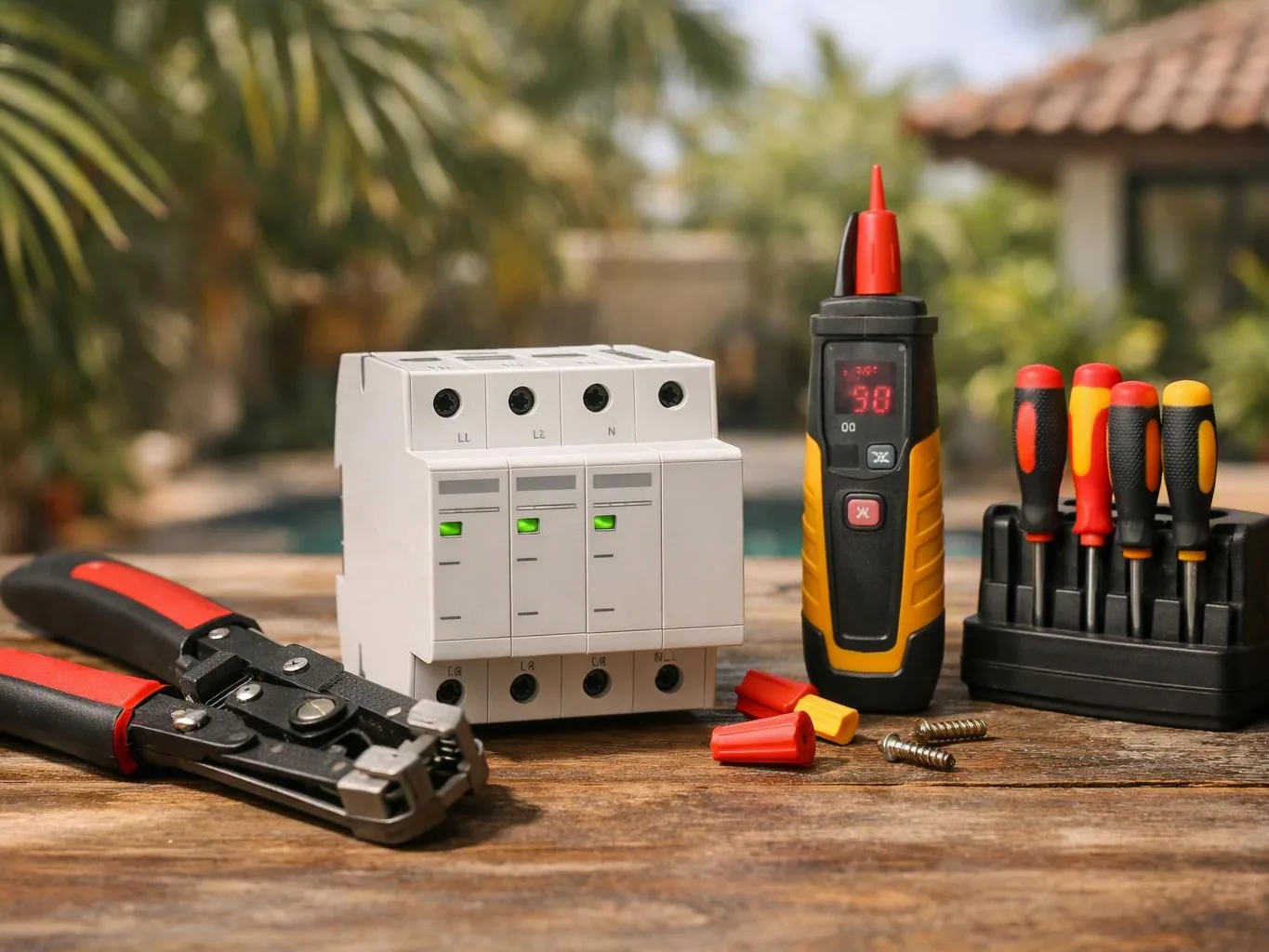
Bidirectional EV home backup links an electric vehicle battery with selected property circuits. The work may include circuit review, transfer controls, wiring changes, grounding checks, and testing. The main buyer decision is which loads need backup. A refrigerator, internet equipment, or selected lighting circuit has a different demand from a whole property. We use the stated backup goal to guide the electrical review, then explain the service options and expected work clearly. Cost rises when the panel needs added capacity, the backup circuits sit far from the connection point, or wiring and grounding need correction. Money is often wasted when a system is sized around every appliance without first choosing essential loads. We diagnose first, then recommend work that matches the property and the intended use. A typical setup starts with a panel and load review. We trace the circuits, check breakers and safety devices, confirm the transfer path, and test the completed connection. We don't treat EV backup as a standard charger swap because power must move safely in both directions.
We discuss which circuits need power during an outage. This decision keeps the system focused and guides the later load review.
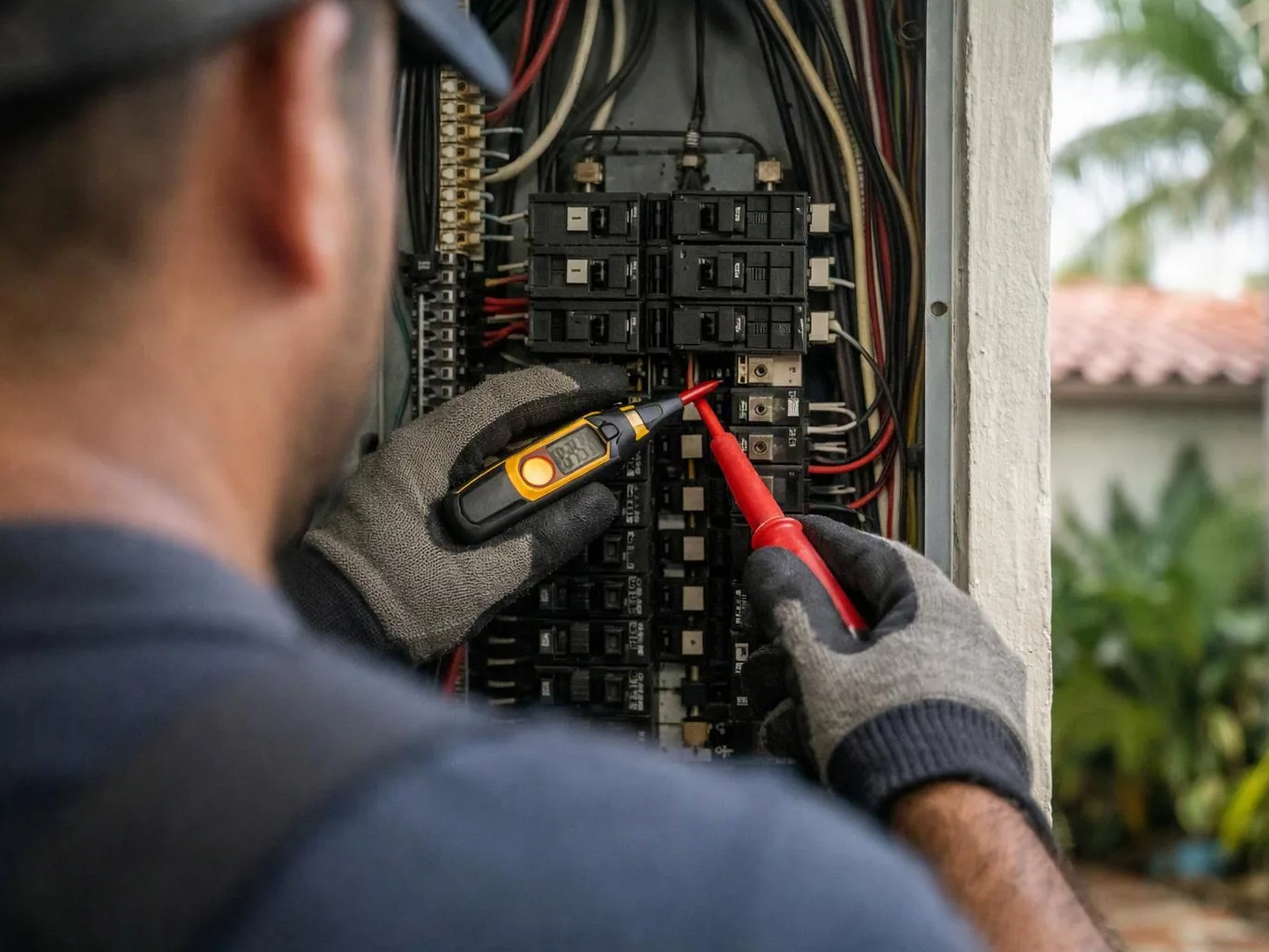
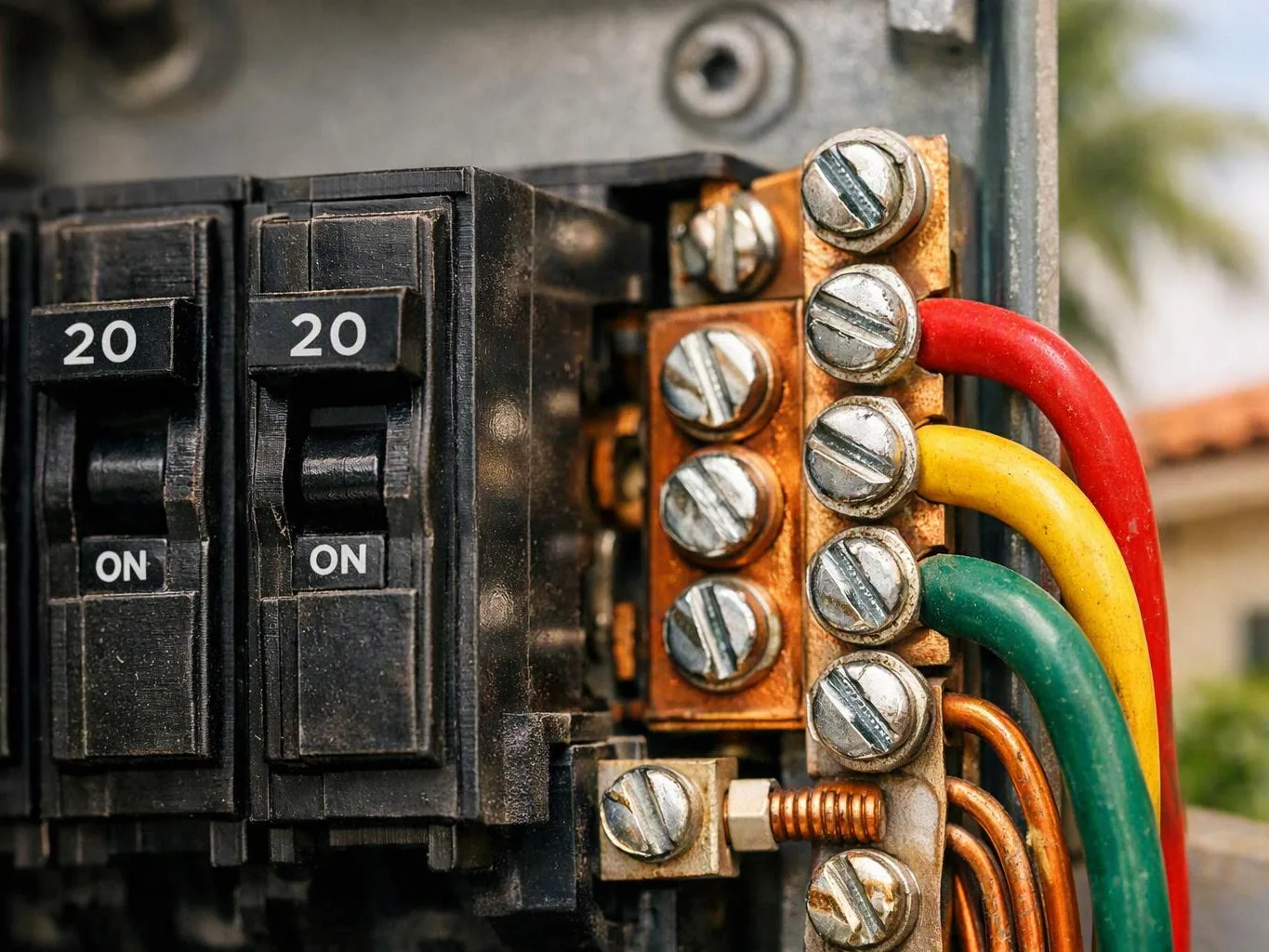
We check panel capacity, breakers, grounding, wiring condition, and the proposed EV connection point before recommending changes.
We select the electrical path that separates backup power from utility power and supports controlled movement between the EV and property loads.
We install or modify the needed circuits, controls, and wiring based on the approved scope. We address unsafe conditions before connecting backup power.
We test isolation, transfer behavior, circuit performance, grounding, and the EV connection so the system is ready for the intended backup use.
A few details help us assess the property and plan the backup circuit work.
We diagnose the panel, EV connection, grounding, and backup loads before recommending bidirectional integration work.
We explain the selected backup circuits, transfer controls, expected electrical work, and testing before installation begins.
We inspect wiring, panels, breakers, outlets, and safety devices for hazards before connecting the vehicle to property loads.
Get a clear estimate for selected backup circuits and a tested EV power connection in Miami; urgent requests get priority scheduling.
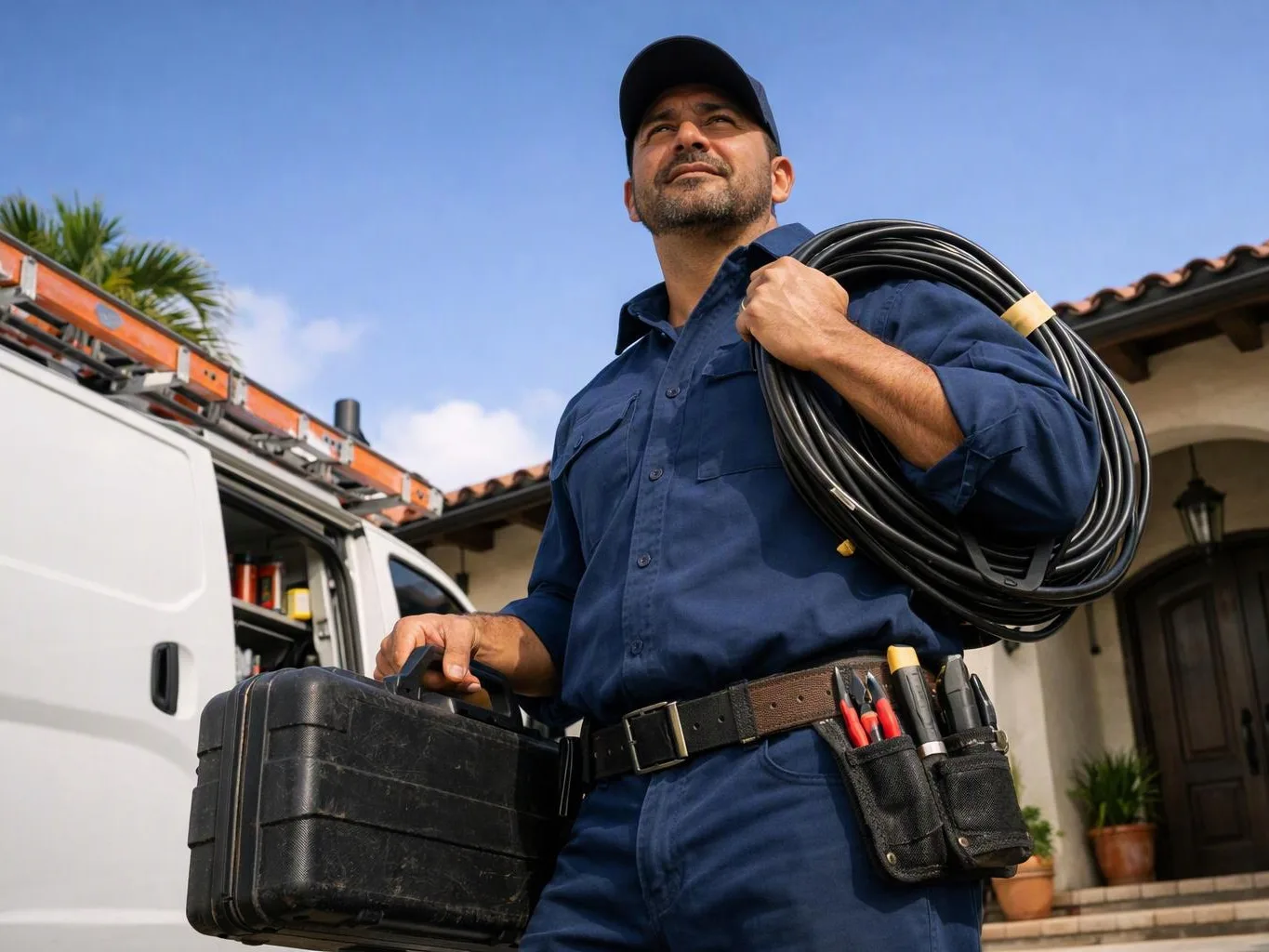
The vehicle accepts charge, but the property receives no backup power during an outage. Charging equipment doesn't automatically support power flow in reverse, so the connection path and transfer controls need review. Send us the vehicle and equipment details, identify the circuits that matter most, and keep the system disconnected from improvised backup connections until we inspect it.
A backup test trips a breaker when several appliances start together. The issue may involve load demand, circuit selection, wiring, or grounding, and repeated resets can hide the cause. We should inspect the panel and trace the affected circuits before changing breakers or adding equipment. Keep high-demand appliances off until the fault is checked.
A business or property manager needs selected equipment to stay powered during an outage. The decision depends on which loads protect operations, where those circuits sit, and whether the existing panel supports the connection. Gather the panel location, access rules, and priority equipment list so we can define the backup group and explain the required work.