What can prevent bidirectional EV backup from working properly?
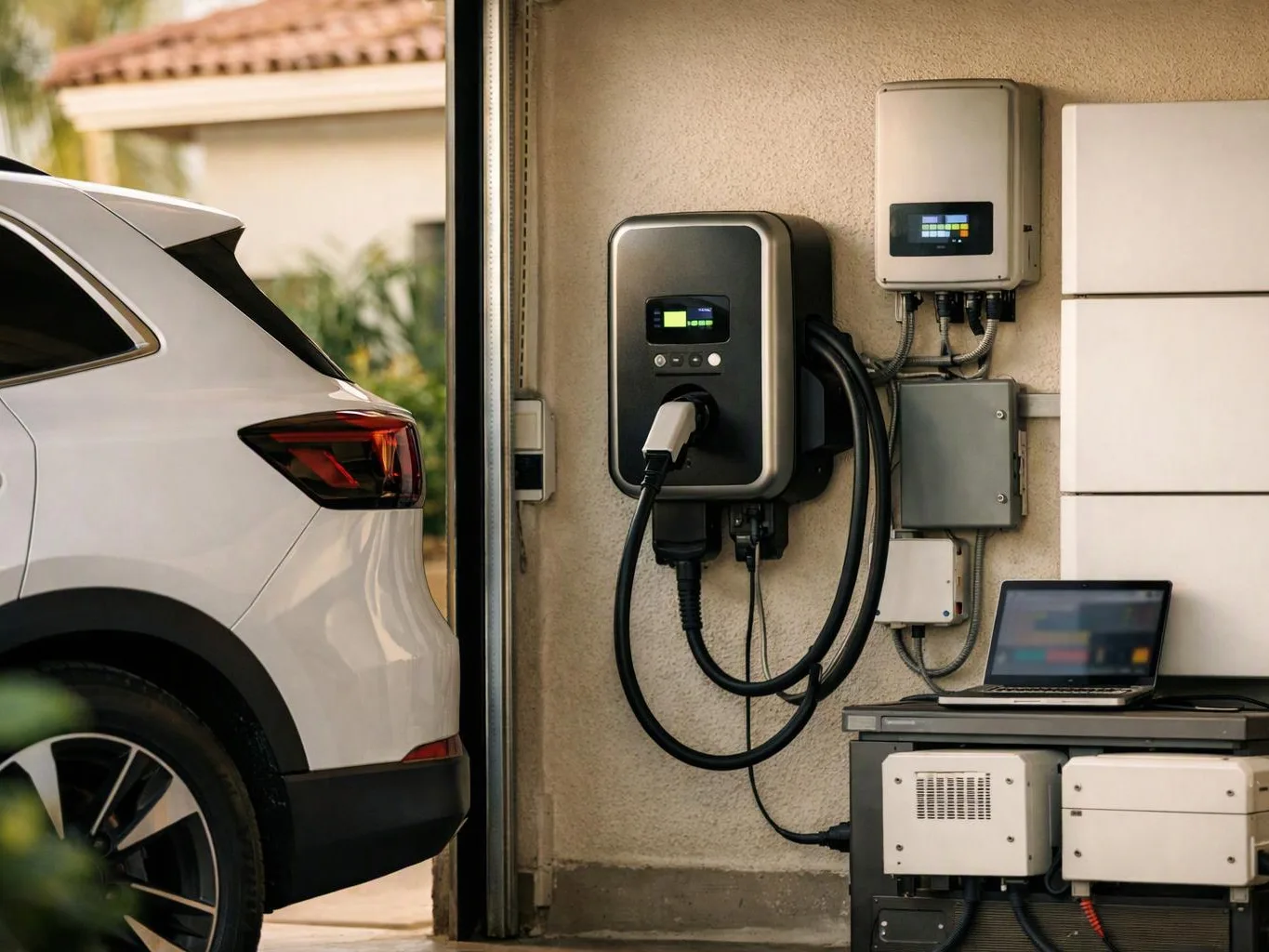
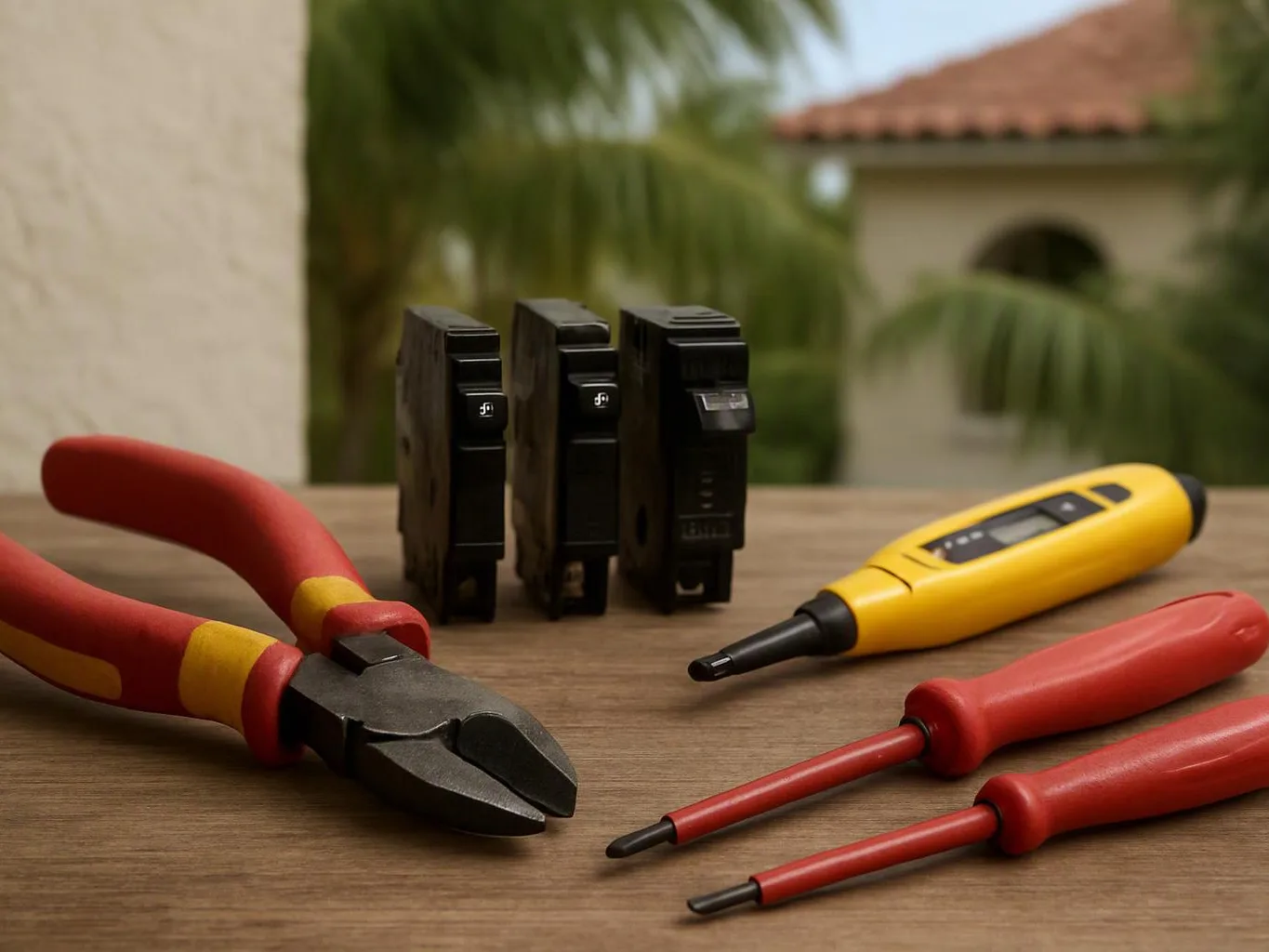
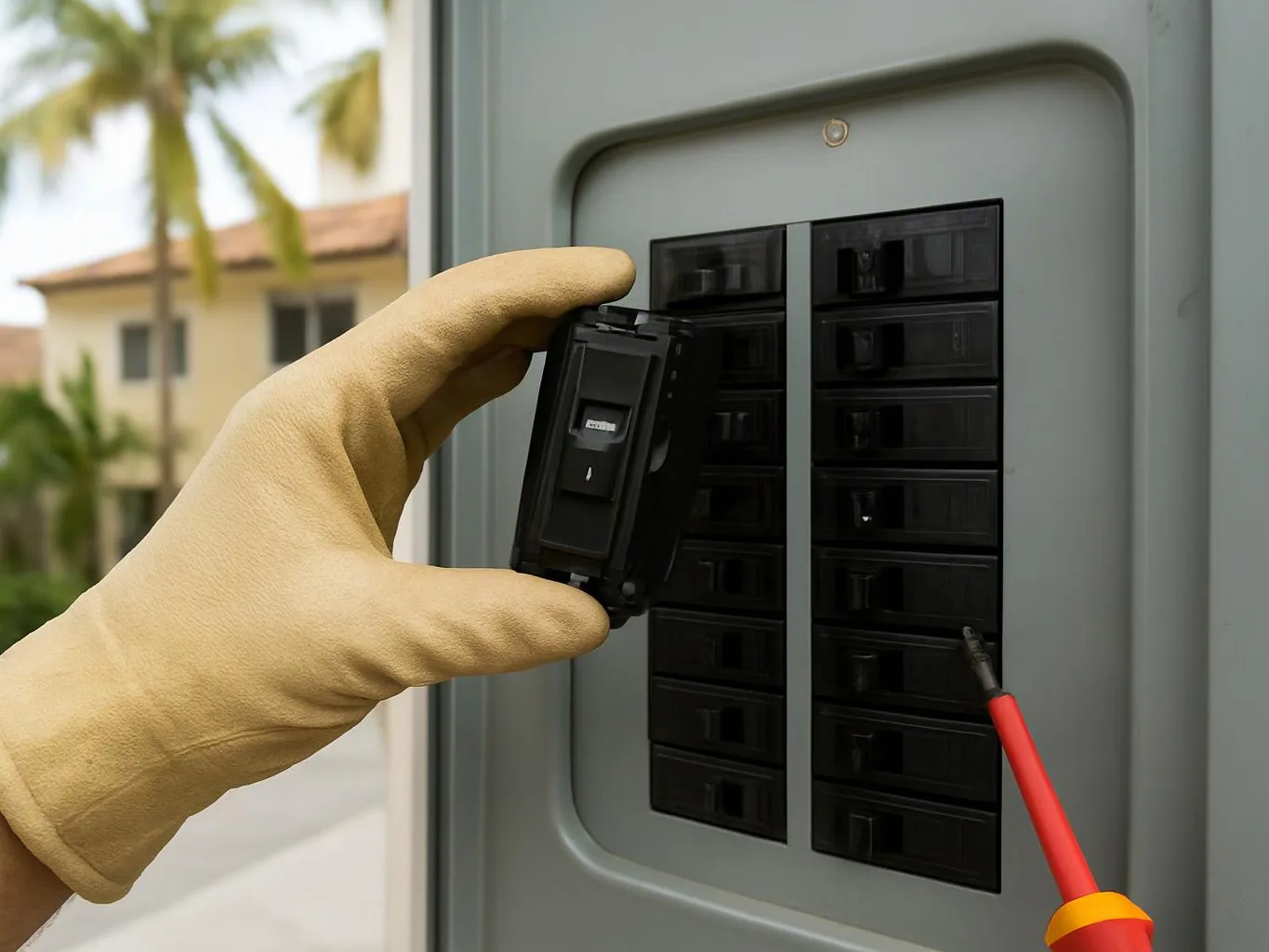
A transfer fault can prevent bidirectional EV backup from working properly. Earth Electric checks incompatible vehicle support, firmware limits, insufficient wiring, and communication failure. We also inspect circuit protection and selected backup loads, because the system must support the planned power flow. The findings show whether the next step is electrical repair, equipment changes, or a compatibility decision.
How does a bidirectional EV backup visit move from the first call to the last step?
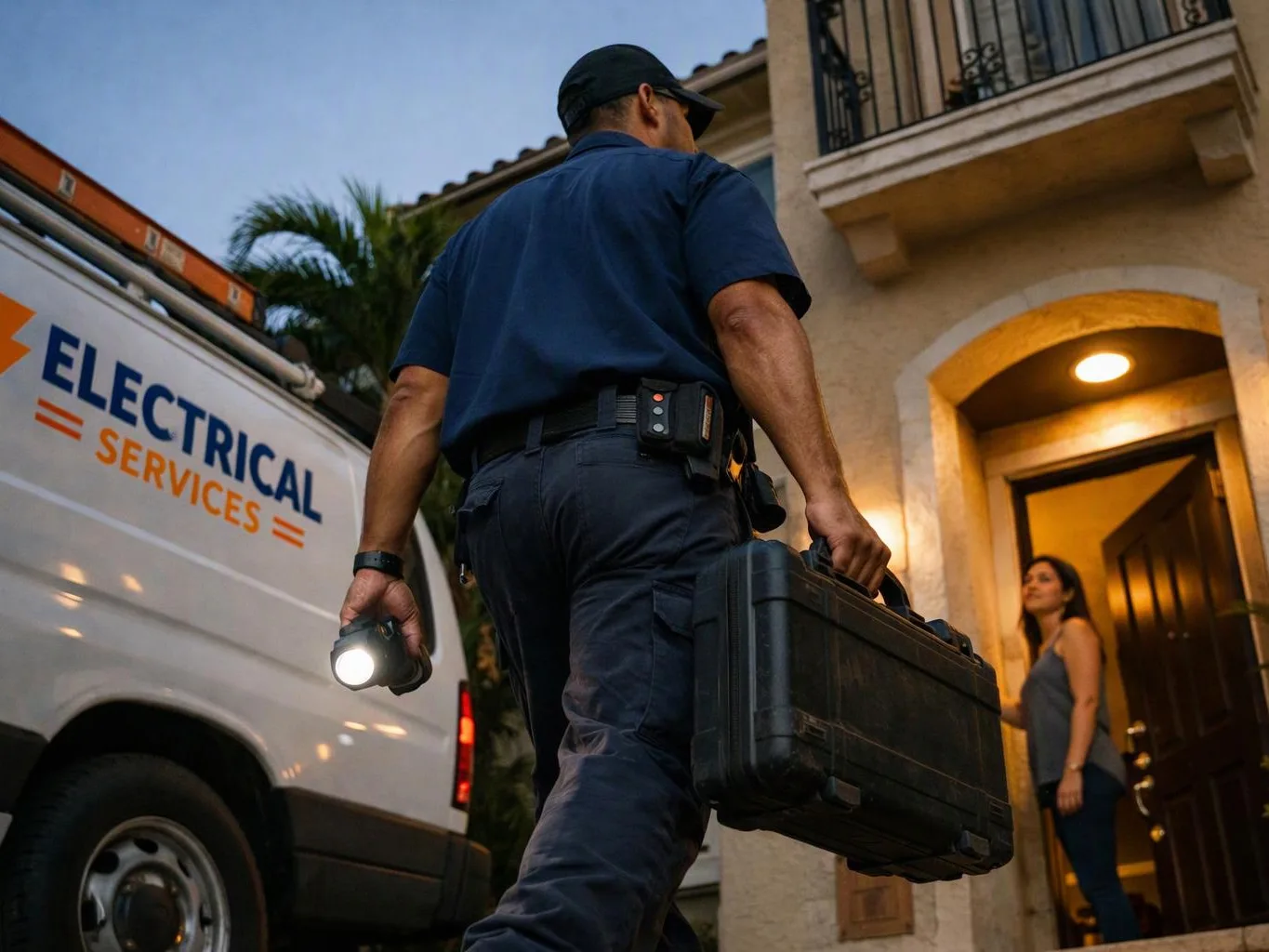
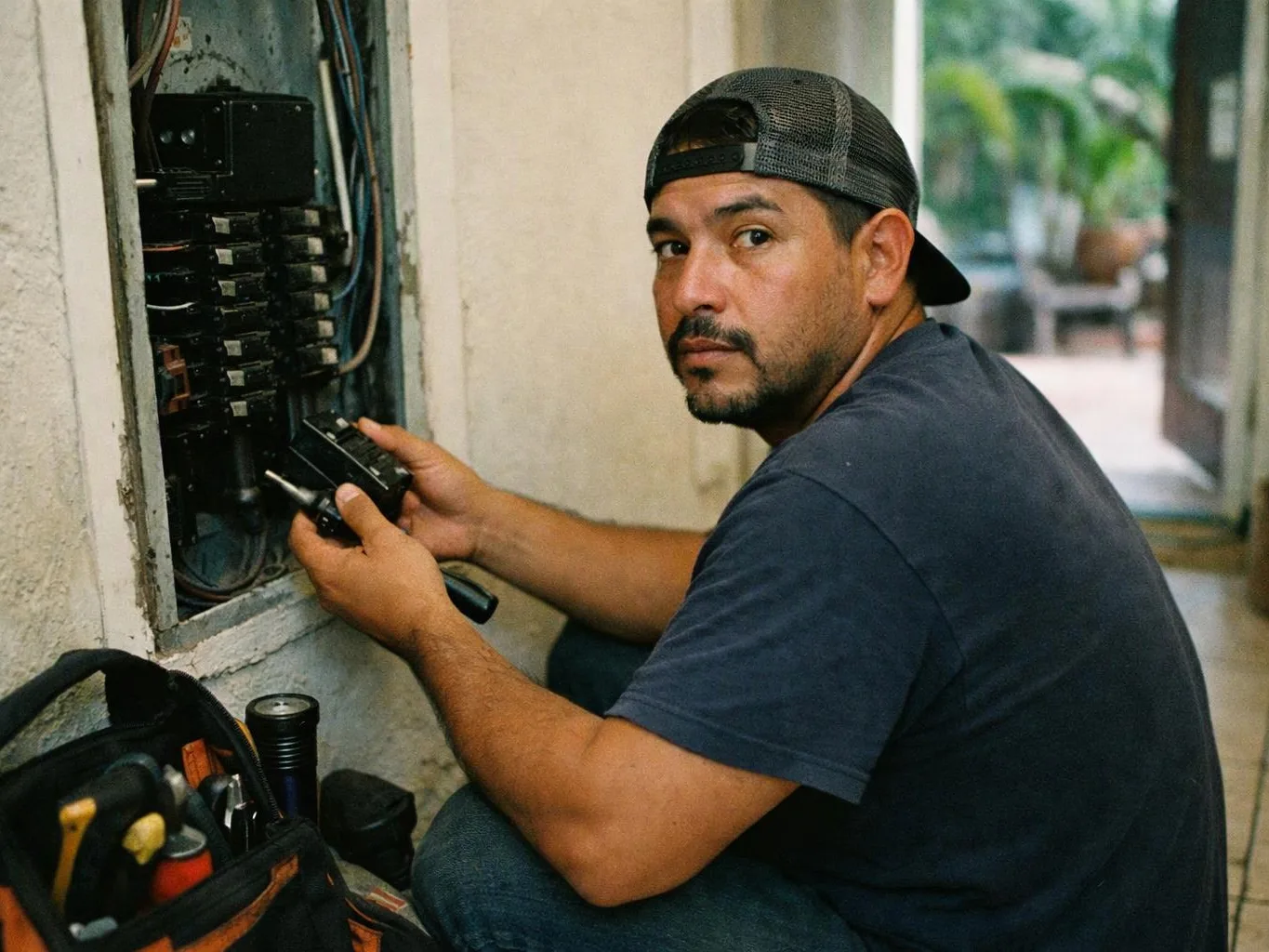
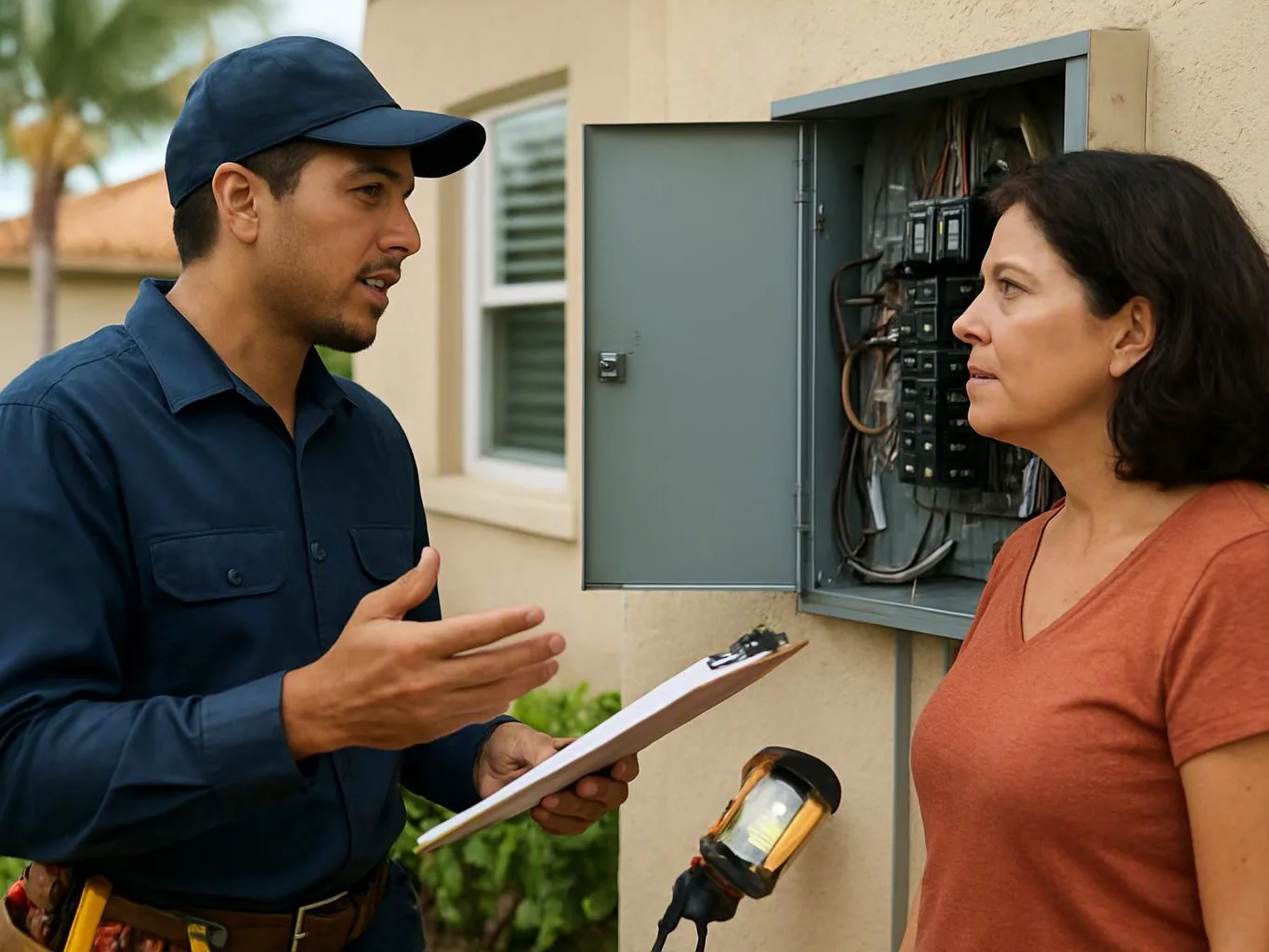
The visit moves from system review to testing, scope, estimate, and verification. We first record the vehicle, charger, backup goal, and affected circuits. Next, we isolate and test the transfer path, review wiring and load needs, and identify system limits. After approved work, we test the connection and affected circuits.
Which material changes how long bidirectional EV backup work takes?
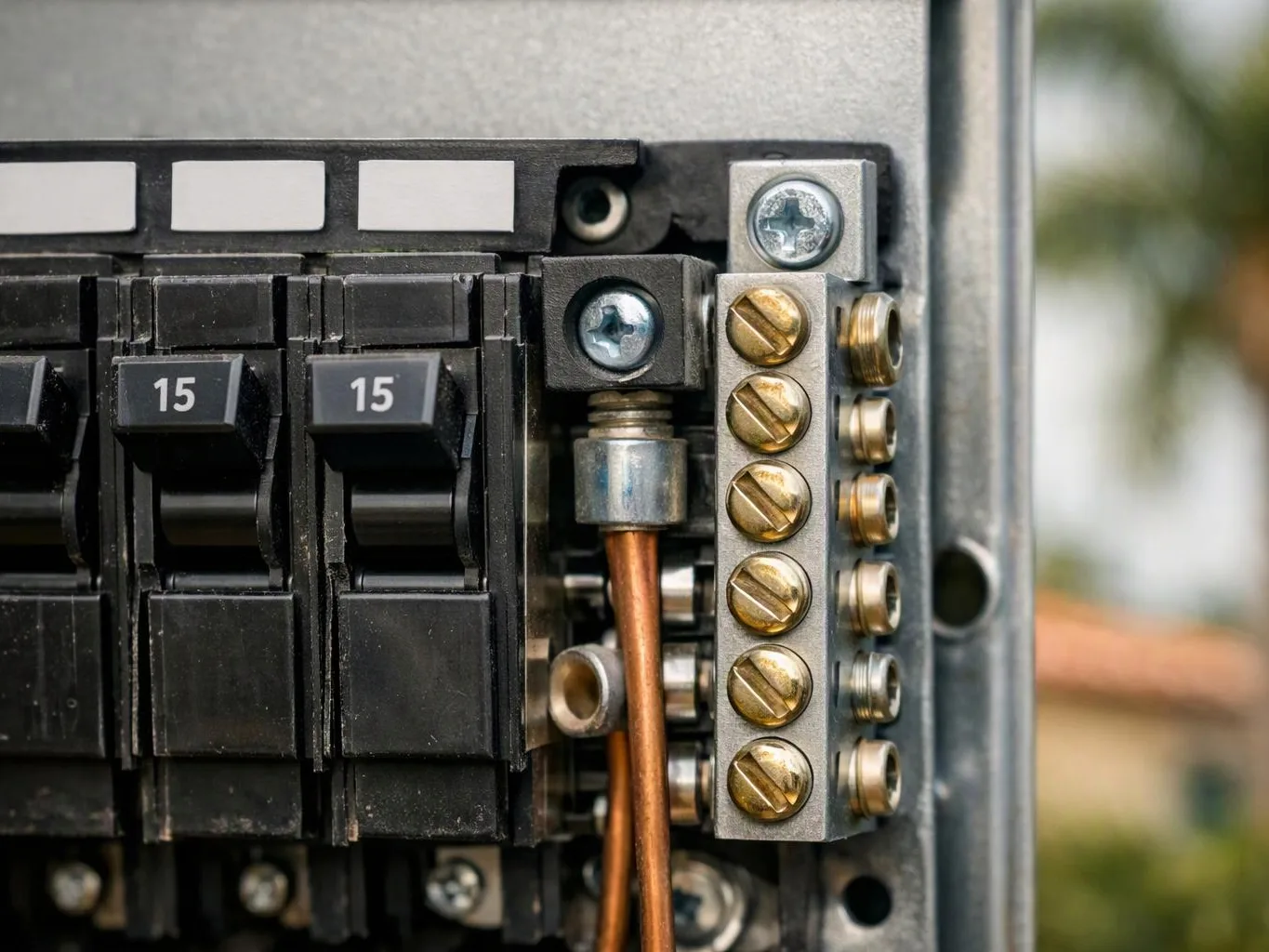
Existing copper or aluminum wiring can change the work needed for bidirectional EV backup. We inspect conductor condition, size, routing, grounding, and connection points before planning changes. The transfer equipment and panel layout also affect access and scope. An estimate follows the actual findings, not a standard package.
How can a customer tell whether bidirectional EV backup fits the property?
A property fits bidirectional EV backup when the vehicle, charging equipment, wiring, transfer equipment, and selected loads support the planned power flow. We review those points together and complete a load calculation. Standard one-way charging does not prove backup compatibility, so the vehicle and system specifications matter.
Which electrical problems can Earth Electric address during this work?
Earth Electric addresses transfer faults, wiring issues, circuit protection concerns, grounding problems, and related electrical faults within the integration scope. We also review communication and firmware limits when they affect operation. Work outside the electrical system, such as vehicle software controlled only by its manufacturer, may need a separate equipment decision.
Why does a communication failure stop vehicle backup power?
A communication failure can stop vehicle backup power because the connected equipment cannot exchange control signals. We test the communication path between the vehicle, charger, and control equipment. We then separate a wiring or connection fault from a firmware or equipment limit before recommending changes.
What should a business or property manager prepare for the assessment?
A property manager should provide access to the panel, transfer equipment, charger, and selected backup circuits. Equipment model details and any visible fault message also help the review. We use those details with circuit testing and load checks to define a safe electrical scope.