Skip to content

Bidirectional EV Home-Backup Integration in Hallandale Beach, Florida

When an inverter system needs replacement, the work differs from a basic adjustment in Hallandale Beach. We check the system's fit before planning the connection.

Licensed & InsuredFree EstimatesWarranty AvailableSame-Day Service

Quick Summary: EV Home Backup Integration in Hallandale Beach, Florida

Bidirectional EV Home-Backup Integration in Hallandale Beach is provided by Earth Electric for homeowners, businesses, and property managers. The service covers vehicle-to-home connections, critical-load wiring, electrical testing, and planned improvements, with free estimates available.

  • What we do: Earth Electric provides Bidirectional EV Home-Backup Integration for Hallandale Beach, Florida properties, including inverter system checks, vehicle inlet connections, load center work, and critical-load circuits.
  • What is included: vehicle-to-home wiring, critical-load selection, load center connections, communication cable checks, electrical troubleshooting, and testing and verification.
  • What you get: The home has a defined backup-power connection with selected circuits tested and ready for safe operation.

Why does an electric vehicle backup setup keep losing power in Hallandale Beach, Florida?

A backup setup can lose power when the inverter system, vehicle inlet, critical-load wiring, or communication cable does not work together. Earth Electric checks the connection path, load center, circuit selection, and fault signals. We then explain whether the job needs an adjustment, repair, or replacement.
Bidirectional EV Home-Backup Integration for Hallandale Beach Properties

Bidirectional EV Home-Backup Integration is for a customer who wants an electric vehicle to support selected circuits during an outage. The job centers on the inverter system, vehicle inlet, load center, critical loads, and communication cable.

The key decision is whether the existing electrical setup needs an adjustment, repair, or replacement. We check the service equipment, trace the circuits, and review how the selected loads will connect. A whole-home backup design is not the same as a critical-load design, so the scope must match the property and the customer's goal.
  • Confirm which circuits need backup power.
  • Inspect the inverter system and vehicle inlet.
  • Check load center connections and circuit capacity.
  • Trace critical-load wiring before changes are planned.
  • Test communication cable connections and system signals.
  • Request a quote for the defined electrical scope.
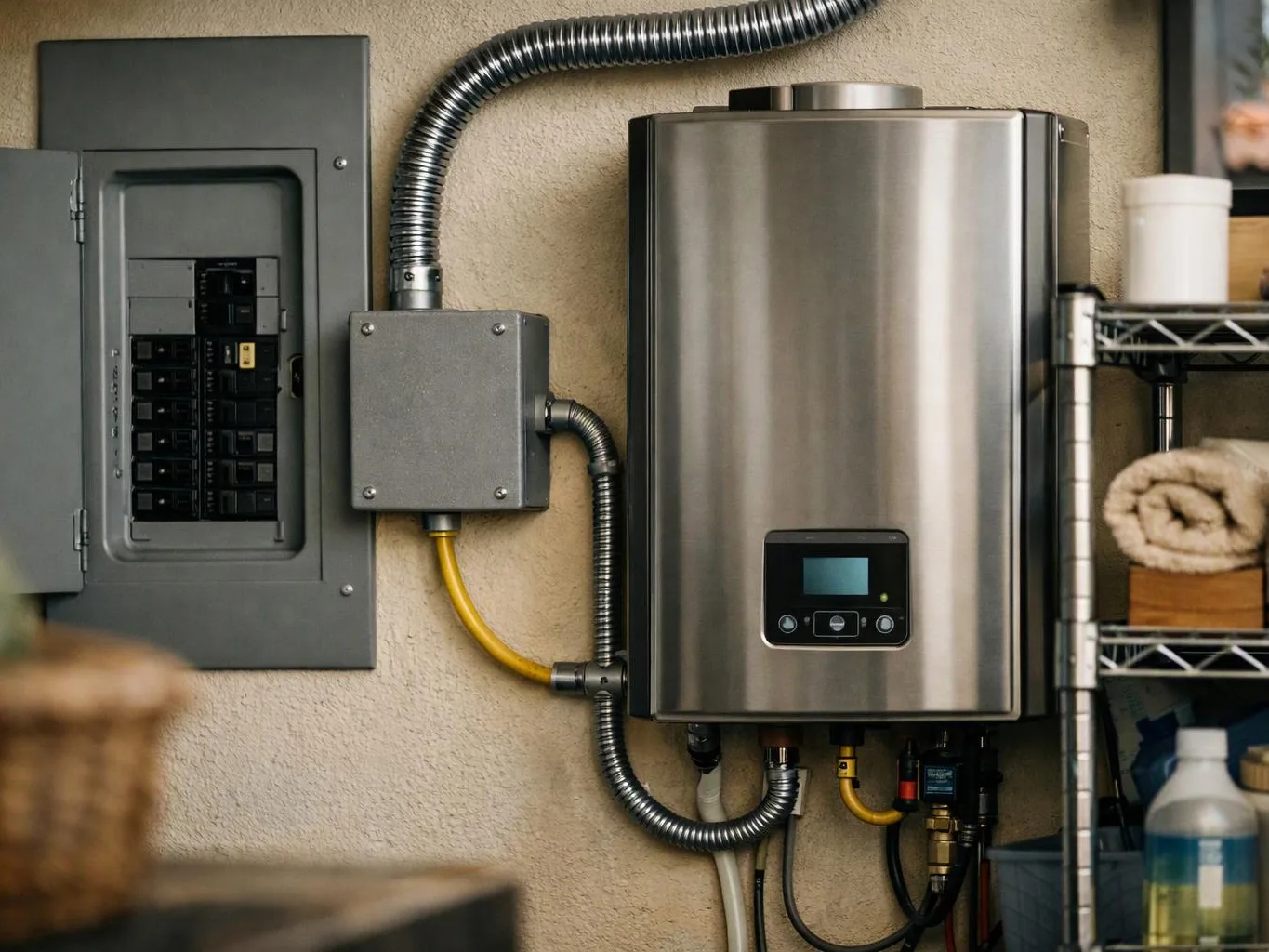
A stainless wall-mounted water heater sits beside an electrical panel and metal storage shelving in a utility room

Service Overview

Bidirectional EV Home-Backup Integration is an electrical connection that lets an electric vehicle supply power to selected home circuits.

  • This service differs from standard EV charging installation because it manages power flowing from the vehicle back into the property.
  • Earth Electric provides this work for Hallandale Beach homes, businesses, and property-managed buildings.

What This EV Home-Backup Work Includes

Earth Electric provides comprehensive Bidirectional EV Home-Backup Integration in Hallandale Beach. Here's what you get:

  • We inspect the inverter system and related electrical connections.
  • We review the vehicle inlet and its connection to the property.
  • We identify critical loads for the proposed backup setup.
  • We check the load center and trace the selected circuits.
  • We inspect communication cable connections used by the system.
  • We complete testing and verification after the electrical work.

What This Backup Connection Changes for You

Selected home circuits have a defined path for vehicle-supplied backup power.

Circuit tracing helps separate critical loads from circuits outside the planned scope.

Testing and verification gives you a clearer view of how the connected equipment operates.

A focused design helps prevent unrelated electrical work from being added to the project.

The setup can support planned electrical improvements for homes, businesses, and property managers.

Process

How We Complete the EV Home-Backup Work

1

Inspect the existing electrical equipment

We inspect the inverter system, vehicle inlet, load center, and accessible wiring. We note visible damage, loose connections, and equipment that does not fit the planned scope.

2

Map the critical-load circuits

We trace the circuits the customer wants supported and separate them from other property loads. This step keeps the backup design tied to the actual load center.

3

Check the communication path

We inspect the communication cable and related connections. Fault signals can point to a wiring issue, equipment adjustment, or replacement need.

4

Set the installation or repair scope

We explain the required electrical work and prepare a quote. The scope may cover an adjustment, repair, or replacement based on the equipment findings.

5

Test the completed connection

We test the selected circuits, wiring, and system signals after the work. We explain what the connected backup setup supports.

What You Get From This EV Backup Integration

A scope based on the actual equipment

We inspect the inverter system, vehicle inlet, and load center before setting the work scope. The equipment must fit the selected critical loads and communication path.

Clear separation of critical circuits

Critical loads are identified before wiring changes begin. This helps you understand which circuits the vehicle backup connection serves.

Testing after the connection

We check the wiring, signals, and selected circuits after the work. A standard EV charging installation is the wrong job when power must flow back into the property.

Backup Connection Choices for Selected Circuits

These options describe different electrical scopes for vehicle-supplied backup power.

Connection scopeWhat it supportsWhat we check
Critical-load connectionSelected essential circuitsLoad center, circuit mapping, and communication path
Whole-home connectionA broader group of property circuitsService capacity, load center, and equipment compatibility

The Earth Electric Standard

  • Diagnose First
  • Clear Service Options
  • Safety Throughout
  • Around The Clock

Questions About EV Home-Backup Integration

What equipment is needed to power a home from an electric vehicle?

An inverter system, vehicle inlet, load center connection, critical-load wiring, and communication cable support vehicle-to-home power. Earth Electric checks how these parts fit the property before work starts. The setup must also match the selected circuits, because a backup connection for critical loads differs from a whole-home electrical design.

How is the setup matched to the property before work starts?

The property match comes from inspecting the load center, tracing circuits, and reviewing the selected critical loads. We check the vehicle inlet, inverter system, and communication cable as one connected path. The planned scope then reflects the equipment already present and the circuits the customer wants supported.

What should be ready before this electrical work starts?

The customer should identify the circuits that need backup and share details about installed equipment. We need access to the load center, vehicle inlet, and related wiring. Photos can help explain the setup, but we still inspect the equipment before setting the final work scope.

Which part changes the project cost most?

The existing electrical equipment and the number of critical-load circuits usually shape the project scope. We review the inverter system, load center, vehicle inlet, and communication cable before preparing a free estimate. Repairs, replacement work, access, and circuit changes can each affect the quote.

When is an inverter system replacement needed?

An inverter system needs replacement when its condition or compatibility prevents the planned backup connection from operating safely. We inspect the system and related wiring before making that decision. An adjustment or repair may fit when the equipment remains suitable and the fault comes from a connection or control issue.

Why does the communication cable matter in this setup?

The communication cable carries control or status signals between connected backup equipment. A damaged or loose cable can create fault messages or stop the equipment from coordinating correctly. We inspect the cable and its connections during troubleshooting, then test the system after any approved electrical work.
Contact

Request an Estimate for EV Home-Backup Integration in Hallandale Beach

Tell Earth Electric which circuits you want supported, and urgent requests get priority scheduling.

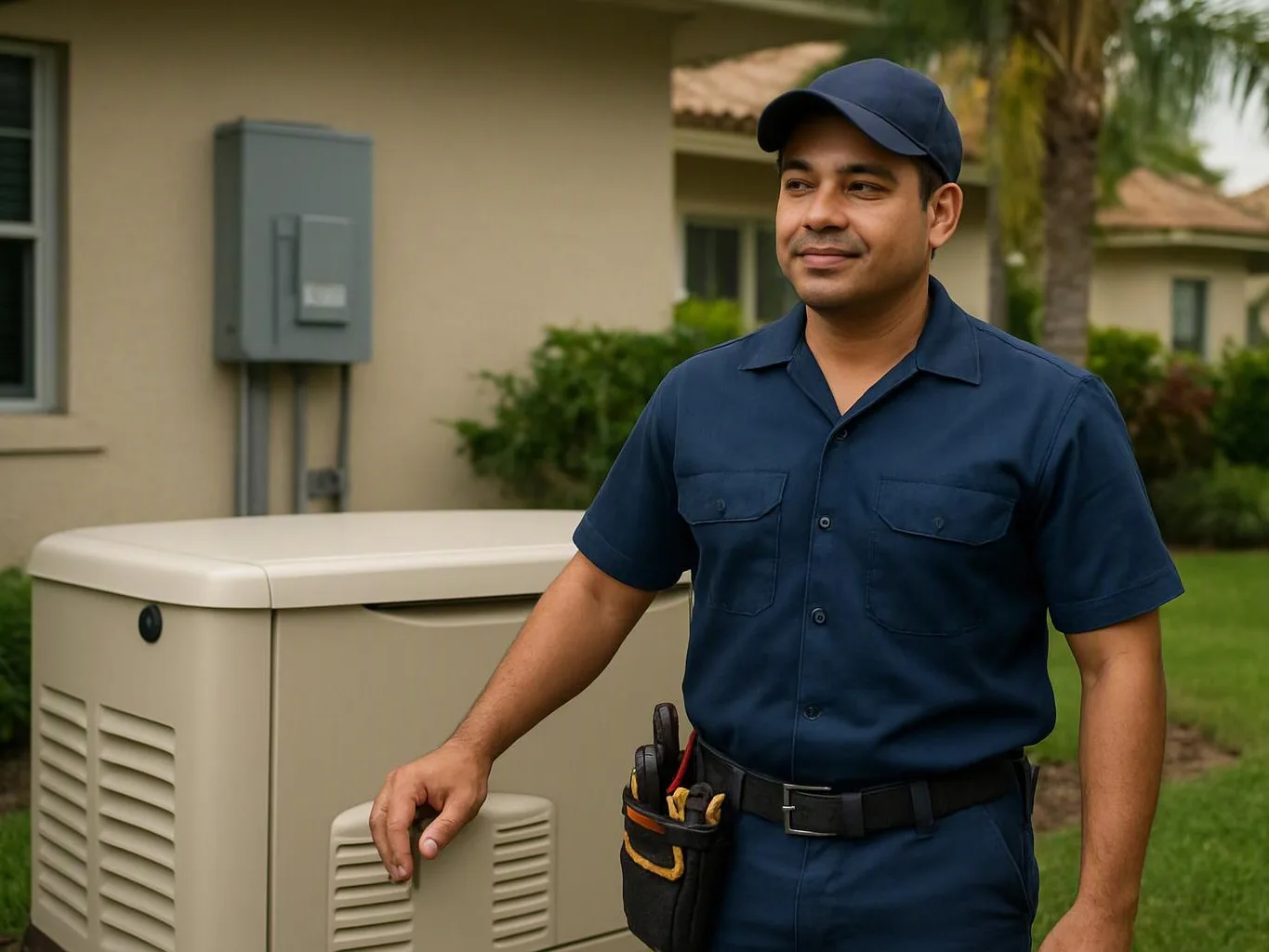
A man in a navy work uniform stands beside an outdoor generator in a yard

Bidirectional EV Home-Backup Integration in Other Areas

(786) 917-4169