
What is Surge Protector?
Surge Protector is a device that limits short-term increases in electrical voltage, called surges, before those increases reach connected equipment. A surge protector redirects excess energy through a grounding path or absorbs part of the energy. Protection depends on the device rating, wiring, grounding, and the size and source of the surge.
Quick Facts About Surge Protector
Category
Electrical protection device
Used for
Limiting transient voltage on electrical circuits
Measured by
Clamping voltage, surge current, and joule rating
Common confusion
A surge protector is not the same as a circuit breaker
Also called
Surge Protective Device, SPD
Often discussed with
Storm And Water Damage Electrical Repairs
Key Takeaways About Surge Protector
- A surge protector limits brief voltage spikes caused by lightning, utility switching, or large motors.
- Protection ratings include clamping voltage, maximum surge current, and energy absorption capacity.
- A power strip may offer no surge protection unless the product label states that it does.
- Whole-house devices protect many circuits, while point-of-use units protect individual equipment.
- Surge protection does not replace circuit breakers, fuses, grounding, or proper electrical maintenance.
Understanding Surge Protector
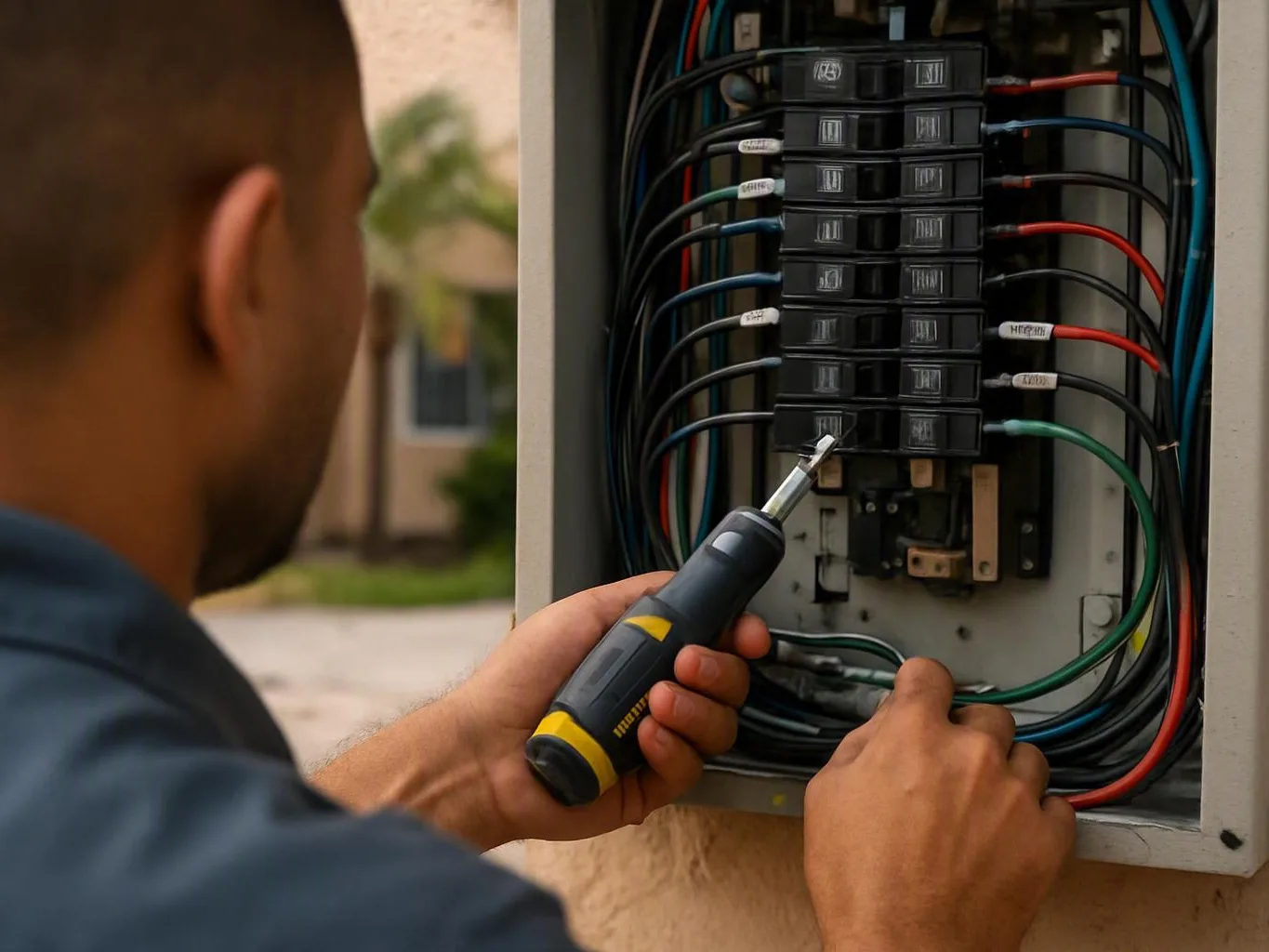
A Surge Protector is a device that reduces voltage and energy. It limits what reaches connected equipment during a short surge. A surge lasts far less time than a power outage, but it can damage parts in televisions, computers, appliances, HVAC controls, and network equipment. Common sources include lightning, utility switching, and motors that start or stop.
Related glossary terms: Electrical Grounding, Electrical Bonding, Overcurrent Protection.
Most surge protectors use metal oxide varistors, also called MOVs. They respond when voltage rises above a set level. The MOV changes its electrical behavior and sends extra energy away. It sends this energy away from the protected load. Some devices also use gas discharge tubes, suppression diodes, or thermal disconnects. Other devices use a mix of these parts.
How Surge Protector Works, Is Measured, or Is Used?
A point-of-use surge protector plugs into an outlet. It supplies several receptacles for equipment. A whole-house surge protective device connects at the electrical panel or service equipment. It can reduce surges on many branch circuits. Proper installation requires the right conductor size and secure connections. It also requires proper enclosure placement and an effective grounding system.
Manufacturers describe performance with several ratings. Clamping voltage shows when the device starts limiting a surge. The maximum surge current rating shows how much current it can divert. This rating applies during a specific test. The joule rating shows energy absorption for some products. A higher number doesn't guarantee better protection. Installation, response behavior, and product certification also matter.
Surge protectors have a limited service life. Repeated surges can damage their internal parts. Many point-of-use products include a status light or audible alarm. Some include a resettable protection indicator. If the indicator shows failure, replace the unit. Also replace it if it has visible damage. Replace it after a strong surge has occurred. First, disconnect sensitive equipment and have the circuit checked.
Why Surge Protector Matters?
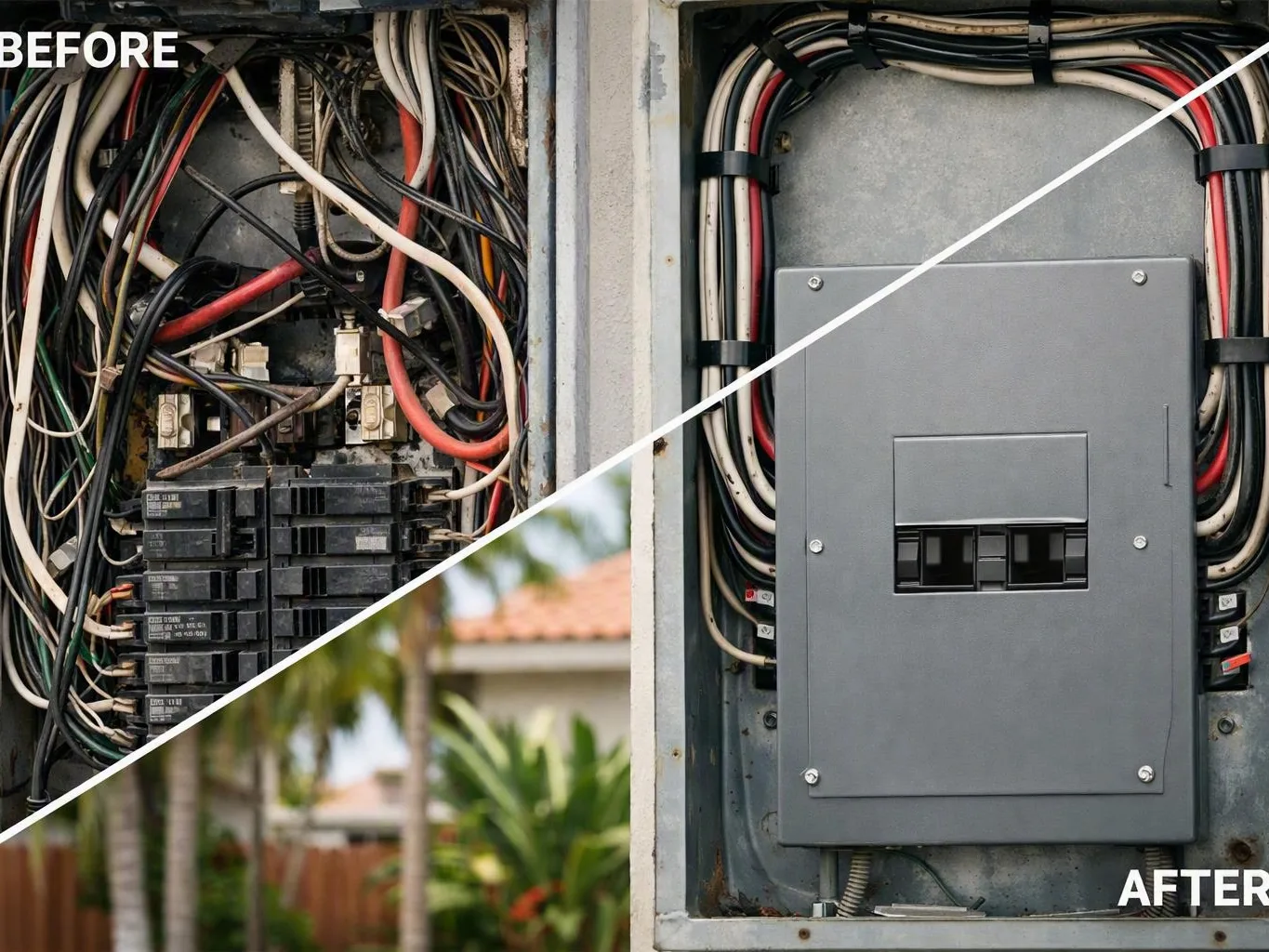
Modern equipment often contains electronic controls. A short overvoltage can damage these controls without tripping a circuit breaker. A breaker mainly responds to ongoing excess current. A surge protector responds to a fast voltage event. This difference explains why both devices may be needed.
Surge protection can reduce repair, replacement, and data-loss risks, but it can't prevent every failure. A direct lightning strike may still damage equipment. A poorly grounded system may also cause damage. A surge above the device rating may cause damage too. Protection works best with sound wiring, bonding, and grounding. Equipment must also follow the applicable National Electrical Code.
When Surge Protector Matters Most?
Surge protection needs special attention in some areas. Lightning, overhead utility lines, and long branch circuits increase exposure. Frequent motor loads can also increase exposure to transient voltage. Homes with air-conditioning equipment may need several protected devices. Pool pumps, well pumps, and garage door openers may also need protection. Home networking equipment may need protection too. A whole-house unit can reduce exposure across the electrical system. Point-of-use protection adds another layer near sensitive equipment.
Inspect the electrical panel before adding a panel-mounted device. The panel must have enough space and compatible equipment ratings. It also needs correct grounding and bonding. A qualified person should install it near energized service equipment. Look for a recognized testing mark and clear replacement guidance. Check for a status indicator. Follow the manufacturer's instructions, not just the device label.
How to Evaluate Surge Protector?
- Check whether the product has a recognized testing mark from an accepted certification organization.
- Compare clamping voltage, maximum surge current, response time, and published energy rating.
- Confirm that the device matches the system voltage, wiring method, and panel configuration.
- Look for a working protection indicator and a clear replacement policy.
- Ask whether the grounding and bonding system can carry diverted surge energy safely.
Related Concepts Compared
Surge Protector vs. Circuit Breaker
A circuit breaker opens a circuit during sustained overcurrent or a short circuit. A surge protector limits a fast voltage increase, which may not create enough current to trip the breaker.
Surge Protector vs. Power Strip
A power strip provides multiple outlets and may include an on-off switch. It offers surge protection only when the product is specifically labeled and rated as a surge protective device.
Surge Protector vs. Lightning Protection
Lightning protection systems manage lightning current around a structure through air terminals, conductors, and grounding. A surge protector limits transient voltage on electrical conductors but does not replace a complete lightning protection system.
Surge Protector vs. Grounding
Grounding connects parts of an electrical system to earth or a grounding network for fault and surge paths. Grounding supports surge protection, but grounding alone does not clamp a voltage spike.
Expert Note
A surge protector cannot work well through poor grounding or loose connections. During an electrical inspection, check the panel, grounding electrode system, bonding, neutral connections, and device status together. Replacing a worn-out strip without correcting wiring problems leaves the underlying risk unchanged.
Common Mistakes or Myths About Surge Protector
- Assuming every power strip contains surge protection.
- Treating a circuit breaker as protection against all voltage surges.
- Installing a panel-mounted device without checking grounding, bonding, or compatibility.
- Keeping a surge protector after its failure indicator turns off.
- Expecting a surge protector to stop damage from a direct lightning strike.
Surge Protector in Practice: A Real-World Example
A Miami home loses power during a storm, and the air conditioner restarts several times as utility voltage changes. The homeowner still replaces any device whose protection indicator shows failure.
Sources & Further Reading on Surge Protector
- National Electrical Manufacturers Association, Surge Protective Devices
- UL Solutions, Surge Protective Devices
Related Services
Related Terms
Electrical Grounding
Electrical Grounding is a planned connection between an electrical system, equipment, or circuit and the earth…
Electrical Bonding
Electrical Bonding is the practice of connecting metal parts of an electrical system with conductive paths…
Overcurrent Protection
Overcurrent Protection is a safety system that limits current when electricity exceeds a circuit’s rated capacity…
Electrical Code
Electrical Code is a set of safety rules for designing, installing, inspecting, and maintaining electrical systems…
Earth Electric Florida
Have Questions About Surge Protector?
Contact Earth Electric Florida for practical guidance on Surge Protector and related emergency electrician work in Miami.