
What is Electrical Bonding?
Electrical Bonding is the practice of connecting metal parts of an electrical system with conductive paths so they remain at nearly the same voltage. Bonding helps fault current travel back to the source. Allowing a circuit breaker or fuse to open quickly. It supports electrical safety but doesn't replace grounding.
Quick Facts About Electrical Bonding
Category
Electrical safety and fault-current control
Used for
Connecting metal equipment, enclosures, pipes, and raceways
Common confusion
Bonding is not the same as grounding
Main risk
Shock hazard from energized metal parts
Also called
Equipotential bonding, Equipment bonding
Often discussed with
Electrical Code Corrections, Emergency Electrical Inspections
Key Takeaways About Electrical Bonding
- Bonding joins exposed metal parts and creates a low-impedance path for fault current.
- Grounding joins an electrical system to earth. While bonding matches voltage between conductive parts.
- Loose, corroded, or missing bonding connections can leave metal surfaces energized during a fault.
- Electricians check bonding during electrical inspections, service work, renovations, and code corrections.
Understanding Electrical Bonding

Electrical Bonding connects conductive metal parts so they share nearly the same electrical potential. Common bonded parts include metal enclosuresequipment grounding conductors, and metal raceways. They also include certain metal water or gas piping systems. The connection creates a continuous path for unwanted current to return to the source.
Related glossary terms: Electrical Grounding, Electrical Resistance, Electrical Code.
During a fault, a damaged wire may touch a metal box or appliance frame. A properly installed bonding jumper carries fault current back through the circuit path. This helps the circuit breaker or fuse open the circuit. Without that path, the metal can remain energized and create a shock risk when you touch it.
How Electrical Bonding Works, Is Measured, or Is Used?
Electricians bond parts with approved conductors, lugs, screws, clamps, and other listed fittings. Each connection must remain mechanically secure and electrically continuous. Paint, rust, loose hardware, incompatible metals, or a missing bonding screw can interrupt the path.
A bonding check usually starts with a visual inspection. Continuity or low-resistance testing follows when needed. The goal is a reliable path with very little opposition to fault current. Electrical resistance is measured in ohms. The acceptable result depends on the system design, conductor size, connection method, and applicable code requirements.
Bonding appears in several parts of a building. A service disconnect normally contains the main bonding connection between the grounded conductor and the equipment grounding system. Downstream panels are generally arranged differently. A neutral-to-enclosure connection in the wrong location can place normal current on metal parts. An electrician reviews the system layout before changing any connection.
Why Electrical Bonding Matters?
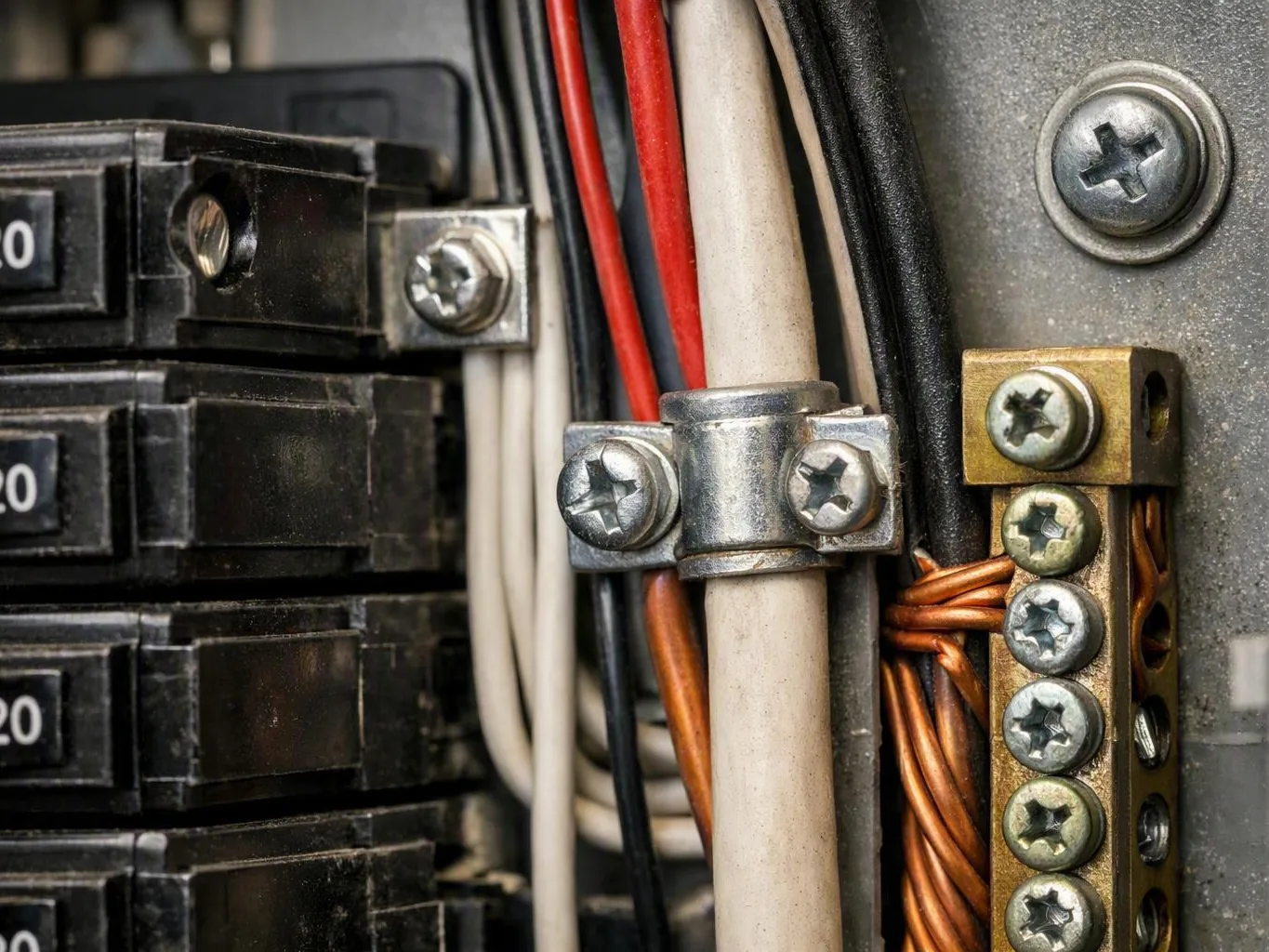
Bonding supports fast operation of overcurrent protection during a line-to-metal fault. Fast interruption reduces the time that exposed metal remains energized. It also limits damage to wiring and equipment. Bonding helps control voltage differences between nearby conductive parts. This matters around panels, appliances, piping, and other accessible metal.
A grounding electrode connection alone doesn't provide the same fault-clearing function as an equipment bonding path. The earth has too much impedance to reliably trip a standard breaker during many faults. Effective bonding works with grounding, insulation, and overcurrent devices as one safety system.
When Electrical Bonding Matters Most?
Bonding deserves close attention after electrical damage, panel replacement, service upgrades, renovations, flooding, or corrosion. It also matters when someone installs a generator, changes a transfer switch, adds metal conduit, or replaces equipment with a different connection arrangement. These changes can alter where grounded and grounding conductors connect.
Warning signs include tingling from an appliance, sparks when equipment is connected, unexplained breaker trips, heat at a metal connection, corrosion near electrical equipment, or a missing bonding jumper. In Miami, salt air, humidity, storm water, and outdoor equipment can speed corrosion at exposed connections. Emergency electrical work should leave the affected circuit de-energized until the bonding path and protective devices receive a proper inspection.
How to Evaluate Electrical Bonding?
- Check whether metal boxes, raceways, equipment frames, and required piping have approved bonding connections.
- Look for loose screws, missing jumpers, corrosion, paint under lugs, or damaged clamps.
- Verify continuity between exposed metal parts and the equipment grounding path with suitable test equipment.
- Confirm that neutral-to-ground bonding occurs only at the locations permitted by the system design and code.
- Review bonding after panel work, generator installation, flooding, storm damage, or service changes.
Related Concepts Compared
Electrical Bonding vs. Electrical Grounding
Grounding connects a system or equipment to earth or to a grounding source. Bonding connects conductive parts together so fault current can return to the source and protective devices can operate.
Electrical Bonding vs. Grounding Electrode
A grounding electrode is a physical connection to earth. Such as a ground rod or concrete-encased electrode. It is part of the grounding system, but it does not replace equipment bonding.
Electrical Bonding vs. Grounded Conductor
The grounded conductor is commonly called the neutral conductor. It carries normal return current, while a bonding path normally carries current only during a fault.
Electrical Bonding vs. Equipotential Bonding
Equipotential bonding connects conductive parts to reduce voltage differences between them. Electrical bonding is the broader practice that includes equipment bonding and other required connections.
Expert Note
A bonding connection can look tight and still fail electrically because paint, corrosion, a poor lug, or an incorrect conductor interrupts the path. Testing must match the equipment and circuit, and panel changes require attention to the bonding location.
Common Mistakes or Myths About Electrical Bonding
- Treating a ground rod as a substitute for equipment bonding.
- Installing a neutral-to-ground connection in a downstream panel without checking the system design.
- Leaving paint, rust, or corrosion between a bonding terminal and the metal surface.
- Using an unlisted clamp, screw, or jumper that is not rated for the equipment.
- Assuming a visual inspection proves electrical continuity.
Electrical Bonding in Practice: A Real-World Example
A faulted wire inside a metal air-conditioning disconnect touches the enclosure. A bonded enclosure sends fault current back through the equipment grounding path, so the breaker can trip. If the bonding screw or conductor is missing. The enclosure may stay energized.
Sources & Further Reading on Electrical Bonding
Related Terms
Electrical Grounding
Electrical Grounding is a planned connection between an electrical system, equipment, or circuit and the earth…
Electrical Resistance
Electrical Resistance is the opposition a material or component presents to electric current. Resistance limits current…
Electrical Code
Electrical Code is a set of safety rules for designing, installing, inspecting, and maintaining electrical systems…
Overcurrent Protection
Overcurrent Protection is a safety system that limits current when electricity exceeds a circuit’s rated capacity…
Earth Electric Florida
Have Questions About Electrical Bonding?
Contact Earth Electric Florida for practical guidance on Electrical Bonding and related emergency electrician work in Miami.