
What is PVC Conduit?
PVC Conduit is a nonmetallic raceway made from rigid polyvinyl chloride that protects and routes insulated electrical conductors. PVC conduit resists moisture, corrosion, and many chemicals, but it does not provide a grounding path. Installers join sections with approved fittings and solvent cement, then size the raceway for the number and size of conductors.
Quick Facts About PVC Conduit
Category
Nonmetallic electrical raceway
Used for
Routing wires indoors, outdoors, underground, and in wet locations
Common confusion
PVC conduit is not the same as plastic plumbing pipe
Main risk
Physical damage or improper grounding when installation rules are ignored
Also called
Rigid PVC conduit, Plastic electrical conduit
Often discussed with
Electrical Wiring Repair, Electrical Code Corrections
Key Takeaways About PVC Conduit
- PVC conduit protects electrical conductors from moisture, impact, corrosion, and physical contact.
- The raceway does not replace an equipment grounding conductor or bonding connection.
- Conduit size depends on conductor count, wire size, insulation type, and fill limits.
- Schedule 40 and Schedule 80 PVC have different wall thicknesses and protection levels.
- Approved fittings, solvent cement, support spacing, and burial depth affect installation quality.
Understanding PVC Conduit
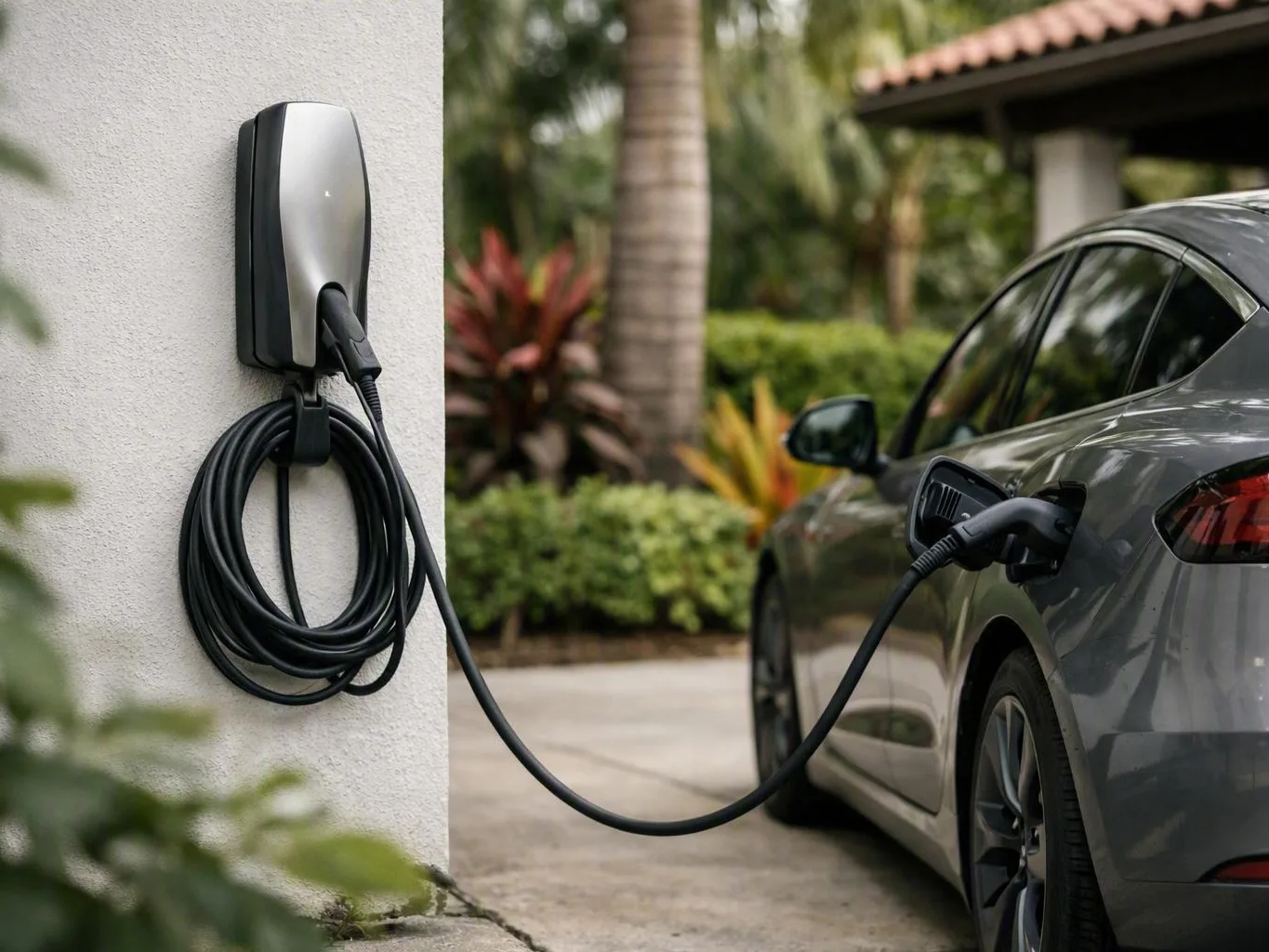
PVC conduit is a rigid plastic pathway for electrical conductors. Its walls keep wires away from moisture, abrasion, impact, and accidental contact. The material is polyvinyl chloride, often called PVC, and it doesn't rust like steel conduit. Electricians commonly install it in walls, concrete, outdoor areas, and underground runs.
Related glossary terms: Conduit, EMT, Electrical Grounding.
PVC conduit's not a wire, cable, or grounding conductor. A separate equipment grounding conductor usually runs inside the raceway because plastic does not carry fault current like metal conduit. Electrical installations also need compatible fittingsproperly cemented joints, and supports that keep the raceway secure. Electrical codes determine where this raceway is permitted and how it must be installed.
How PVC Conduit Works, Is Measured, or Is Used?
Installers select a conduit trade size based on the number and size of conductors, conductor insulation, and permitted raceway fill. A larger trade size provides more room for pulling wires and reduces crowding. The calculation also considers bends because long runs with several bends increase pulling force. Common nominal sizes include one-half inch, three-quarter inch, and one inch.
Schedule 40 PVC is common where normal protection is expected. Schedule 80 PVC has thicker walls for areas that face greater physical damage. The schedule does not describe the electrical capacity of the raceway. Installers cut the pipe square, remove sharp edges, and fit approved connectors. They apply compatible solvent cement when the product instructions require it. A pulling string may help place conductors through longer runs.
Conduit runs need planned bends and access points. Electrical rules limit the total bend between pull points. Installers may add a junction box where a run becomes difficult to pull. The raceway must also receive suitable supports and protection where it passes through exposed areas. Burial installations require the correct product, cover, and protection based on location and local code requirements.
Why PVC Conduit Matters?

PVC conduit helps protect wiring where water, salt air, or soil could damage metal raceways. That makes it useful in wet locations and many coastal environments, including parts of South Florida. Its nonmetallic construction also avoids corrosion caused by dissimilar metals. The tradeoff is lower resistance to impact and heat than some metal raceways.
Plastic conduit changes how an electrical system handles faults. Because PVC can't serve as the grounding path, the circuit needs a correctly sized grounding conductor. It also needs secure bonding at electrical boxes and equipment. A missing or loose grounding conductor can leave a fault without a dependable path. That path must trip the overcurrent protection. Proper design therefore affects both equipment protection and shock risk.
When PVC Conduit Matters Most?
PVC conduit becomes especially important during outdoor work, underground installation, concrete encasement, and repairs after water exposure. Inspectors may check the raceway type, conductor fill, joints, and supports. They may also check protection from damage and the grounding method. Local amendments can affect burial depth and permitted locations. They can also affect required fittings. So the project must follow the adopted electrical code.
Before accepting an installation, check that every conductor is rated for the environment. Check that the raceway has no cracks, crushed sections, open ends, or sharp edges. Look for sealed entries where moisture could enter equipment. In an emergency repair, temporary wire routing can create hidden damage. This can happen if conductors are left exposed or forced into an undersized raceway. A correct repair restores protection, access, and code-required grounding.
How to Evaluate PVC Conduit?
- Confirm the conduit marking, trade size, schedule, and listing match the installation location.
- Calculate conductor fill using conductor size, insulation type, and the applicable electrical code table.
- Check every joint for approved fittings, full engagement, and compatible solvent cement.
- Inspect supports, bends, burial cover, and physical protection for the specific location.
- Verify that a separate equipment grounding conductor is present where plastic conduit cannot provide one.
Related Concepts Compared
PVC Conduit vs. Conduit
Conduit is the broad term for a raceway that protects and routes conductors. PVC conduit identifies a specific nonmetallic conduit material.
PVC Conduit vs. EMT
EMT is thin-wall galvanized steel tubing. EMT can provide a grounding path when installed correctly, while PVC conduit cannot.
PVC Conduit vs. PVC Plumbing Pipe
PVC plumbing pipe carries water or waste and is not automatically approved for electrical conductors. Electrical PVC conduit has different markings, fittings, and performance requirements.
PVC Conduit vs. Electrical Grounding
Electrical grounding provides a planned path for fault current and stabilizes system voltage. PVC conduit protects conductors but does not perform that grounding function.
Expert Note
PVC conduit often performs well in wet and corrosive locations, but installers must match the product to physical exposure, temperature, sunlight, and burial conditions. A plastic raceway also requires careful grounding conductor installation because the raceway itself cannot clear a fault.
Common Mistakes or Myths About PVC Conduit
- Treating PVC conduit as a grounding conductor.
- Using plumbing pipe instead of listed electrical conduit.
- Filling the raceway beyond permitted conductor limits.
- Leaving exposed PVC where vehicles, tools, or other impacts can damage it.
- Mixing incompatible conduit, fittings, or solvent cement.
PVC Conduit in Practice: A Real-World Example
An electrician runs three insulated conductors and one grounding conductor through PVC conduit. The conduit runs from an outdoor disconnect to a detached garage. The electrician sizes the raceway for conductor fill and uses weather-rated fittings. The electrician protects exposed sections from impact and follows local burial requirements.
Sources & Further Reading on PVC Conduit
Related Terms
Conduit
Conduit is a tube or raceway that protects and routes electrical wires and cables. It may…
EMT
EMT is electrical metallic tubing, a thin-wall steel or aluminum conduit used to protect and route…
Electrical Grounding
Electrical Grounding is a planned connection between an electrical system, equipment, or circuit and the earth…
Electrical Code
Electrical Code is a set of safety rules for designing, installing, inspecting, and maintaining electrical systems…
Earth Electric Florida
Have Questions About PVC Conduit?
Contact Earth Electric Florida for practical guidance on PVC Conduit and related emergency electrician work in Miami.