
What is EMT?
EMT is electrical metallic tubing, a thin-wall steel or aluminum conduit used to protect and route insulated electrical conductors. Electricians install EMT in exposed, concealed, commercial, industrial, and some residential wiring systems. The tubing supports physical protection, grounding continuity when properly connected, and organized conductor pathways under applicable electrical codes.
Quick Facts About EMT
Category
Metal electrical conduit
Used for
Protecting and routing insulated conductors
Common confusion
EMT is not electrical technician
Relevant standard
NFPA 70, National Electrical Code
Also called
Electrical metallic tubing, Thin-wall conduit
Often discussed with
Electrical Wiring Repair, Electrical Code Corrections
Key Takeaways About EMT
- EMT protects electrical conductors from impact, wear, and some environmental hazards.
- Steel EMT may provide a ground path when workers install and bond fittings correctly.
- Electricians cut, ream, bend, and connect EMT with listed fittings.
- EMT differs from PVC conduit because it is metal and needs rust control.
- Local code rules decide where workers may use EMT and how they install it.
Understanding EMT
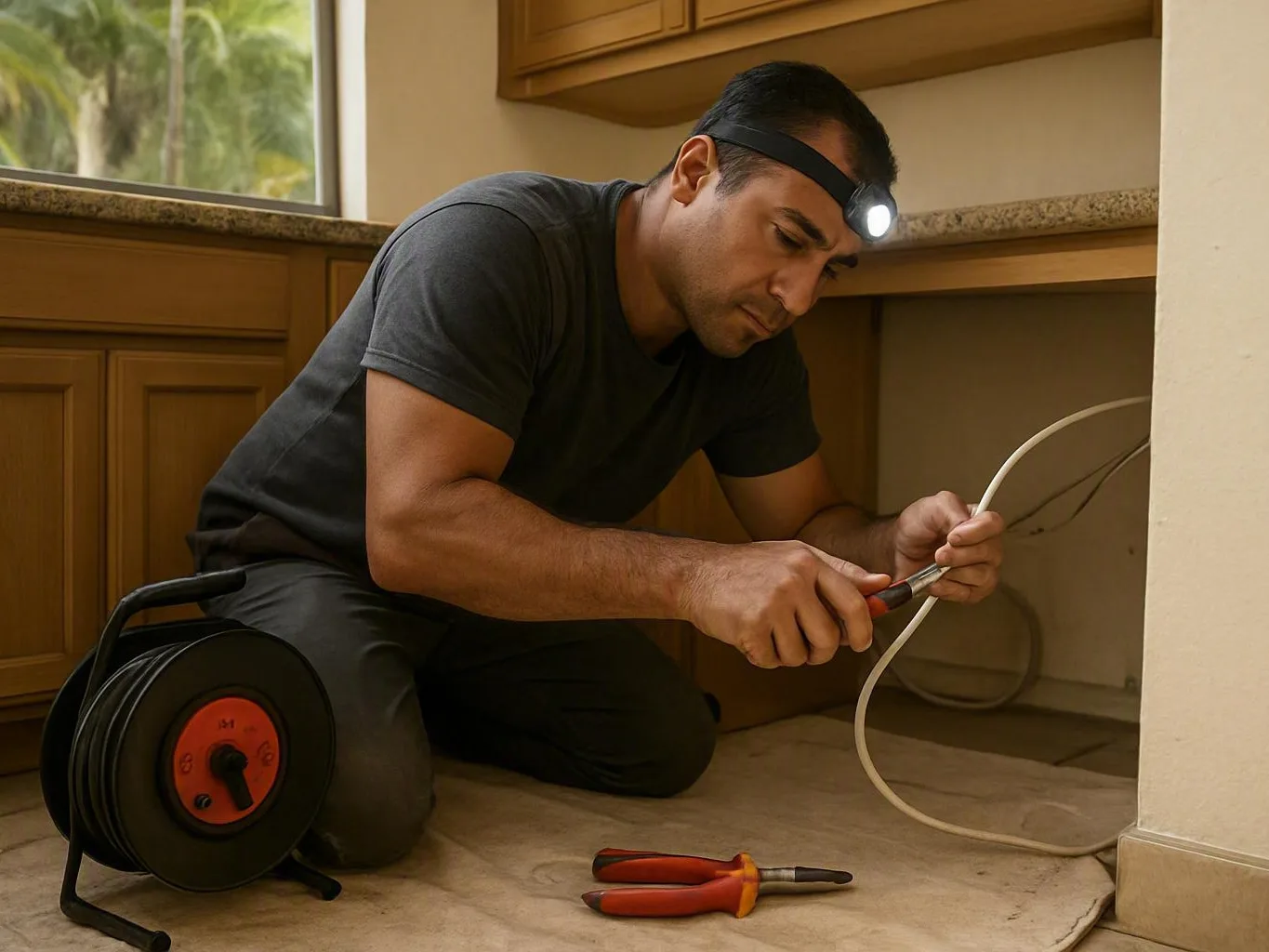
EMT, or electrical metallic tubing, is a thin-wall metal raceway for electrical conductors. It usually consists of galvanized steel. Aluminum versions are also available. The tubing gives wires a defined route. It shields them from physical damage caused by tools, stored materials, movement, or accidental contact.
Related glossary terms: Conduit, Electrical Code, Electrical Grounding.
Unlike rigid metal conduit, EMT has a thinner wall and weighs less. Electricians form the raceway with a hand bender or powered bender. They then connect sections with listed compression fittings or set-screw fittings. Properly installed steel EMT can also help maintain equipment grounding continuity. That function depends on sound fittings, tight connections, and compliance with the applicable code.
How EMT Works, Is Measured, or Is Used?
EMT doesn't carry electrical current as a conductor for the circuit. Instead, insulated wires pass through the tubing after the raceway is installed. The electrician selects a trade size based on conductor count, conductor size, fill limits, bend space, and the route between boxes or equipment.
Installation starts with layout and measurement. The electrician cuts the tubing and removes sharp edges with a reamer. The electrician makes required bends and secures the raceway with straps or other approved supports. Conductors are then pulled through the completed route. Junction boxes, couplings, connectors, and grounding connections are checked before energizing the circuit.
EMT is often exposed in garages, warehouses, utility areas, mechanical rooms, and commercial interiors. It can also appear above ceilings or inside framed construction where local rules permit it. The raceway must match the environment. Moisture, salt, chemicals, and corrosive conditions can damage metal over time.
Why EMT Matters?
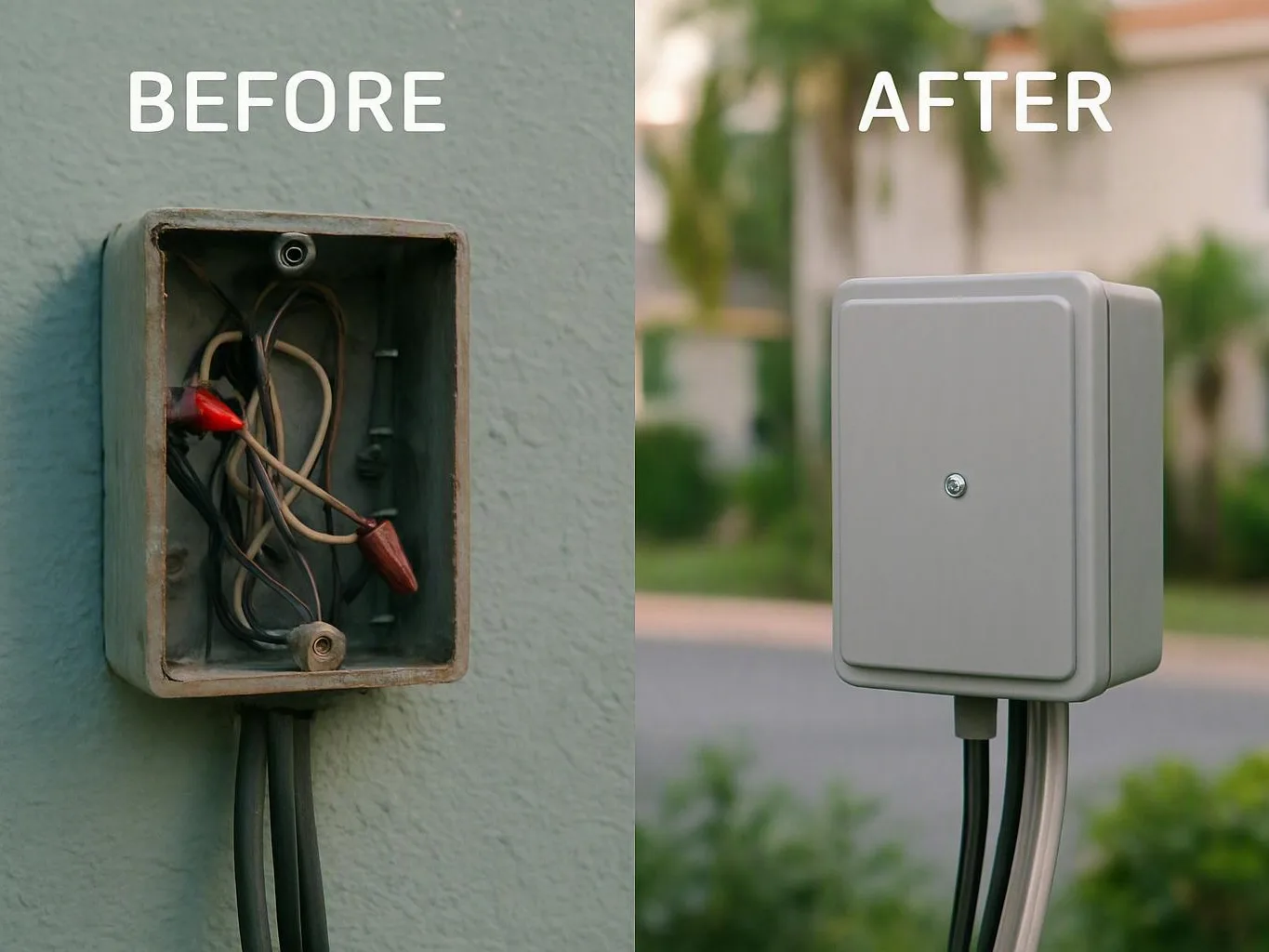
EMT gives an electrical installation a clear, serviceable pathway. A visible raceway makes future inspection, conductor replacement, and circuit identification easier. This is better than wiring that's buried without an accessible route. The metal enclosure also reduces the chance of minor impacts. Those impacts could cut insulation and create a shock or fire hazard.
Correct installation affects both safety and performance. Poorly reamed tubing can damage wire insulation. Excessive bends can make conductor pulling difficult. Loose fittings or missing bonding connections can interrupt the grounding path. They can also increase fault-clearing risk.
When EMT Matters Most?
EMT matters when wiring faces physical damage. It also helps when a project needs a durable, visible raceway. It's common near electrical panels, rooftop equipment, commercial lighting, air-conditioning equipment, and service areas. In coastal Miami, corrosion resistance deserves special attention. Salt air and moisture can shorten the life of unprotected metal.
Selection also matters during repairs, additions, and code corrections. The electrician must confirm conductor fill, bend limits, support spacing, fitting approval, grounding and bonding, and the rules for the specific location. EMT isn't automatically suitable for wet locations, corrosive areas, underground placement, or every outdoor installation. The environment and local requirements must guide the choice.
How to Evaluate EMT?
- Confirm the EMT trade size matches conductor fill limits and the planned wire sizes.
- Inspect cut ends for smooth surfaces without burrs that could damage insulation.
- Check that fittings are listed for EMT and tightened according to manufacturer instructions.
- Look for secure supports, complete couplings, and continuous grounding and bonding paths.
- Review corrosion exposure, wet-location rules, and local permit requirements before installation.
Related Concepts Compared
EMT vs. Rigid Metal Conduit
Rigid metal conduit has a thicker wall and greater mechanical strength than EMT. EMT is lighter and easier to bend, while rigid conduit is often selected for severe physical exposure.
EMT vs. PVC Conduit
PVC conduit is nonmetallic and resists many corrosive conditions. It does not provide the same metal grounding path as properly bonded steel EMT.
EMT vs. Electrical Technician
An electrical technician is a person who installs, tests, or repairs electrical systems. EMT refers to a type of conduit, not a trade or job title.
Expert Note
A clean EMT installation depends on more than straight runs. Burrs, over-bending, loose fittings, and poor bonding can create problems that remain hidden until a conductor is pulled, a fault occurs, or an inspection finds the defect.
Common Mistakes or Myths About EMT
- Treating EMT as a substitute for insulated conductors.
- Leaving burrs inside cut tubing.
- Using fittings that are not listed for the raceway type.
- Assuming every EMT installation is suitable for wet or corrosive locations.
- Ignoring grounding and bonding continuity.
EMT in Practice: A Real-World Example
A commercial air-conditioning circuit runs from a panel to rooftop equipment through exposed steel EMT. The electrician sizes and bends the raceway around roof structure, then reams each cut end. The electrician secures the route, checks bonding, and tests the circuit.
Sources & Further Reading on EMT
Related Terms
Conduit
Conduit is a tube or raceway that protects and routes electrical wires and cables. It may…
Electrical Code
Electrical Code is a set of safety rules for designing, installing, inspecting, and maintaining electrical systems…
Electrical Grounding
Electrical Grounding is a planned connection between an electrical system, equipment, or circuit and the earth…
Electrical Bonding
Electrical Bonding is the practice of connecting metal parts of an electrical system with conductive paths…
Earth Electric Florida
Have Questions About EMT?
Contact Earth Electric Florida for practical guidance on EMT and related emergency electrician work in Miami.