
What is Copper Wiring?
Copper Wiring is electrical conductors made from copper strands or solid copper cores that carry electric current through buildings, equipment, and utility systems. Insulating material surrounds the conductive metal to prevent contact, short circuits, and shock. Wire size, insulation rating, circuit voltage, and installation method determine safe use.
Quick Facts About Copper Wiring
Category
Electrical conductor
Measured by
AWG size, ampacity, voltage rating, and resistance
Used for
Branch circuits, feeders, service conductors, and equipment connections
Common confusion
Copper wire is not the same as copper-clad aluminum wire.
Also called
Copper conductors, Copper electrical wire
Often discussed with
Electrical Wiring Repair, Emergency Electrical Inspections
Key Takeaways About Copper Wiring
- Copper carries electricity well because it has low electrical resistance.
- Wire gauge must match the circuit load, voltage, length, and overcurrent protection.
- Insulation protects people and property from shocks, shorts, heat, and contact.
- Aluminum wiring is different and needs matching terminals, connectors, and install methods.
- Damaged, loose, or hot copper wiring can create a serious fire hazard.
Understanding Copper Wiring
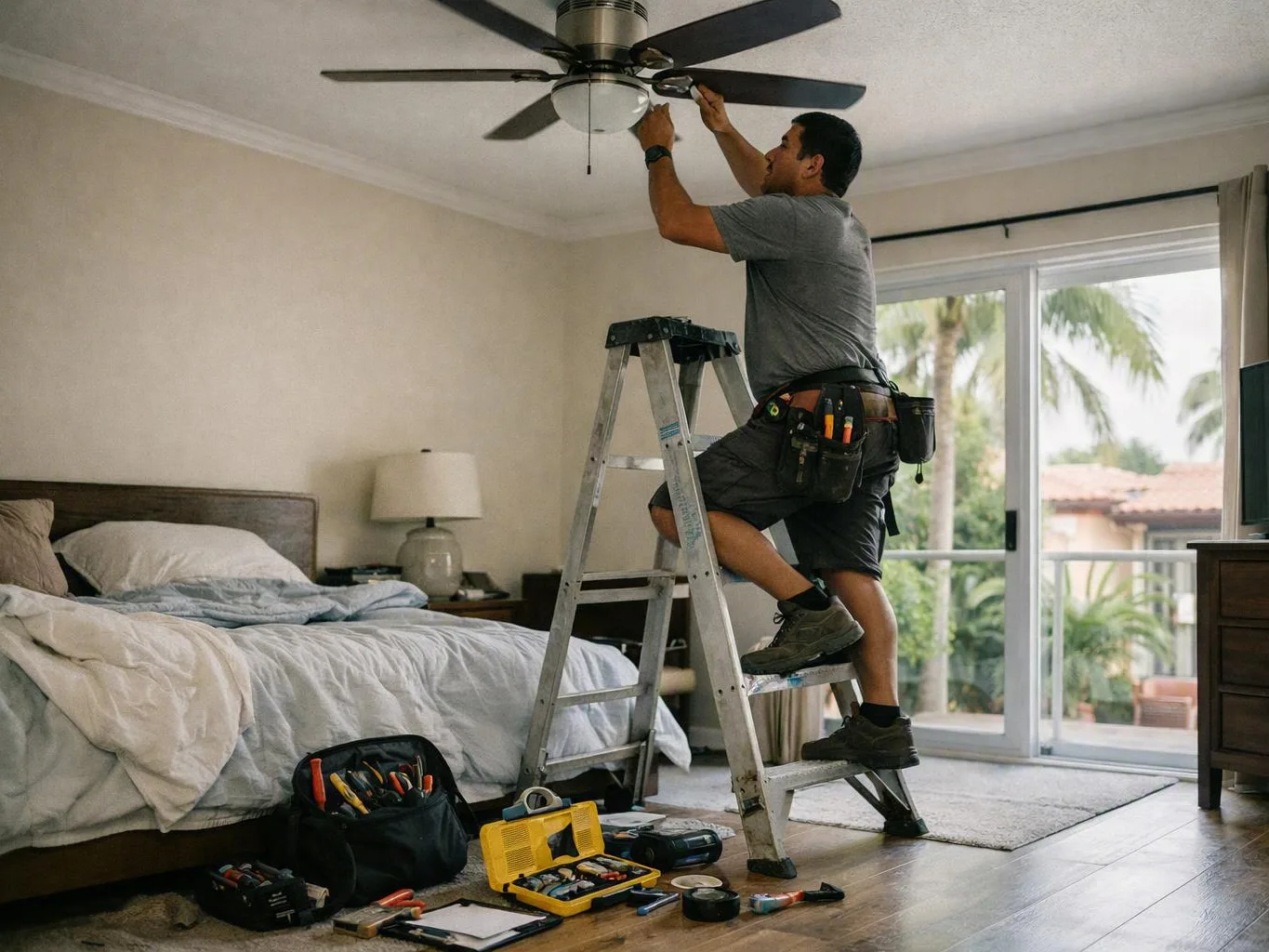
Copper Wiring consists of conductive copper metal. Insulation covers it or protects it inside an approved wiring system. Copper may appear as a solid core in smaller building wire. It may also appear as many strands in flexible cables. The insulation separates the energized conductor from people, wires, metal boxes, and building materials.
Related glossary terms: AWG, Branch Circuit, Electrical Resistance.
Copper has low electrical resistance. It carries current with less voltage loss than many common materials. Its strength supports reliable connections in branch circuits, feeders, service equipment, motors, and control systems. The copper itself doesn't determine if an installation is safe. The wire size, insulation type, temperature rating, and installation method must match. Circuit protection must also match.
How Copper Wiring Works, Is Measured, or Is Used?
Electric current moves through the copper conductor. The insulation controls where the current can go. A circuit breaker or fuse limits current during a fault or overload. The conductor needs enough ampacity for the expected load. Ampacity means the current a conductor can safely carry. The protective device must prevent the conductor from overheating. American Wire Gauge, or AWG, identifies conductor size. Smaller AWG numbers represent larger wires.
Electricians select copper wiring by reviewing the circuit voltage and equipment load. They also review wire length, ambient temperature, and installation conditions. Longer runs may need a larger conductor to control voltage drop. Terminals and splices must match the conductor material and size. A loose connection increases resistance at one point. This can produce heat even when the wire looks undamaged.
Building wire usually includes a hot conductor. It may include a grounded neutral conductor when required. It also includes an equipment grounding conductor. Color markings help identify these functions. Workers must verify a circuit before touching it. A voltage tester, circuit directory, and visual inspection support testing. Testing doesn't replace safe isolation procedures.
Why Copper Wiring Matters?

Correct copper wiring helps equipment receive stable power. It also helps circuit protection work as intended. An undersized conductor can overheat under normal load. A damaged jacket can expose energized metal. Heat marks, discoloration, brittle insulation, buzzing, or repeated breaker trips can signal problems. These signs can point to a connection or loading problem.
The conductor material also affects repair decisions. Copper-to-copper connections generally need properly rated terminals and connectors. Copper-to-aluminum connections need products listed for that combination. Mixing materials without the correct connector can create corrosion, resistance, and heat. A repair should preserve the circuit rating. It shouldn't simply replace a visible wire section.
When Copper Wiring Matters Most?
Copper wiring needs close attention during panel replacements, remodels, and additions. It also needs attention during equipment installations and emergency repairs. Older homes may contain altered circuits or damaged insulation. They may also have crowded boxes or connections that no longer suit the load. Water intrusion and storm damage can affect insulation, terminals, and metal raceways. This can happen even when the copper conductor looks clean.
Evaluation should focus on the complete circuit. It shouldn't focus only on the wire material. Check the conductor size against the breaker rating. Inspect terminations for heat damage. Confirm grounding and bonding paths. Verify that boxes and raceways provide enough space. Local code requirements may affect permitted work and conductor types. They may also affect working clearances and inspection procedures. These details matter in Miami. Moisture, flooding, and storms can increase electrical damage.
How to Evaluate Copper Wiring?
- Confirm the AWG size and insulation rating against the circuit breaker or fuse and the connected equipment load.
- Inspect terminals, splices, and wire ends for looseness, discoloration, melting, corrosion, or heat damage.
- Check whether copper conductors connect to aluminum conductors through connectors listed for that specific combination.
- Measure voltage at the load and compare it with the equipment requirements, especially on long circuit runs.
- Verify grounding, bonding, box fill, and raceway conditions against the adopted electrical code.
Related Concepts Compared
Copper Wiring vs. Aluminum Wiring
Aluminum wiring uses aluminum as the conductor instead of copper. It needs compatible terminals, antioxidant practices where required, and connectors listed for aluminum conductors.
Copper Wiring vs. Copper-Clad Aluminum
Copper-clad aluminum has an aluminum core covered by a thin copper layer. It is not solid copper, so its ampacity, terminations, and markings must be evaluated as specified for that conductor.
Copper Wiring vs. Electrical Cable
Electrical cable is an assembly that may contain one or more insulated conductors and a protective jacket. Copper wiring describes the conductor material, while cable describes the complete assembly.
Expert Note
A copper conductor can remain serviceable while its termination fails. During an inspection, examine the breaker lug, neutral bar, splice, and equipment terminal for heat damage and torque concerns, not only the visible wire jacket.
Common Mistakes or Myths About Copper Wiring
- Assuming every copper wire can carry the same current.
- Installing a larger breaker without confirming the conductor ampacity.
- Treating copper-clad aluminum as solid copper.
- Reusing heat-damaged wire ends without cutting back to sound conductor.
- Ignoring loose terminations because the insulation still looks normal.
Copper Wiring in Practice: A Real-World Example
A kitchen circuit has copper wires that look intact, but the receptacle terminal is loose and dark. The loose connection makes heat under load. The repair replaces the damaged receptacle and wire end. Then checks the breaker and circuit load.
Sources & Further Reading on Copper Wiring
Related Terms
AWG
AWG is the American Wire Gauge system, a standard way to identify the diameter and cross-sectional…
Branch Circuit
Branch Circuit is the part of an electrical system that carries power from a final overcurrent…
Electrical Resistance
Electrical Resistance is the opposition a material or component presents to electric current. Resistance limits current…
Voltage Drop
Voltage Drop is the reduction in electrical potential that occurs as current travels through a wire…
Earth Electric Florida
Have Questions About Copper Wiring?
Contact Earth Electric Florida for practical guidance on Copper Wiring and related emergency electrician work in Miami.