
What is Branch Circuit?
Branch Circuit is the part of an electrical system that carries power from a final overcurrent device, such as a circuit breaker, to outlets, lights, or permanently connected equipment. A branch circuit includes the circuit conductors and connected loads. Its breaker rating, wire size, and intended use must match the electrical installation.
Quick Facts About Branch Circuit
Category
Electrical distribution circuit
Used for
Outlets, lighting, and equipment
Common confusion
A branch circuit is not the main service
Main risk
Overload, fault current, or wiring damage
Also called
Final circuit, Branch wiring circuit
Often discussed with
New Circuit Installation, Electrical Overload Correction
Key Takeaways About Branch Circuit
- Each branch circuit starts at a panel overcurrent device and serves assigned electrical loads.
- Wire size and breaker rating must match the circuit design and connected equipment.
- Dedicated circuits power larger appliances that could overload general-purpose circuits.
- Grounding and bonding help lower shock and fault hazards on branch circuits.
- A tripped breaker may show an overload, short circuit, or another wiring fault.
Understanding Branch Circuit
Branch Circuit means the part of an electrical installation between the final overcurrent protection device and its outlets, lights, or equipment. The final device is usually a circuit breaker in an electrical panel. The circuit includes current-carrying conductors and a grounding conductor when required. It also includes the connected electrical loads.
Related glossary terms: Arc Fault Circuit Interrupter, AWG, Electrical Code.
A branch circuit's smaller than a feeder or service entrance. A service entrance brings utility power to the building. A feeder supplies power from a main panel to another panel or distribution point. The branch circuit carries power to the end-use point. Examples include a receptacle, ceiling light, air conditioner, or water heater.
How Branch Circuit Works, Is Measured, or Is Used?
Electric current leaves the panel on an ungrounded conductor. It passes through the connected load. It returns through a grounded conductor when required by the circuit design. A separate equipment grounding conductor provides a low-resistance path for fault current. That path helps the breaker open quickly when energized metal contacts the grounding system.
Electricians size a branch circuit by comparing the expected load, voltage, and ampere rating. The basic power relationship is watts equal volts multiplied by amperes. For example, a 120-volt load drawing 10 amperes uses about 1,200 watts. The wire gauge, insulation rating, breaker, outlet rating, and installation method must work together. They must also meet the applicable electrical code.
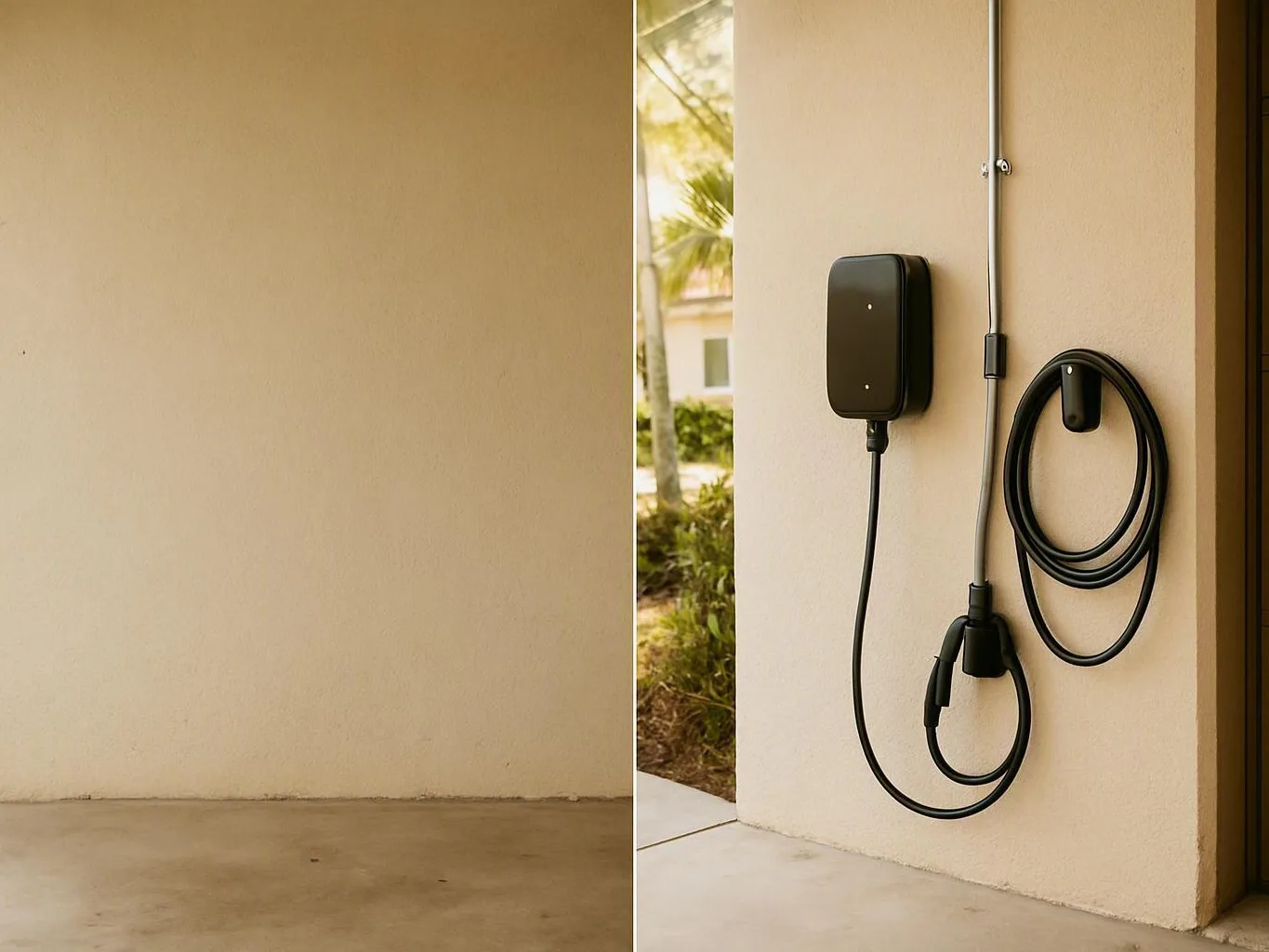
Some circuits serve several general-purpose outlets or lights. Other loads need a dedicated circuit. Motors, heating elements, compressors, and chargers may draw substantial current. A kitchen appliance, air-conditioning unit, clothes dryer, or electric vehicle charger may need its own circuit. The circuit must match that specific equipment.
Why Branch Circuit Matters?
Correct branch-circuit design limits heat in wires and reduces nuisance trips. A breaker protects conductors from excessive current. However, a breaker can't correct every wiring problem. Loose terminals, damaged insulation, water intrusion, and incorrect connections can still create heat or arcing.
The circuit layout also affects troubleshooting. Labels should identify the areas or equipment served by each breaker. Clear labeling helps you disconnect the correct circuit during maintenance. It also helps an electrician find an overload, short circuit, or loss of power. The electrician won't need to shut down unrelated equipment.
When Branch Circuit Matters Most?
Branch circuits need close attention during renovations, appliance installations, and panel work. Repeated breaker trips also need attention. Adding outlets or equipment to an existing circuit can exceed its design load. Replacing a breaker with a larger one can create danger. You must check the conductor size first.
Moisture and storm exposure make inspection more urgent in Miami, FL. Water can enter outdoor boxes, conduit, panels, and wall spaces. It can damage connections or reduce insulation performance. Warning signs include warm outlets, burning odors, buzzing, discoloration, shocks, flickering lights, and repeated breaker trips. A circuit with these signs should remain de-energized. Keep it off until someone finds the cause.
How to Evaluate Branch Circuit?
- Check whether the breaker rating matches the conductor size and the equipment nameplate requirements.
- Identify every outlet, light, and appliance served by the circuit before adding another load.
- Look for warm or discolored outlets, buzzing, burning odors, flickering, or repeated breaker trips.
- Confirm that panel labels match the actual rooms and equipment controlled by each breaker.
- Verify that wet-location circuits have the required grounding and ground-fault protection.
Related Concepts Compared
Branch Circuit vs. Feeder
A feeder carries power from a service or main panel to another panel or distribution point. A branch circuit carries power from final overcurrent protection to end-use outlets or equipment.
Branch Circuit vs. Service Entrance
The service entrance connects utility power to the building's service equipment. A branch circuit distributes power inside the building after service equipment and panel protection.
Branch Circuit vs. Dedicated Circuit
A dedicated circuit is a branch circuit intended for one appliance or piece of equipment. Not every branch circuit is dedicated, since many general-purpose circuits serve multiple outlets.
Expert Note
A breaker trip does not automatically mean the breaker is defective. The cause may be a normal overload, a failed appliance, a loose termination, moisture, or an arc fault. Testing the circuit and its connected loads is safer than repeatedly resetting the breaker.
Common Mistakes or Myths About Branch Circuit
- Installing a larger breaker to stop trips without confirming that the conductors can carry the added current.
- Assuming every receptacle in a room belongs to the same branch circuit.
- Connecting a high-demand appliance to a general-purpose circuit without checking its nameplate.
- Resetting a tripping breaker repeatedly instead of finding the underlying fault.
- Leaving outdoor or wet-location connections unprotected from water and corrosion.
Branch Circuit in Practice: A Real-World Example
A 120-volt kitchen branch circuit powers several countertop receptacles through a panel breaker. A portable heater and toaster running together may draw enough current to trip the breaker. If the load is expected and continuous, a separate appliance circuit may be needed.
Sources & Further Reading on Branch Circuit
Related Terms
Arc Fault Circuit Interrupter
Arc Fault Circuit Interrupter is a protective device that detects dangerous electrical arcing and disconnects power…
AWG
AWG is the American Wire Gauge system, a standard way to identify the diameter and cross-sectional…
Electrical Code
Electrical Code is a set of safety rules for designing, installing, inspecting, and maintaining electrical systems…
Ground Fault Circuit Interrupter
Ground Fault Circuit Interrupter is a protective device that shuts off electrical power when current takes…
Earth Electric Florida
Have Questions About Branch Circuit?
Contact Earth Electric Florida for practical guidance on Branch Circuit and related emergency electrician work in Miami.