How are dead outlets and switches tested?
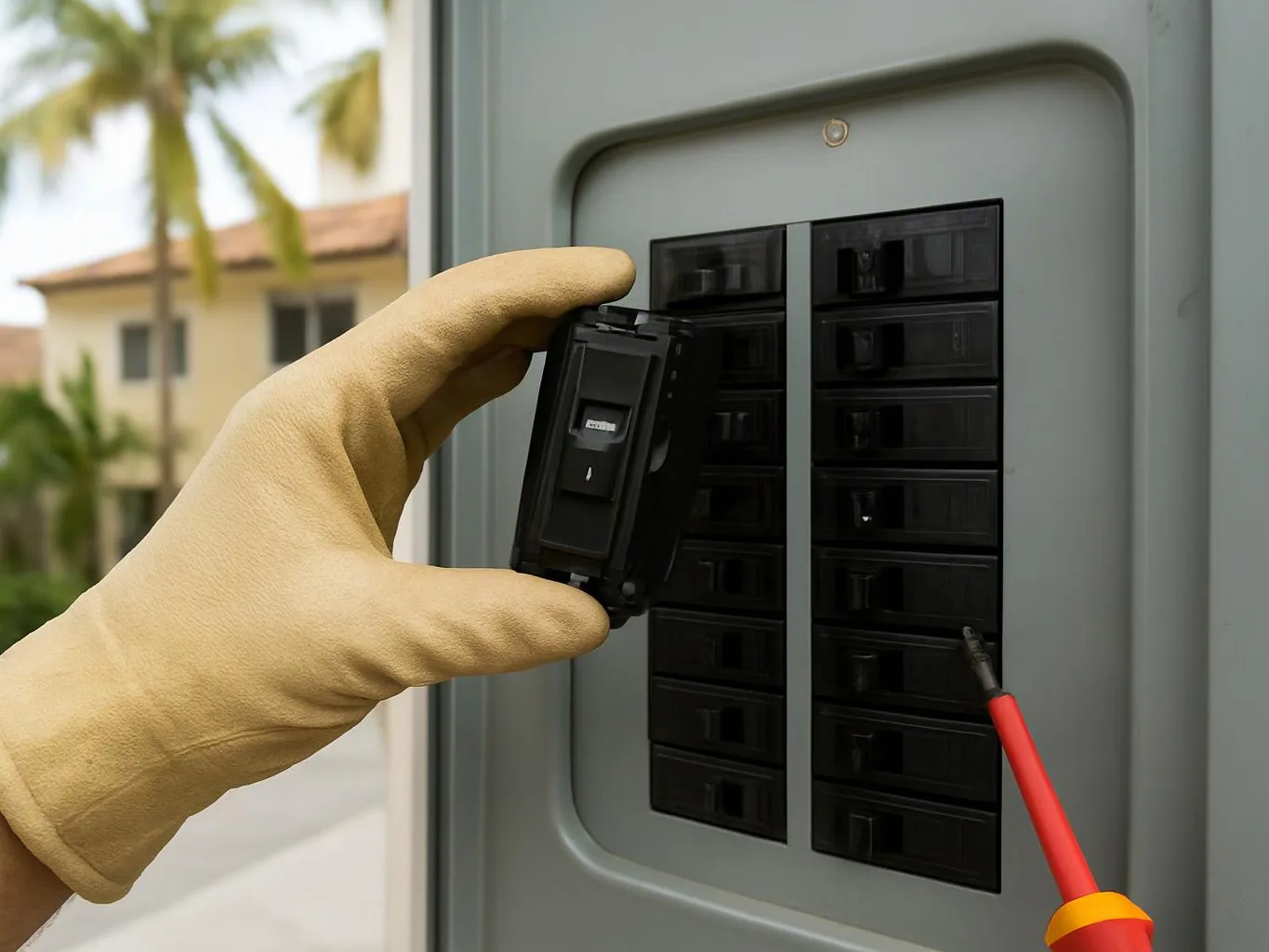
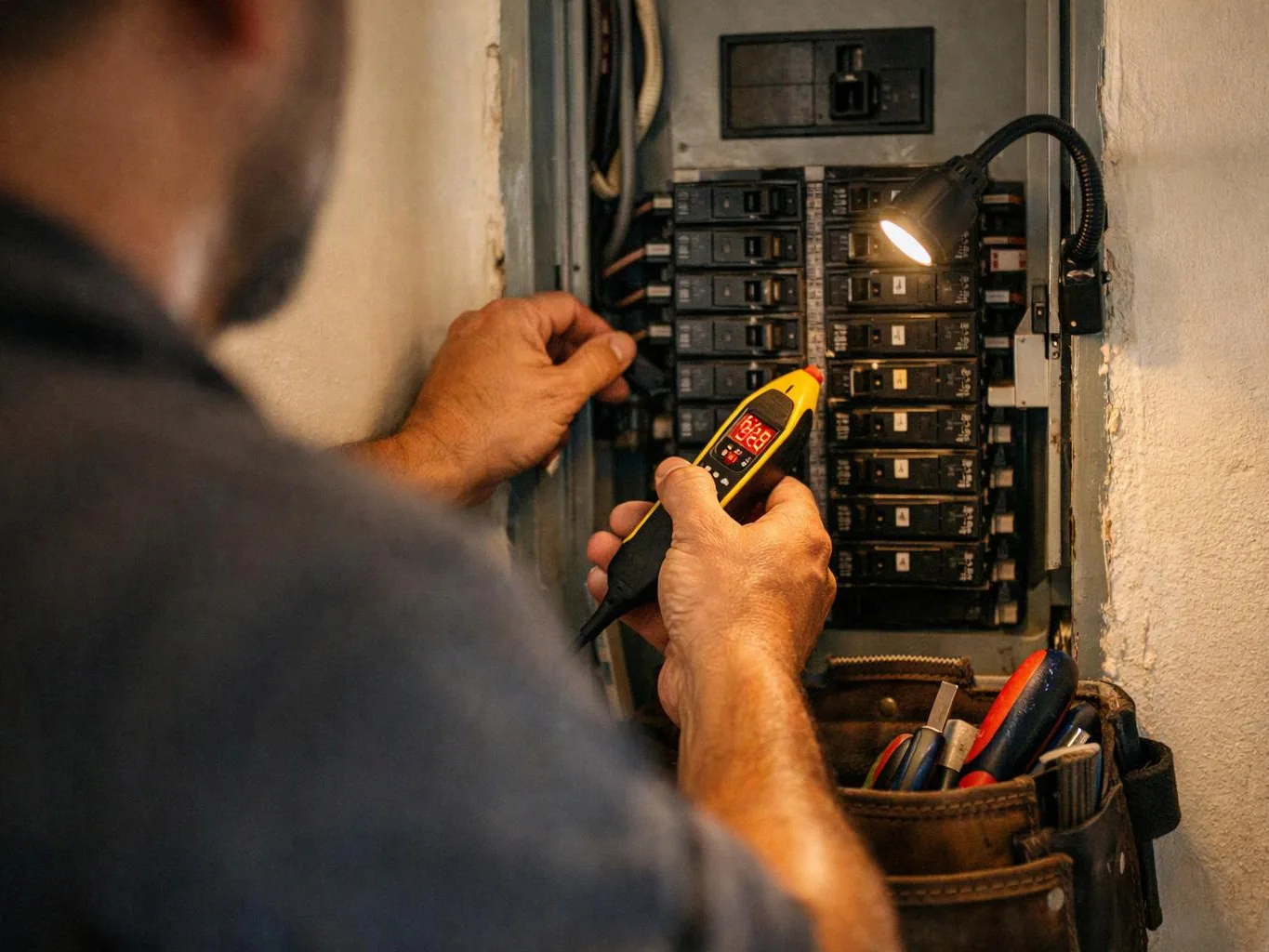
Outlet testing checks voltage at the receptacle, switch, breaker, and related GFCI device. Earth Electric then traces the circuit when power does not reach the device. We inspect for loose connections, damaged wiring, and failed parts before explaining the repair. Repeated trips, heat, sparks, or burning smells should be reported before testing begins.
What should be ready before electrical troubleshooting starts?
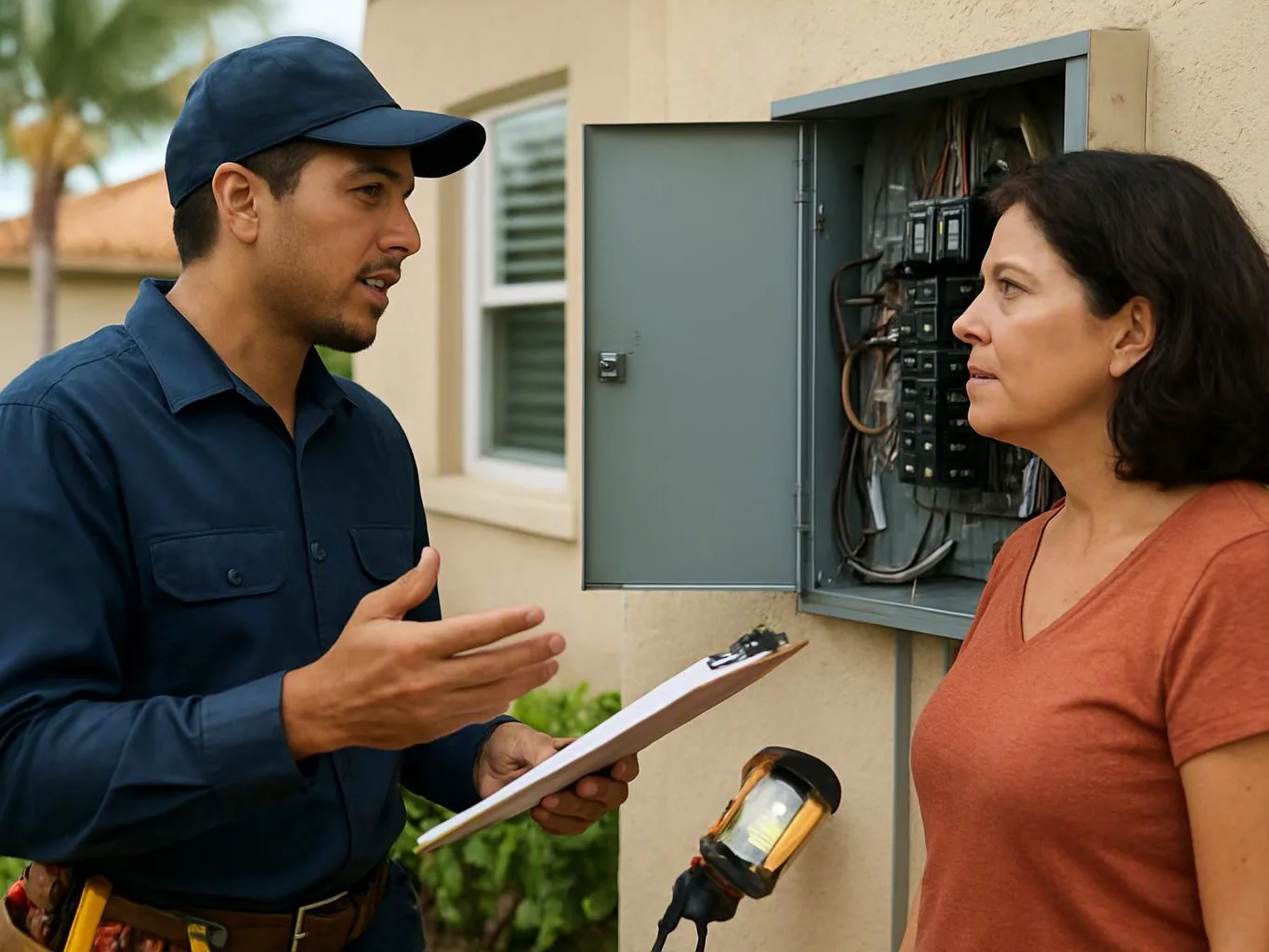
Access to the affected devices and electrical panel should be ready before testing starts. Note which rooms, outlets, switches, and lights are affected, and share any recent breaker trips or repairs. Keep furniture clear of the work area. Photos can help, but they don't replace an on-site electrical test.
Which property condition changes the testing time?
Limited access to panels, concealed wiring, and multiple affected circuits can expand the testing work. Older devices, added outlets, and unclear breaker labels may also require more circuit tracing. We check the accessible path first, then explain any added diagnostic scope before moving beyond the original request.
Why does a breaker keep tripping after an outlet reset?
A recurring trip means the circuit still has a fault, overload, damaged device, or wiring problem. We test the outlet, connected load, breaker, and circuit path to find the cause. Leave the breaker off if it trips again, especially when the panel buzzes or an outlet feels warm.
What should I ask before agreeing to the repair?
Ask which device or circuit failed, what testing found, and which work the estimate includes. We also explain whether the scope calls for a repair, replacement, new circuit, or panel work. Ask how the repaired circuit will be tested and whether related work, permits, or access needs are part of the estimate.
Can Earth Electric test outlets in commercial properties?
Earth Electric tests outlets and switches in commercial properties as well as homes. We account for connected equipment, business access, panel locations, and circuit impact during the assessment. Tell us whether the affected device powers equipment or a work area, so the diagnostic scope reflects the property’s use.
When should a dead outlet become an urgent electrical call?
A dead outlet becomes urgent when it has heat, smoke, sparks, a burning smell, or a buzzing sound. Turn off the affected circuit if you can do so safely and keep people away from the device. Our 24/7 emergency electrician availability covers urgent electrical problems.