How can intermittent electrical problems be diagnosed?
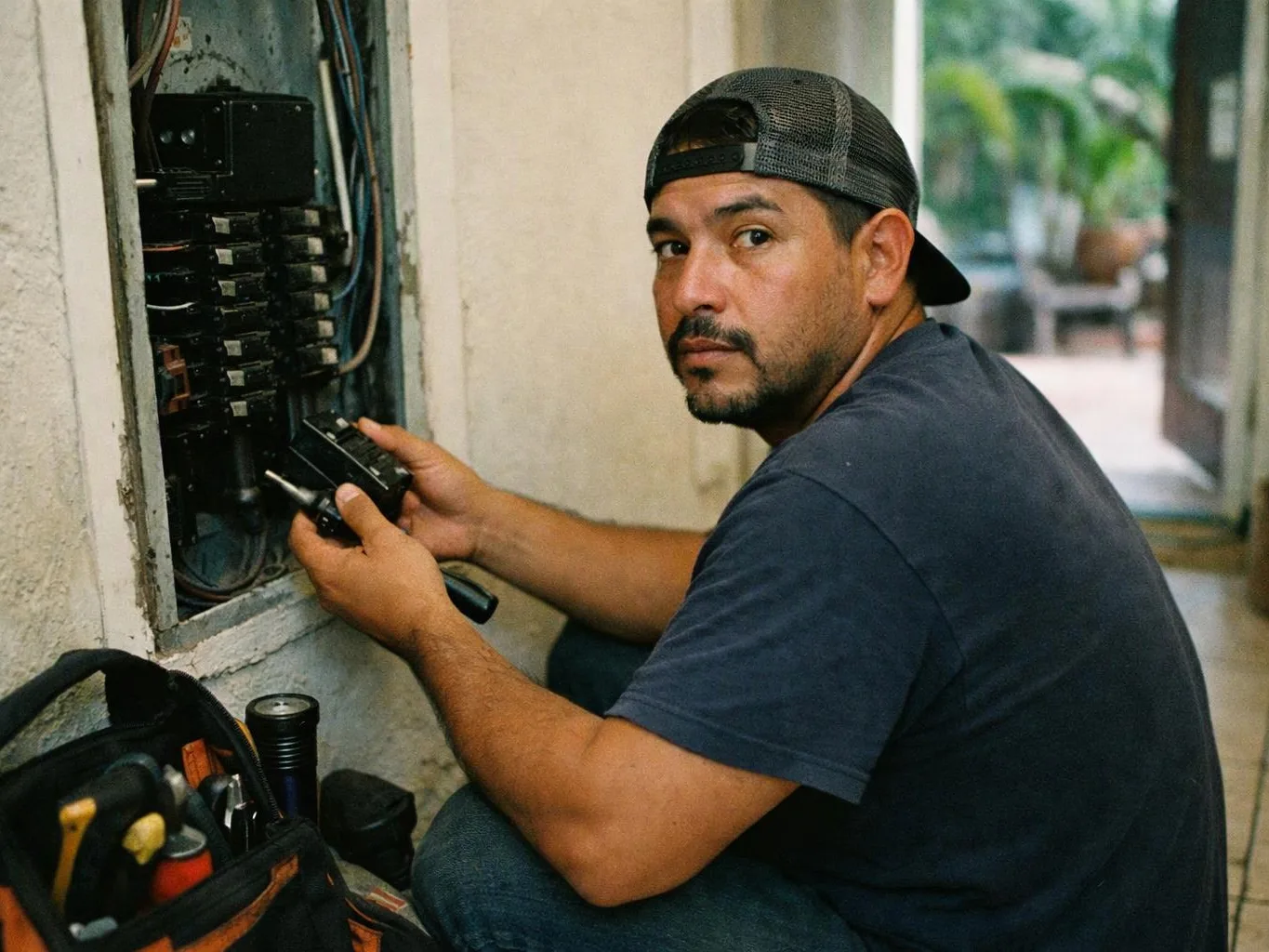
Fault tracing diagnoses intermittent problems by matching the symptom with voltage readings, continuity checks, and connection inspections. Earth Electric starts with the affected circuit and tests accessible points under the reported conditions. A loose connection, damaged wire, failing breaker, or unstable load can require different repairs, so we explain the finding before setting the work scope.
What should I ask before agreeing to electrical troubleshooting?
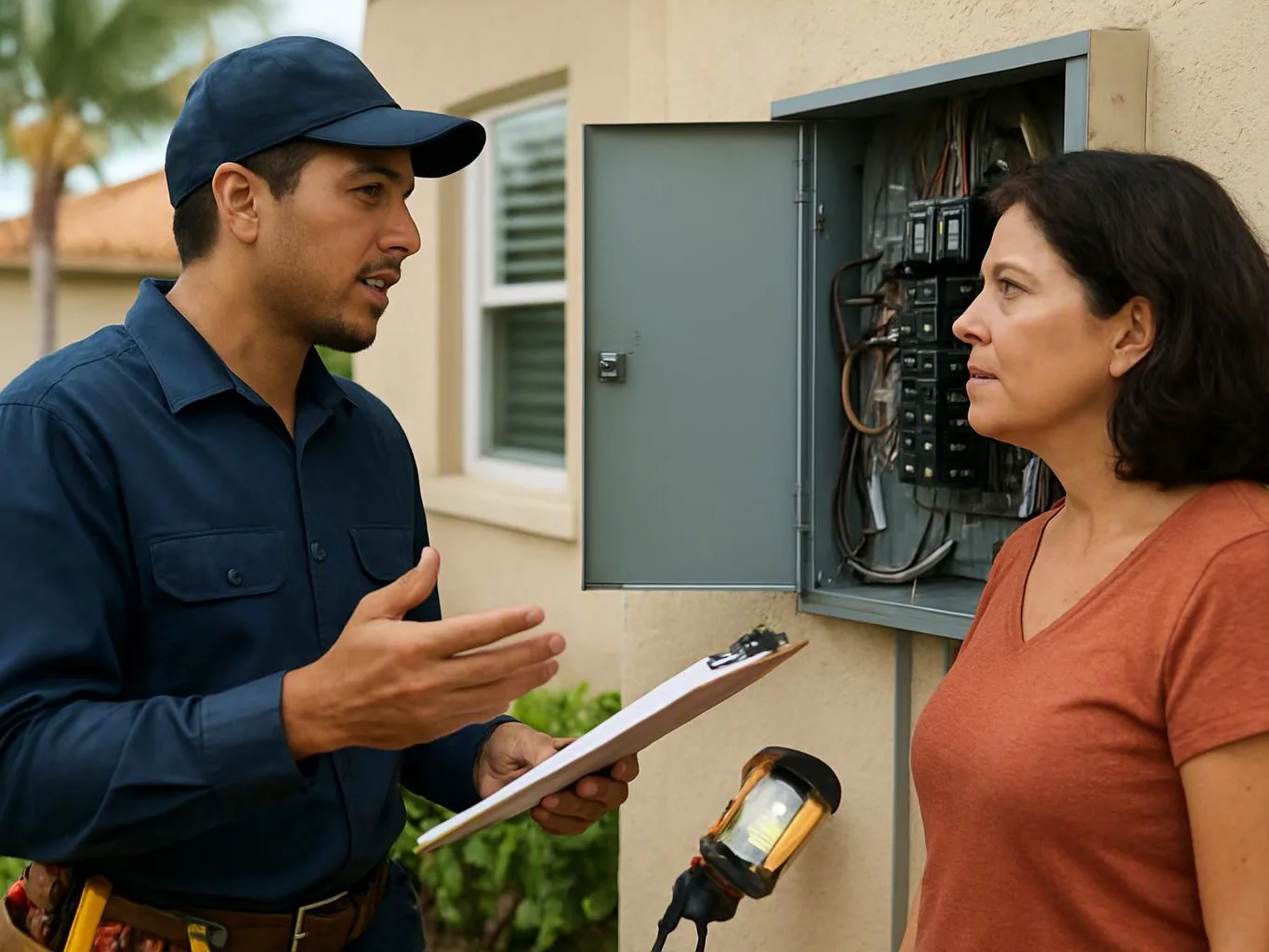
The repair scope should state what was tested, what failed, and which work is recommended. Ask for the affected circuit, the test results, the repair location, and any access needed. Earth Electric also explains the estimate before approved work begins, so you know which diagnosis and repair tasks the quote covers.
Which property condition can change the time needed for fault tracing?
Limited access to wiring can extend fault tracing because the circuit may run behind finished walls, ceilings, or fixed equipment. Older devices, unclear panel labels, and several connected loads can also add testing steps. We explain when opening an area, mapping a circuit, or completing separate repair work is needed.
When should I stop resetting a tripped breaker?
A breaker that trips again should stay off until the circuit is checked. Repeated trips can point to an overload, damaged wiring, a failing breaker, or a connection problem. Move away from a sparking outlet, buzzing panel, warm switch plate, or burning smell, and request urgent electrical service.
Why do loose electrical connections matter?
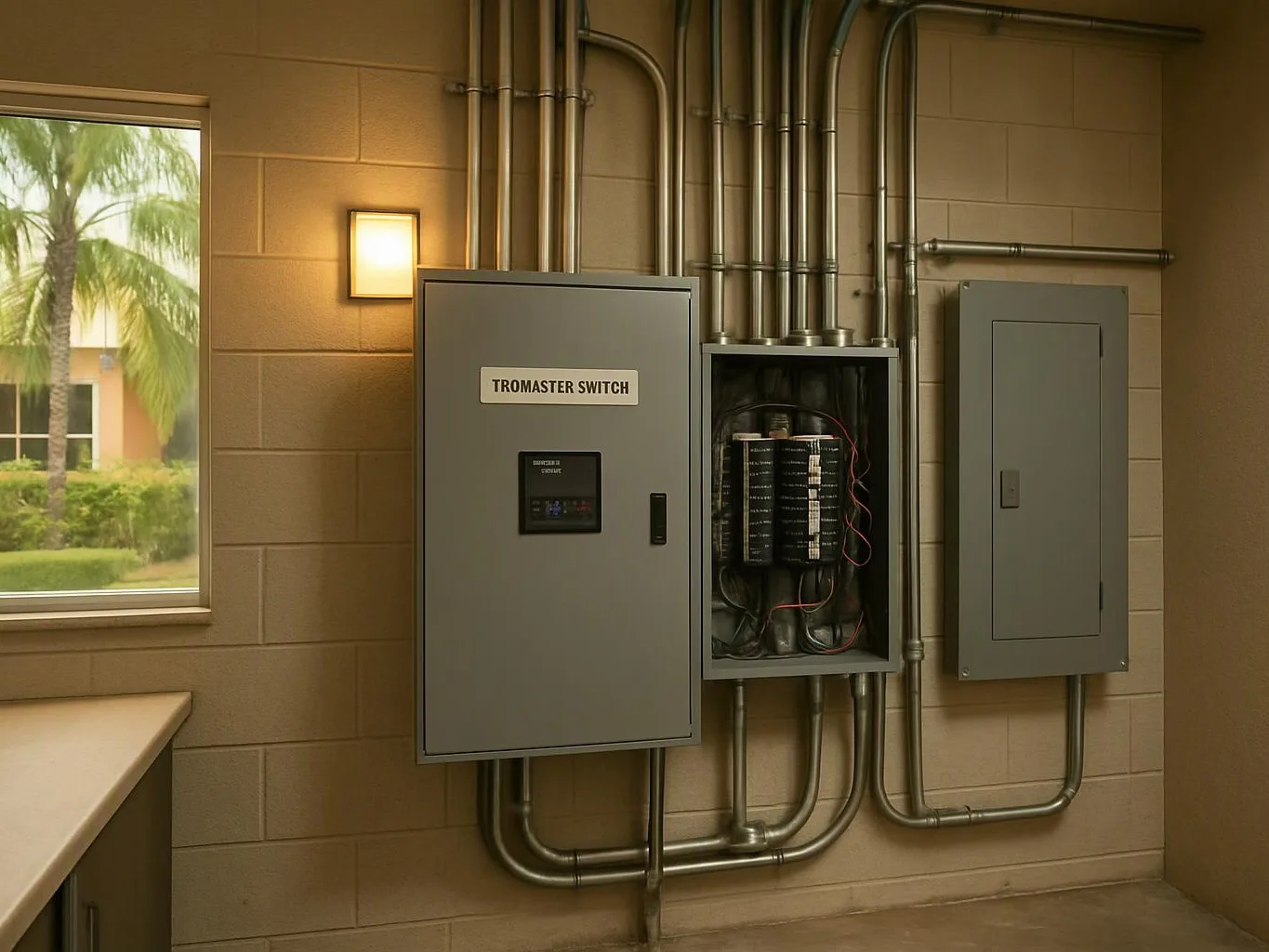
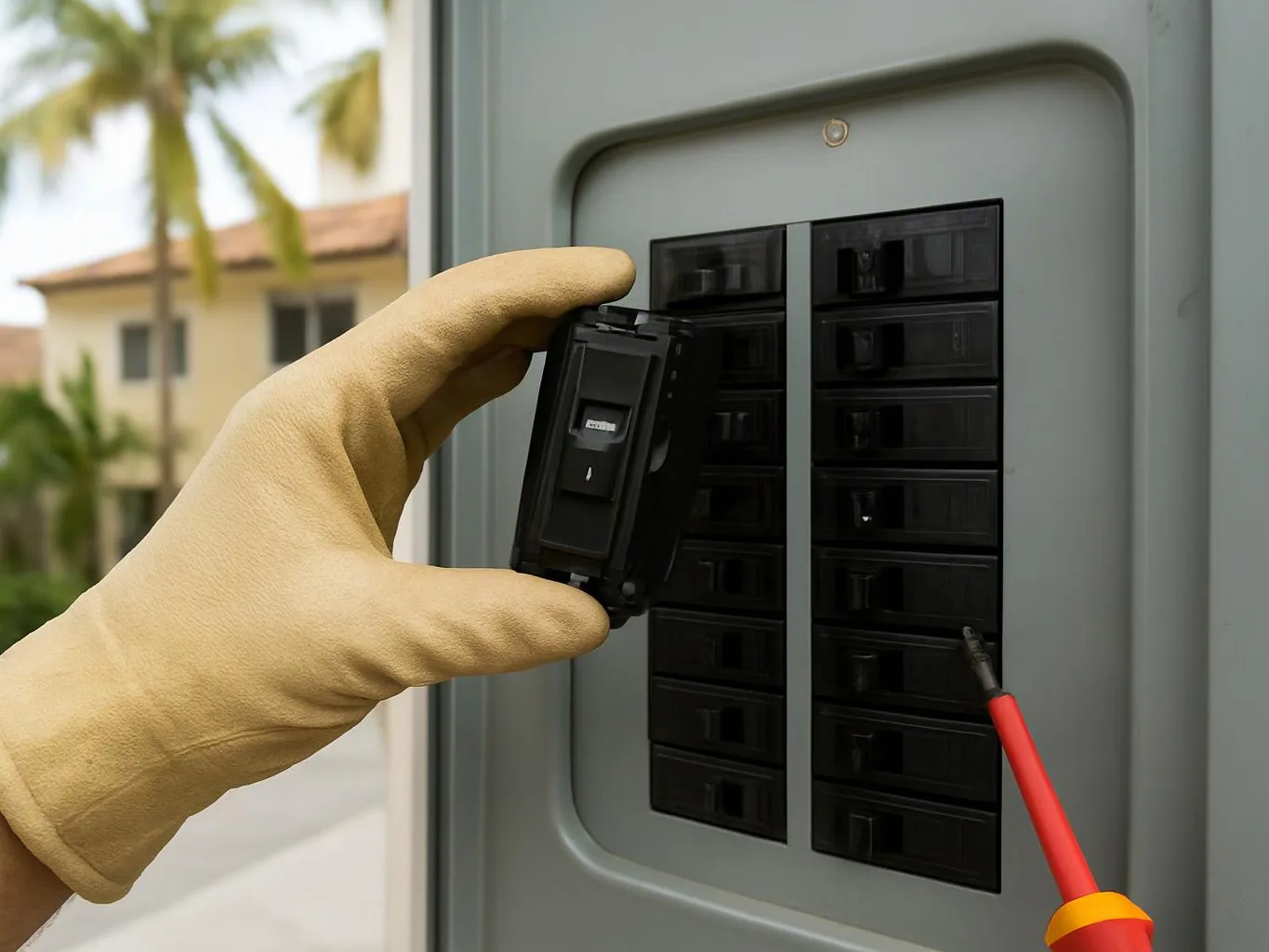
Loose connections can interrupt power and create heat at terminals, outlets, switches, or panel components. We isolate the circuit, inspect accessible connections, and test the circuit after approved repairs. The required access depends on where the connection sits and whether surrounding wiring also shows damage.
Which electrical problems can a 24-hour electrician troubleshoot?
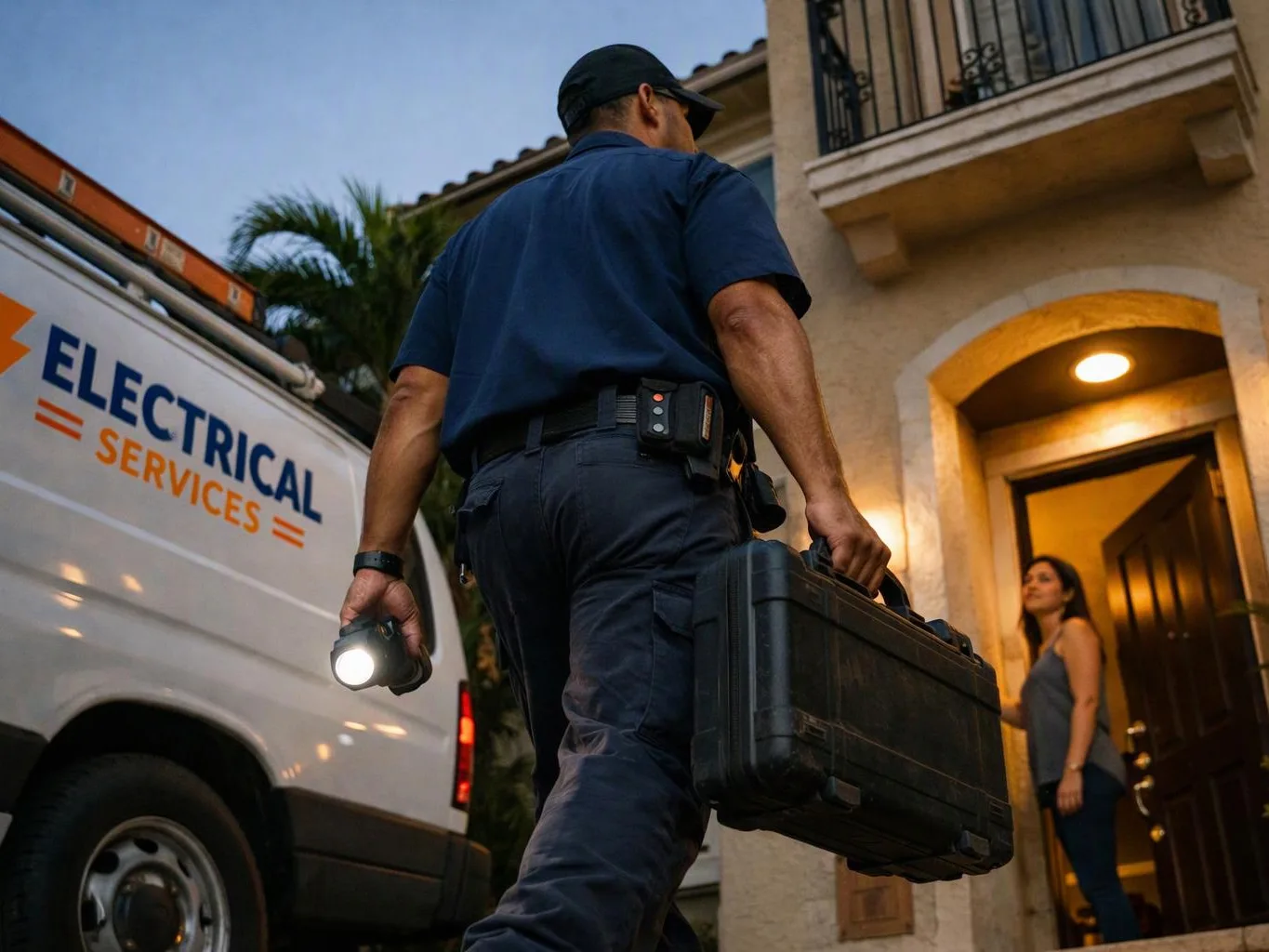
Our 24-hour electrician service covers urgent faults such as power loss, sparking outlets, tripped breakers, electrical faults, and other safety concerns. We also troubleshoot wiring, panels, circuits, lighting, and dead outlets. The first step is to describe the symptom and keep unsafe devices out of use.
How is troubleshooting matched to a property before work starts?
The property type, affected circuit, access, panel condition, and connected load guide the troubleshooting plan. We ask about the symptom and inspect the relevant electrical parts before selecting tests. Homes, businesses, and managed properties may need different access planning because equipment use and occupancy vary.