How can intermittent electrical problems be diagnosed?
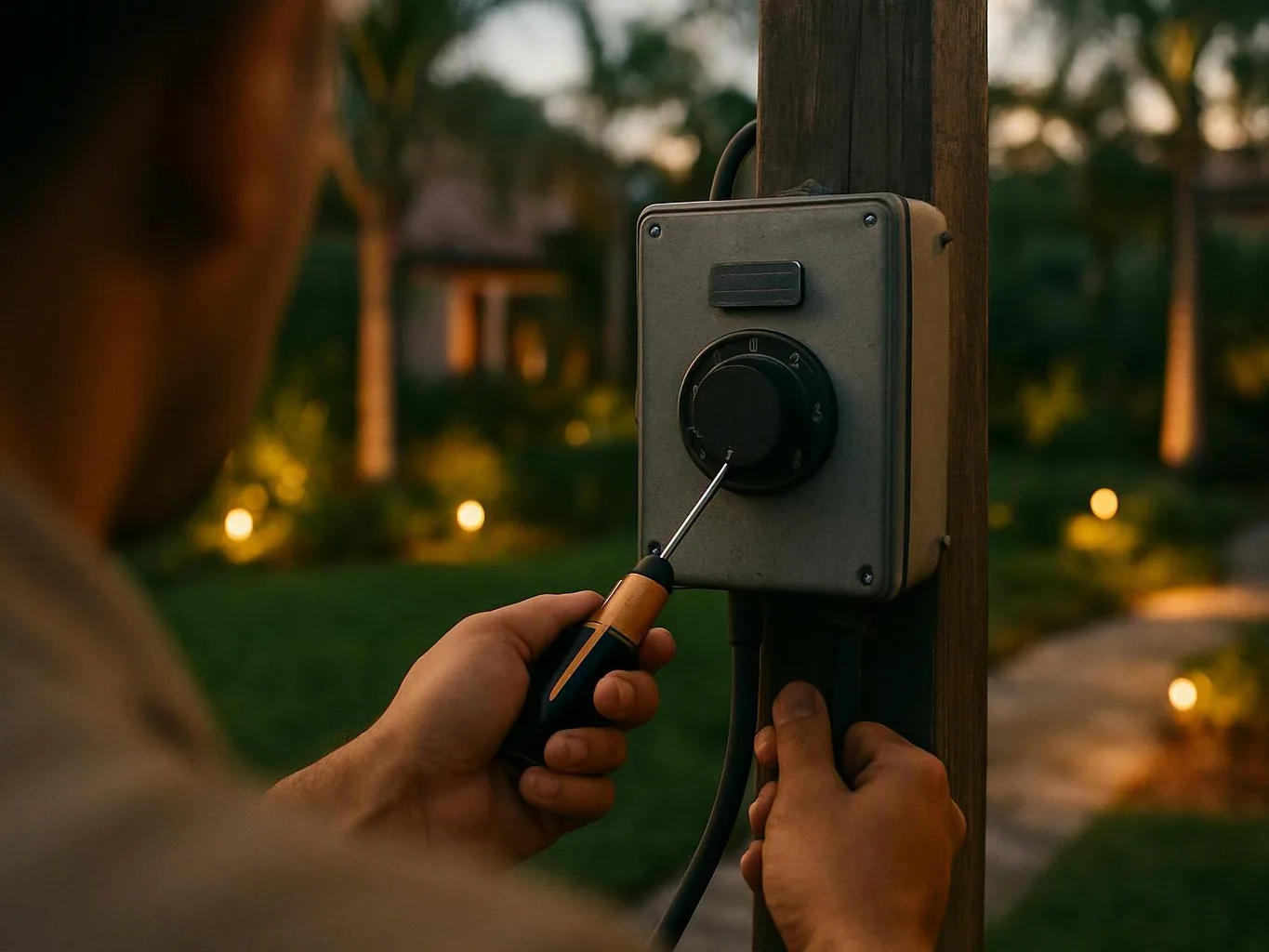
Continuity checks help diagnose intermittent electrical problems by showing where a circuit path opens or fails. Earth Electric combines those checks with voltage testing and circuit tracing. We compare the affected point with nearby circuit points, inspect accessible connections, and explain whether the fault involves wiring, a breaker, an outlet, or connected equipment.
What should I do before requesting an electrical fault assessment?
The safest preparation is to keep away from damaged electrical parts and record the symptom. Note the affected room, outlet, appliance, breaker position, and any unusual sound or smell. Don't remove panel covers or keep resetting a breaker that trips. Photos can help when taken from a safe distance.
Which part of the property decides the troubleshooting scope?
The affected circuit decides the troubleshooting scope because its panel breaker, wiring path, devices, and connected load guide the tests. A single outlet may need a focused check, while repeated trips can require panel and circuit tracing. Access to rooms, panels, and visible wiring also affects the assessment.
When does a tripped breaker need electrical troubleshooting?
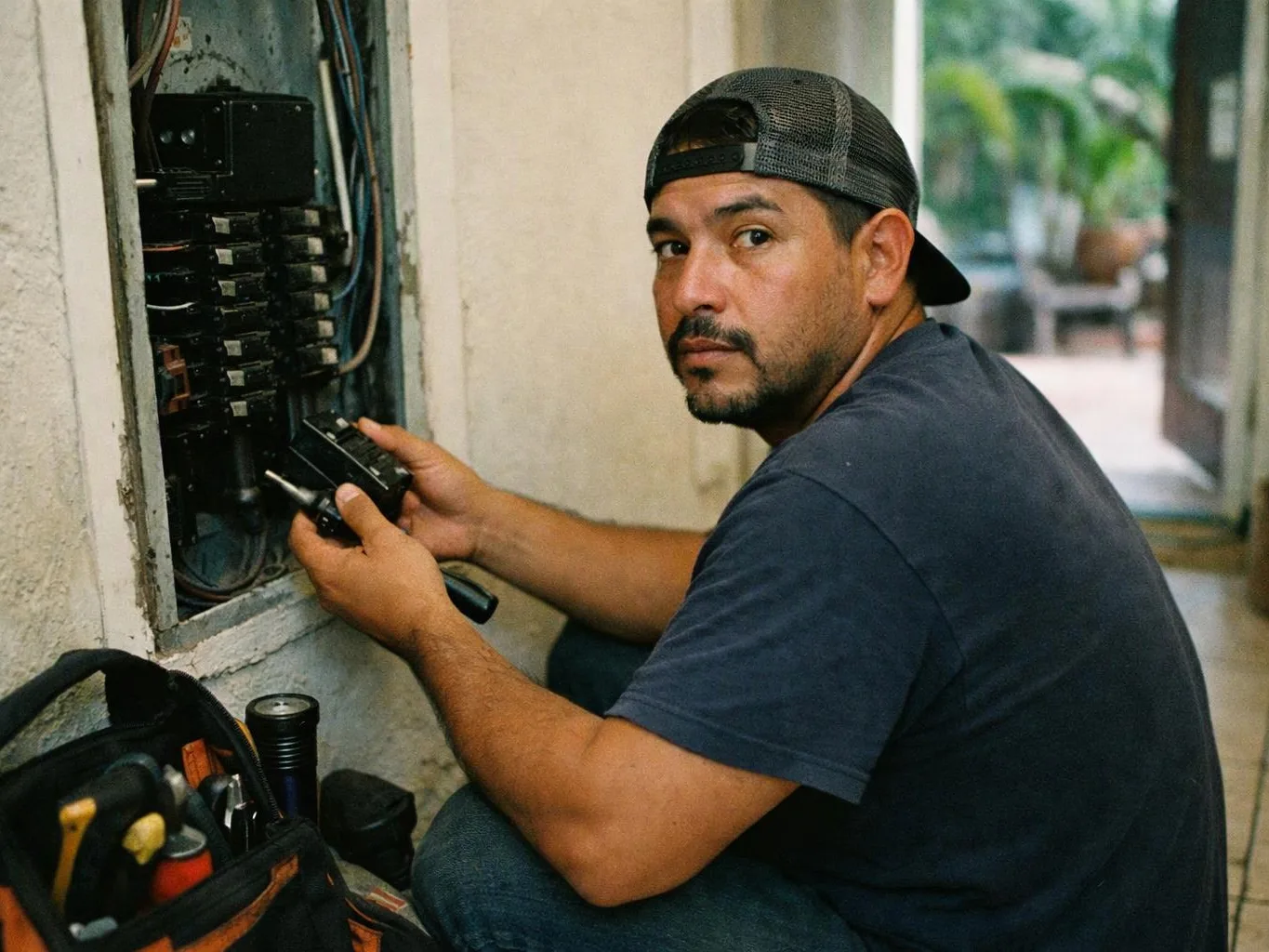
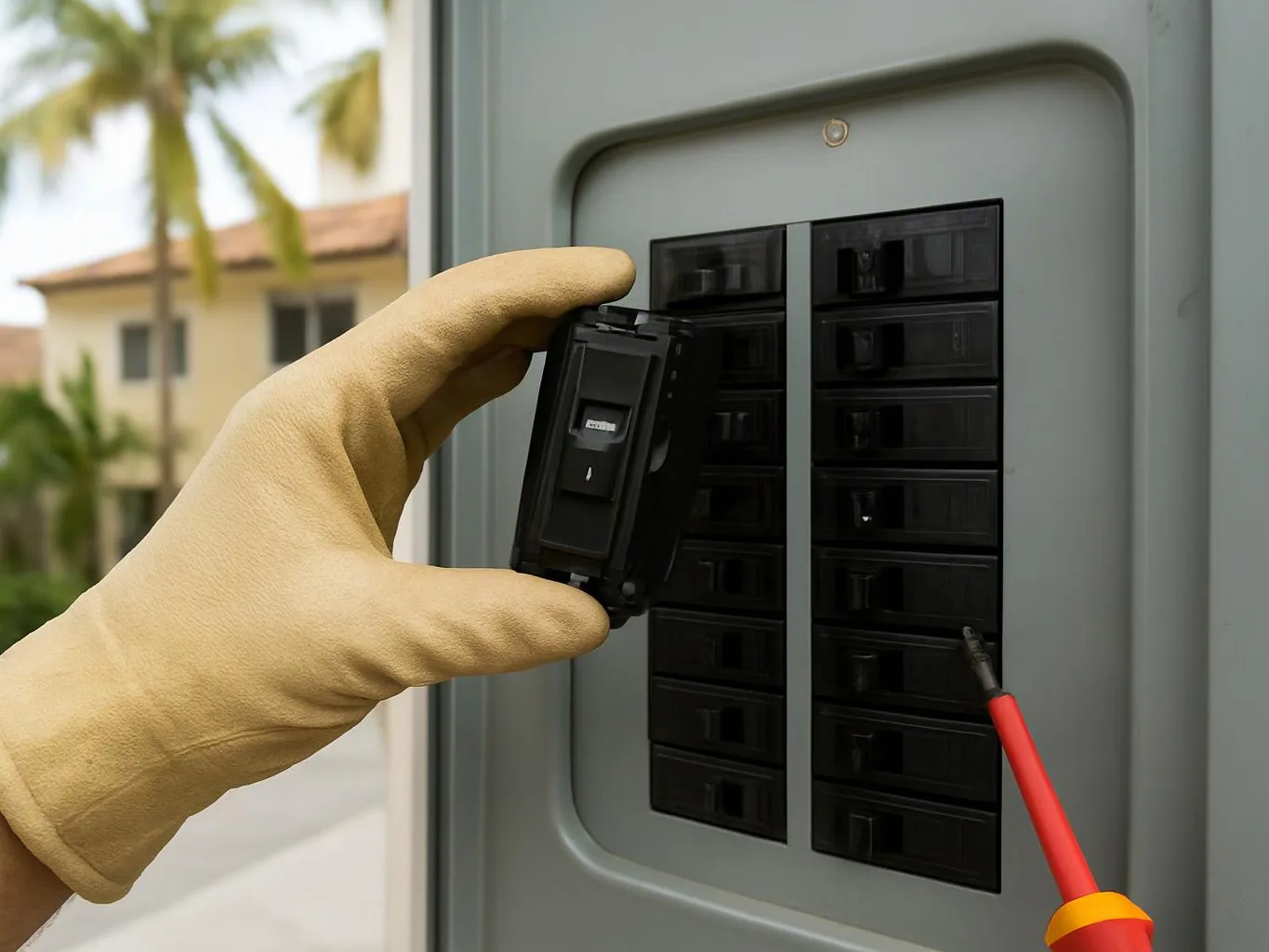
A tripped breaker needs troubleshooting when it trips again, feels warm, makes noise, or affects power without a clear cause. We inspect the connected circuit and test for overload, damage, loose connections, or a failing breaker. Leave the breaker off if the panel smells burnt or shows visible damage.
Why do loose connections cause intermittent power?
Loose connections interrupt the electrical path and can create heat when current passes through the weak point. Our team checks accessible terminals, switches, outlets, and panel connections during diagnosis. A loose connection needs correction because repeated movement or heat can damage the part and nearby wiring.
Can electrical troubleshooting cover a commercial property?
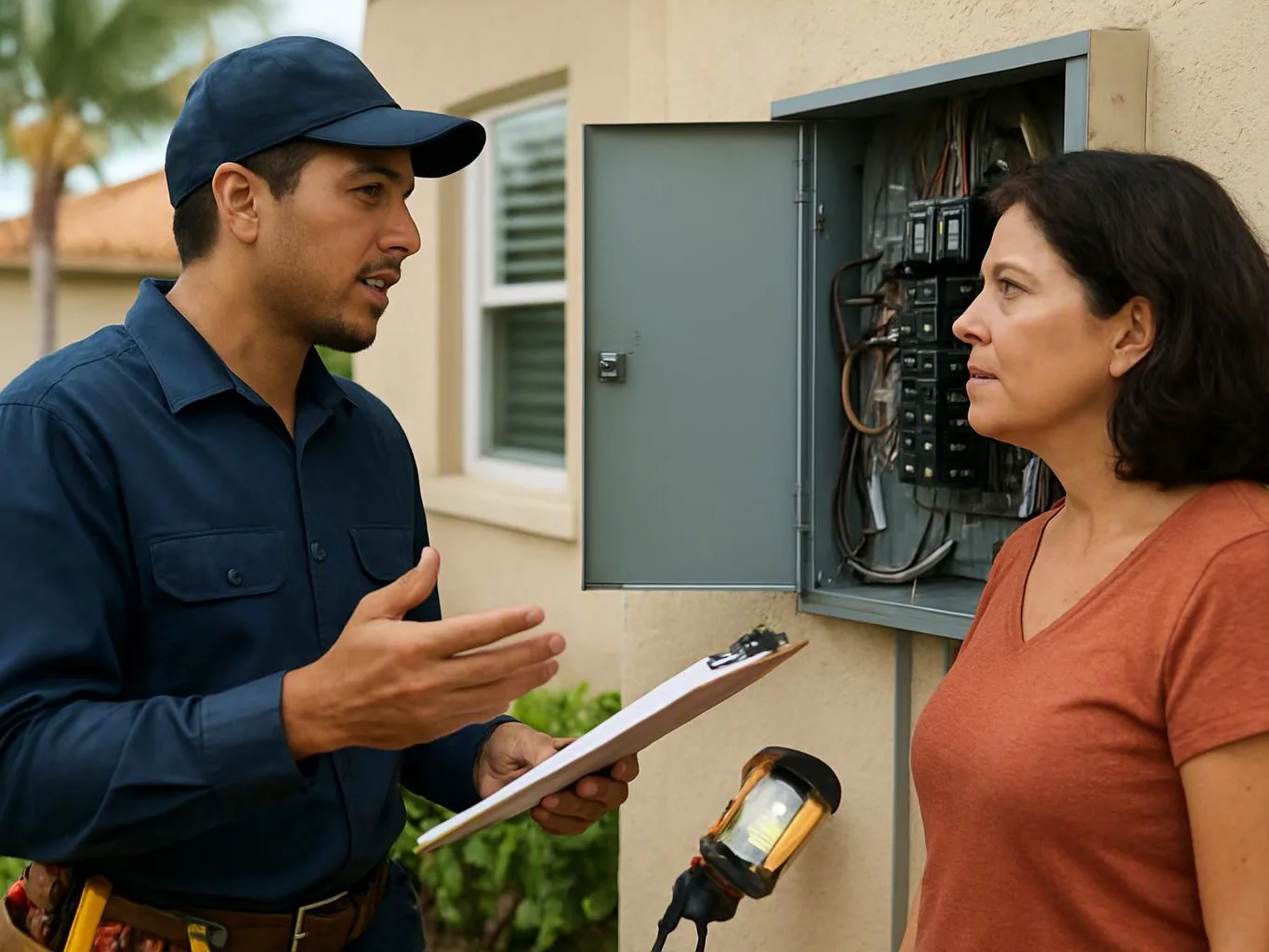
Yes, electrical troubleshooting covers commercial properties when staff, equipment, outlets, lighting, or breakers show a fault. We work with businesses and property managers to identify the affected circuit and plan access. The scope can expand when several devices share the same circuit or when the panel shows related damage.
How does a troubleshooting visit move from the first call to the last step?
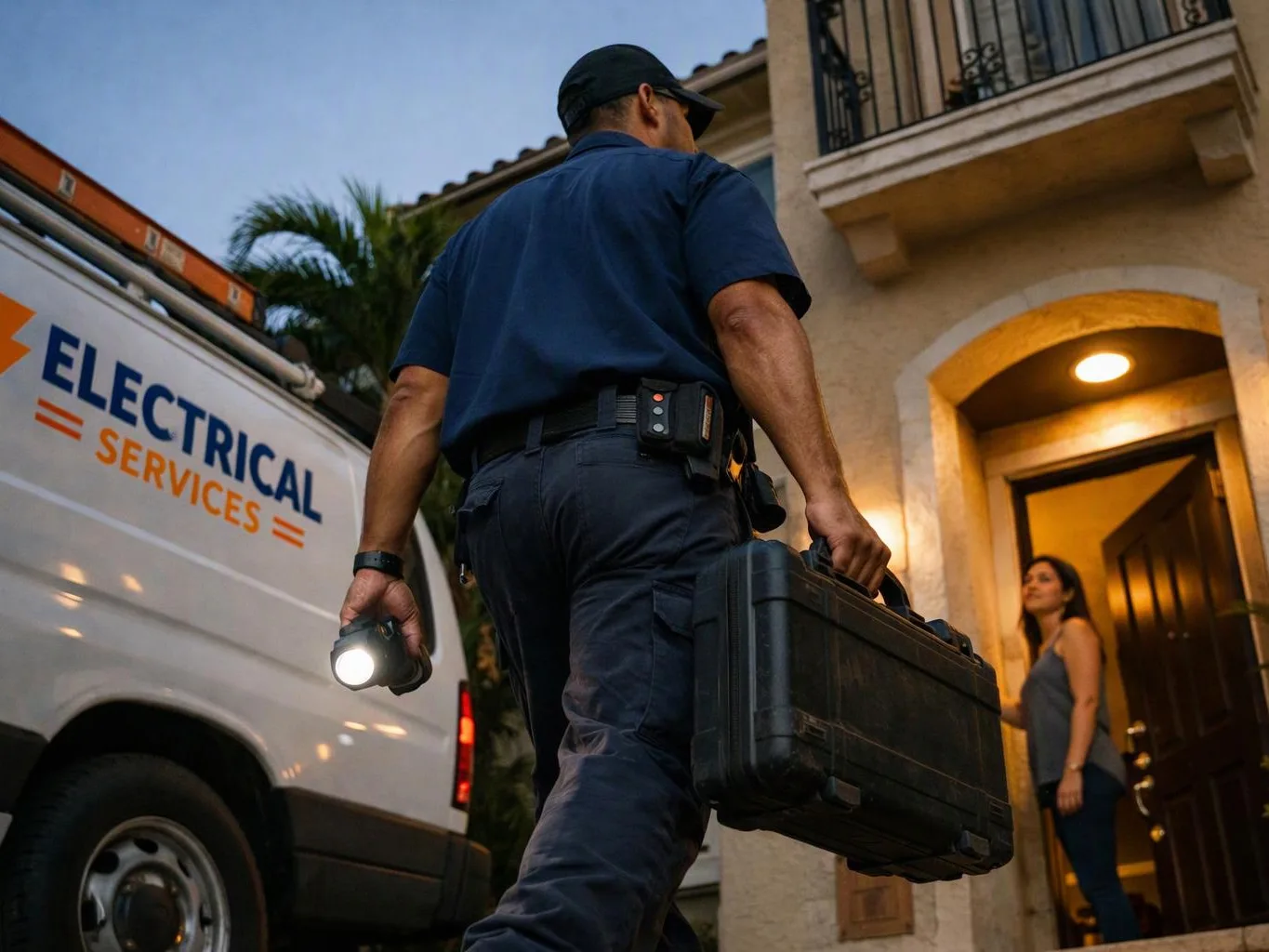
The visit moves from symptom review to inspection, testing, fault tracing, and a repair scope. We first record what happened and identify the affected circuit. Then we inspect the panel and devices, test voltage, trace the fault, and explain the quote for the work supported by the findings.