Why You Feel Shocked by an Outlet or Switch in Miami, FL
An outlet or light switch can shock you when electricity escapes. Damaged wires, moisture, faulty devices, or missing ground wires can cause this problem. A tingle, spark, warm device, burning smell, or lasting shock needs quick help. Stop using the circuit and avoid exposed metal. Turn off the breaker only if it’s safe. Don’t reset a tripped GFCI again and again. Earth Electric Florida can inspect your system. We can repair wiring, outlets, and GFCI devices in Miami, FL.
Get a Free Estimate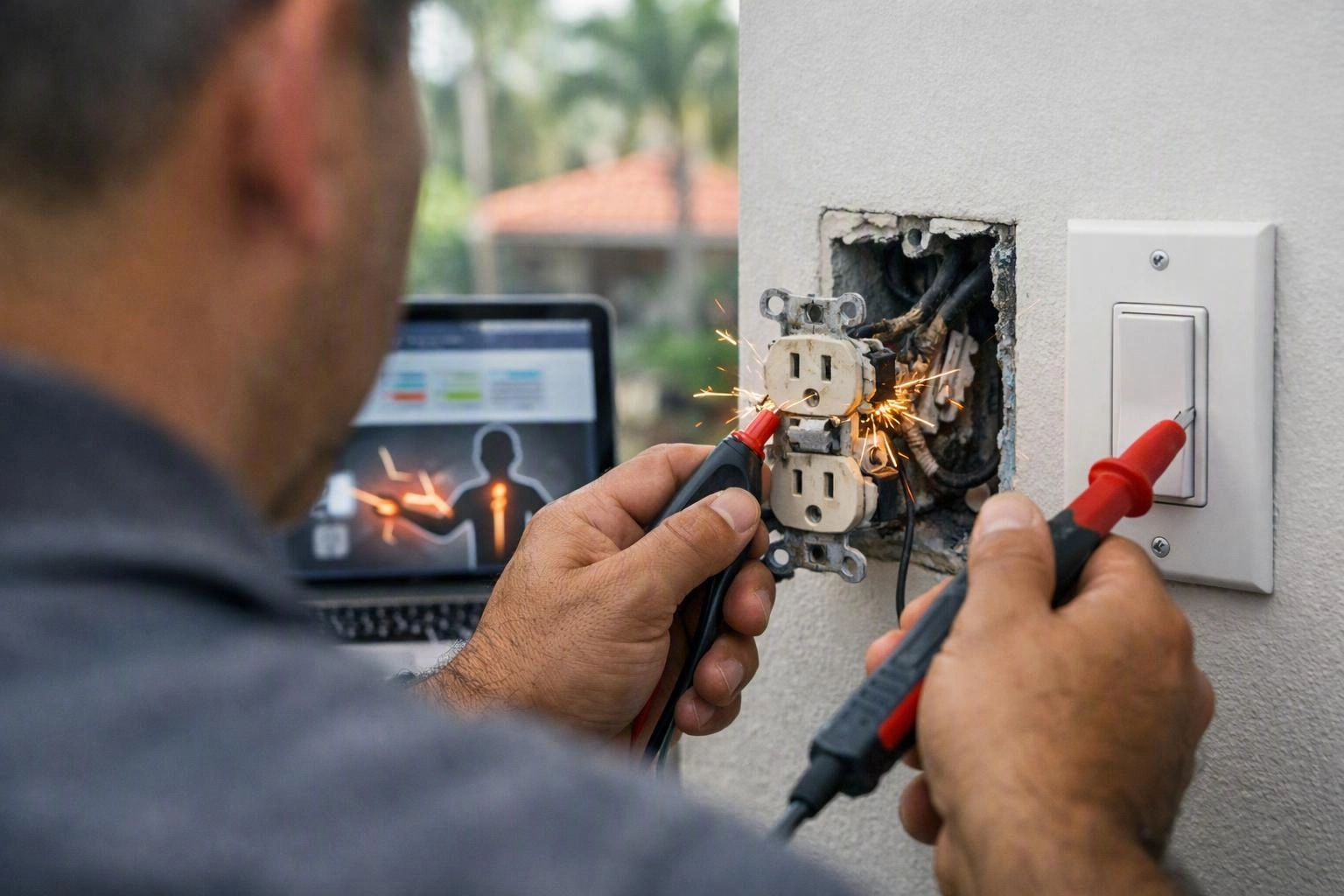
Electrical shock from an outlet or light switch may show a serious fault. The cause could be a bad ground, damaged wires, or unsafe equipment. Even a small shock isn’t normal. Stop using the device and keep people away. An electrician should check the circuit.
Why Am I Getting Shocked by an Outlet or Light Switch?
An outlet or light switch shock often means electricity is escaping. Damaged wires, moisture, or a bad ground may be involved. Stop using the outlet or switch. Arrange an inspection if the shock happens again.
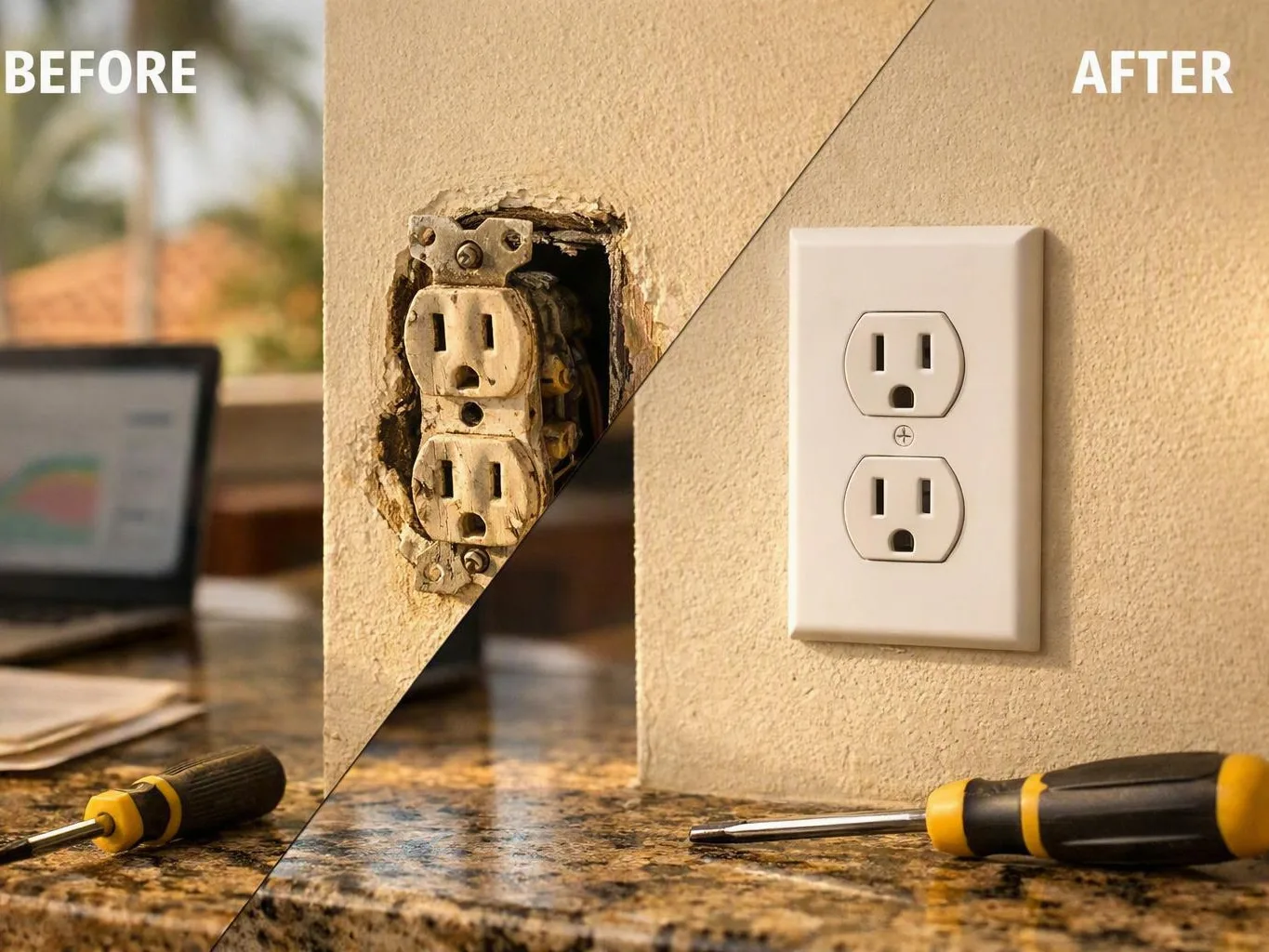
The outlet, also called a receptacle, should hold electricity safely. Cracked insulation can let electricity escape. Loose wires can also cause trouble. A wire touching a metal box may send current where it shouldn’t go. Your body can then become a path to the ground.
Grounding and bonding help protect people from electric shock. The ground wire gives fault current a safer path. Bonding connects metal parts to help prevent unsafe voltage. Older homes may have old or changed wiring. Testing can find these problems.
A light switch can shock you if its cover or screws become energized. A bad switch may also cause this problem. Moisture, reversed wires, or another circuit fault may be involved. Miami humidity can raise the risk of corrosion and leakage. Check kitchens, bathrooms, garages, and outdoor areas first.
Salt air near the coast can corrode outdoor devices and wire connections. Heavy rain can also damage wiring and safety devices. Storm water may enter walls, panels, or electrical boxes. Don’t reuse the circuit until an electrician checks it.
What a Tingling Outlet or Small Appliance Shock Can Mean?
A tingling outlet may have leaking current. That current can reach a surface that should feel safe. The same fault may cause a small shock from an appliance. Common examples include refrigerators, washers, lamps, and computers.
Old insulation can cause appliance leakage. A damaged cord can cause it too. Moisture inside the appliance may also be the cause. A metal case can become live without a working ground. Don’t touch the appliance again to test the feeling. A weak tingle isn’t safe.
Several affected appliances may point to a circuit problem. One affected appliance may have a bad cord or part. Unplug it only when the plug and area are dry. Turn off the power if you can’t unplug it safely. Then request electrical testing.
Is a Tingling Outlet Dangerous?
A tingling outlet can be dangerous. It may signal live surfaces, damaged wires, a bad ground, or leaking current. Treat every shock as a warning. Stop using the outlet and keep children away. Get urgent help for heat, smoke, sparks, a burning smell, or injury.
These signs show a real electrical hazard. A breaker may stop some faults. It can’t fix damaged insulation. It also can’t prove every unsafe surface is dead.
Common Causes of Shocks from Outlets, Switches, and Appliances
Faulty wiring can cause shocks from outlets, switches, and appliances. Loose connections, damaged insulation, moisture, and missing grounds can also cause them. A bad GFCI may fail to stop leaking current. An electrician must test the circuit to find the cause.
MiamiFL homes face extra moisture and salt air. These conditions can damage outdoor devices and wire connections. Older homes may also have mixed updates or poor grounding. The right repair depends on test results. Replacing the first worn outlet may not solve the problem.
What to Do Immediately After an Electrical Shock?
After an electrical shock, stop touching the source. Move away if you can do so safely. Turn off the breaker only when there is no danger. Get medical help for pain, burns, chest symptoms, weakness, or fainting. Then arrange an emergency electrical inspection.
Don’t remove the outlet cover after a shock. Don’t test exposed wires yourself. Stay clear if water reached the panel, outlet, or equipment. When getting started with Emergency Electrician service, explain what you touched. Tell us if water was present. Also mention any breaker or GFCI trip.
How an Electrician Finds and Repairs the Problem?
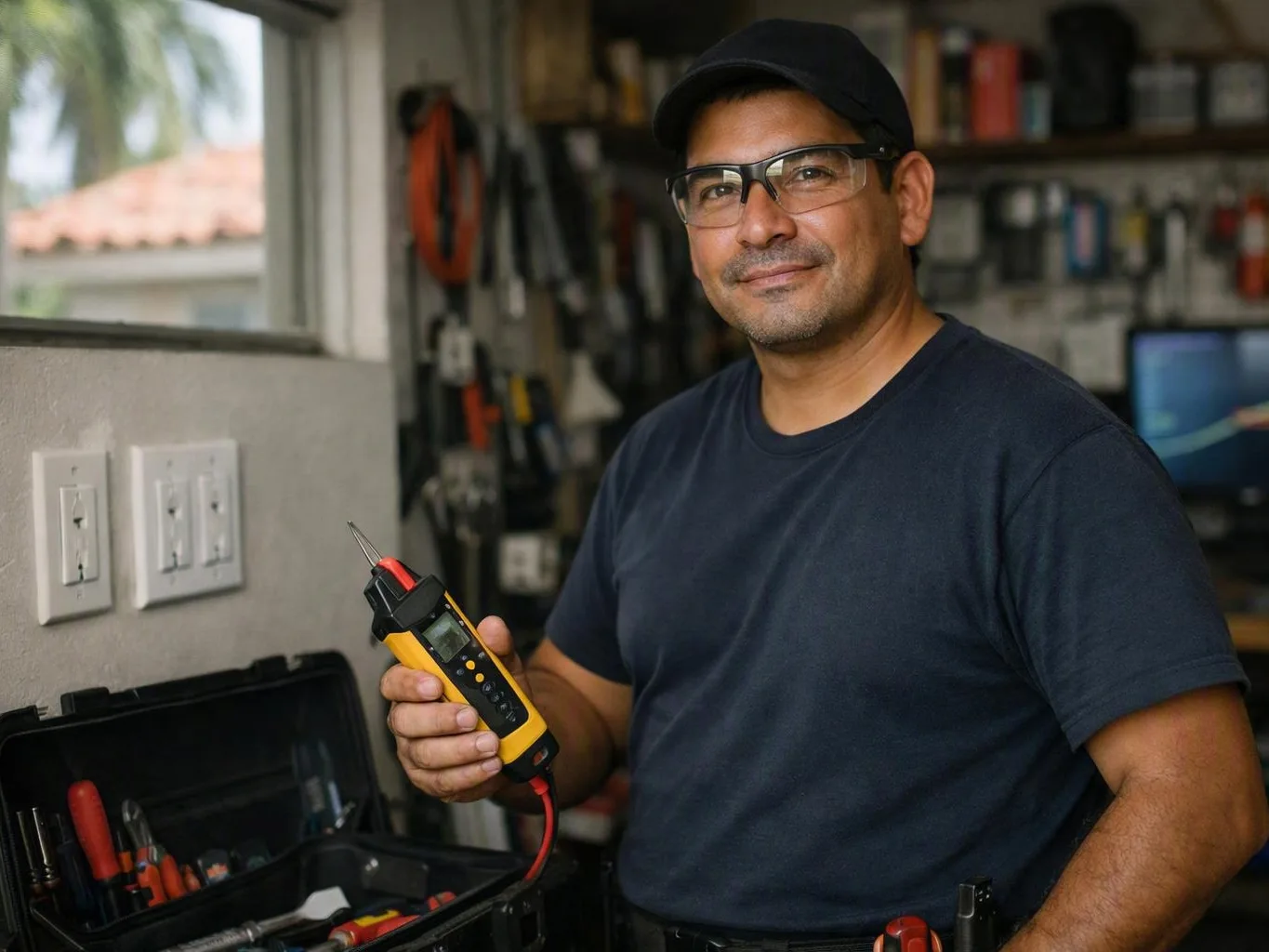
An electrician tests voltage, wire order, grounding, GFCI action, connections, and insulation. These tests help find the shock risk. Repairs may include a new outlet or switch. They may also include wire repair, ground repair, or GFCI work. Testing should confirm safety before use.
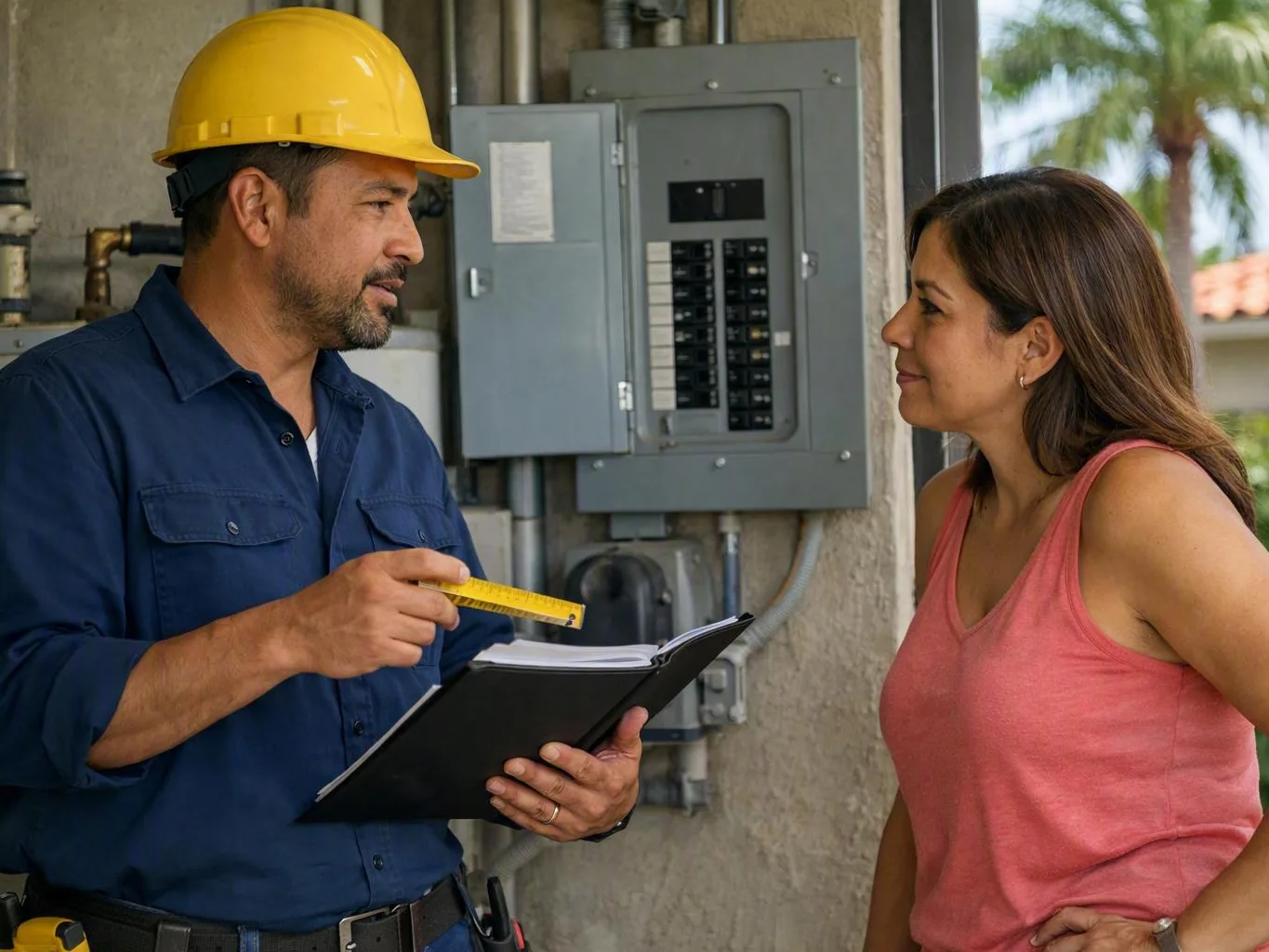
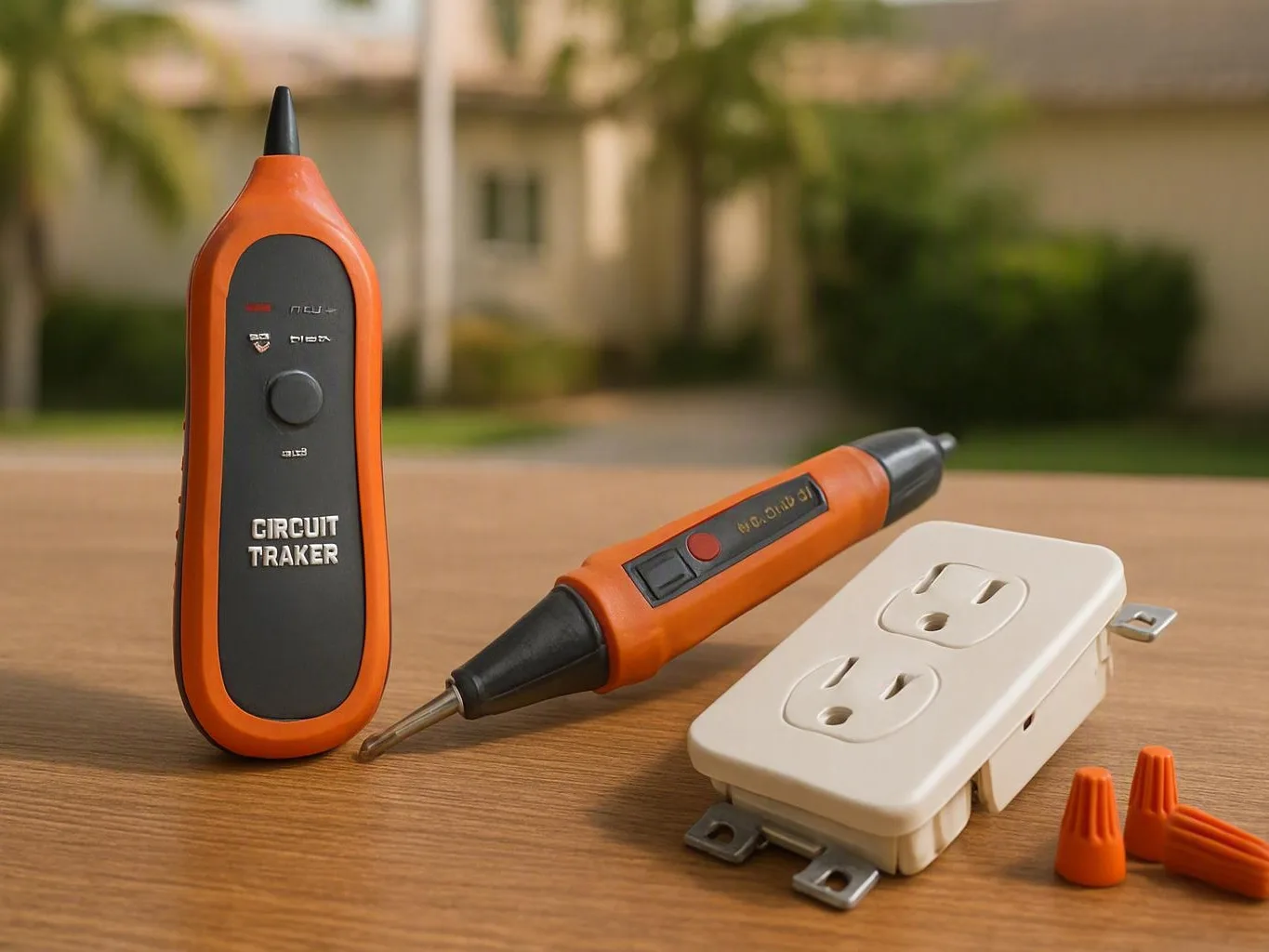
We start with an electrical inspection. We review the shock report, circuit layout, and device condition. We also ask about recent rain, leaks, or storms. A voltage tester helps find live parts. Other tests check the ground wire and metal connections.
A wire order test can find reversed line and neutral wires. We may test GFCI trip and reset action. We inspect outlet contacts and wire connections. We also look for damaged insulation. One circuit can have more than one fault.
Repairs may include Electrical Wiring Repair in Miami. We can replace a bad switch or repair an outlet. Our team also provides GFCI Outlet Installation And Repair. We test the device after repair. The GFCI should stop power during a fault.
A simple device change often takes 30 to 90 minutes. Hidden wires, water damage, or many circuits may take longer. This range isn’t a promise. The inspection shows the actual work.
| Finding | Possible repair |
|---|---|
| Reversed polarity | Correct conductors and retest the device |
| Open grounding path | Repair grounding or circuit wiring |
| Failed GFCI | Replace and test protective operation |
| Moisture or corrosion | Remove the damaged device and correct the source |
How to Prevent Outlet and Light Switch Shocks?
Test GFCI protection as directed. Replace damaged cords and devices. Keep electrical equipment dry. Don’t overload outlets. Schedule repairs when a device feels warm or tingles. Use weather-safe covers in damp areas. Never depend on repeated breaker or GFCI resets.
Humidity and heavy rain can cause hidden damage. Hurricane water can also reach wires and devices. Salt air may corrode outdoor outlets and connections. A post-storm check helps protect your home. Get one before restoring power to wet equipment.
When to Call for Electrical Help in Miami, FL?
We inspect and repair shock hazards in Miami, FL. Our work includes damaged wiring, unsafe outlets, bad switches, and GFCI problems. Request Electrical Wiring Repair, GFCI Outlet Installation And Repair, Outlet Installation And Repair, or an Emergency Electrical Inspection when shocks repeat.
Call us if an outlet tingles or a switch shocks you. Call if an appliance case feels live. Call if a breaker keeps tripping. We can trace the fault and check the ground. We’ll explain the needed repair without asking you to test unsafe parts.
We also inspect circuits after floods, leaks, heavy rain, and storms. A damaged outlet may stay dangerous after it dries. The same can happen with a service part. Contact us through our contact page to request safe help and scheduling.
Earth Electric Florida helps with residential electrical inspections and repairs. If there is immediate danger, leave the area. Contact emergency services before approaching the electrical system.
Questions About Emergency Electrician
Why Am I Getting Shocked by an Outlet?
You may feel leaking current from damaged wires, a bad outlet, moisture, reversed wires, or a missing ground. Stop using the receptacle and arrange testing. Testing is especially important if the shock repeats or affects other devices.
What Should I Do if I Am Getting Shocked When Touching a Light Switch?
Stop touching the switch and keep others away. Turn off the breaker only if it’s safe. A bad switch, wire fault, moisture, or ground problem may be involved. Have it checked before using it again.
Why Does My Outlet Tingle?
An outlet can tingle when leaking current reaches its cover or nearby metal. Damaged insulation, moisture, loose wires, or a weak ground may cause it. Don’t ignore the feeling. Have an electrician test the circuit.
What Does a Small Electrical Shock from Appliance Mean?
A small appliance shock may mean leaking current, a bad cord, moisture, or a missing ground. Stop using the equipment. If unplugging isn’t safe, turn off the circuit and request an inspection.
Is a Tingling Outlet Dangerous?
Yes. A tingling outlet can signal a live surface, ground fault, damaged wiring, moisture, or failed GFCI protection. Keep children away and stop using it.
Don’t wait for a shock to cause a fire or serious injury. Our team can find the fault and restore safe operation after testing.
Get a Free EstimateRelated Resources
Burning Smell From Outlets or Wiring in Miami, FL: When to Call an Emergency Electrician
burning smell from electrical outlet when to call electrician
When You Need ItFlickering and Dimming Lights: Signs of a Dangerous Electrical Problem in Miami, FL
flickering lights when to call an electrician miami
When You Need ItSparking, Hot, or Discolored Outlets in Miami, FL: Emergency Electrical Warning Signs
sparking outlet when to call electrician
When You Need ItSigns Storm or Water Damage Has Created an Electrical Hazard
signs of water damage to electrical wiring when to call electrician