What Is the Timeline for Water-Damaged Electrical Repair?
Water-damaged electrical repair may take a few hours. Average jobs often take one to three days. Complex rewiring can take several days or longer. First, an electrician makes the circuit safe. Next, they find moisture and hidden damage. They inspect outlets, panels, wiring, and connected equipment. The timeline depends on water exposure, access, rust, rewiring needs, parts, and inspections. Power may need to stay off during the work. Shut off power only when it's safe. Never touch wet electrical equipment. Arrange an emergency electrical inspection before restoring service.
Get a Free Estimate
Water-damaged electrical repair is a safety job. It isn't just a cleanup task. Earth Electric Florida helps homeowners choose the right next step. You may need an emergency inspection, a small repair, or wider rewiring after storm damage or leaks.
How Long Does Water-Damaged Electrical Repair Usually Take?
Water-damaged wiring may take several hours to repair. This fits one easy-to-reach damaged part. Moderate damage often takes one to three days. Major rewiring can take several days or longer. An electrician confirms the time after checking the system.
They first disconnect unsafe circuits. Then they trace the moisture and inspect the equipment. They also check if parts need drying or replacement.
An isolated outlet may need one service visit. Storm damage across several rooms needs a wider inspection. Crews may open walls to reach the wiring. They may also remove wet insulation. A water-restoration team may need to work first.
The visible water line doesn't show all the damage. Moisture can move through walls, pipes, wires, and boxes. A full electrical inspection finds damage that may stay hidden.
Inspectors look for damaged wires and loose connections. They also check safety devices and equipment that looks dry.
People living in the home can affect the work plan. Children, older adults, and medical equipment need safe access. We may restore key circuits in stages. Unsafe areas stay disconnected until testing ends.
Typical Repair Times by Project Scope
Electrical repair time depends on the job size. Simple water damage may take a few hours. Average damage often takes one to three days. Complex damage can take several days or longer. These ranges include inspection and repair work. They may not include long drying times, part delays, or other repairs.
| Project scope | Typical duration | Common work |
|---|---|---|
| Simple | A few hours | One outlet, switch, accessible connection, or short cable section |
| Average | One to three days | Several outlets, branch wiring, limited panel work, and testing |
| Complex | Several days or longer | Flooded electrical panel, hidden damage, or partial to complete rewiring |
These are planning ranges. They aren't promises of completion. A small electrical repair can become a larger job. An outlet may reveal rusted connections farther back.
A damaged panel may also need full replacement. Breakers, bus bars, or inner parts may have touched water.
Parts can change the work order. Common devices may be ready right away. A matching panel or special part may need ordering.
Electrical code and inspection rules can add time. This often happens with new circuits, service parts, or hidden wiring.
What Can Make the Repair Take Longer or Finish Faster?
Water exposure duration, hidden moisture, rust, damaged panels, and poor access can add time. Part delays and inspections can also extend the job. A small leak and easy access may shorten the work. An electrician should inspect the system before giving a firm time.
Homeowners also need the right level of help. An emergency inspection is safest when water reached live equipment. It also helps when the water source isn't clear.
A small repair may fit a contained problem. Wider rewiring may be needed when wires, insulation, or many circuits suffered damage.
Why an Electrical Inspection Comes Before Repair?
An emergency electrical inspection comes first because wet circuits can stay dangerous. The surface may look dry. The inside may still hold water.
The electrician isolates power and checks the circuit breaker. They look for a ground fault (an unsafe path for electricity). They also check for exposed live equipment.
Turning off one breaker doesn't make every area safe. Water may reach equipment on another circuit. Damaged parts may also send power where it shouldn't go.
Don't touch wet outlets, panels, appliances, or loose wires. Keep people away from standing water near electrical equipment.
If water reached the service panel, contact an emergency electrician. Stay away until the area is checked.
Inspection results shape the repair plan. The team may dry, replace, or repair affected parts. They may also recommend larger work.
This step helps prevent hidden moisture and weak connections. A quick visual fix may miss both problems.
What Happens During Water-Damaged Electrical Repair?
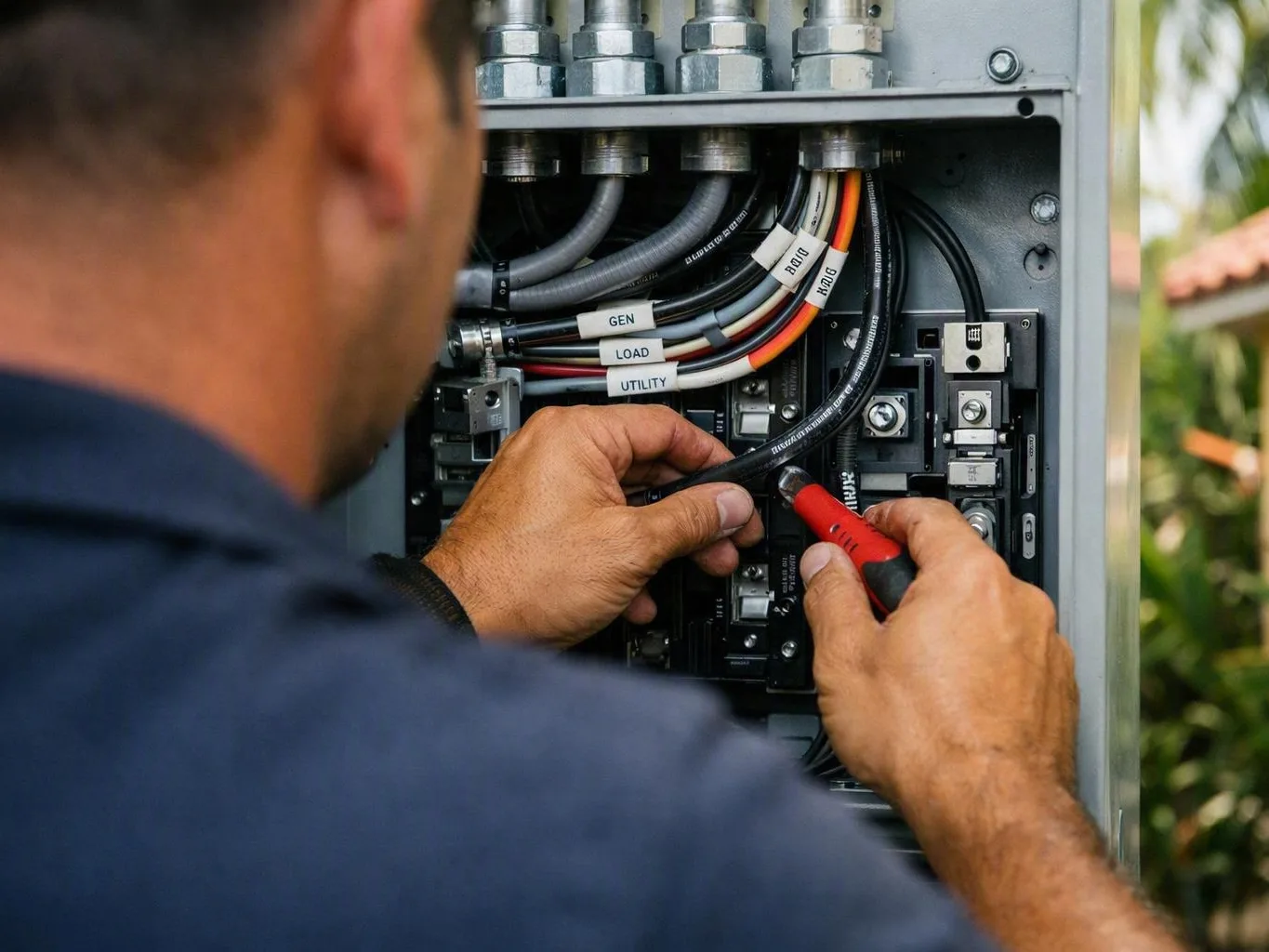
Water-damaged electrical repair starts with power isolation and a safety check. The electrician finds moisture, rust, damaged insulation, and broken parts. They then dry or replace affected items. Next, they repair wires and test the circuits. Severe damage may need partial or complete rewiring.
First, the team finds the water source. They then identify the circuits that may be affected. Power isolation protects workers and residents during the inspection.
A flooded main panel may require a full power shutoff. The utility or another qualified worker may need to approve reconnection.
Next, moisture checks find wet boxes and damaged insulation. The electrician also looks for rusted links, burned terminals, and failed devices.
They may inspect the panel, breakers, grounding paths, outlets, switches, and lights. Connected equipment also needs review.
Repairs may include new parts and wiring. The team may remove dirty or damaged items. New cable may replace harmed insulation.
Drying is used only when a part remains safe to use. Sewage, chemicals, and dirty floodwater often require replacement.
Finally, testing checks the circuit's path and grounding. It also checks polarity, insulation, and safety devices.
The team restores circuits in a safe order. They record any areas that must stay off. Code and inspection rules may apply before walls close.
Can Water-Damaged Electrical Equipment Be Dried and Reused?
Wet electrical equipment isn't always safe after drying. Water can stay inside outlets, breakers, appliances, and wires. Rust may grow after power returns.
An electrician should check each part. Parts that were submerged, dirty, burned, or damaged may need replacement.
Some strong equipment may be checked after brief exposure. A fan or heater can't prove that its inner parts are safe.
Mold may also grow in damp boxes, walls, and insulation. Cleaning the outside doesn't remove rust or fix weak wire insulation.
Appliances need special care. Motors, controls, heaters, and filters can hold water.
Don't plug in a wet appliance to test it. Keep it out of use. Ask a qualified professional if it needs replacement.
Electrical safety depends on the whole circuit. A new outlet won't fix a wet cable or damaged panel connection.
When Should You Call for Emergency Electrical Repair?
Emergency electrical service is needed when water reaches electrical equipment. This includes panels, outlets, wires, and appliances.
Call at once for sparks, smoke, burning odors, buzzing, or repeated breaker trips. Unexplained power loss also needs prompt attention.
Keep people away from wet electrical areas. Arrange an inspection before restoring power.
Call after a flooded panel, storm surge, burst pipe, or roof leak. Act quickly when water rises near floor outlets.
Never enter standing water near electrical equipment. Leave the area if smoke or a burning smell appears.
Contact emergency services when needed. Then arrange electrical help.
A power outage after water damage isn't always a utility issue. It may show a damaged breaker or service part.
Don't reset tripped breakers again and again. A wet circuit can create heat or sparks.
For contained damage, schedule a targeted inspection. Do this before using the affected circuit.
Storm And Water Damage Electrical Repairs may need two steps. First comes safety work. Later comes repair and restoration.
We can separate urgent power isolation from planned electrical wiring repair. This helps occupied homes stay safe and useful.
Some homeowners search for Storm And Water Damage Electrical Repairs in Miami. Others need help after a plumbing leak.
The right choice depends on the water exposure and warning signs. It also depends on access and essential power needs.
Questions About Emergency Electrician
How Long Does It Take to Repair Water-Damaged Electrical Wiring?
A small wiring repair may take a few hours. Damage across several circuits often takes one to three days. Hidden moisture or major rewiring can take several days or longer. Inspection, parts, access, testing, and approvals affect the final time.
Can a House Pass an Electrical Inspection After Water Damage?
Yes, a house can pass after water damage. All affected wiring and equipment must be repaired or replaced. Circuits must test safely. Electrical code and inspection rules must also be met. Inspectors check hidden moisture, rust, grounding, and safety devices.
Is It Safe to Turn the Power Back on After a Flood?
Power isn't safe to restore until a qualified electrician checks the system. The circuits and equipment must be dry and sound. Stay away from standing water, wet panels, outlets, and appliances. Don't reset breakers repeatedly. Don't use extension cords around unsafe circuits.
Does Water Damage Mean Electrical Wiring Must Be Replaced?
Not always. Limited water exposure may allow safe wiring repair. Submersion, dirty water, damaged insulation, rust, or hidden moisture may require replacement. An inspection shows which option is safe.
How Much Does Water-Damaged Electrical Repair Usually Cost?
Cost depends on the circuits, panel, access, water type, parts, drying, and rewiring. A small part repair usually costs less than flooded electrical panel repair. Whole-home rewiring costs more. Request an inspection and written work plan first.
Water near electricity needs the right first step. An Emergency Electrical Inspections visit fits an active danger. Targeted component repair fits contained damage. Broader rewiring may be needed after hidden damage or rust. Our team can explain the repair steps and power plan.
For an assessment from Earth Electric Florida, contact our team and describe where the water reached, whether breakers tripped, and whether anyone is currently without essential power.
Related Resources
Burning Smell From Outlets or Wiring in Miami, FL: When to Call an Emergency Electrician
burning smell from electrical outlet when to call electrician
When You Need ItFlickering and Dimming Lights: Signs of a Dangerous Electrical Problem in Miami, FL
flickering lights when to call an electrician miami
When You Need ItSparking, Hot, or Discolored Outlets in Miami, FL: Emergency Electrical Warning Signs
sparking outlet when to call electrician
When You Need ItSigns Storm or Water Damage Has Created an Electrical Hazard
signs of water damage to electrical wiring when to call electrician