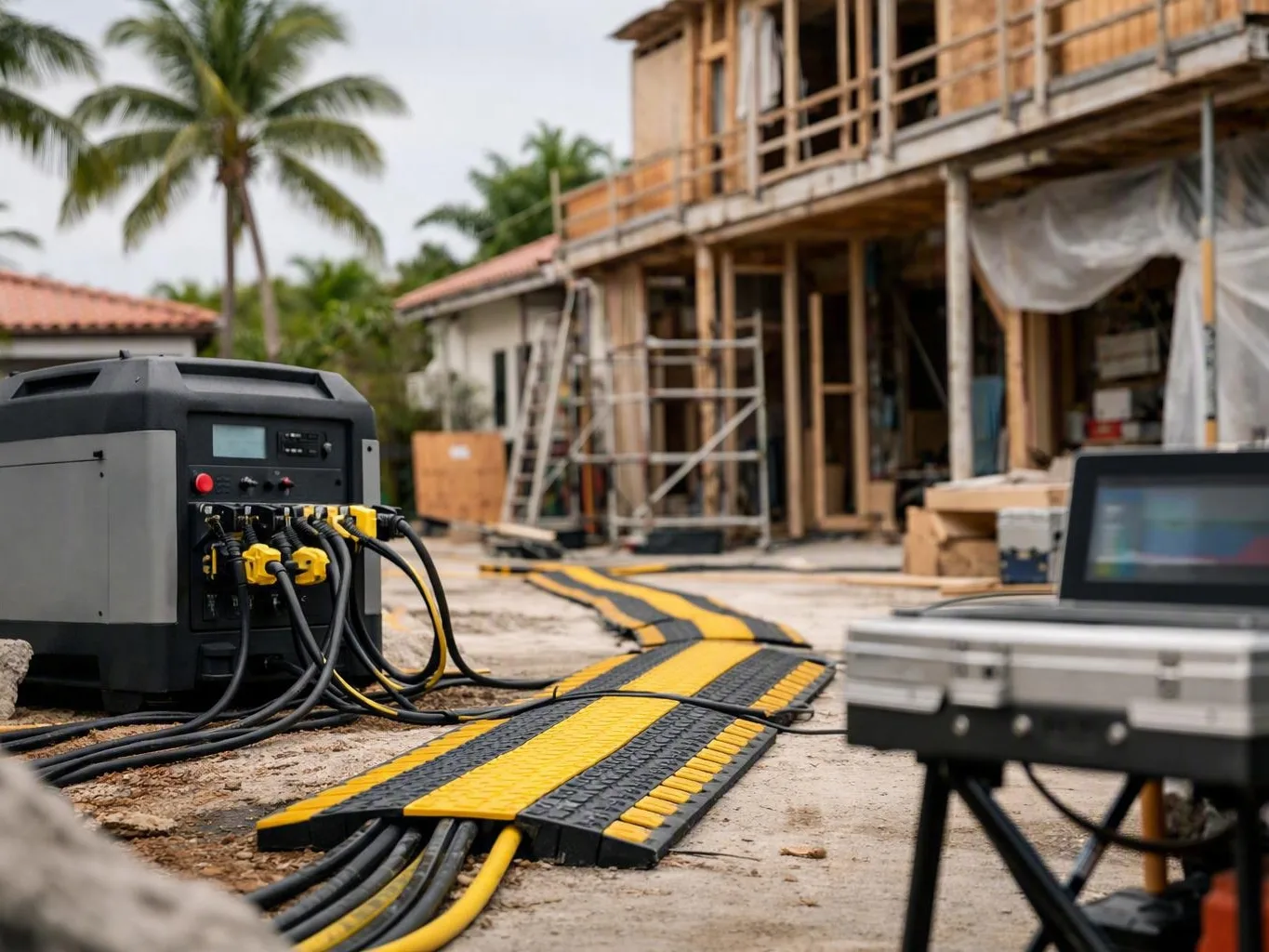
How Long Does It Take to Install an EV Charger?
EV charger installation usually takes 2 to 8 hours at home. Complex projects may take one or more days. An electrician checks the charger site, electrical panel, wiring path, and circuit needs. They also review permits and inspection needs. A simple job may use the current panel and a short cable run. A larger job may need a new 240-volt circuit or panel work. It may also need trenching or a service upgrade. Scheduling and local approval rules can change the timeline. A professional electrical check gives the best estimate.
Get a Free EstimateHow Long Does a Typical EV Charger Installation Take?
EV charger installation usually takes 2 to 8 hours. This range applies when the panel has enough capacity. It also helps when the charger sits near the panel. A basic job may finish during one visit. New circuits, hard wiring paths, panel work, trenching, permits, or inspections can add time.
Earth Electric Florida starts with your home electrical system. The team checks more than the charging station. An electrician checks the vehicle, panel, and parking space. A Level 2 charger can support daily overnight charging. Some drivers may only need occasional charging. Your needs can affect the charger and work plan.
A garage can make the job easier. The panel and vehicle are often close together there. A detached garage can add labor and wiring. Outdoor chargers may need extra weather protection. Finished walls, attics, and driveways can also change the work path.
Most simple jobs take 2 to 8 hours of labor. This time may not include permit or inspection wait times. It may also exclude utility work or equipment delivery. Electric Vehicle Charger Installation in Miami may follow local scheduling rules. Confirm those steps before you book the work.
EV Charger Installation Timeline by Project Complexity
An EV charger installation timeline depends on the project size. A simple job may take 2 to 4 hours. An average job often takes 4 to 8 hours. A complex job may take 1 to 2 days or longer. These times assume the equipment is ready. They don't include unusual permit or utility delays.
| Project scope | Typical duration | Common work involved |
|---|---|---|
| Simple installation | 2 to 4 hours | Suitable panel, short wiring path, open wall, and charger near the panel. |
| Average installation | 4 to 8 hours | Dedicated 240-volt circuit, moderate conduit run, indoor or outdoor mounting, and testing. |
| Complex installation | 1 to 2 or more days | Long circuit, trenching, hard wall access, panel replacement, service limits, or added approvals. |
The table shows on-site work time. It doesn't show every calendar step. The permit review or inspection may happen later. Missing equipment can also delay the start date.
What Can Make EV Charger Installation Faster or Slower?
EV charger installation takes longer when the panel lacks capacity. Long wiring paths can also add time. Hard wall access, permits, and inspections may cause delays. The job can move faster with a ready panel and short wiring path. The equipment should also be on site. Confirm the charger location before work starts.
Your home layout matters. A charger near the panel needs less conduit. An outdoor charger across the home needs more work. Finished drywall, brick, crawl spaces, attics, and driveways can change the labor time.
Plug-in equipment may make future service easier. The 240-volt outlet still needs the right breaker and wiring. A hardwired unit can give a clean finish. Its setup must match the vehicle and charger instructions.
What Happens During a Home EV Charger Installation?
A home EV charger installation starts with an electrical check. It includes load planning, circuit work, charger mounting, setup, and testing. The electrician checks the wiring, safety devices, and charging operation.
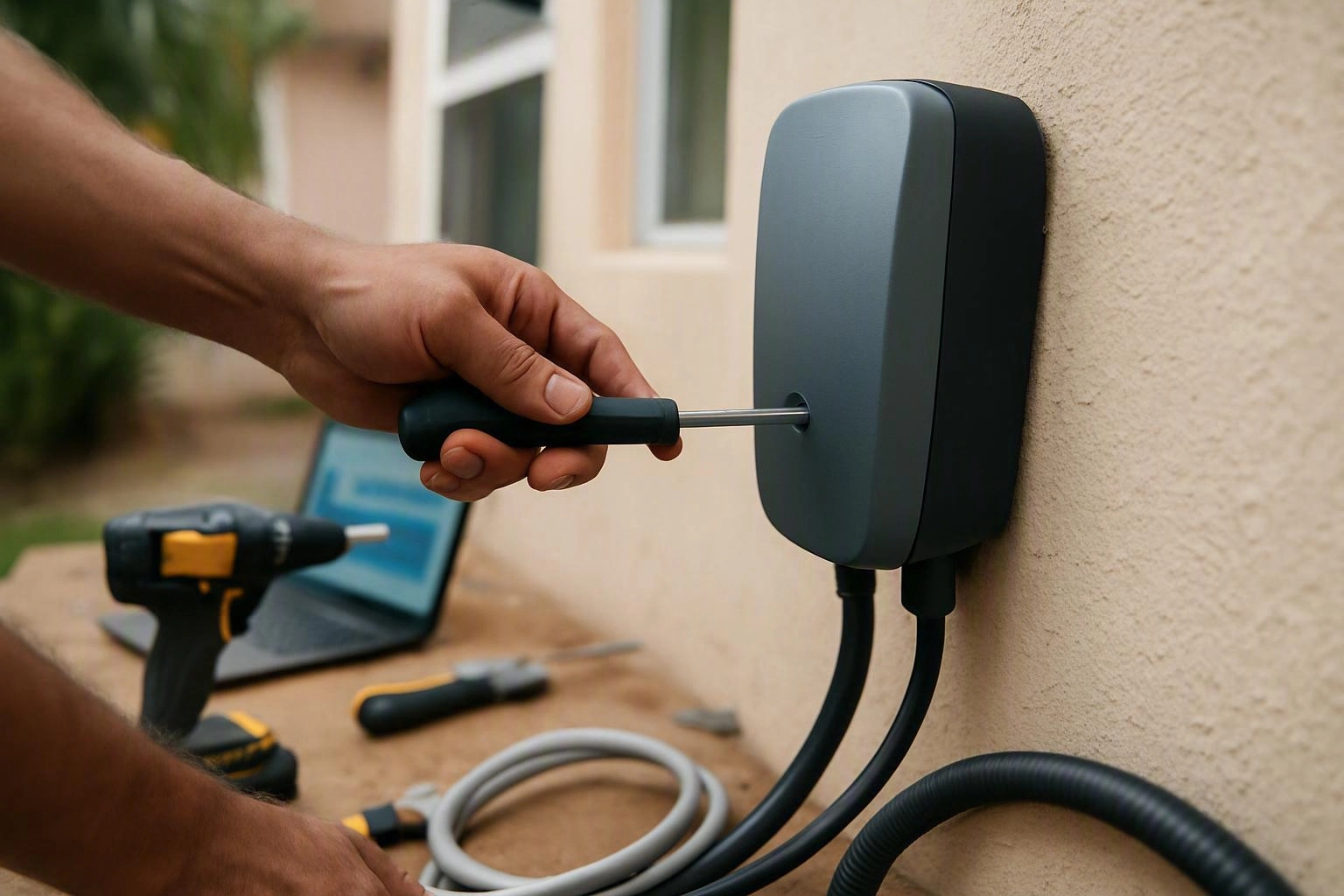
First, the electrician reviews the vehicle and charger model. They also check the parking space and charging needs. This helps them choose a Level 2 EV charger, 240-volt outlet, or hardwired charger. They also review indoor or outdoor conditions.
Next comes a load calculation. This checks if the home can handle the charger. Other large loads may run at the same time. These loads include heating, cooling, cooking, and laundry tools. The electrician then plans the breaker, wire size, and conduit.
During the work, the crew installs the circuit from the panel. They add conduit where needed. They mount the charging equipment and protect the wires. The cable stays within the right reach of the vehicle. The team then connects and tests the charger.
Testing may include voltage, breaker, grounding, and safety checks. The electrician may also run a charging session. They should explain basic use before leaving. They should also explain any pending permit or inspection.
When Is a New Circuit or Electrical Panel Work Needed?
A new circuit or panel work may be needed when the panel can't support the charger. An electrician may add a dedicated circuit or repair damaged parts. They may replace an old panel or suggest a service upgrade. This choice follows a review of the home's electrical load.
New Circuit Installation is common for a Level 2 unit. The charger usually needs its own circuit and breaker. The job may move quickly with open panel space. The home must also have enough service capacity. A 240-volt outlet needs the right wires and safety parts.
Panel repair may be needed after damage or overheating. Problems can affect the box, bus, breakers, or connections. Panel replacement takes longer than a simple repair. Circuits must be moved, marked, and tested. Limited service may also need utility work.
Our team can explain the problem in plain terms. It may involve a breaker, panel, capacity, or wiring path. An Emergency Electrician may handle an urgent danger. Planned charging work still needs a full load check and approval review.
How Should You Prepare for an EV Charger Installation?
You can help shorten EV charger installation time. Choose the charger model and parking spot first. Clear access to the electrical panel. Mark the preferred wiring path. Ask if permits or inspections apply. These steps help the electrician plan the job.
Photos can help with an early review. Take pictures of the panel, garage, and parking area. Include the possible wiring path. Don't remove panel covers or wire anything yourself. Clear details help our crews bring the right supplies.
How Can You Get an Accurate EV Charger Installation Estimate?
An accurate EV charger installation estimate needs an electrical review. The electrician checks the charger, panel, wiring distance, and wall access. They also review permits and local approval rules. Ask about labor time, panel work, testing, and possible delays.
A professional electrician should inspect the site first. They shouldn't estimate from charger power alone. The review should cover load, breaker space, and service capacity. It should also cover wiring, conduit, mounting, and panel distance.
Ask for the project scope in plain language. It should list the circuit, breaker, outlet, or hardwiring. It should also list wall access and panel work. Permit filing, inspection help, setup, and testing should be clear.
We can explain which parts are firm. We can also explain which parts may change. Equipment, permits, hidden walls, and upgrades can affect timing. A clear estimate helps you plan daily and overnight charging.
For an assessment, contact our team about your charging project. We can review your vehicle, charger, parking area, and electrical system.
Questions About Emergency Electrician
How Long Does It Take to Install a Level 2 EV Charger at Home?
A Level 2 EV charger usually takes 2 to 8 hours to install. This assumes the panel has capacity and the charger is nearby. Long wiring paths, panel repairs, permits, or inspections can add time.
Can an EV Charger Be Installed in One Day?
Yes. Many simple home projects can finish in one day. Equipment, upgrades, wiring distance, permits, and inspections can change the schedule.
Does Installing an EV Charger Require a New Electrical Panel?
No. A new panel isn't always needed. An electrician may use the current panel if it has space and enough capacity. Repair, replacement, or a service upgrade may be needed for damaged, old, crowded, or weak equipment.
How Long Does It Take to Install a 240-Volt Outlet for an EV Charger?
A 240-volt outlet may take 2 to 8 hours to install. This assumes the panel works well and sits nearby. Long runs, conduit, wall access, panel work, permits, and inspections can add a full day or more.
What Factors Affect the Cost and Time of EV Charger Installation?
Key factors include the charger, panel, circuit length, wiring path, conduit, and wall access. Parking location, breakers, panel work, service capacity, equipment, permits, and inspections also matter. A professional assessment gives the best project estimate.
Related Resources
Burning Smell From Outlets or Wiring in Miami, FL: When to Call an Emergency Electrician
burning smell from electrical outlet when to call electrician
When You Need ItFrequently Tripping Circuit Breakers in Miami, FL: Warning Signs You Need Electrical Repair
circuit breaker keeps tripping when to call an electrician
When You Need ItFlickering and Dimming Lights: Signs of a Dangerous Electrical Problem in Miami, FL
flickering lights when to call an electrician miami
When You Need ItPartial Power Outage in Miami, FL: How to Know When You Need an Emergency Electrician
partial power outage in house when to call electrician