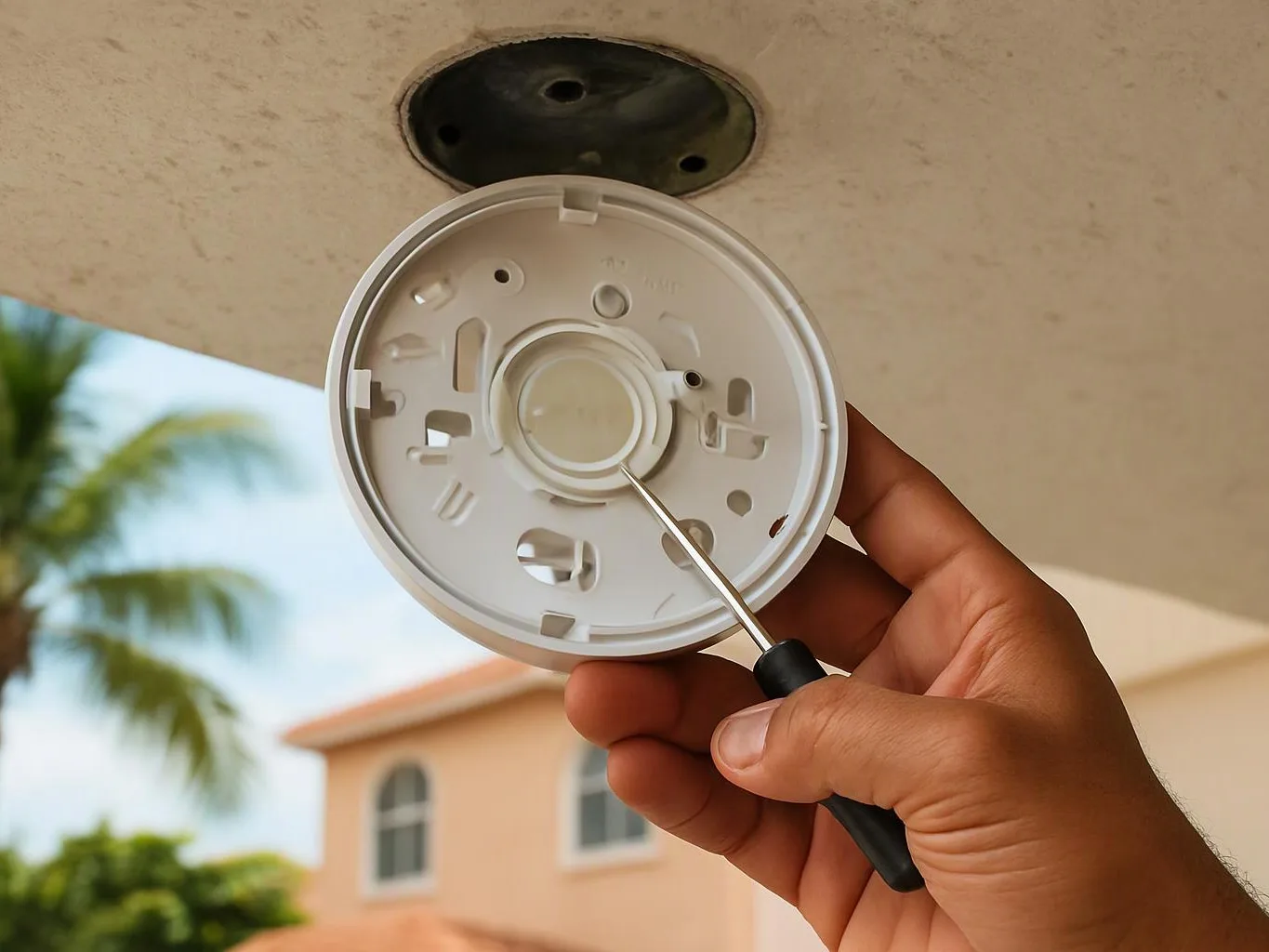
Home Electrical Safety Inspections, Code Corrections, and Protection Upgrades
Home electrical safety inspections identify unsafe conditions, code-related deficiencies, and missing protection, while Earth Electric explains the corrections and upgrades needed to improve household electrical safety.
Get a Free EstimateWhat Does a Home Electrical Safety Inspection Cover?
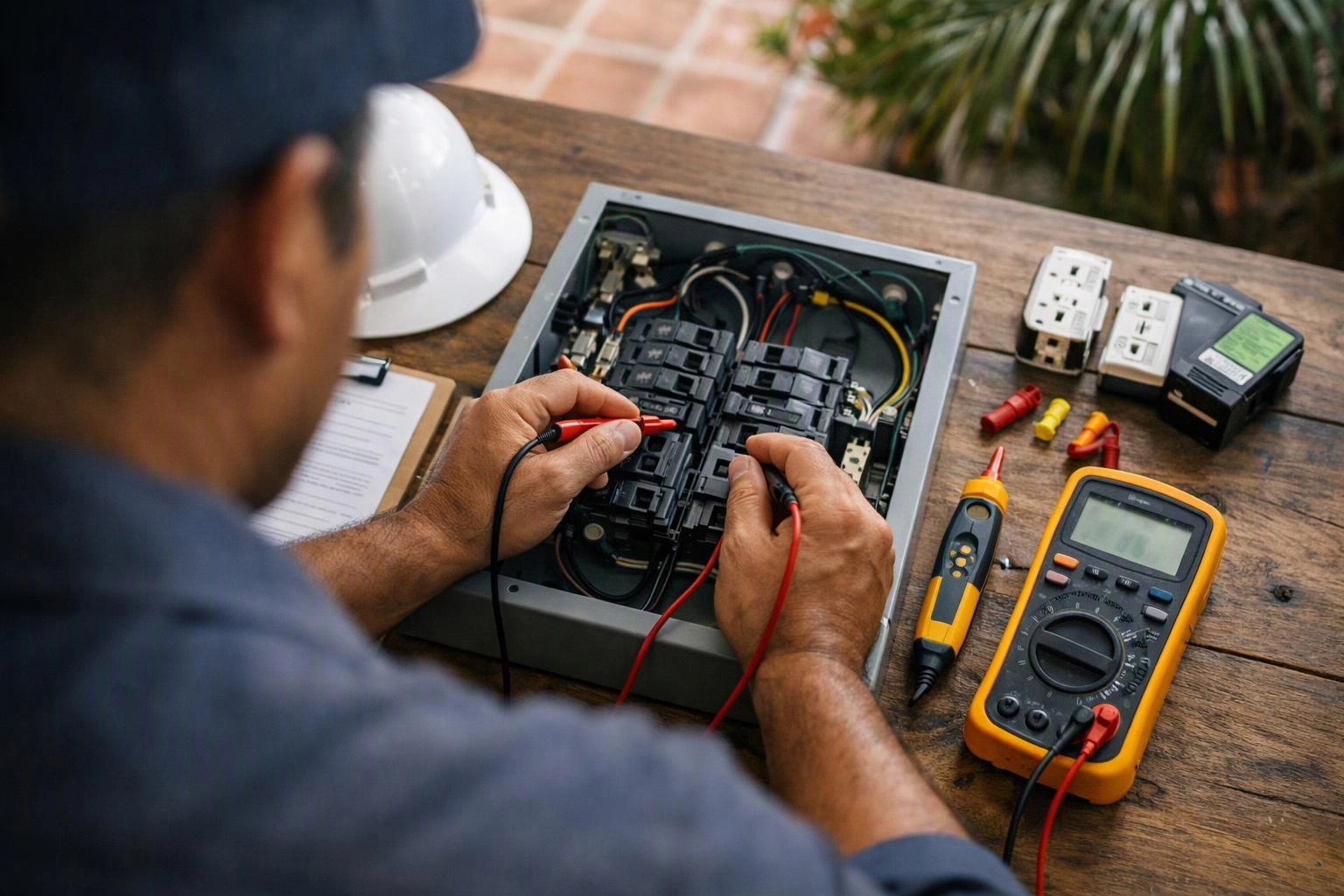
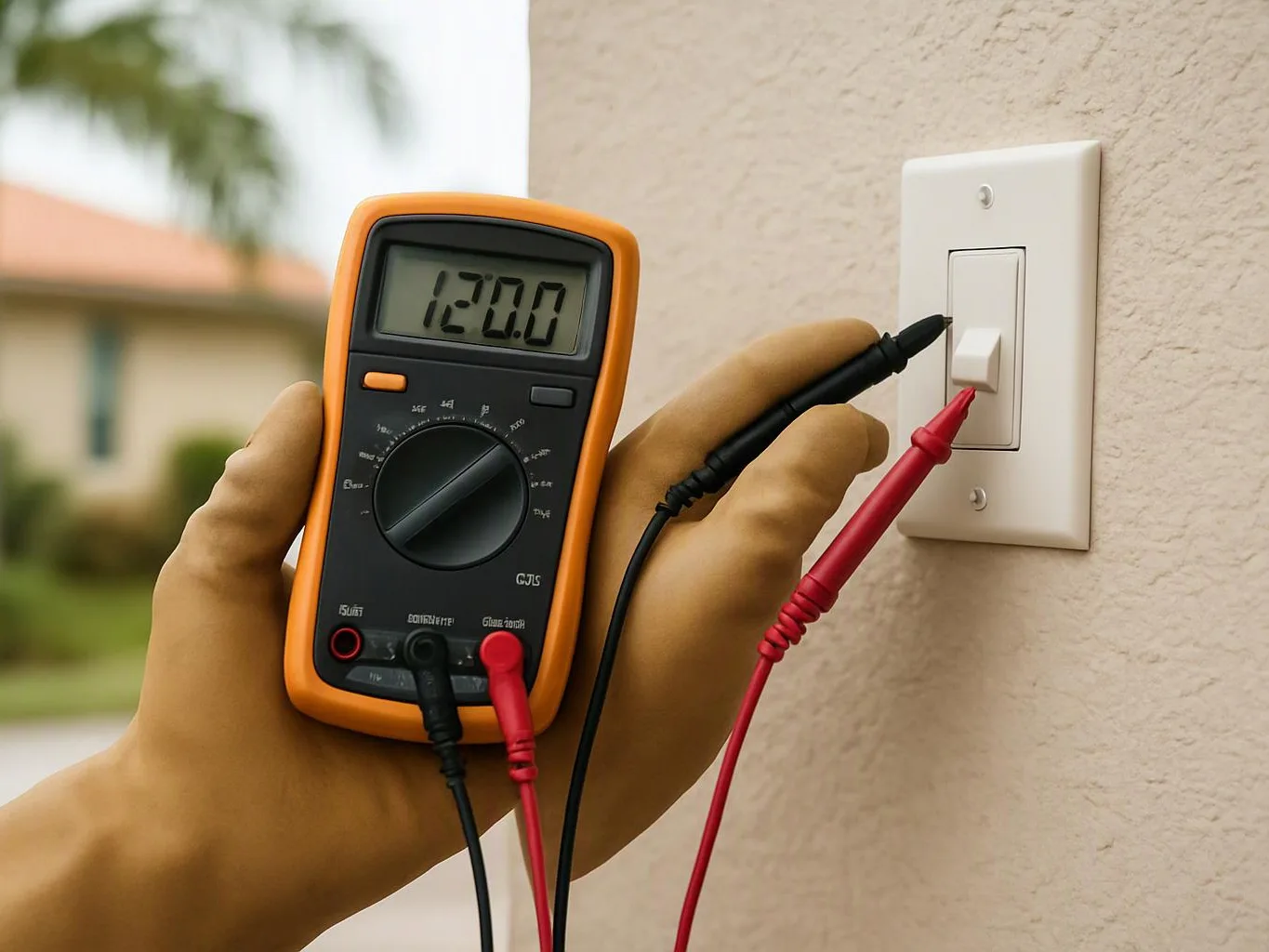
A home electrical safety inspection reviews accessible electrical components and identifies conditions that may create shock, fire, equipment, or code-compliance concerns.
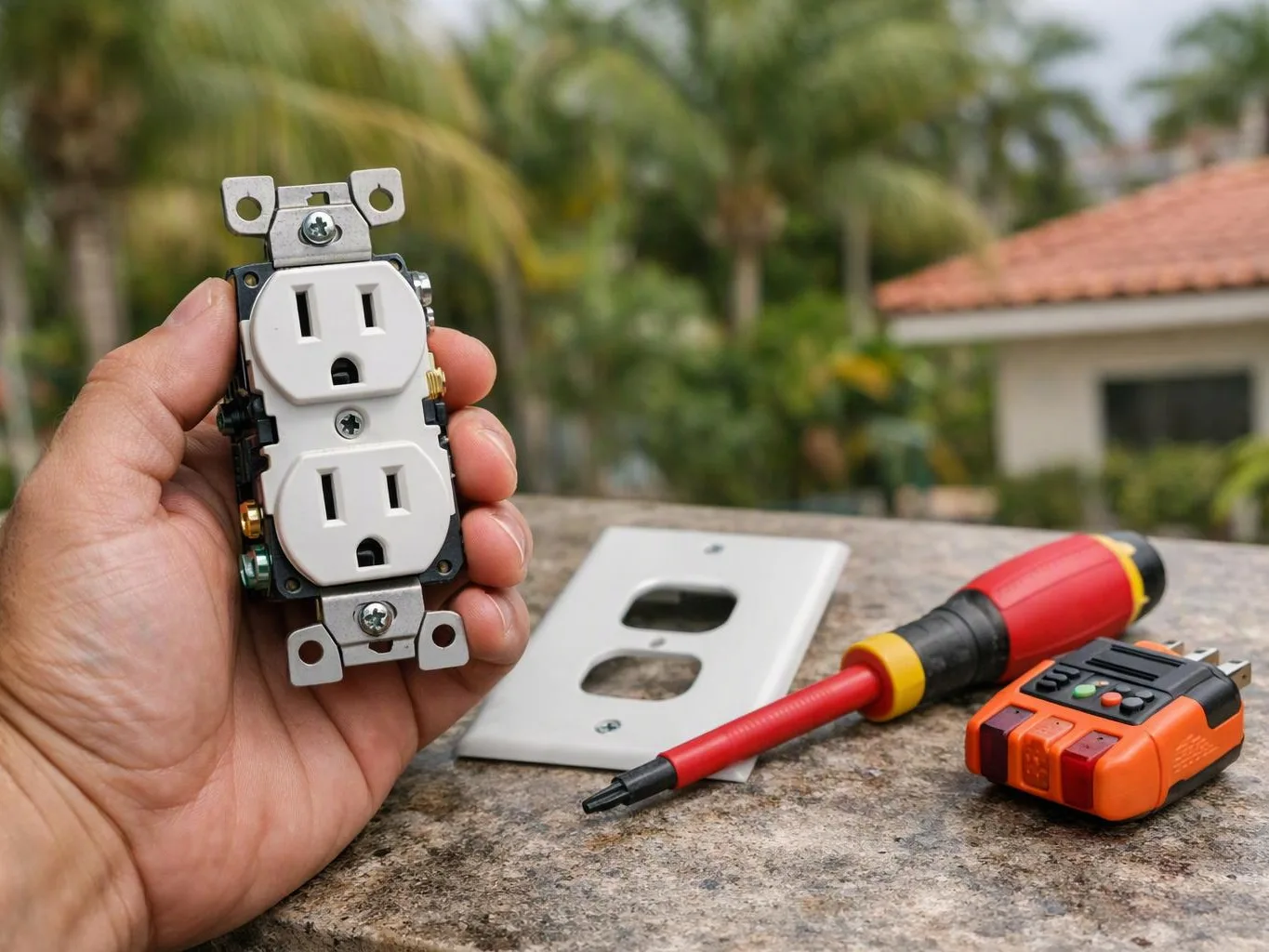
Our inspection checklist includes the electrical panel, branch circuits, receptacles, switches, grounding, bonding, and overcurrent protection. We look for visible damage, loose connections, signs of overheating, and protection that may not match the home's electrical needs.
We explain each finding in plain language and connect the condition to a practical correction plan. The result helps you understand which concerns need attention and which upgrades can improve protection.
Signs Your Home May Need Electrical Safety Corrections
Electrical warning signs can point to a shock hazard, fire risk, damaged equipment, or a circuit protection problem. We use these symptoms to guide the inspection and identify related conditions.
Contact us promptly when you notice a strong warning sign, especially when heat, smoke, sparking, or repeated breaker operation is involved.
We inspect the surrounding circuit when a symptom appears because the visible sign may not be the only affected part. For sparking or arcing concerns, the guide “Sparking Outlets and Electrical Arcing: What to Do Before Calling an Electrician” explains immediate safety steps.
What Causes Electrical Safety Problems in a Home?
Home electrical safety problems usually develop when equipment ages, circuits carry more demand, wiring becomes damaged, or previous work was modified improperly. We trace the condition to its source so the correction addresses the cause.
Common causes include the following:
Our team checks related equipment before defining the repair because one damaged connection can affect a larger branch circuit. We then explain the correction needed to restore safe function.
How We Evaluate Electrical Code Correction Needs
Electrical code correction needs are evaluated by tracing the reported condition, checking related equipment, and defining the work needed to restore safe function and applicable compliance.
We inspect the electrical panel, circuit protection, grounding system, and bonding connections that relate to the reported issue. We also evaluate whether GFCI protection or AFCI protection is needed for the conditions and areas involved.
Our team separates an observed hazard from a recommended improvement and explains the reason for each item. When permitted electrical work is required, we plan the work around safe installation practices and retain electrical safety documentation for the completed correction.
What Happens During an Electrical Code Correction Project?
An electrical code correction project moves from diagnosis to a defined correction plan, completed electrical work, and safety checks that confirm the corrected condition.
We review the reported problem, inspect connected components, and explain the work before repairs begin. Free Estimates Available, with the estimate based on the equipment involved, the access required, and the correction plan.
We explain the completed work and provide relevant safety documentation when the project requires a record of the correction. The final review also helps identify follow-up needs that were not visible at the start.
Which Protection Upgrades Can Improve Home Safety?
Protection upgrades improve home safety by addressing voltage surges, fire detection, carbon monoxide detection, shock hazards, and electrical arcing.
We match the upgrade to the condition found during the inspection. Options may include a whole house surge protector, smoke detector, carbon monoxide detector, ground-fault protection, arc-fault protection, and electrical panel protection.
Each device serves a different purpose. We explain how the equipment works, where it connects, and what testing or maintenance the homeowner should perform after installation.
When Does a Whole House Surge Protector Make Sense?
A whole house surge protector makes sense when a home needs panel-connected protection for sensitive electrical equipment against transient voltage events.
We install the surge protection device at the electrical panel and check that the installation matches the panel and service configuration. This approach helps protect connected electronics across the home from voltage changes that can travel through branch circuits.
Our team explains the device's status indicators and the conditions that may call for future inspection. Surge protection supports equipment protection but does not correct damaged wiring or an overloaded circuit.
How Should Smoke and Carbon Monoxide Detectors Be Planned?
Smoke and carbon monoxide detector planning considers alarm placement, power source, interconnection, testing access, and safe installation conditions.
We plan smoke detector and carbon monoxide detector locations based on the home's layout and the hazards each alarm is designed to detect. We also review interconnected alarms, the power source, backup battery needs, and access for future testing.
Ladder safety matters during installation and maintenance. If climbing feels unsafe, call Earth Electric; our crew handles the ladder work and checks the installed alarms.
How Can Homeowners Prevent Electrical Safety Problems?
Preventive electrical maintenance reduces avoidable problems by keeping circuits, receptacles, and alarms under regular observation. You can perform visual checks without opening electrical equipment or touching exposed wiring.
Use the following home electrical safety checklist during seasonal changes and whenever equipment use changes:
We can inspect concerns that a visual check cannot confirm, including hidden wiring damage, loose connections, grounding problems, and circuit protection issues.
What Should You Do After an Urgent Electrical Repair?
Electrical aftercare begins with using the corrected circuit as directed, watching for recurring warning signs, and arranging follow-up review when the repair revealed a broader system issue.
Keep the repaired area accessible and avoid reconnecting equipment that may have caused the original concern until the circuit is ready for normal use. We explain any limits that apply to the repaired circuit before we close the project.
Call Earth Electric when the warning sign returns or when the repaired circuit does not operate normally. We use the aftercare information to guide the next inspection or correction.
How Earth Electric Helps With Home Electrical Safety
Earth Electric inspects home electrical conditions, explains correction needs, and installs the listed protection upgrades as part of a safety-focused project plan.
We provide electrical safety inspections, electrical code corrections, whole house surge protector installation, smoke detector installation, and carbon monoxide detector installation. Our team connects the inspection findings to clear work so you can understand the purpose of each repair or upgrade.
Request an inspection or correction plan through our contact page. We will review the concern, explain what the work includes, and provide the next step for your home.
Questions About Home Electrical Safety
What is included in an electrical safety inspection?
Earth Electric reviews accessible electrical panels, branch circuits, receptacles, switches, grounding, bonding, and overcurrent protection during an electrical safety inspection.
Can an electrical inspection identify hidden wiring problems?
Yes, an electrical inspection can identify clues that point to hidden wiring problems, such as heat, odor, flickering, damaged insulation, loose connections, or unexplained breaker operation.
What electrical warning signs require immediate attention?
Electrical shock, smoke, sparking, a burning odor, hot receptacles, damaged wiring, and repeated breaker trips require prompt attention and safe use of the affected circuit.
Should a whole house surge protector be installed at the electrical panel?
Yes, a whole house surge protector is installed at the electrical panel when the panel and service configuration support panel-connected surge protection for connected equipment.
Where should smoke and carbon monoxide detectors be installed?
Smoke and carbon monoxide detectors should be placed according to the home's layout, the hazards being detected, manufacturer instructions, power requirements, and safe access for testing.
Can homeowners perform electrical safety checks themselves?
Yes, homeowners can perform visual checks of cords, receptacles, switches, alarms, and breaker behavior without opening electrical equipment or touching exposed wiring.
Related Resources
When You Need a 24-Hour Electrician: Emergency Signs and Next Steps
What It CostsHow Much Does an Electrical Panel Upgrade Cost?
Compared ToElectrical Panel Repair or Upgrade: How to Choose the Right Solution
What to Avoid24-Hour Electrician Hiring Mistakes: What to Check Before Booking Emergency Service