When You Need a 24-Hour Electrician: Emergency Signs and Next Steps
Emergency electrical guidance starts with recognizing burning smells, smoke, sparks, water exposure, damaged outlets, flickering, or repeated power loss; Earth Electric can inspect the hazard, troubleshoot the system, and complete the needed repair.
Get a Free Estimate
Which Electrical Warning Signs Need Emergency Attention?
Electrical warning signs that involve heat, smoke, sparks, water, visible damage, or unexplained power changes require immediate safety action and electrical assessment. Move away from the hazard and contact Earth Electric when the cause is not clear.
What Should You Do During an Electrical Emergency?
Electrical emergencies require you to move away from the hazard, avoid contact with damaged equipment, and shut off power only when you can do so safely. Keep children and others at a safe distance from smoke, sparks, water, and damaged electrical parts.
Electrical safety starts with avoiding wet surfaces, exposed wiring, and equipment that feels hot or behaves unusually. If smoke continues, flames appear, or a fire may be present, evacuate and contact the fire department from a safe location.
Water exposure requires extra caution because water-damaged wiring may remain energized. Do not touch the outlet, appliance, panel, or nearby water; we can assess the hazard and complete emergency electrical repair after the area is safe to access.
What Can You Do Yourself, and When Should You Call Earth Electric?
Basic observation and safe power isolation may be appropriate for you, while Earth Electric should handle exposed wiring, damaged outlets, repeated breaker trips, water-related faults, and uncertain electrical conditions. Do not remove outlet covers, handle wiring, or test damaged equipment yourself.
Use the table to separate safe first observations from work that requires our team. We use electrical troubleshooting to identify the fault without asking you to take unnecessary risks.
| Factor | What you can do yourself | What we do |
|---|---|---|
| Initial observation | Notice odors, heat, sounds, visible damage, or power changes from a safe distance. | We inspect the electrical system and identify conditions that may create an electrical hazard. |
| Circuit breaker | You may leave the breaker off when the circuit shows warning signs or will not reset safely. | We test the circuit, locate the cause, and complete circuit breaker repair when needed. |
| Outlet repair | You can stop using an outlet that is warm, loose, damaged, or discolored. | We isolate the circuit, inspect the connection, and complete outlet repair safely. |
| Water exposure | You can keep away from wet electrical equipment and avoid touching the affected area. | We assess water-damaged wiring and determine what must be isolated, dried, tested, or repaired. |
| Uncertain condition | You can leave the area and avoid experimenting with resets or repairs. | Our team performs electrical troubleshooting and explains the safe next step. |
When Does a Tripped Breaker Need Professional Attention?
A tripped breaker needs professional attention when it trips again, will not reset, feels hot, produces an odor, or accompanies sparks, buzzing, or partial power loss. A breaker can trip because of an overload, short circuit, or ground fault.
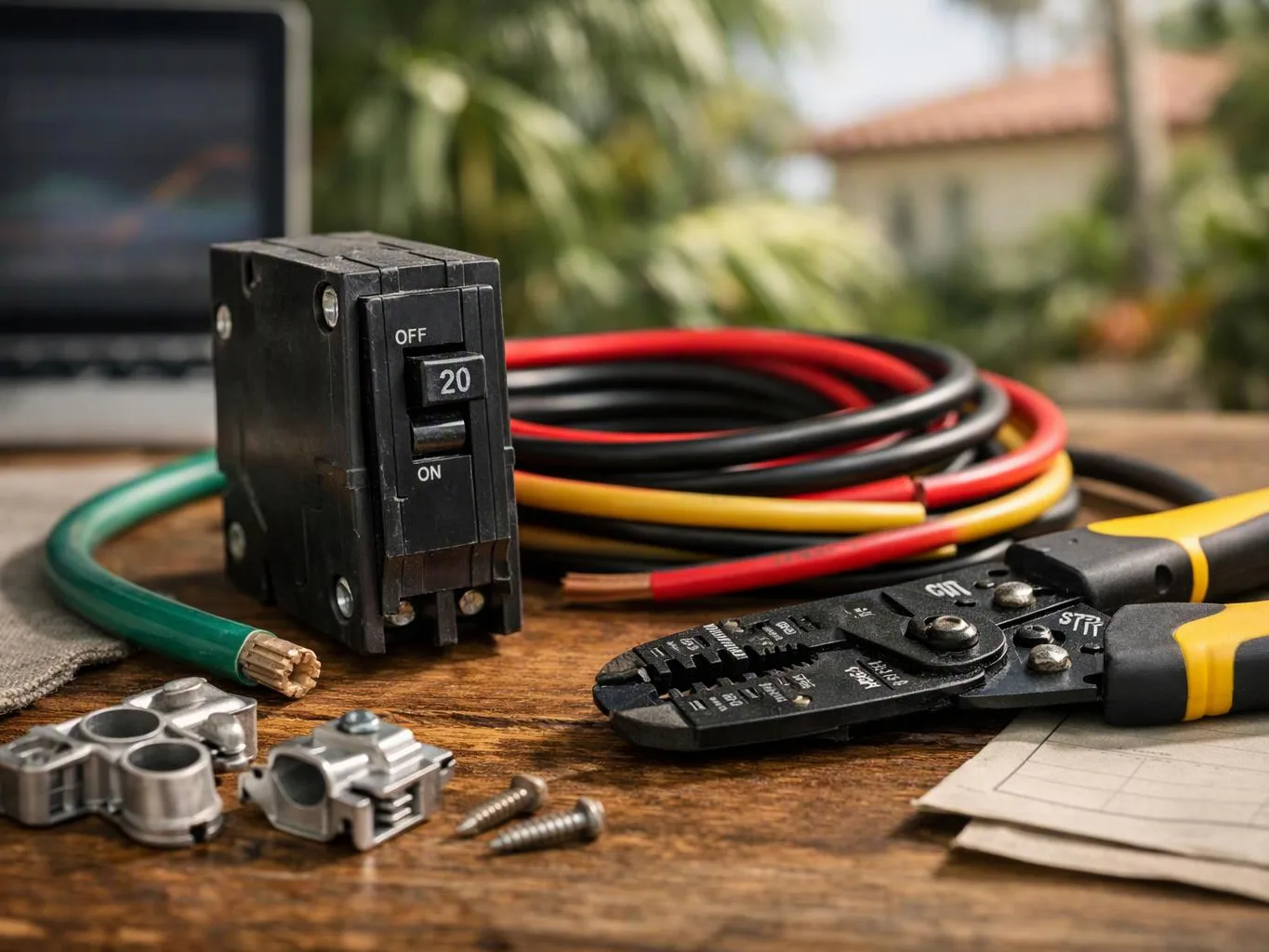
Leave the circuit off when the cause is unclear or warning signs remain. We trace the circuit, check connected equipment and wiring, and complete circuit breaker repair when the breaker or another component is unsafe.
What Happens After You Contact Us for Emergency Electrical Repair?
Emergency electrical repair begins with describing the warning signs, identifying immediate hazards, isolating unsafe areas, diagnosing the electrical fault, and explaining the recommended repair. Our team keeps the first conversation focused on safety and the symptoms you noticed.
How Is Emergency Electrical Repair Different From Routine Service?
Emergency electrical repair prioritizes immediate hazard control and fault diagnosis, while routine electrical service addresses planned improvements, maintenance, and non-urgent repairs. The difference is the safety risk and urgency created by the electrical condition.
Emergency work may involve isolating damaged wiring, stopping unsafe power flow, or checking equipment after smoke, water, or a power surge. Routine electrical service can focus on planned outlet changes, lighting work, upgrades, or an electrical safety inspection.
We decide the work sequence from the symptoms and the condition of the system. Our team explains which repair addresses the active hazard and which work can be planned separately.
What Should You Check After a Storm or Power Surge?
Post-storm and post-surge checks should focus on unusual smells, heat, visible damage, tripped breakers, flickering lights, and equipment that behaves differently after power returns. Severe weather can affect the electrical panel, outlets, wiring, and appliances.
How Can You Prepare for an Electrical Emergency?
Electrical emergency preparation includes knowing where the main panel is, keeping circuit labels clear, maintaining alarm systems, and saving Earth Electric's contact information. Preparation helps you act safely before touching any electrical equipment.
Keep the main electrical panel accessible and make sure each circuit label matches the area or equipment it controls. Test smoke alarms and carbon monoxide alarms according to their instructions, and keep an emergency contact available for urgent electrical help.
Do not store items against the panel or block access to outlets and shutoff points. Our team can help identify electrical concerns when routine service reveals a condition that may become an emergency.
Questions About Electrical Emergency Signs
Can I reset a tripped breaker if there is no visible damage?
Yes, you can try a single reset only when the area is dry, no odor or heat is present, and no equipment appears damaged; Earth Electric should inspect the circuit if the breaker trips again or will not reset.
Is a warm electrical outlet an emergency?
Yes, a warm electrical outlet can be an emergency because heat may indicate an overloaded connection, loose wiring, or overheating; stop using the outlet and keep away until we inspect it.
Should I call an electrician after water reaches an outlet?
Yes, call Earth Electric after water reaches an outlet because water-damaged wiring can remain dangerous even after the surface appears dry.
What should I do if only part of my home loses power?
Partial power loss requires safe observation of the electrical panel and affected areas; leave a tripped circuit off when warning signs appear and contact us for electrical troubleshooting.
Can flickering lights indicate a serious electrical problem?
Yes, flickering lights can indicate a loose connection, circuit fault, power surge, or another electrical problem, especially when flickering occurs with buzzing, heat, odors, or power interruptions.
Emergency electrical repair is the right next step when heat, smoke, sparks, water, visible damage, or unexplained power loss creates an electrical hazard. Contact Earth Electric so we can assess the condition, isolate unsafe areas, troubleshoot the fault, and explain the repair.
Contact Earth Electric