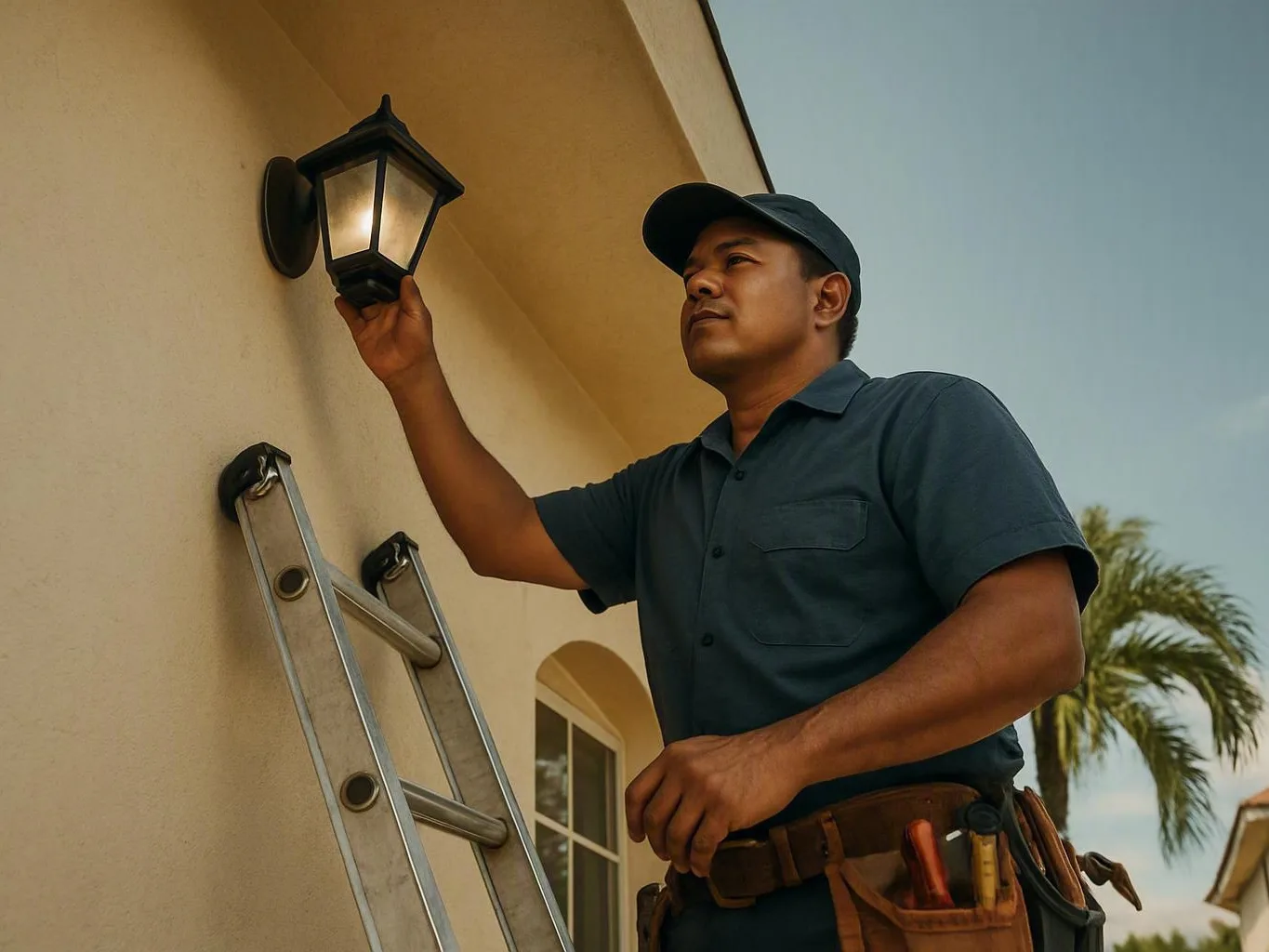
EV Charger Installation: Cost, Requirements, and Timing in Miami, FL
EV charger installation cost in Miami, FL depends on several parts of the job. These parts include the charger level, circuit length, panel space, permits, and site access. A Level 2 charger often needs a dedicated 240-volt circuit. An older panel may need repair, replacement, or a service upgrade. Installation may take several hours when the system is ready. Complex wiring, inspections, or panel work may take longer. Earth Electric Florida can check your home and explain the needed work. We can also handle permit steps and provide a written estimate.
Get a Free Estimate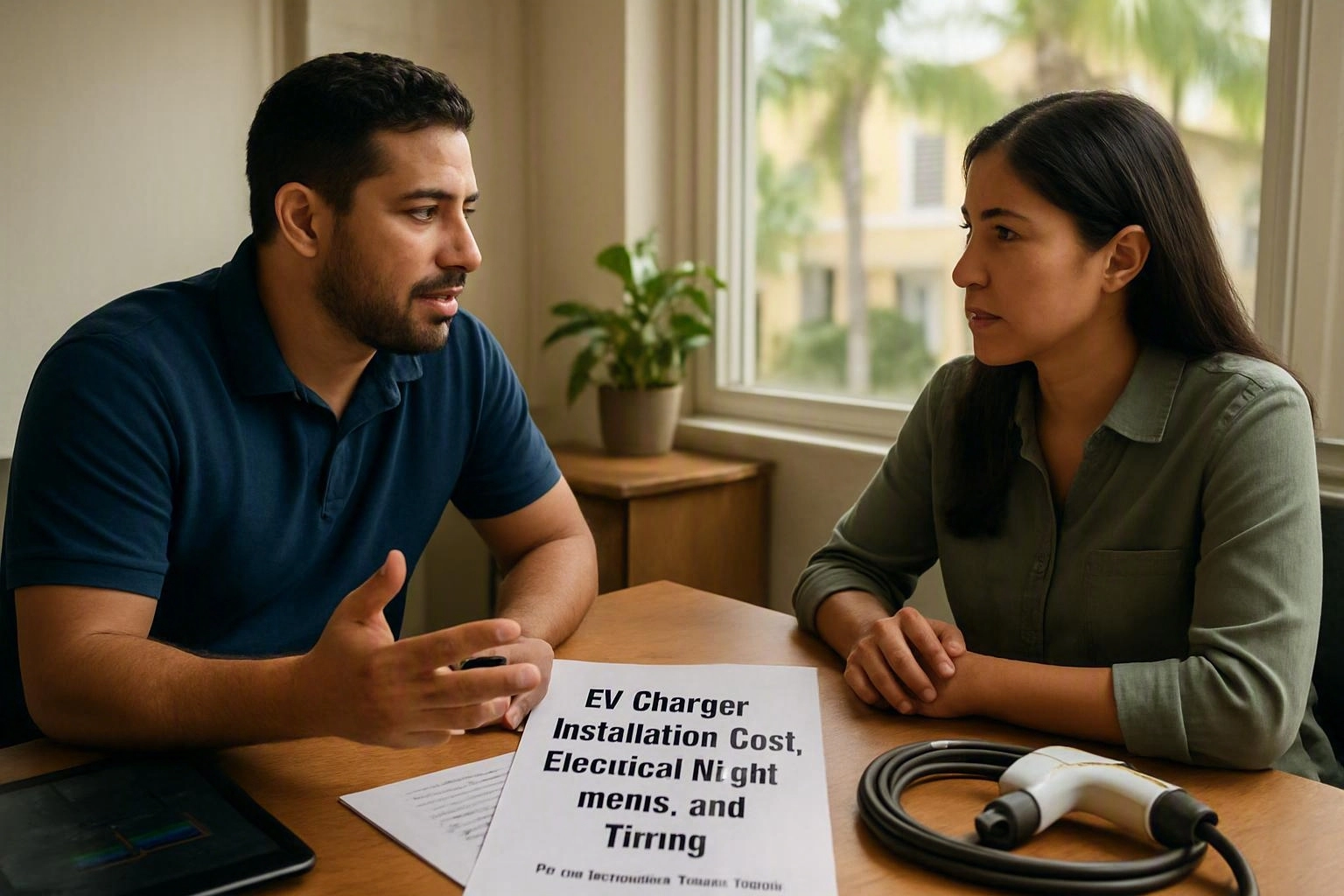
EV charger installation connects electric vehicle supply equipment to a safe home circuit. The work must meet local electrical rules. Earth Electric Florida can review your vehicle, charger spot, panel, and wiring plan first.
How Much Does EV Charger Installation Cost in Miami, FL?
EV charger installation cost in Miami, FL depends on the charger, wiring, panel, permits, and site access. A site review shows the needed work. It also separates equipment costs from labor costs.
Each home needs a different plan. Miami homes vary by age, panel location, and garage access. A short garage route may cost less. A long route through walls or an attic may need more work.
A Level 2 EV charger usually needs a two-pole breaker. It also needs a dedicated 240-volt circuit. The electrician selects the right wires and conduit. The charger may come from you or from the project. The estimate should list what it includes.
Panel capacity can change the price. The panel may have open space and enough power. It may also show heat damage, rust, old parts, or overload. Those issues may call for panel repair, replacement, or a service upgrade.
Miami, FL permits and inspections may affect the cost and schedule. The local process should be checked before work starts. Heat, humidity, salt air, and storms can affect outdoor equipment.
Flood-prone areas need careful equipment placement. Mounting height and weather protection also matter. Simple jobs often take several hours. Panel work and inspections can add time. Our team can list equipment, labor, circuit work, panel changes, and permit help.
What Factors Change the Installation Cost?
Installation cost changes because homes have different needs. Key factors include charger level, wire length, wire size, conduit, panel space, and service power. Access and permit rules also matter. A written scope should list these items first.
| Factor | Why it changes the cost | What to prepare |
|---|---|---|
| Charger equipment | Chargers have different power needs and mounting styles. | Vehicle needs, charger guide, and hardwired or plug-in choice. |
| Wire run | Long routes need more wire, labor, supports, and protection. | Panel spot, charger spot, and a clear route. |
| Conduit | Outdoor or hard routes may need more conduit and fittings. | Wall type, weather exposure, garage access, and finished surfaces. |
| Circuit breaker | The breaker and wire must match the charging power. | Panel brand, open spaces, service rating, and charger details. |
| Permit and inspection | Miami, FL permit rules may add review and inspection steps. | Property details and time for review and corrections. |
| Electrical service upgrade | Low service capacity may need larger equipment and utility help. | Whole-home load details and a panel check. |
Miami homes differ in age, panel condition, and access. Compare full scopes instead of one price. A low quote may leave out conduit, wires, inspections, or panel work.
How Much Does a Level 2 Charger Installation Cost?
Level 2 charger installation cost depends on the work behind the charger. The estimate should include a 240-volt circuit, breaker, wires, conduit, and charger connection. It should also list testing and any panel or service work.
A Level 2 charger charges faster than a Level 1 charger. It uses 240 volts and more charging power. Higher power may need larger wires and a different breaker. The vehicle and charger guides should be checked together.
A hardwired charger connects right to the circuit. A plug-in charger uses an approved outlet. Neither choice always costs less. The route, panel, mounting, and inspection needs often matter more.
Homes with a good panel and easy access may need one visit. Permits and inspections can extend the full schedule. The estimate should list charging power, connection type, testing, and future limits.
Does an EV Charger Need a Dedicated Circuit?
A dedicated circuit is generally needed for an EV charger. Charging creates a large, steady electrical load. A qualified electrician selects the breaker, wire size, and safety parts. A load calculation also checks the home’s power needs.
Many Level 2 chargers use a dedicated circuit. The circuit includes a two-pole breaker. It must match the charger and its steady load. The electrician also checks grounding and required ground-fault protection.
A load calculation checks the whole home. It includes the charger and other large appliances. This review matters in older Miami homes. It also matters with air conditioning, pool gear, or electric ranges.
Nearby outlets should not be used without a review. An outlet may share wires with other devices. It may also have the wrong rating or safety parts. Our team checks the path from the panel to the vehicle.
Will I Need an Electrical Panel Upgrade for an EV Charger?
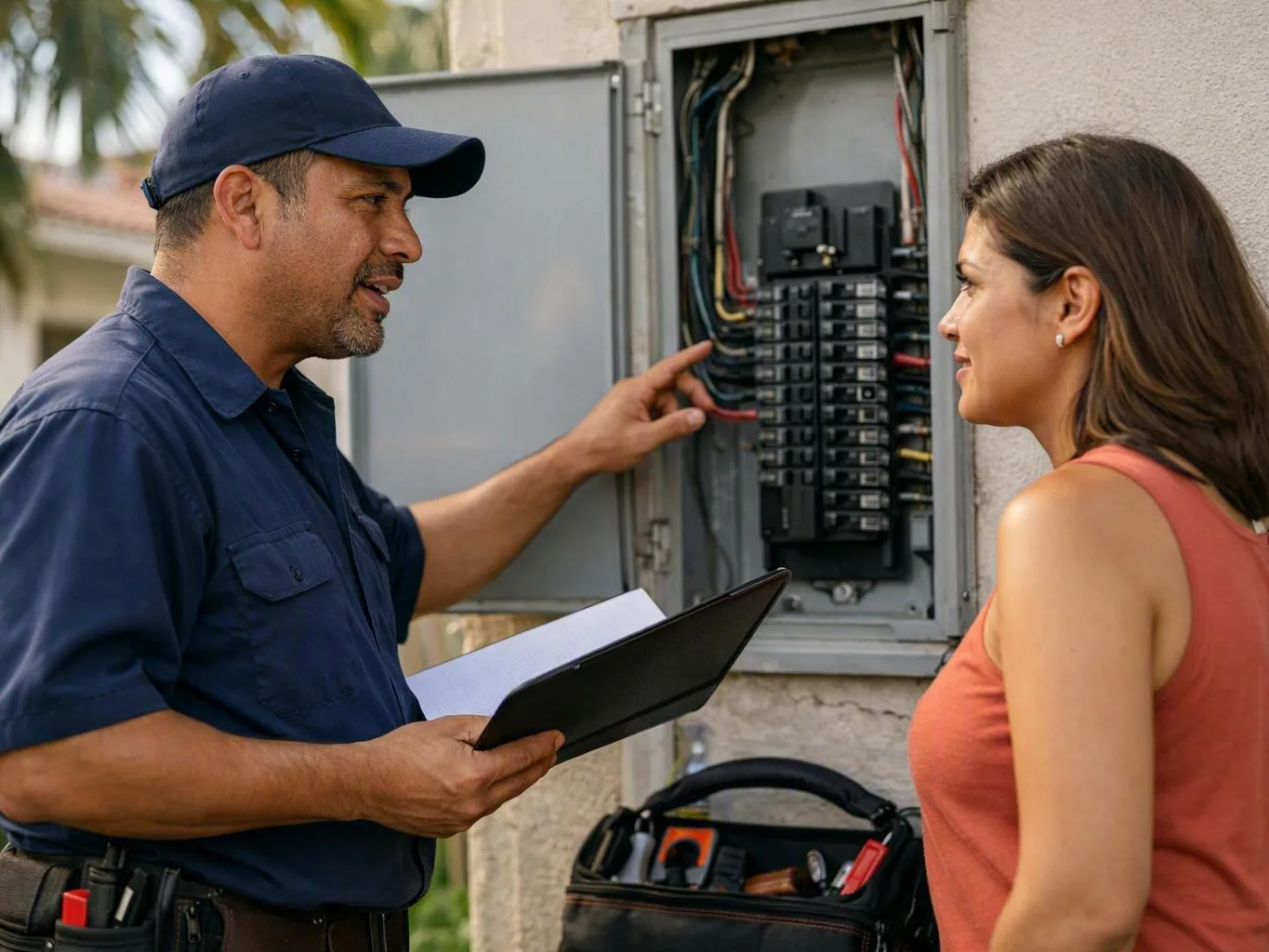
An electrical panel upgrade is not needed for every charger. It may be needed when the panel has no space or damaged parts. It may also be needed when the home lacks enough service power. An electrician should inspect the panel and check the whole-home load first.
A full service replacement is not always needed. An empty panel does not always mean the service needs more power. Adding a breaker without checking the load is unsafe.
Miami properties may have old panels or enclosed electrical gear. Garages and outdoor areas may also have limited access. Heat, humidity, salt air, and storms can affect outdoor parts.
How Long Does EV Charger Installation Take?
EV charger installation timing may be several hours for a simple job. The panel must be suitable. The charger spot must be easy to reach. Long conduit runs, wall access, panel work, service upgrades, permits, and inspections can add time.
A simple job often takes about half a day. This range covers field work only. Permit reviews, inspections, material delays, utility work, and corrections may take longer.
The process starts with a site check. We review the vehicle, charger, panel, service power, and mounting spot. We then confirm the scope and prepare materials. Next, we install the circuit, connect the charger, and test the system.
Outdoor work needs extra planning in Miami. Heat, humidity, salt air, storms, and flooding can affect the site. Mounting height, weather protection, and rust protection should be reviewed.
Panel work can extend the schedule. A service upgrade needs more planning than a new circuit. An inspection may also be required. An Emergency Electrician can address urgent hazards. Planned charger work still needs safe design and approval.
Five Ways to Control EV Charger Installation Costs
Homeowners can control EV charger installation costs with early planning. Choose a spot near the panel. Confirm the vehicle’s charging needs. Check the panel before buying equipment. Compare full written scopes. Plan for future needs without adding unsafe capacity.
Electric Vehicle Charger Installation in Miami should fit the home. New Circuit Installation may be part of the job. The final scope should match the panel, route, weather, and charging needs.
Questions About Emergency Electrician
Can I Install an EV Charger in My Garage?
Yes, a garage is a common charger location. The electrician must check panel capacity, access, clearances, and the circuit route. The charger also needs the right rating and physical protection. Mount it where the cable stays clear of people and cars.
Can I Install a Level 2 Charger with a 100-Amp Service?
Possibly, but a load calculation is needed. The answer depends on appliances, service capacity, panel condition, and charging power. Approved load management may also help. Do not assume a 100-amp service can support the charger.
Is It Cheaper to Install a Hardwired or Plug-In EV Charger?
Neither option is always cheaper. A hardwired unit avoids a charging outlet. A plug-in unit needs an approved outlet. Circuit length, conduit, panel work, equipment, and inspections usually affect the total cost more.
What Size Breaker Do I Need for an EV Charger?
The breaker size depends on the charger’s input and charging power. It also depends on the wire size and steady-load design. A qualified electrician selects the breaker after checking the charger guide and load calculations.
Can an Electrician Install an EV Charger on an Outdoor Wall?
Yes, if the equipment and location suit outdoor use. Miami heat, humidity, salt air, storms, and flooding may affect the plan. The electrician should review mounting height, rust protection, conduit, and weather protection.
Do EV Charger Installations Require an Electrical Permit?
Permit rules depend on the property and the work. Miami, FL residential electrical permits and inspections may affect the schedule. The local process should be checked before installation. The electrician can explain the steps that apply.
A site review connects the charger, dedicated 240-volt circuit, panel, wires, service power, and permits. We can explain your options and provide a written estimate.
Related Resources
Burning Smell From Outlets or Wiring in Miami, FL: When to Call an Emergency Electrician
burning smell from electrical outlet when to call electrician
When You Need ItFrequently Tripping Circuit Breakers in Miami, FL: Warning Signs You Need Electrical Repair
circuit breaker keeps tripping when to call an electrician
When You Need ItFlickering and Dimming Lights: Signs of a Dangerous Electrical Problem in Miami, FL
flickering lights when to call an electrician miami
When You Need ItPartial Power Outage in Miami, FL: How to Know When You Need an Emergency Electrician
partial power outage in house when to call electrician