Electrical Panel Replacement vs Service Upgrade: What Does Your Property Need?
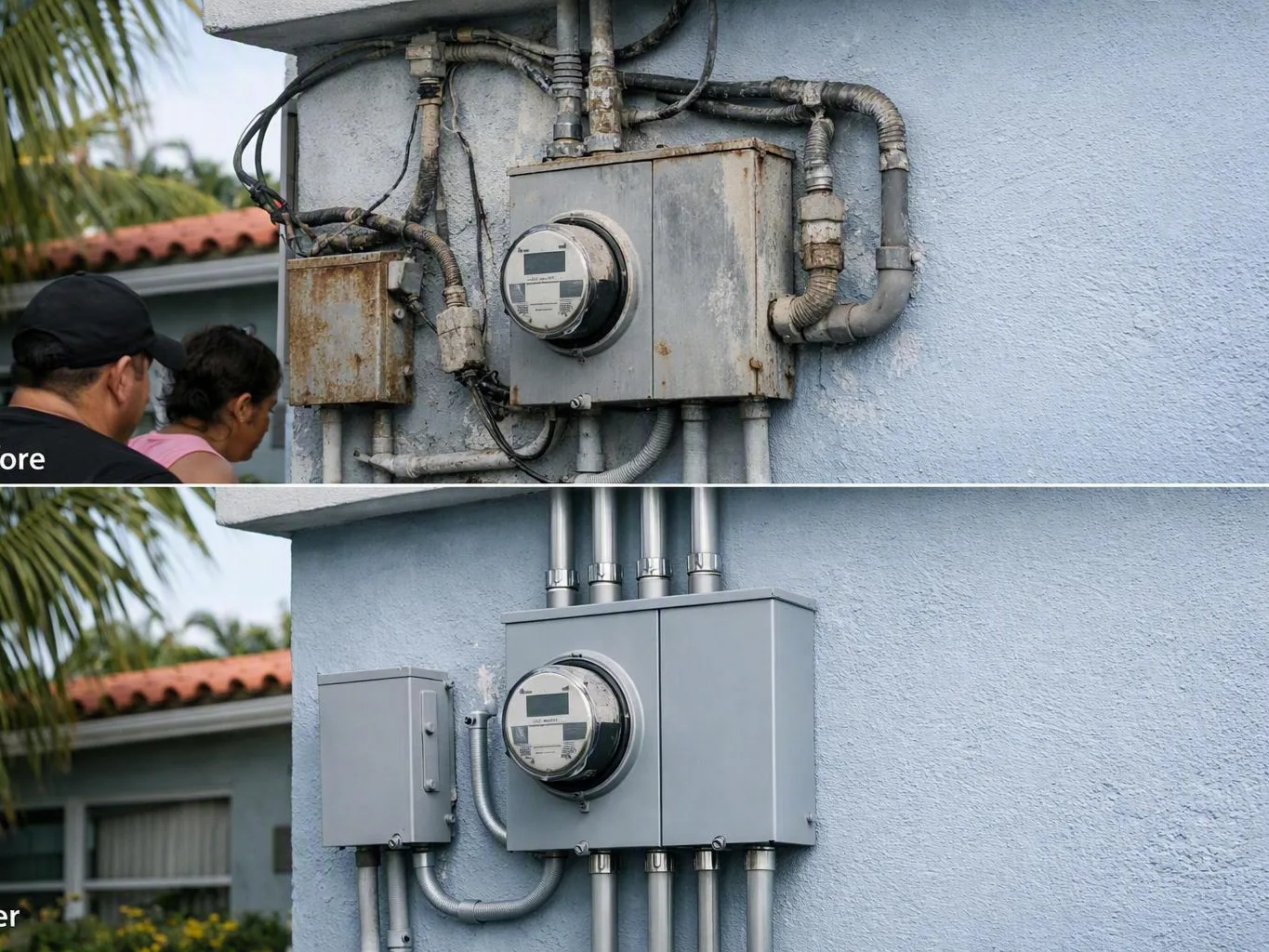
An electrical panel replacement changes the panel itself. An electrical service upgrade adds more power capacity to the property. A replacement may fix old parts, damage, or limited breaker space. It doesn't change the incoming service in most cases. A service upgrade may help when power use exceeds the current service. This often happens after adding an EV charger, HVAC equipment, or large appliances. An electrician should inspect the panel, service rating, wiring, and grounding. They should also check the load and connected equipment. This review helps them choose the right fix.
Get a Free Estimate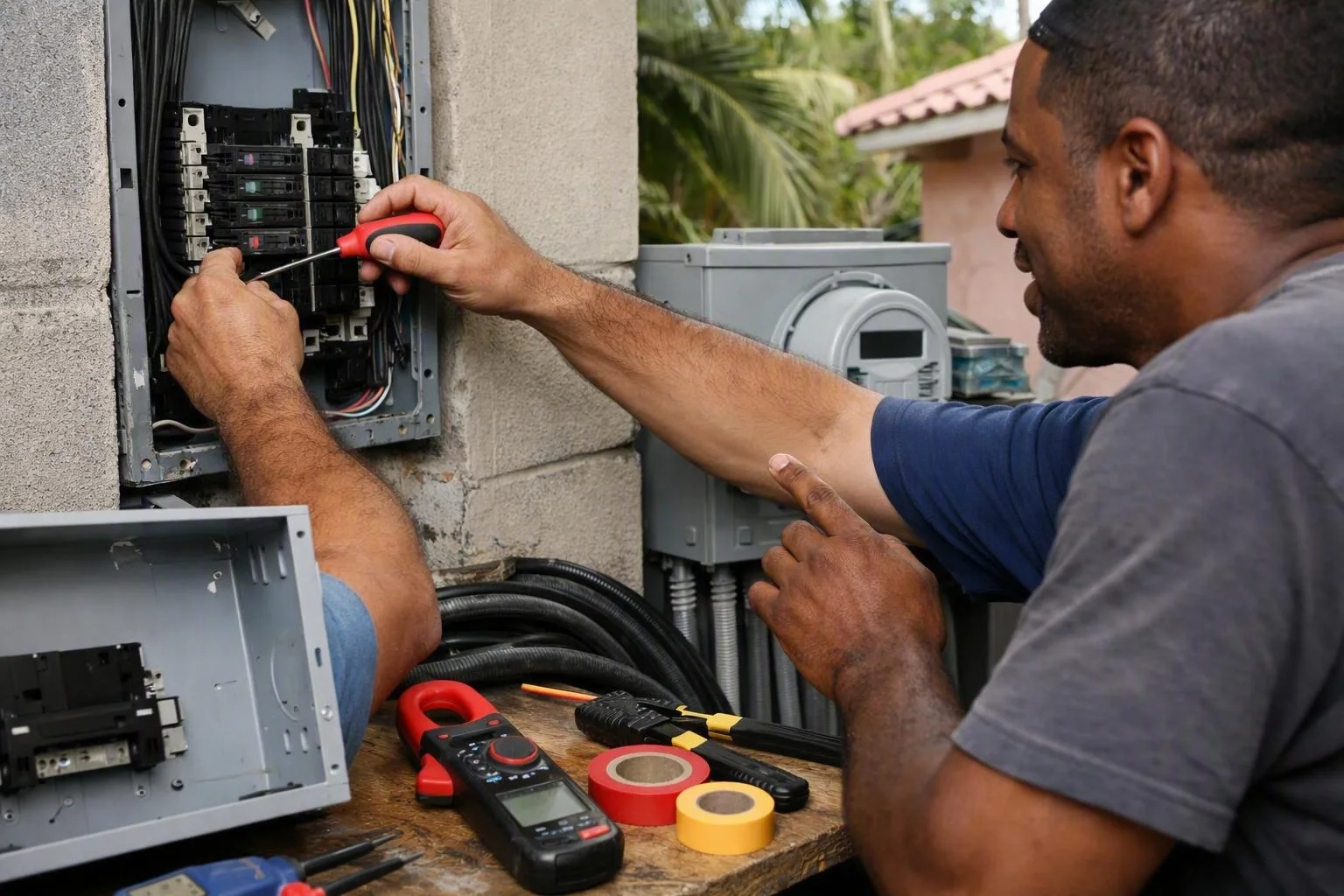
Panel replacement and service upgrades solve different problems. Earth Electric Florida helps homeowners find the right electrical solution. The need may involve safer equipment, more circuit space, or more power.
What Is the Difference Between Panel Replacement and a Service Upgrade?
Electrical panel replacement changes the panel, breakers, or related parts. An electrical service upgrade increases the property’s incoming power capacity. A replacement can fix damage, age, or too few breaker spaces. An upgrade may need larger service wires, a new meter base, and a new panel. It may also need a service disconnect and utility work.
The main difference involves equipment condition and power capacity. A panel can be old or unsafe, even when the home has enough power. Another home may have a good panel, but weak service wires. Those wires may not support the expected electrical load.
| Project | Main purpose | What may change | When it may fit |
|---|---|---|---|
| Panel replacement | Improve safety and power flow | Panel, bus bar, breakers, and labels | Damage, rust, old parts, or too few spaces |
| Service upgrade | Increase available power | Service entrance, meter, disconnect, wires, and panel | Expected demand exceeds the current service rating |
| New circuit installation | Give one appliance its own circuit | Circuit wires, breaker, and sometimes a disconnect | The service has room, but the circuit is missing |
A load calculation compares power use with the service rating. It also checks the available panel capacity. Many homes use 100-amp or 200-amp service. The right choice depends on the wiring, equipment, and local electrical code.
Do You Need to Replace Your Electrical Panel?
Electrical panel replacement may be needed when a panel has rust, heat damage, or worn parts. Repeated breaker failures can also point to a problem, so can physical damage and too little circuit space. A qualified electrician should inspect the panel and its parts. They should check the wiring, grounding, and service rating too. Replacement doesn't always mean more electrical service.
An old panel may have parts that are hard to find. Rust can weaken the connections. Heat can damage the bus bar, insulation, and breakers. A cover that won't close needs quick attention. Loose wires, burn marks, and missing knockouts also need review.
Home age can affect the best choice. Older homes may have fewer breaker spaces and older wiring. Their grounding may not fit a planned home electrical upgrade. Our team may suggest Electrical Panel Repair And Replacement when parts are unsafe. This can happen even when the incoming service has enough capacity.
Most panel projects take one day to several workdays. The time depends on access, wiring, and inspection needs. Utility work can add more time. This range isn't a promise. A written scope should explain the work. It should say if the project is a main panel replacement, a 200-amp service upgrade, or a smaller repair.
What Are Signs an Electrical Panel Needs Emergency Repair?
Emergency electrical panel repair is needed when a panel smokes, sparks, or smells burnt. Buzzing, arcing, or strong heat also signal danger. Repeated breaker trips need prompt attention, so do melted insulation and burn marks. Turn off power only when it's safe.
Don't remove the panel cover. A burning smell may point to a loose connection. It may also show damaged insulation or arcing. If the panel smokes, keep people away. Call an Emergency Electrician. Never use water on a live electrical system.
A breaker trip is a safety response. It doesn't prove the breaker is bad. Quick testing can help stop damage from spreading. Damage may reach the panel, wiring, or appliances.
Can a New Breaker Fix an Overloaded Electrical Panel?
A new breaker can't safely fix an overloaded panel by itself. The circuit, wires, and panel must fit the load. A larger breaker on small wires can cause heat and fire. The right fix may involve load balancing, a new circuit, or panel replacement. Some homes need an electrical service upgrade.
The breaker must match the wire size and circuit design. It must also match the panel and equipment needs. A breaker protects wires from too much current. It doesn't create more power. Replacing a 15-amp breaker with a larger one is unsafe without new wires.
Long-running equipment needs special care. Heating, cooling, and charging equipment can draw power for hours. Our team checks the breaker, wire size, and connections. We also check the expected electrical load before suggesting work.
A new circuit may solve the problem when the service has room. An electrical service upgrade may be needed when service capacity is too low. Several overloaded circuits can also point to an upgrade. Overload correction should fix the cause. It shouldn't only reset the breaker.
When Does an EV Charger Require a Service Upgrade?
An EV charger needs a service upgrade when total power use exceeds available capacity. It may also need an upgrade when the panel lacks space. An electrician should perform a load calculation first. They should review charging speed, wiring, and disconnect needs. They should also check load-management options.
A Level 2 charger usually needs its own circuit. It may use more power than small home appliances. The charger must match the circuit and breaker. Wire size and the installation site also matter. The unit must follow the maker's instructions.
An upgrade isn't always needed. A home with enough service may support a charger. It needs a properly designed dedicated circuit. Some panels have no open spaces. Other panels already run near their safe limit. HVAC systems and large appliances can use most available capacity.
Load management can lower peak demand. It may schedule charging or reduce its output. The system must fit the home and charger. New heat pumps, electric ranges, and pool equipment add more demand. Review all new loads before installation.
What Should Homeowners Evaluate Before Choosing a Solution?
The right electrical solution depends on current use and future plans. Equipment condition and service rating also matter. Fix safety risks first. Then plan for new appliances, HVAC systems, and EV charging.
Our team may suggest breaker repair, a new circuit, or overload correction. We may also suggest panel replacement or an electrical service upgrade. Good maintenance and clear labels make future repairs safer.
Key Features That Matter in a Panel or Service Project
Common Challenges That Can Change the Recommendation
These issues show why a quick panel check isn't enough. A full inspection and load calculation support a safer choice. They also help guide residential electrical work.
How an Electrician Determines the Right Electrical Upgrade?
An electrician inspects the panel and service equipment first. They map the circuits and calculate current and future loads. They check the wires and grounding too. They also review plans for new equipment. This process shows if the home needs a repair, new circuit, panel replacement, or more service.
Electrical Service Upgrades may involve more than the indoor panel. A panel replacement may stay within the current service rating. In Miami, FL, homeowners may call this Electrical Panel Repair And Replacement in Miami. The technical choice still depends on the inspection and load calculation.
We provide a clear scope of work. This helps homeowners separate safety repairs from capacity projects. It also helps prevent unsafe breaker changes.
Questions About Emergency Electrician
What Is the Difference Between a Panel Replacement and Service Upgrade?
A panel replacement changes the breaker panel and related equipment. A service upgrade adds more incoming electrical capacity. It may need new service wires, meter equipment, a disconnect, and utility work.
Do I Need to Replace My Electrical Panel?
You may need replacement if the panel has rust, heat damage, old parts, or repeated breaker failures. Too little usable space can also require replacement. An inspection can show if repair is safe.
Can a New Breaker Fix an Overloaded Electrical Panel?
A new breaker doesn't create more electrical capacity. It helps only when the circuit, wires, panel, and load match. Overload correction may need load balancing, a new circuit, panel replacement, or a service upgrade.
When Does an EV Charger Require a Service Upgrade?
An EV charger may need an upgrade when its demand exceeds available service or breaker capacity. A load calculation should guide the choice between a new circuit, load management, or larger service.
What Are Signs an Electrical Panel Needs Emergency Repair?
Smoke, sparks, burning smells, arcing, buzzing, and scorch marks can signal an emergency, so can melted insulation, a hot panel cover, and repeated breaker trips. Don't open the panel.
If you're unsure about your panel, our team can inspect it. We can review the service entrance, wiring, grounding, and planned loads. A clear inspection and load calculation can guide your choice.
Discuss Your Electrical NeedsRelated Resources
Burning Smell From Outlets or Wiring in Miami, FL: When to Call an Emergency Electrician
burning smell from electrical outlet when to call electrician
When You Need ItFrequently Tripping Circuit Breakers in Miami, FL: Warning Signs You Need Electrical Repair
circuit breaker keeps tripping when to call an electrician
When You Need ItFlickering and Dimming Lights: Signs of a Dangerous Electrical Problem in Miami, FL
flickering lights when to call an electrician miami
When You Need ItPartial Power Outage in Miami, FL: How to Know When You Need an Emergency Electrician
partial power outage in house when to call electrician