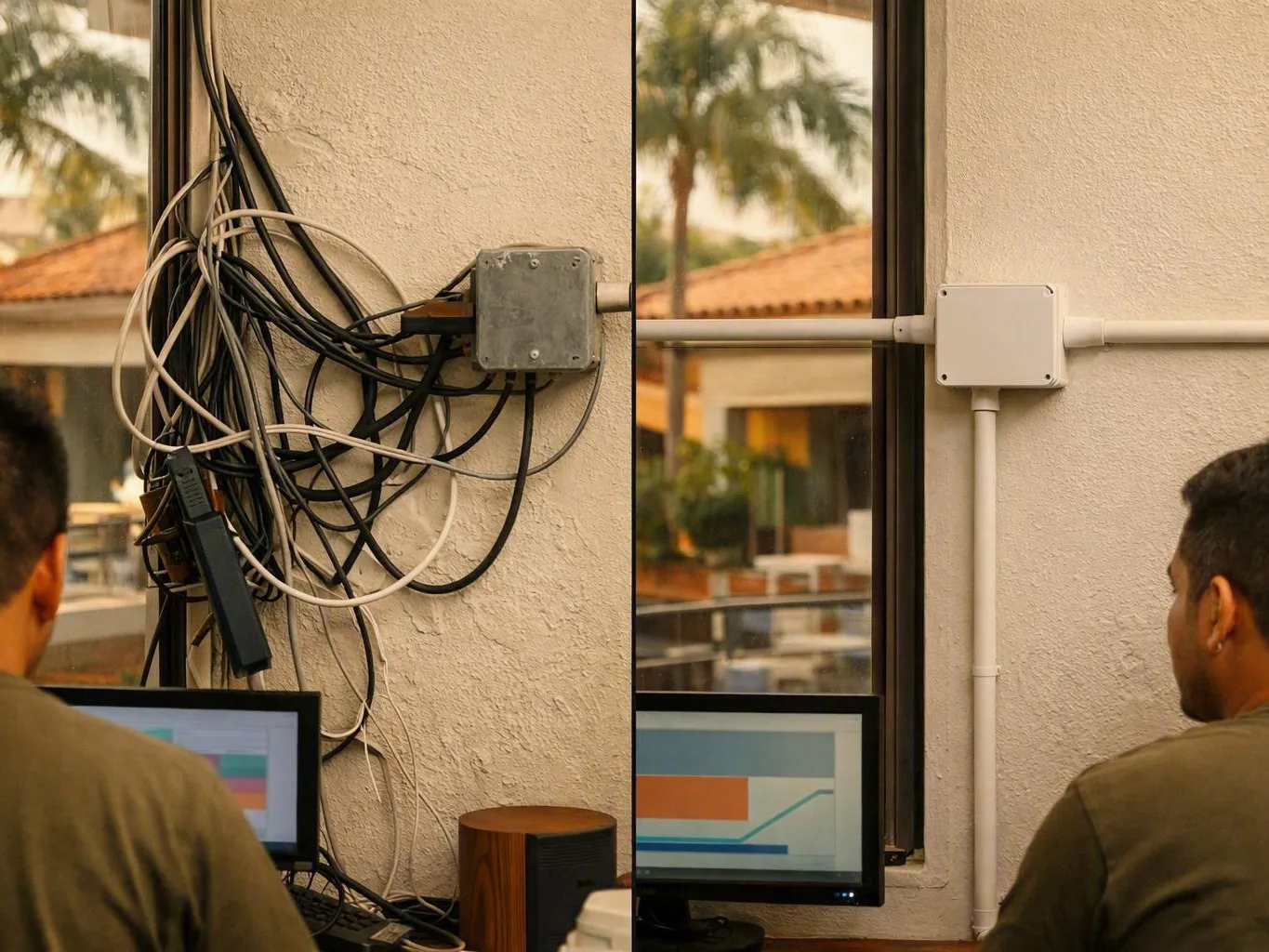
Electrical Code Corrections and Failed Inspection Repairs in Miami, FL
Earth Electric provides electrical code corrections in Miami, FL. We find violations, fix unsafe wiring, repair equipment, and help with permits. We also prepare properties for reinspection. Failed inspections often involve overloaded panels, poor grounding, exposed wires, damaged meter equipment, or missing GFCI and AFCI protection. They may also involve work done without permits. A qualified electrician can fix these issues and record the repairs. The local authority then completes the required inspection. Permit rules vary by project. Property owners should confirm the process before work starts. Proper repairs improve safety and help move stalled projects forward.
Get a Free Estimate
Why Miami Property Owners Need Electrical Code Corrections?
Electrical code corrections help MiamiFL property owners fix failed inspections and protect people. They also help permitted projects keep moving. Buyers, sellers, landlords, and builders may need repair records before closing or moving in.
A failed electrical inspection can stop a project. It may delay a home sale or renovation permit. It may also leave a notice on the property record. Older Miami homes can bring added risk. Aging wires, open splices, and past work may not match current records.
Miami’s heat, humidity, salt air, and storms can damage electrical parts. They may cause rust, worn covers, or water entry. These issues don’t affect every property. They can still make meter equipment unsafe. Storm or flood damage may need urgent testing before power returns.
Useful service features include a written repair list and clear permit details. Safe access to equipment also matters. Good records should match the correction notice. Hidden wire defects can make repairs harder, so can blocked panels, missing labels, and past work without records.
For property owners who need Electrical Code Corrections in Miami, we review the notice first. We compare it with the current electrical system. Then we explain urgent work, permit needs, and the reinspection steps.
What Electrical Problems Commonly Require Code Corrections?
Electrical wiring problems often need code corrections. These include overloaded panels, damaged wires, poor grounding, exposed conductors, and bad connections. Missing GFCI or AFCI protection can also cause a failed inspection. Unsafe meter equipment and unapproved changes are common findings. An electrician should review the full issue, not just one visible problem.
An electrical panel may need repair or replacement. Breakers may be overloaded, damaged, or mismatched. Each breaker must match the panel and wire size. Panels also need clear labels, proper grounding, and safe working space.
Grounding problems can include loose connections or damaged wires. Poor bonding can also cause a violation. These issues need testing and proper repair. Exposed wires and loose connections can cause shocks, fires, or arcs.
GFCI protection is common near water. This includes kitchens, bathrooms, garages, and outdoor areas. Some laundry spaces also need it. Missing or faulty GFCI outlets can cause corrections. AFCI protection may be needed in living areas. Missing or damaged AFCI breakers can also cause a violation.
Exterior service equipment needs extra care in South Florida. Heat, humidity, salt air, storms, and floods can cause damage. Water may enter the meter box or service equipment. A meter box may need repair or replacement when damaged or unsafe.
Other findings include open splices, reversed polarity, and loose wire ends. Unsupported cables, missing covers, and bad box connections are also common. Unapproved additions may need correction. A review often covers several related issues. The actual scope depends on the notice and property.
We keep the work tied to the written findings. This helps prevent an incomplete repair. It also helps address the actual violation.
Common Electrical Code Violations Found During Home Inspections
Home inspections often find conditions that need an electrician’s review. The table shows common findings and possible repairs. The inspection report controls the actual work for each property.
| Finding | Why it matters | Typical correction |
|---|---|---|
| Open splice | Wires may face contact, water, or damage. | Place the connection in an approved box with a cover. |
| Double-tapped breaker | The terminal may not hold two wires. | Separate, reconnect, or redesign the circuit. |
| Service panel damage | Heat, rust, or loose parts can affect safe use. | Repair or replace the panel as needed. |
| Missing junction box cover | Live parts may be easy to touch. | Install a proper cover and secure the box. |
| Damaged weatherproof enclosure | Rain and humidity may enter the equipment. | Repair or replace the enclosure and check connected parts. |
Some problems are easy to see. Others appear after testing or opening equipment. We review the full condition before choosing an electrical violation repair. This helps prevent an incomplete fix.
What Happens if an Electrical Inspection Fails?
A failed electrical inspection creates a correction notice. The notice lists work that needs repair. The owner must review the findings and arrange qualified repairs. Required permit steps must also be completed. The owner then requests reinspection. Approval usually requires every listed item to be fixed.
Inspection timing can affect a closing or move-in date. It can also delay utility work or renovations. Missing records and blocked equipment may cause more delays. We organize repair information so the inspector can review the completed work.
How Failed Inspection Repairs Move from Notice to Approval?
The repair path starts with the inspection report. It then moves to a repair list, completed work, and reinspection. The order may change for projects with rough inspections. A rough inspection happens before wires are covered.
- Read the report and separate urgent hazards from routine items.
- Match each finding to the right circuit or equipment.
- Prepare a repair list for wires, parts, tests, and access.
- Complete any rough inspection before covering hidden wires.
- Finish devices, covers, labels, and grounding checks.
- Gather permit details, repair notes, and other records.
- Request the final inspection and provide equipment access.
Small correction projects may take one visit or several days. Larger panel, meter, or hidden-wire repairs may take longer. Parts, access, permits, and inspection dates can change the schedule.
Do Electrical Repairs Require Permits in Miami, FL?
Electrical permits may be required in Miami, FL. This often applies when work changes wires, circuits, panels, service equipment, or meter equipment. The answer depends on the project and property. The electrician or owner should check the permit path first.
The responsible Miami-Dade permitting authority may depend on the property location. A permit may apply to panel work, new circuits, or service changes. Meter box replacement and major wiring work may also need permits. Smaller repairs may follow different rules.
The contractor should also ask what must be filed. Owners should check if an existing permit is open or expired. Inspections may include rough, service, or final stages.
Older Miami homes may have past work without permits. They may also have mixed wiring or unlisted panel changes. Storm and flood damage may need equipment and grounding checks. Rust from humidity and salt air may increase the repair scope.
We don’t treat permit rules as the same for every job. Our team helps identify questions for the proper authority. We also connect the repair work to the permit record. Property owners should confirm current rules before work begins.
How an Electrician Corrects Violations and Prepares the Property?
An electrician can fix electrical code violations in several steps. First, the electrician finds the failed condition and makes hazards safe. Next, the electrician repairs or replaces unsafe parts. The system is then tested. Earth Electric can address wiring, panels, meter boxes, and inspection concerns.
Our team starts with a safety review. We check for live exposed wires, heat, water, rust, and loose connections. An Emergency Electrician may need to make the area safe first. Emergency Electrical Inspections can help after storms, floods, or service damage.
For wiring repair, we trace the circuit and find damaged sections. We secure connections in approved boxes. We test polarity, continuity, grounding, and device operation as needed. We don’t hide damaged wires behind a wall.
Panel repair may include breaker changes, better labels, or interior repairs. A full replacement may be needed in some cases. The right choice depends on service size, wire condition, and available space.
Meter box installation and replacement needs careful planning. We check service wires, weather protection, utility needs, and safe access. Heat, storms, and water can damage the box. We also check connected equipment.
After the work, we compare the repairs with the notice. We prepare notes, photos when useful, panel labels, and permit details. This supports electrical compliance repair. Official approval still comes from the required inspection.
What to Check Before Scheduling the Electrical Reinspection?
Before an electrical reinspection, owners should check every cited item. Required permits should be active. Panels and boxes must be easy to reach. Labels and repair records should also be ready.
Don’t schedule reinspection while a listed item remains hidden or unfinished. Easy access helps the inspector confirm the work. Complete records also reduce questions. Storms, floods, and rust may require more equipment checks.
Questions About Emergency Electrician
What Happens if an Electrical Inspection Fails?
A failed inspection creates a correction notice. The owner should arrange qualified repairs and check permit rules. Every listed item must be fixed. The area must remain easy to access. The responsible authority confirms the final result.
What Electrical Problems Commonly Require Code Corrections?
Common problems include damaged panels, exposed wires, open splices, and poor grounding. Missing GFCI or AFCI protection can also cause corrections. Other issues include loose connections, damaged meter equipment, missing covers, and unapproved changes.
Can an Electrician Fix Electrical Code Violations?
Yes. A qualified electrician can inspect the issue and find its cause. The electrician can repair unsafe parts, test circuits, and prepare repair records. The electrician should follow the notice and check permit needs.
Do Electrical Repairs Require Permits in Miami?
Some electrical repairs require permits in Miami. This often includes work on wiring, circuits, panels, service equipment, or meter equipment. Rules depend on the project and property. Owners should check with the responsible Miami-Dade permitting authority.
How Are Electrical Corrections Inspected After Repair?
After repairs, the owner or contractor requests reinspection. The inspector reviews the notice and checks the repaired work. Equipment must be accessible. Required records must also be ready. Unresolved items may require another correction.
Earth Electric Florida can review a failed inspection notice. We can explain the repair path and prepare the property. Contact our team about access, permits, and inspection timing.
Related Resources
Burning Smell From Outlets or Wiring in Miami, FL: When to Call an Emergency Electrician
burning smell from electrical outlet when to call electrician
When You Need ItFlickering and Dimming Lights: Signs of a Dangerous Electrical Problem in Miami, FL
flickering lights when to call an electrician miami
When You Need ItSparking, Hot, or Discolored Outlets in Miami, FL: Emergency Electrical Warning Signs
sparking outlet when to call electrician
When You Need ItPartial Power Outage in Miami, FL: How to Know When You Need an Emergency Electrician
partial power outage in house when to call electrician