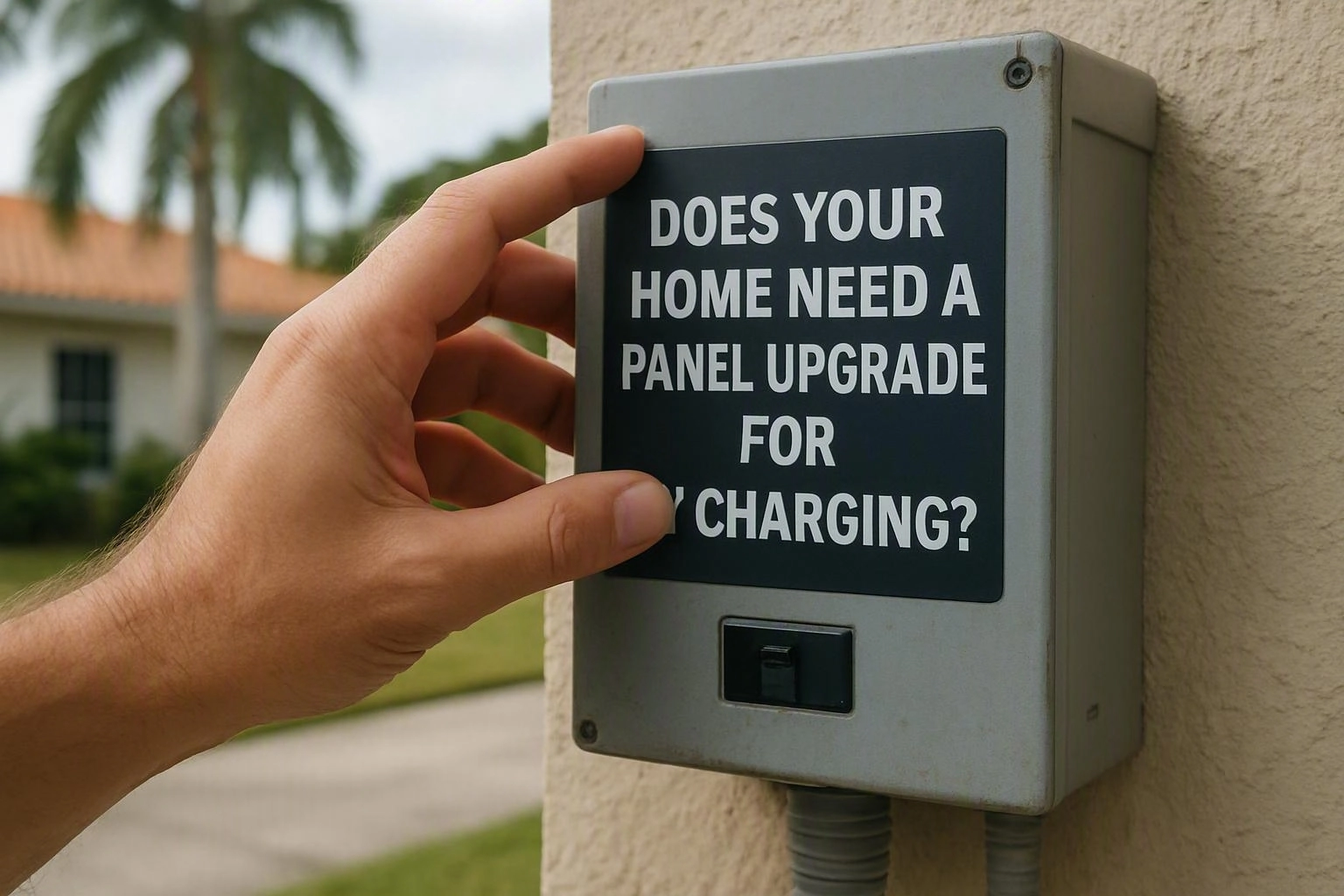
Does Your Home Need a Panel Upgrade for EV Charging?
An EV charger panel upgrade may be needed when your panel lacks capacity, space, or safe circuit options. A Level 2 charger often needs a dedicated 240-volt circuit. A qualified electrician should check the home's total electrical load first. The review may show that you need a new circuit, load-management device, panel replacement, or service upgrade. Level 1 charging puts less demand on most panels. Your installer should decide when to add the charger.
Get a Free EstimateDoes an EV Charger Need Its Own Circuit?
Dedicated circuits are usually required for EV chargers. Charging creates a steady electrical load. Level 2 equipment usually uses a dedicated 240-volt circuit. It also needs the right breaker and wiring. Sharing the circuit may cause overloads, trips, heat, or code problems.
A circuit used only for charging helps protect your home. The electrician checks the charger's output, wire length, and wire size. They also review how the wiring will be installed. Charging can run for several hours. That differs from short use by a small home device.
For example, a garage may have lights, outlets, a freezer, or a door opener. Those circuits shouldn't simply power a stronger charger. A new circuit may need space in the panel. It may also need a 240-volt wire route. EVSE means the equipment that controls power between the home and vehicle.
Even a large main service may not solve every issue. The breaker must fit the panel and match its listing. Outdoor equipment needs weather protection. It also needs a safe connection point. We review these details during Electric Vehicle Charger Installation. This includes mounting, conduit routing, testing, and startup.
Do You Need a Panel Upgrade for EV Charging?
An EV charger panel upgrade is needed when the system can't safely support the charger's load. It may also be needed when no suitable breaker space exists. An electrician reviews service capacity, panel condition, open spaces, and current demand. Some homes need only a new circuit. Others need a panel or service upgrade.
Many homeowners want faster charging at home. The charger must still fit the home's total demand. We compare it with HVAC systems, water heaters, ranges, pools, workshops, and other equipment.
The main breaker and service rating show the system's general size. They don't answer the whole question. A load calculation compares expected demand with available capacity. This may point to a new circuit, load management, panel replacement, or service upgrade.
Load management can lower or shift charging demand in some homes. It can't fix damaged equipment. It also can't make an unsafe panel safe. If the service wires or panel can't support the load, Electrical Service Upgrades may be safer. Each home needs its own review.
Earth Electric Florida helps homeowners compare these choices before buying equipment. For Electric Vehicle Charger Installation in Miami, the answer depends on load, equipment condition, and location. It doesn't depend on the vehicle brand alone.
Can Your Electrical Panel Handle a Level 2 Charger?
A Level 2 charger can be added only when the system supports its calculated load. The wiring, breaker space, and panel must also be suitable. A qualified electrician checks the main service and current circuits. Load management may help some homes. It doesn't replace unsafe equipment.
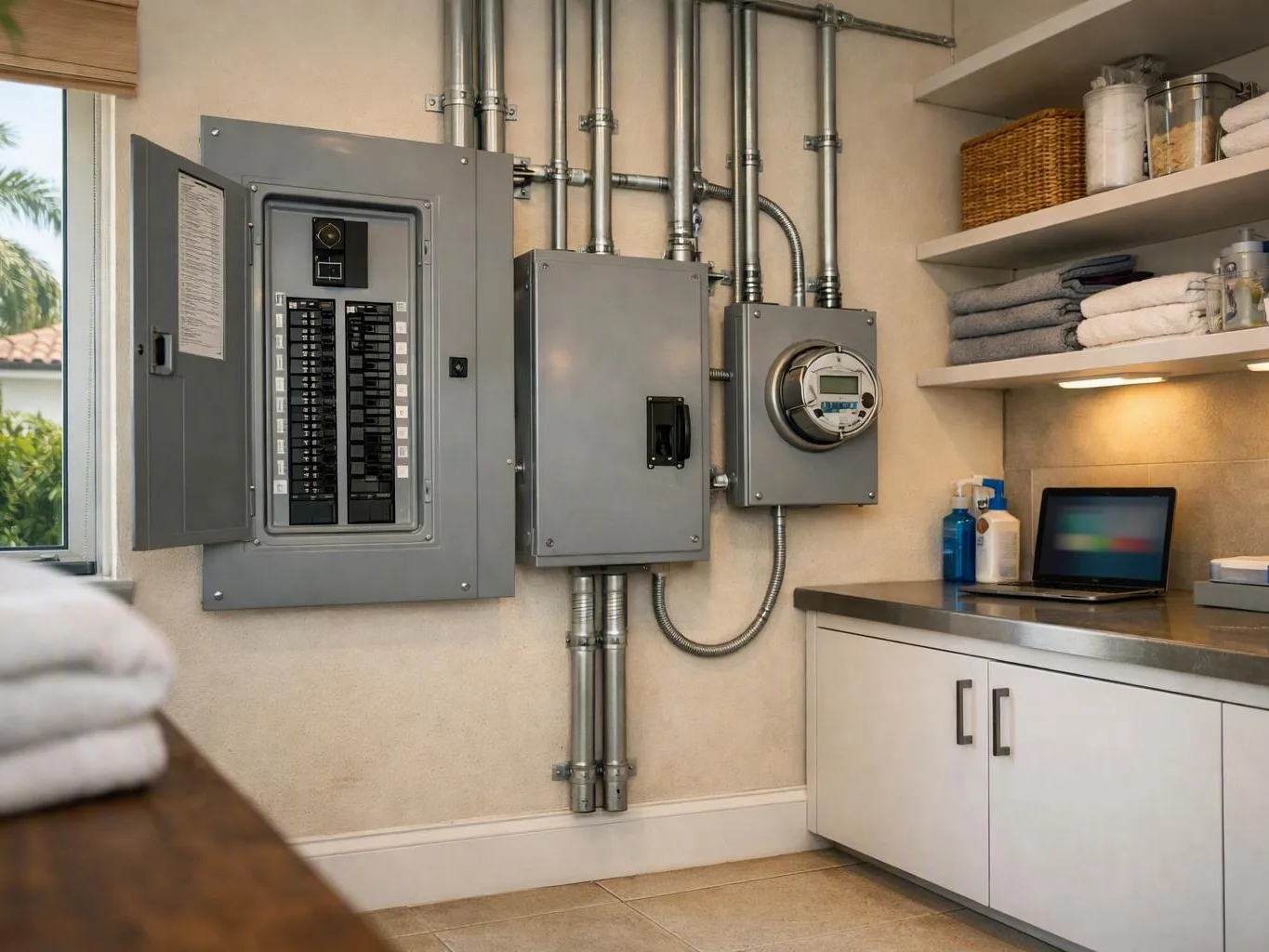
The review starts with the service rating and main breaker. The electrician then checks the panel's actual condition. A home may have high demand from heating, a range, a water heater, a pool, or a workshop. Open breaker spaces don't prove enough capacity.
The charger's amperage also affects panel capacity, so does the distance to the parking space. Long wire runs may need larger wires and more conduit. They may also need extra supports. Outdoor areas may need weather-safe equipment and sealed entry points.
Some systems can pause or lower charging when major equipment runs. This can help when the service is sound. We still check the panel, wires, grounding, and safety parts first.
The safe answer comes from a written load calculation. Open spaces alone don't provide that answer. A charger's advertised speed doesn't prove safety either.
What Panel Conditions Should an Electrician Check?
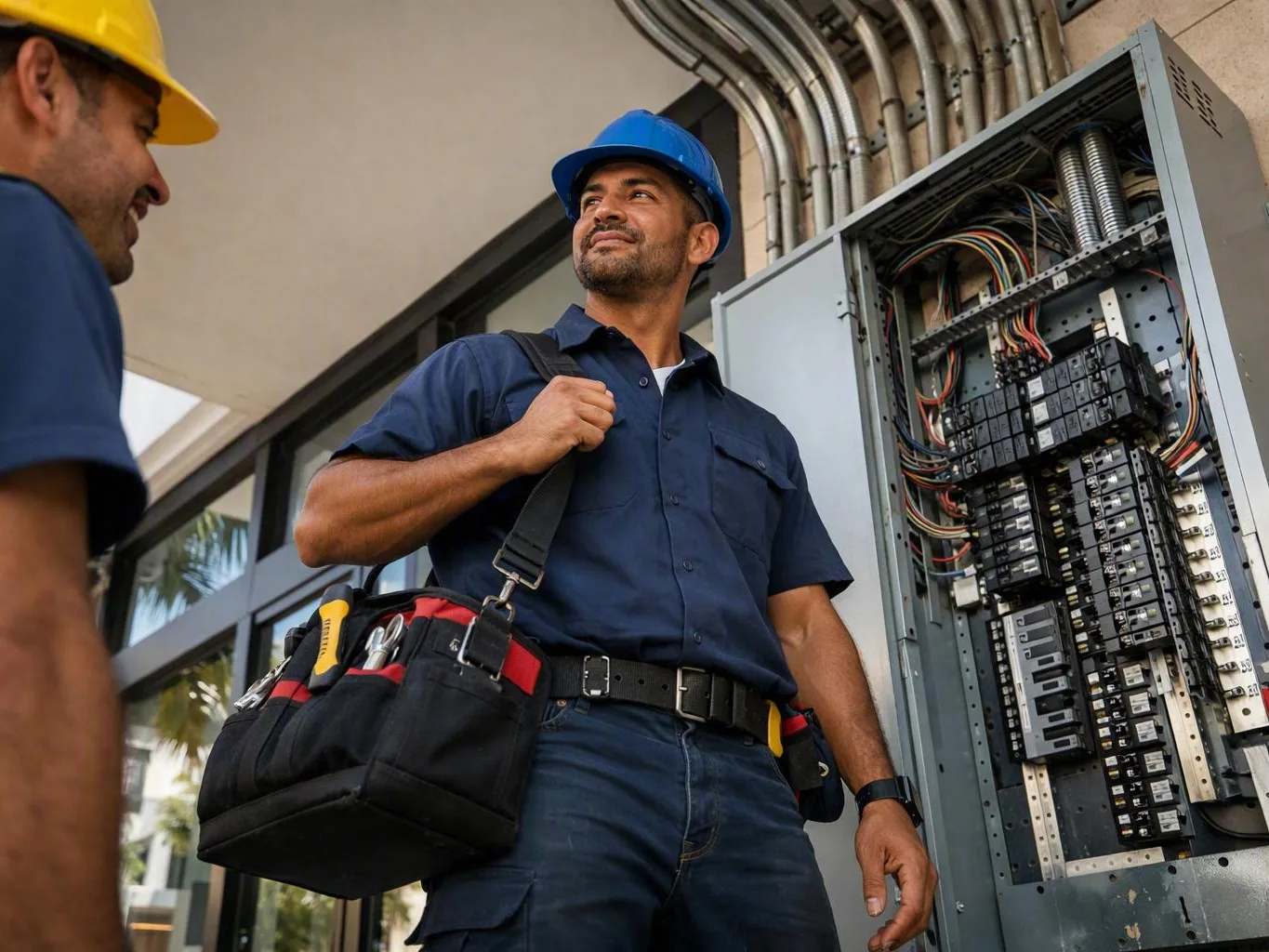
An electrician should check the panel rating, connections, labels, and grounding. They should look for heat, water, aluminum wiring, and corrosion. They should also check double-tapped breakers and old panels. These issues may need repair before adding a charging circuit.
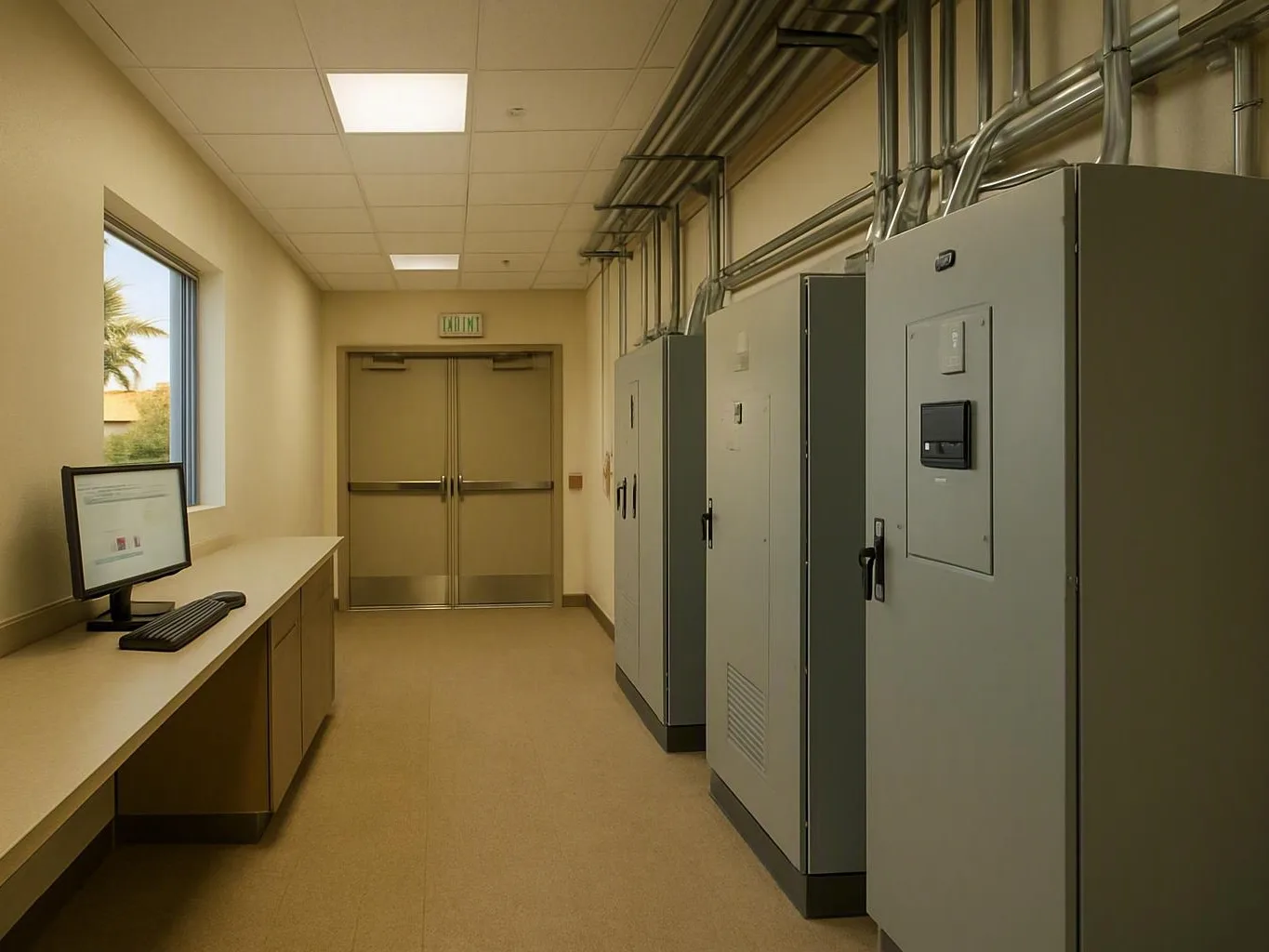
Older equipment may lack space or safe support for modern chargers. A crowded panel can make repairs harder. It can also lead to mislabeled circuits. We check access, working space, wires, and breaker fit.
The findings show the size of the project. It may need only a new circuit. It may need a larger home electrical upgrade. Panel replacement must account for the service entrance, meter, grounding, permits, and inspections.
Level 1 vs. Level 2 Charging Installation: What Changes?
Level 1 charging usually uses a standard 120-volt outlet. It puts less demand on the system but charges more slowly. Level 2 charging uses a 240-volt circuit. It needs a dedicated installation review. The best choice depends on driving needs, parking time, vehicle needs, and panel capacity.
The wiring and equipment change between these options. A safe existing outlet may work for Level 1. Level 2 usually needs a new breaker and wiring. It may also need mounted or properly connected EVSE.
| Factor | Level 1 | Level 2 |
|---|---|---|
| Typical electrical supply | 120-volt receptacle | Dedicated 240-volt circuit |
| Installation complexity | May use an existing suitable receptacle | Usually requires new wiring, breaker, and EVSE installation |
| Charging speed | Slower replenishment | Faster replenishment |
| Panel impact | Lower electrical demand | Higher calculated load and greater capacity requirements |
Level 1 can work for drivers who park for long periods. It also needs a safe, wired outlet near the vehicle. Don't use damaged outlets or poor extension cords. Avoid overloaded home circuits. Level 2 may suit drivers who need more power during shorter stops.
We also check cable reach, mounting height, and driveway access. Weather and future vehicle needs matter too. A faster charger isn't always the best choice. Major panel work may not be needed today.
Should You Install an EV Charger Before or After a Service Upgrade?
An electrical service upgrade should usually include the charger when the system can't support current and future loads. Planning both jobs together can prevent repeat work. If the panel has enough capacity, the charger may come first. An electrician should choose the order after checking the load.
Planning both jobs helps when the service entrance, meter, or main panel will change. The design can include the charger route and future capacity. This may stop you from moving the circuit later.
A sound panel with enough capacity may need only a new circuit. A damaged, old, small, or overloaded panel may need service work first.
Our team can plan around hard-to-reach panels and long runs. We can also help with detached garages and outdoor chargers. An Emergency Electrician can address urgent hazards. Planned charging work still needs design and inspection.
What Should You Look for in an EV Charger Installation Plan?
A sound installation plan matches the charger to the home's capacity and location. It should explain the wiring method and safety needs. It should also say if you need a circuit, panel repair, panel replacement, or service upgrade. The plan should cover cable paths and outdoor conditions.
Homeowners should get a clear work plan first. It should show the path from the panel to the charger. It should also show conduit, mounting, and testing. Ground-fault protection and charger needs should be listed.
Site details can change the work. The parking space may sit far from the panel. The panel may be inside a finished wall. A detached garage may need a separate feeder. Outdoor areas may need special conduit, boxes, seals, and equipment.
The plan should allow for future needs. These may include another EV, a heat pump, tools, or remodeling. We explain each choice in plain terms. This includes a new circuit, load management, panel replacement, or a larger home charging upgrade.
Questions About Emergency Electrician
Does an EV Charger Need Its Own Circuit?
a Level 2 charger usually needs its own branch circuit. Charging creates a steady electrical load. A qualified electrician should choose the breaker, wires, protection, and 240-volt circuit. The choices must match the charger and home load.
Do I Need a Panel Upgrade for EV Charging?
Not always. You may need only a new circuit if the panel has space and enough capacity. The panel must also be in good condition. A panel or service upgrade may be needed when it is old, damaged, crowded, or too small.
Can My Electrical Panel Handle a Level 2 Charger?
Your panel can handle a Level 2 charger only if its rating, breaker, wiring, and condition are suitable. It also needs enough calculated capacity. An electrician should review HVAC, water heating, ranges, pools, workshops, and other major loads.
What Is the Difference Between Level 1 and Level 2 Charging Installation?
Level 1 charging usually uses a safe 120-volt outlet. It charges slowly and creates less demand. Level 2 charging uses a dedicated 240-volt circuit. It usually needs new wiring and EVSE work. It charges faster when the panel can support it.
Should I Install an EV Charger Before or After a Service Upgrade?
Plan the charger with the service upgrade when the system can't support current and future demand. If the panel has enough capacity, the charger may come first. A load review should decide the safest order. This can also prevent repeat wiring work.
Our team can review your vehicle, charger, panel, service entrance, and charging location. We can also review future home power needs. Earth Electric Florida offers a clear path from load review to permitted electrical work.
Related Resources
Burning Smell From Outlets or Wiring in Miami, FL: When to Call an Emergency Electrician
burning smell from electrical outlet when to call electrician
When You Need ItFrequently Tripping Circuit Breakers in Miami, FL: Warning Signs You Need Electrical Repair
circuit breaker keeps tripping when to call an electrician
When You Need ItFlickering and Dimming Lights: Signs of a Dangerous Electrical Problem in Miami, FL
flickering lights when to call an electrician miami
When You Need ItPartial Power Outage in Miami, FL: How to Know When You Need an Emergency Electrician
partial power outage in house when to call electrician