
What is Junction Box?
Junction Box is an approved enclosure that protects and contains connections where electrical wires join, split, or change direction. The enclosure shields people from energized parts and protects wire connections from physical damage. Junction boxes may be metal or nonmetallic and must remain accessible for inspection, maintenance, and future repairs.
Quick Facts About Junction Box
Category
Electrical enclosure
Used for
Protecting wire splices and branch connections
Common confusion
A junction box is not the same as an outlet box
Relevant standard
National Electrical Code requirements for boxes and enclosures
Also called
Electrical junction box, Splice box
Often discussed with
Electrical Wiring Repair, Emergency Electrical Inspections
Key Takeaways About Junction Box
- A junction box encloses wire splices, branch connections, and changes in wiring help.
- The box must match the wiring method, conductor count, and installation environment.
- Wire connections inside the box need approved connectors and enough space for safe handling.
- A junction box should remain accessible and must have a secure, fitted cover.
- An electrical box is not automatically a junction box because boxes serve different purposes.
Understanding Junction Box

Junction Box is an enclosure that holds and protects electrical wire connections. Electricians use it where one circuit branches into several paths. They also use it where conductors join or wiring changes direction. A box keeps splice points contained. It reduces contact with people and materials. It provides a set place for inspection.
Related glossary terms: Branch Circuit, Conduit, Electrical Code.
Boxes may be made from steelaluminum, PVC, or other approved materials. The right choice depends on the wiring method and location. It also depends on grounding needs and moisture or damage risks. A junction box normally has a cover. The cover must fit the box. It must remain accessible after installation.
Inside the enclosure, conductors connect with approved wire connectors, terminal blocks, or other listed devices. The box must have enough room for wires and connectors. This prevents crushing or overheating. A junction box differs from an outlet box. An outlet box supports a device, such as a receptacle or switch. A junction box mainly protects connections.
How Junction Box Works, Is Measured, or Is Used?
Electrical current travels through conductors that may split toward lights, receptacles, or equipment. It may also split toward another branch circuit. The junction box provides a set point for joining conductors safely. Each connection is insulated and secured. The wiring stays arranged so the cover closes without stress.
Electricians select a box by checking its volume and conductor size. They also count conductors, grounding conductors, and internal devices. Box-fill rules set the minimum space needed inside the box. A crowded box can damage insulation and loosen connections. It can also make later testing or repairs harder.
- Identify the circuit and turn off the correct disconnecting device.
- Verify that the circuit is de-energized with an appropriate tester.
- Route cables or conduits into the box with approved fittings.
- Make and secure each connection, then install the cover.
- Keep the box accessible and label the circuit when identification could be unclear.
Why Junction Box Matters?
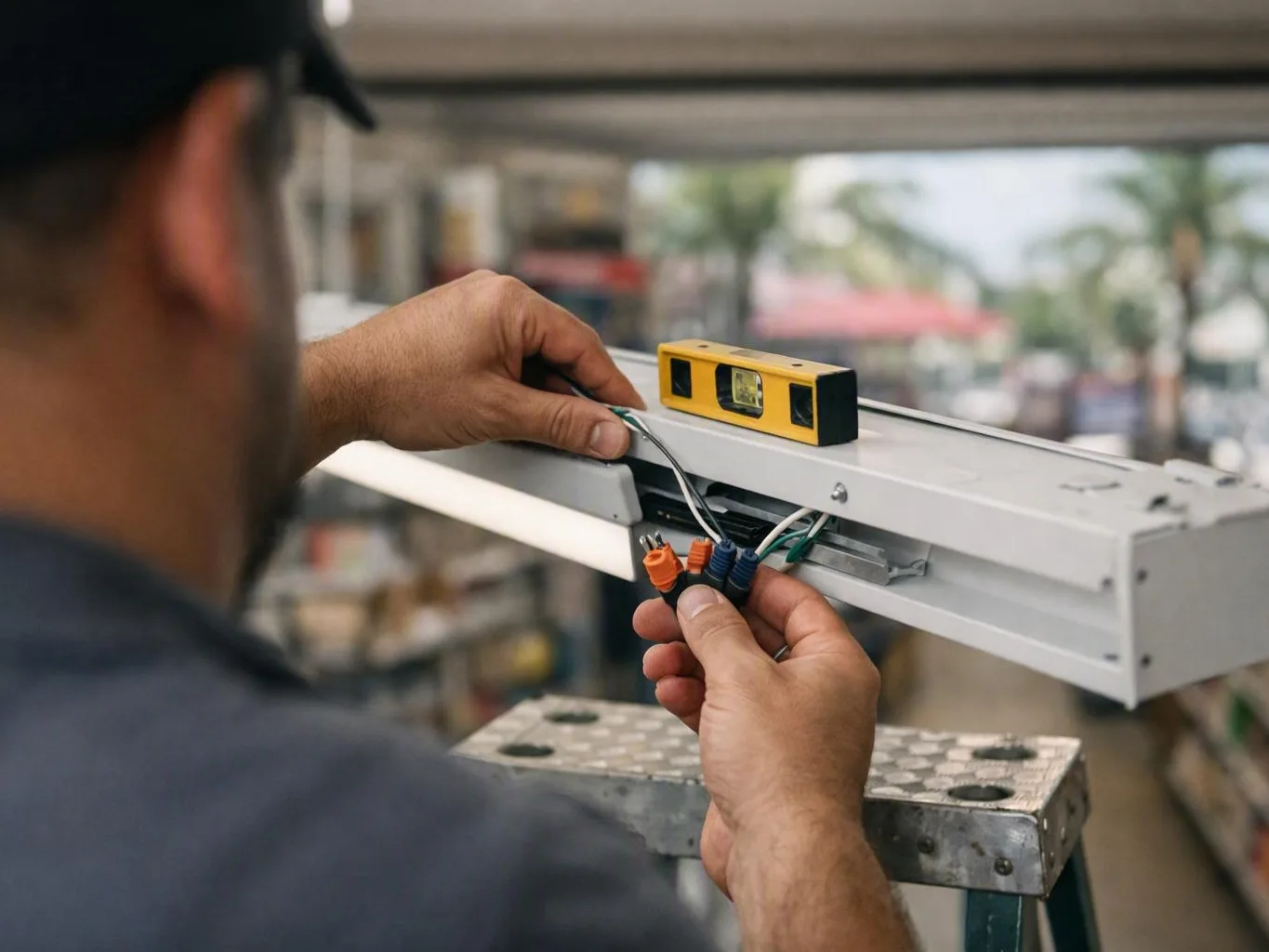
A properly installed junction box limits heat, sparks, and accidental contact. It helps when a connection fails. It also protects wire insulation from impact, rubbing, and movement. These protections matter because a loose splice can create resistance and heat. It can cause flickering lights, nuisance trips, or a fire hazard.
The enclosure also improves troubleshooting. A technician can open a known access point and inspect the splice. They can test the conductors and repair the affected section. This avoids opening walls without need. Missing covers, hidden boxes, and damaged fittings often signal poor installation. Overloaded enclosures can also show later building changes.
When Junction Box Matters Most?
Junction boxes become important during remodeling and circuit extensions. They also help during storm repairs and emergency troubleshooting. A wire splice shouldn't be buried behind drywall, insulation, or a finished ceiling. The installation must provide an approved access method. Damp areas need enclosures and fittings rated for that location. Water can reduce insulation performance and corrode connections.
Pay close attention to heat damage, discoloration, or a burning smell. Also watch for buzzing, loose covers, or repeated breaker trips near a box. These signs can point to a loose connection or excessive load. They can also show water intrusion or conductor damage. In Miami buildings, salt air, heavy rain, and flooding can damage boxes. Storm damage can also affect box condition and enclosure ratings. These factors matter when choosing a safe repair.
How to Evaluate Junction Box?
- Is the box accessible without removing permanent building finishes?
- Does the cover fit securely, and does the box show heat, corrosion, cracking, or water damage?
- Does the box have enough internal volume for the conductor count and wire sizes?
- Are cable connectors, conduit fittings, and wire connectors approved for the installation?
- Is the box suitable for the location, including damp, wet, outdoor, or corrosive conditions?
Related Concepts Compared
Junction Box vs. Outlet Box
An outlet box supports a receptacle, switch, light fixture, or similar device. A junction box primarily encloses wire connections and usually does not support a device.
Junction Box vs. Pull Box
A pull box gives conductors room for pulling and routing through conduit. A junction box commonly contains splices or branch connections, although some boxes can serve more than one function.
Junction Box vs. Electrical Panel
An electrical panel houses breakers, busbars, and circuit terminations. A junction box is a smaller enclosure for protecting wire connections away from the panel.
Junction Box vs. Wire Nut
A wire nut is a connector that joins conductors. A junction box is the enclosure that protects the connector and the surrounding wire connections.
Expert Note
A box can look large enough while still failing box-fill requirements because grounding conductors, internal clamps, and fittings count toward the calculation. Inspectors also need access to the box, so a hidden splice is not corrected by adding a larger cover.
Common Mistakes or Myths About Junction Box
- Burying a junction box behind drywall or another permanent finish.
- Installing too many conductors in a box with insufficient volume.
- Leaving a box without its listed cover.
- Using indoor-only boxes or fittings in damp, wet, or outdoor locations.
- Treating a wire connector as a substitute for the required enclosure.
Junction Box in Practice: A Real-World Example
A kitchen circuit feeds two countertop receptacles and a dishwasher. The box remains available for testing if a breaker later trips.
Related Terms
Branch Circuit
Branch Circuit is the part of an electrical system that carries power from a final overcurrent…
Conduit
Conduit is a tube or raceway that protects and routes electrical wires and cables. It may…
Electrical Code
Electrical Code is a set of safety rules for designing, installing, inspecting, and maintaining electrical systems…
Wire Nut
Wire Nut is a twist-on connector that joins two or more electrical wires inside a protected…
Earth Electric Florida
Have Questions About Junction Box?
Contact Earth Electric Florida for practical guidance on Junction Box and related emergency electrician work in Miami.