
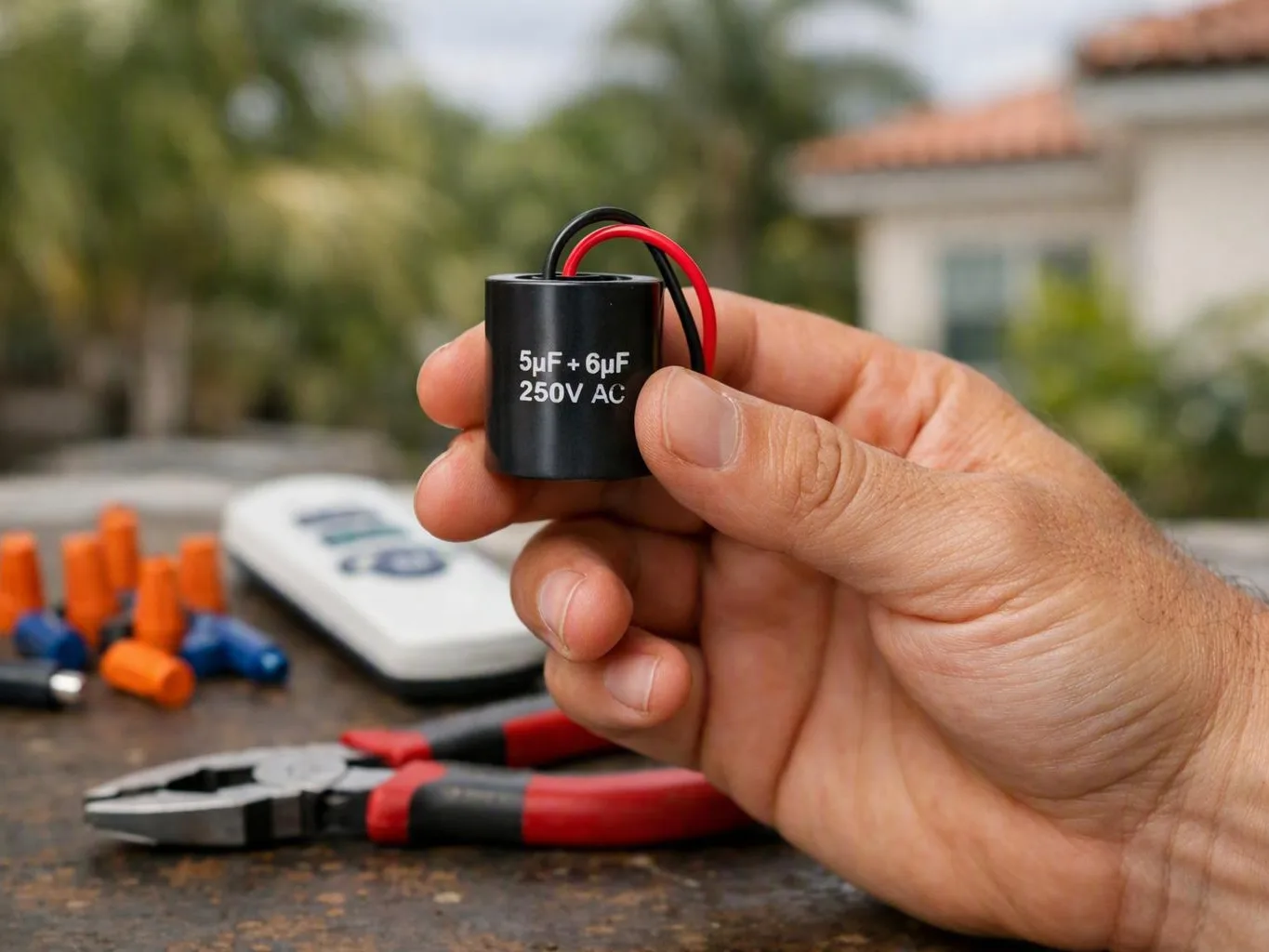
Risk and Roof Survey
A site risk review maps roof height, metal parts, wiring, and access points. You receive a defined system scope.
Lightning Protection Installation helps protect homes, shops, and towers during Miami's rainy storm season. We plan each system for the roof, wiring, and ground path.
A planned path lowers unsafe current flow through building wiring.
Roof bonding helps connect vents, rails, and other metal parts.
Ground checks reveal weak links before storm damage occurs.
Miami storm-season planning helps property managers prepare before heavy rain.
High-rise teams can plan around roof access and shared equipment.
System records help owners track repairs, tests, and later changes.
Lightning Protection Installation is a building safety system that directs lightning current into the ground.
According to Insurance Information Institute (2024), U.S. lightning-related homeowners insurance claims totaled $1.04 billion in 2024, showing the scale of property-loss exposure that lightning-protection installations can help address.
Source: Insurance Information Institute·Year: 2024
Data from Insurance Information Institute (2024) shows that U.S. insurers received approximately 55,000 lightning-related homeowners insurance claims in 2024, a measurable volume of lightning-loss events relevant to residential protection demand.
Source: Insurance Information Institute·Year: 2024
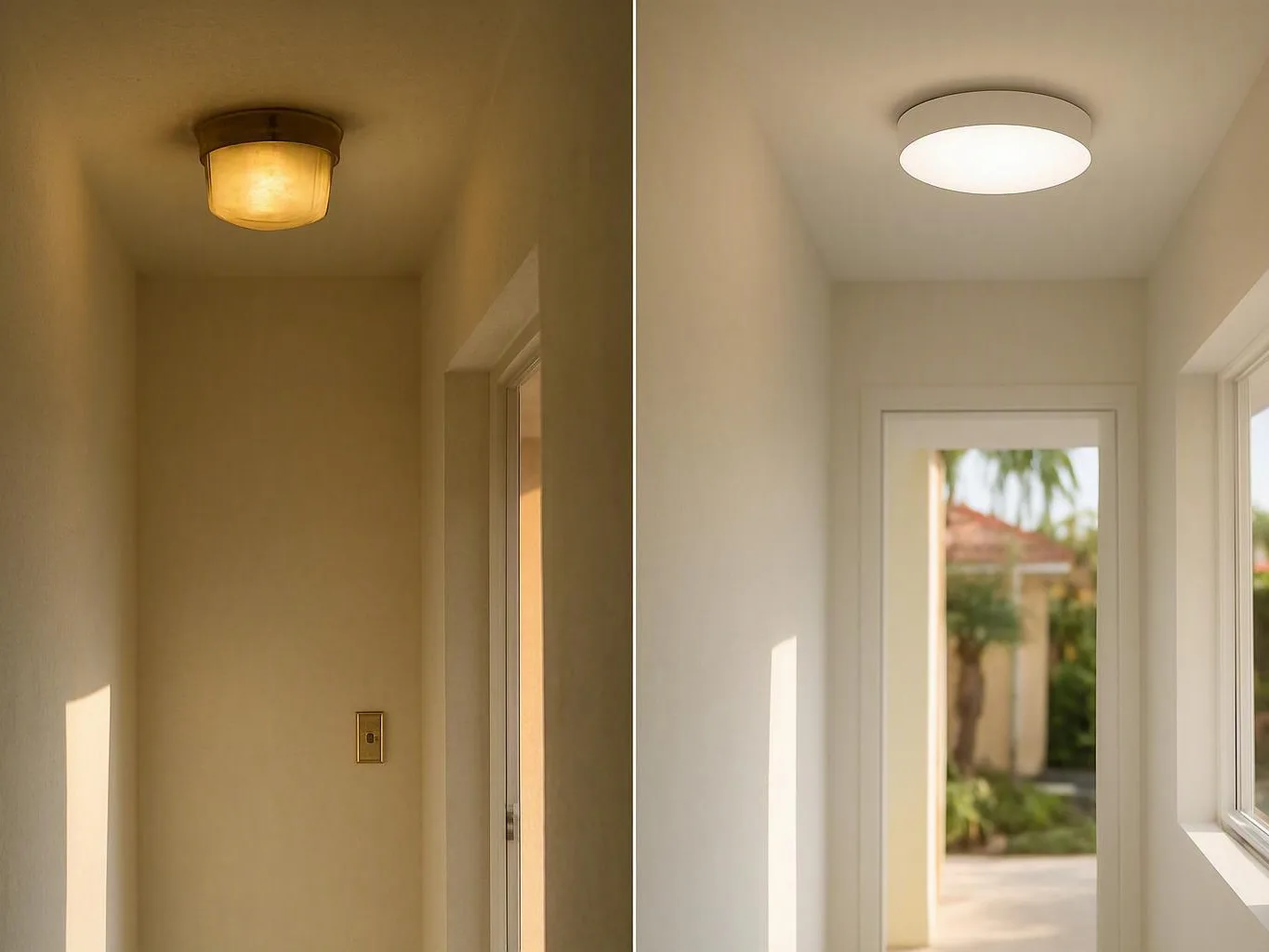
Lightning Protection Installation gives lightning a planned path from the roof to ground. The work covers air terminals, roof conductors, bonding, grounding, and surge protection. NFPA 780 guides the design, while local permits may apply to changes that affect building wiring or structure. Miami homes include older bungalows, Art Deco buildings, and newer high-rise units. Brickell towers face roof access and shared equipment limits, while Coral Gables homes may have tile roofs and added metal features. Earth Electric Florida maps each path before work, rather than placing rods without checking the whole system. A weak shortcut is to install one rod and skip bonding. That can leave metal parts at different voltages during a strike. Our team checks the full roof-to-ground route, records the test results, and leaves system documents for the owner or manager.
A site risk review maps roof height, metal parts, wiring, and access points. You receive a defined system scope.
NFPA 780 guides air terminal placement, conductor routes, bonding, and grounding. The plan shows where each part belongs.
A bonding layout connects roof metal and service grounding where needed. This reduces unsafe voltage differences during a strike.
The crew prepares needed work records and installs conductors, terminals, bonds, and ground parts. You keep the system details.
Continuity checks confirm the path stays connected from roof to ground. Test notes give the owner a record for future checks.
Scope and options vary by site conditions, materials, and access. Common options:
Homes and small buildings
A focused roof, bond, ground, and test plan.
Shops and offices
A wider plan for roof equipment, wiring, and access.
High-rise properties
A shared-roof plan with detailed records and access control.
Final scope is confirmed on site. Call for a clear quote before work begins.
These items help the crew plan roof access and protect building systems.
Lightning Protection Installation creates a safe path from roof strike points to ground.
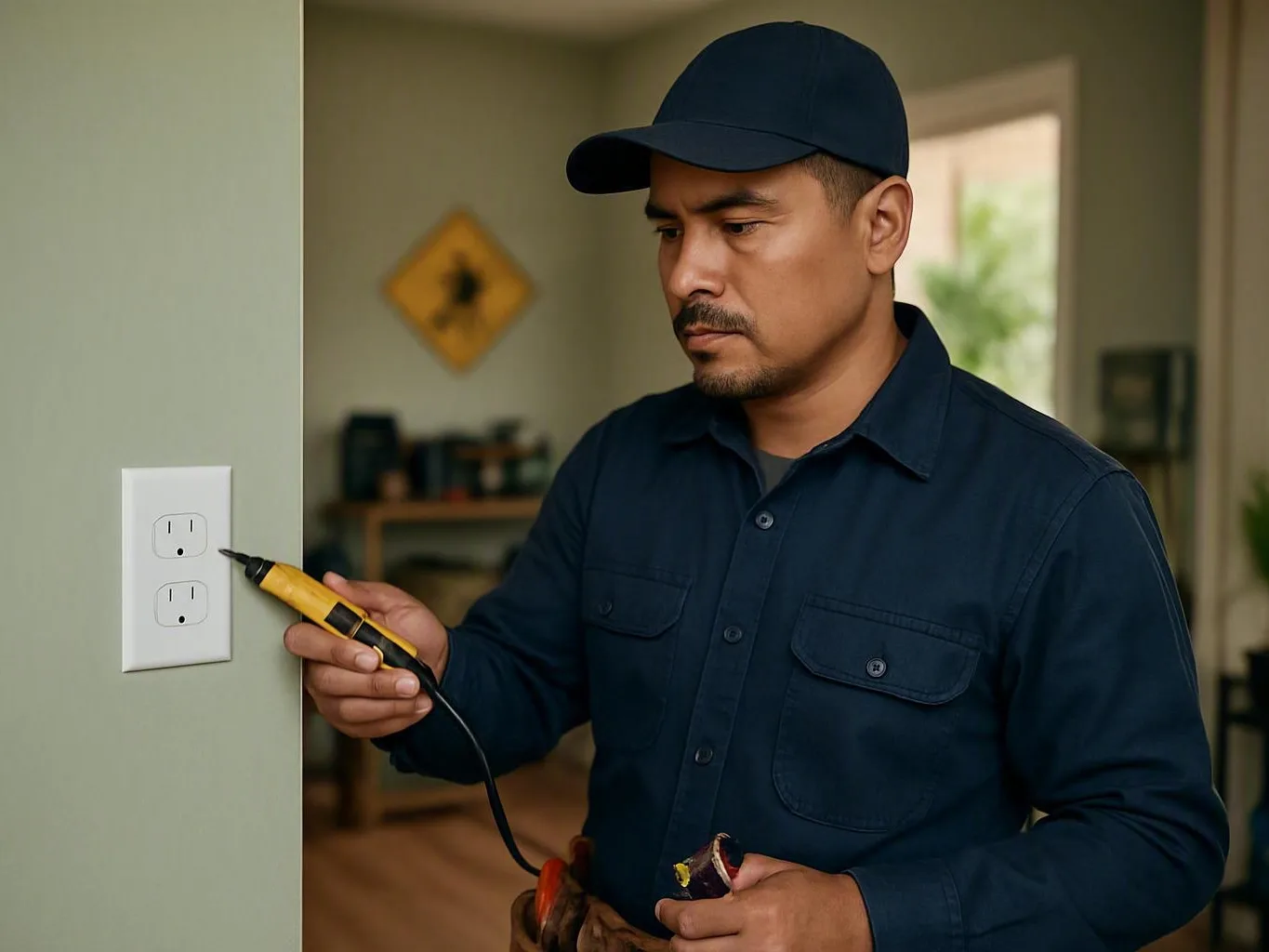
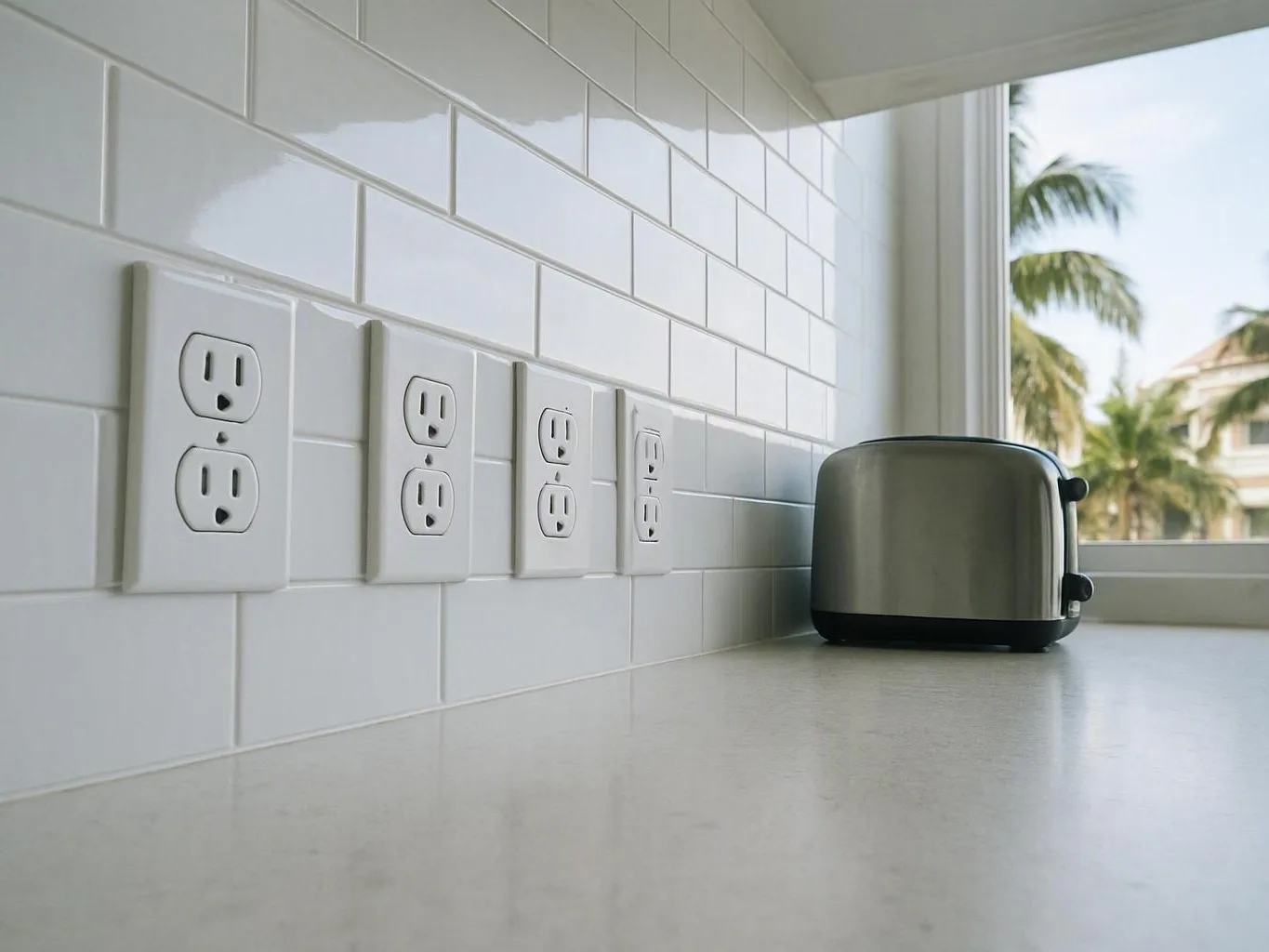
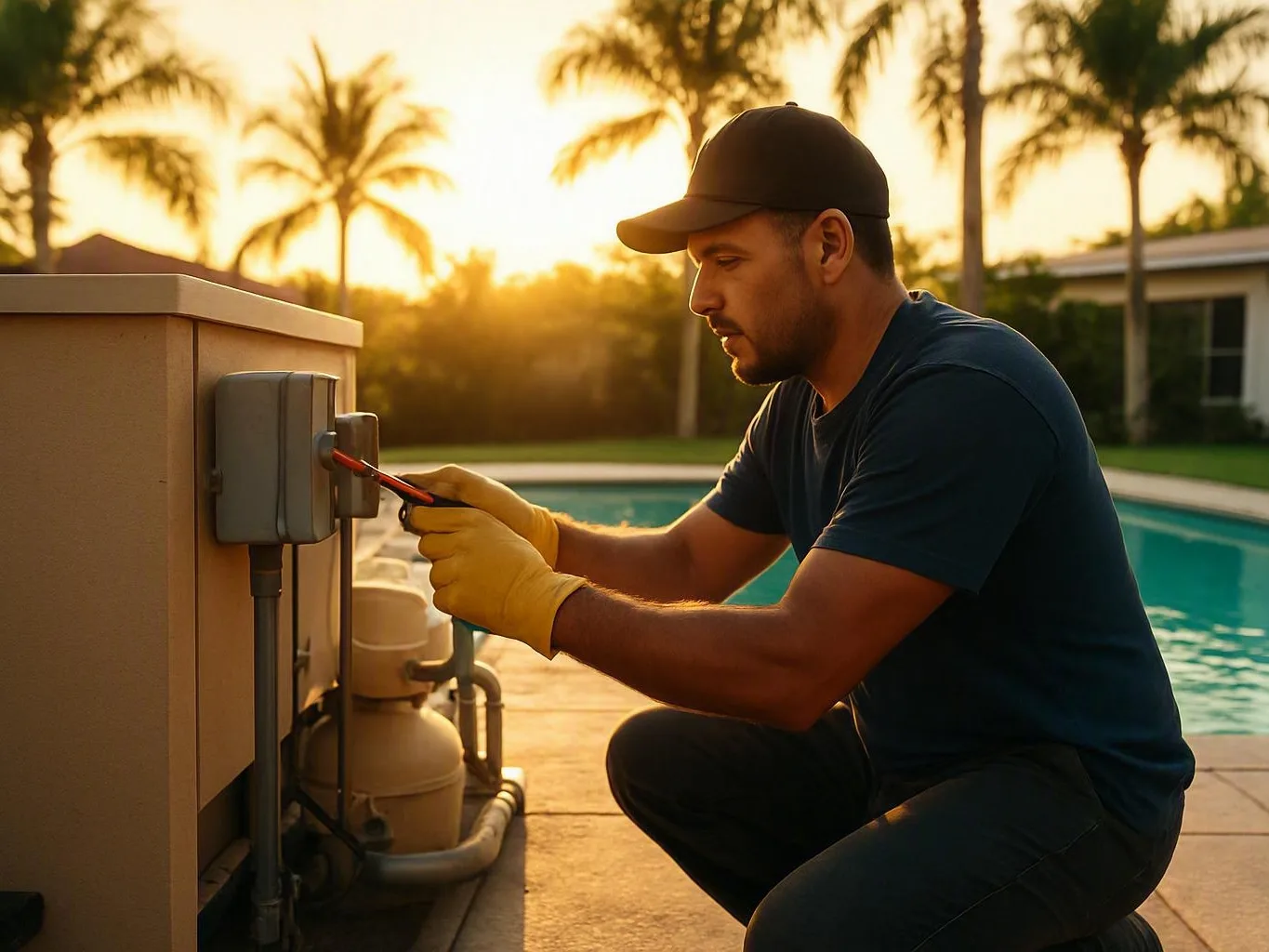
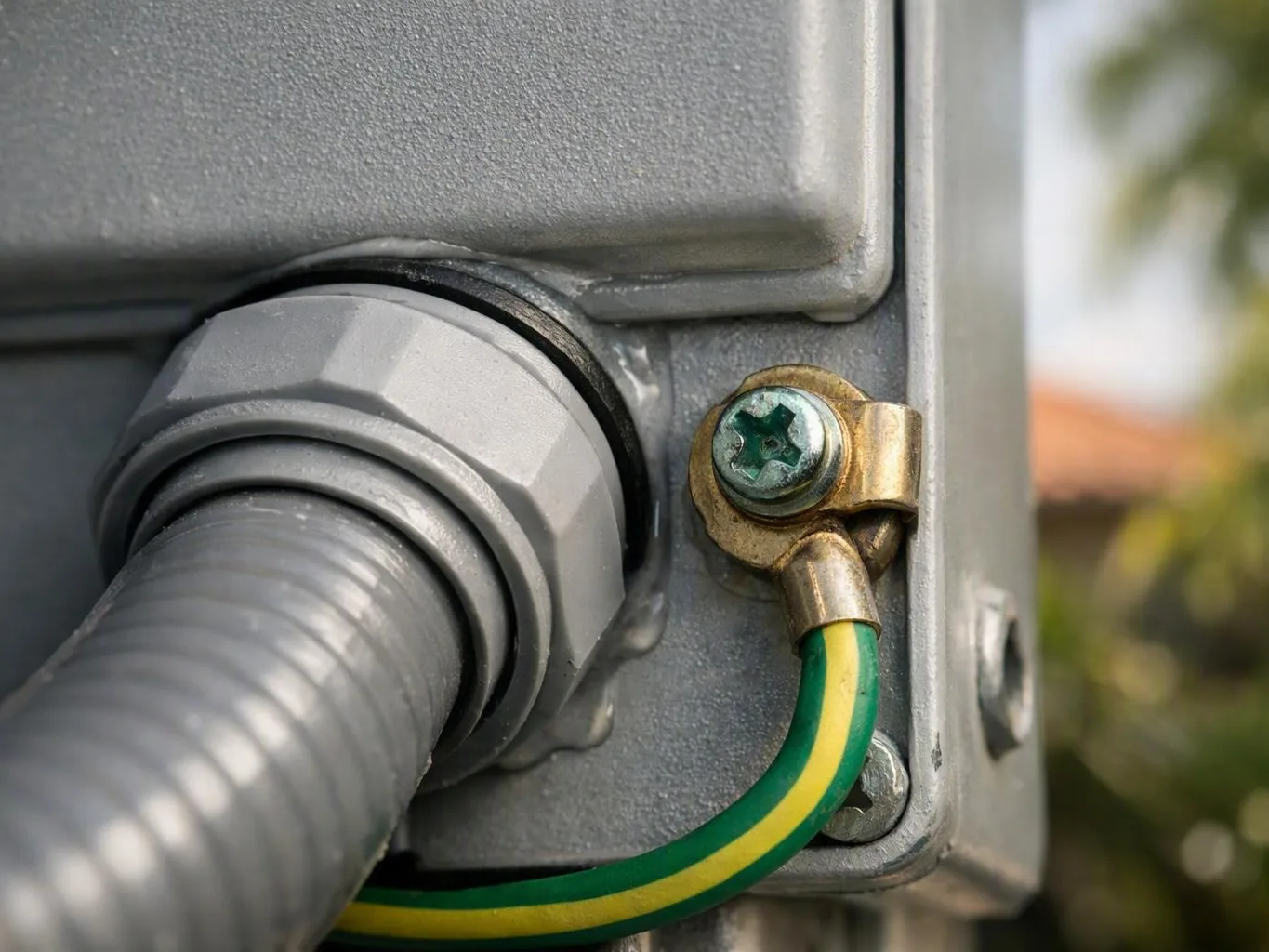
Miami's wet storm season makes a tested roof-to-ground path useful, and emergency dispatch is available when storm damage creates an urgent hazard.
Call Earth Electric Florida now for emergency electrical troubleshooting, safer repairs, and help restoring power to your Miami.
Miami, FL
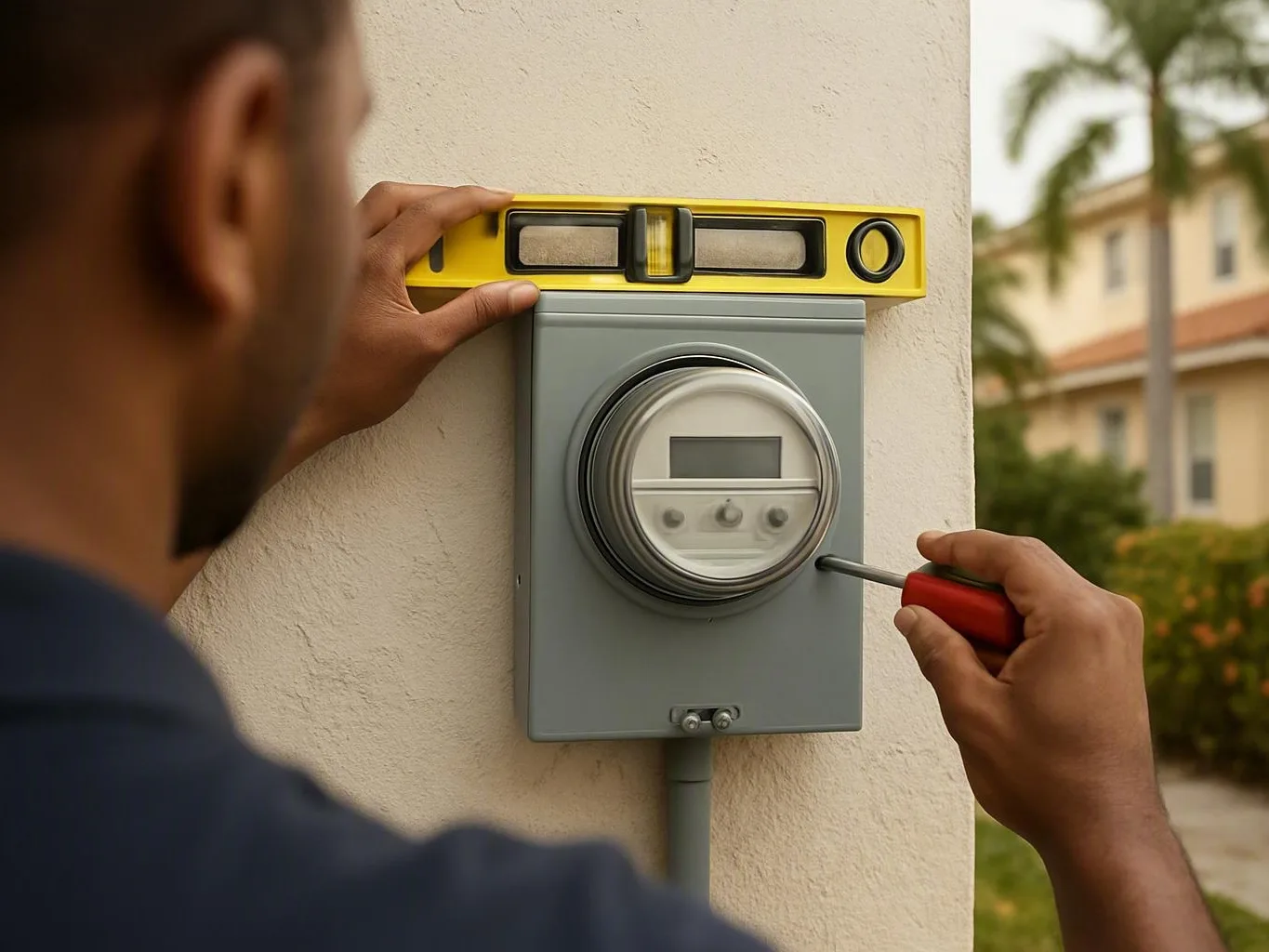
After-hours access can limit a safe roof check in Miami, FL. A burning odor, flickering light, or damaged outlet may show a surge path or hidden wiring fault. Our team first isolates unsafe power, then checks the panel, grounding, roof metal, and visible strike marks. We document what needs urgent repair and what belongs in a planned Lightning Protection Installation. Keep people away from damaged equipment until the area is safe.
A property owner comparing bids in Miami, FL may worry about hidden wear in an older bungalow. We check tile, roof metal, grounding, and past wiring changes before choosing parts. The plan includes code and permit needs when the work affects building wiring.
A manager sees water near a ground point after a storm in Miami, FL. Heavy rain can expose loose bonds, rust, or blocked drainage around the system. We inspect the ground path, check conductor links, and advise on drainage and follow-up checks before the next storm cycle.