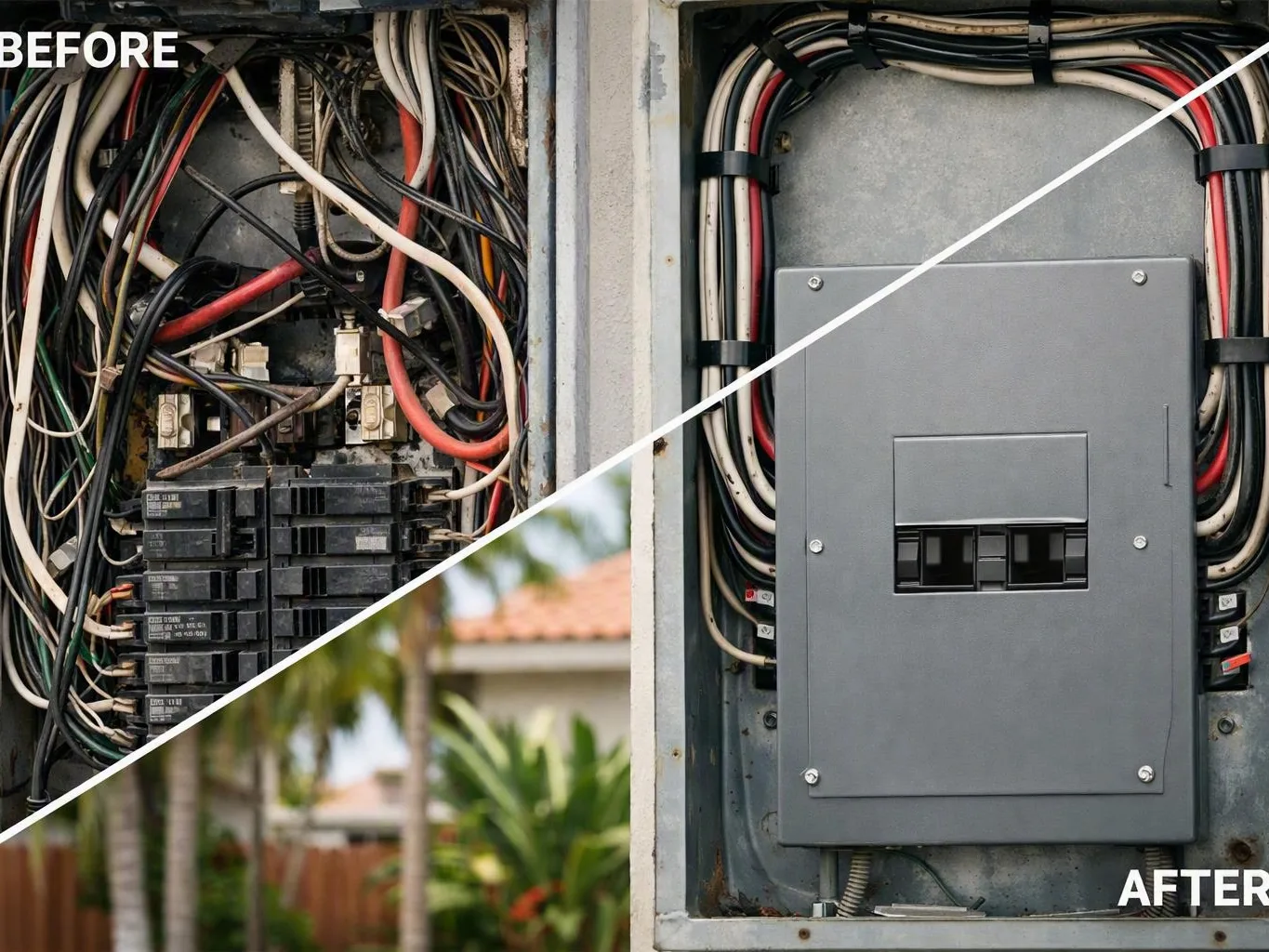
Why Does a New Appliance Keep Tripping the Breaker?
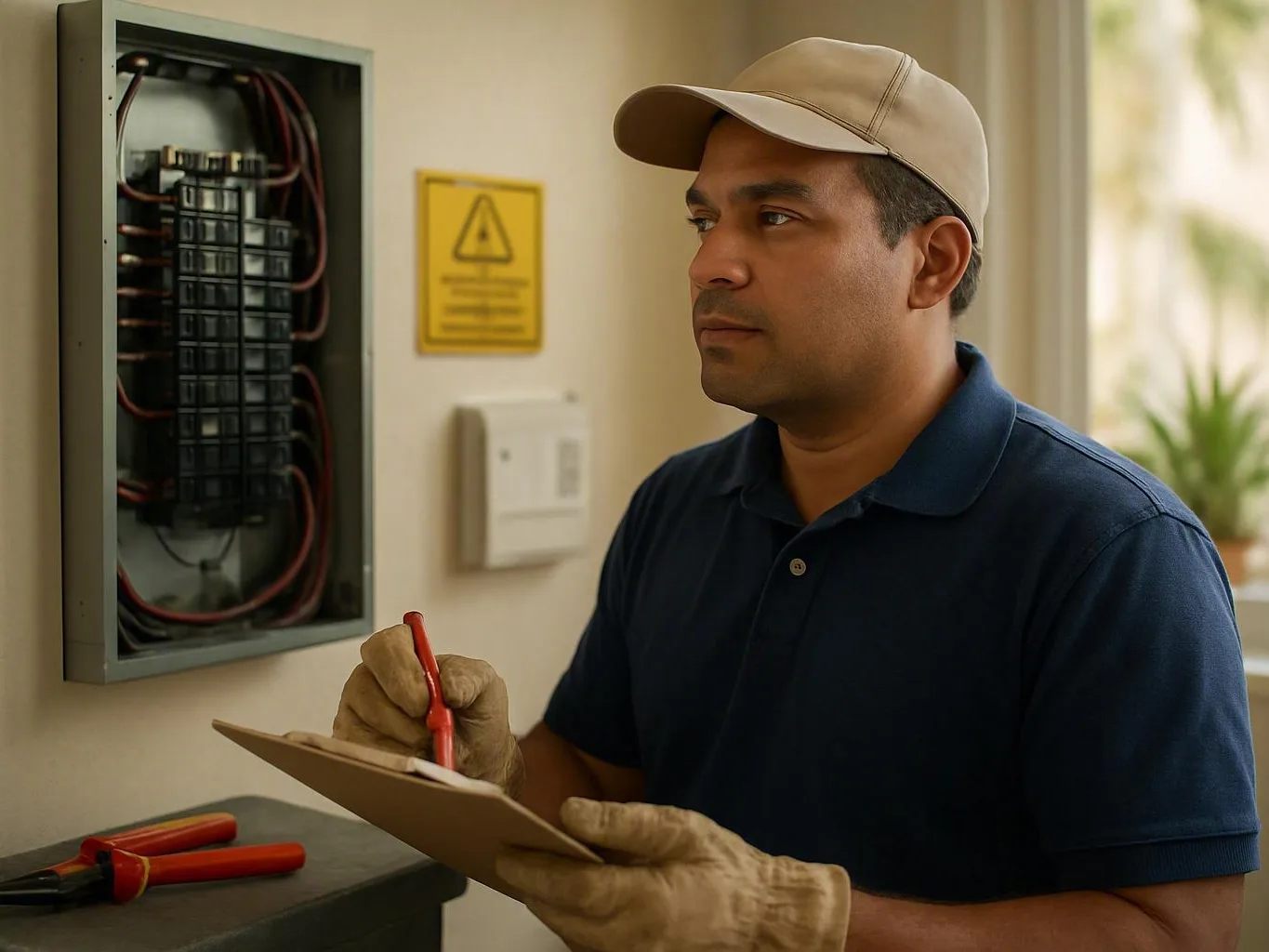
A new appliance can trip the breaker for several reasons. It may draw too much power for the circuit. It may also have a fault or share the wrong circuit. Note when the breaker trips. Check which devices share that circuit. Stop using the appliance if trips continue. Large appliances often need dedicated circuits. These include ranges, dryers, air conditioners, water heaters, and compressors. Don't reset the breaker again and again. Don't use an extension cord to avoid the issue. An electrician should test the appliance, outlet, wiring, breaker, ground, and circuit load.
Get a Free Estimate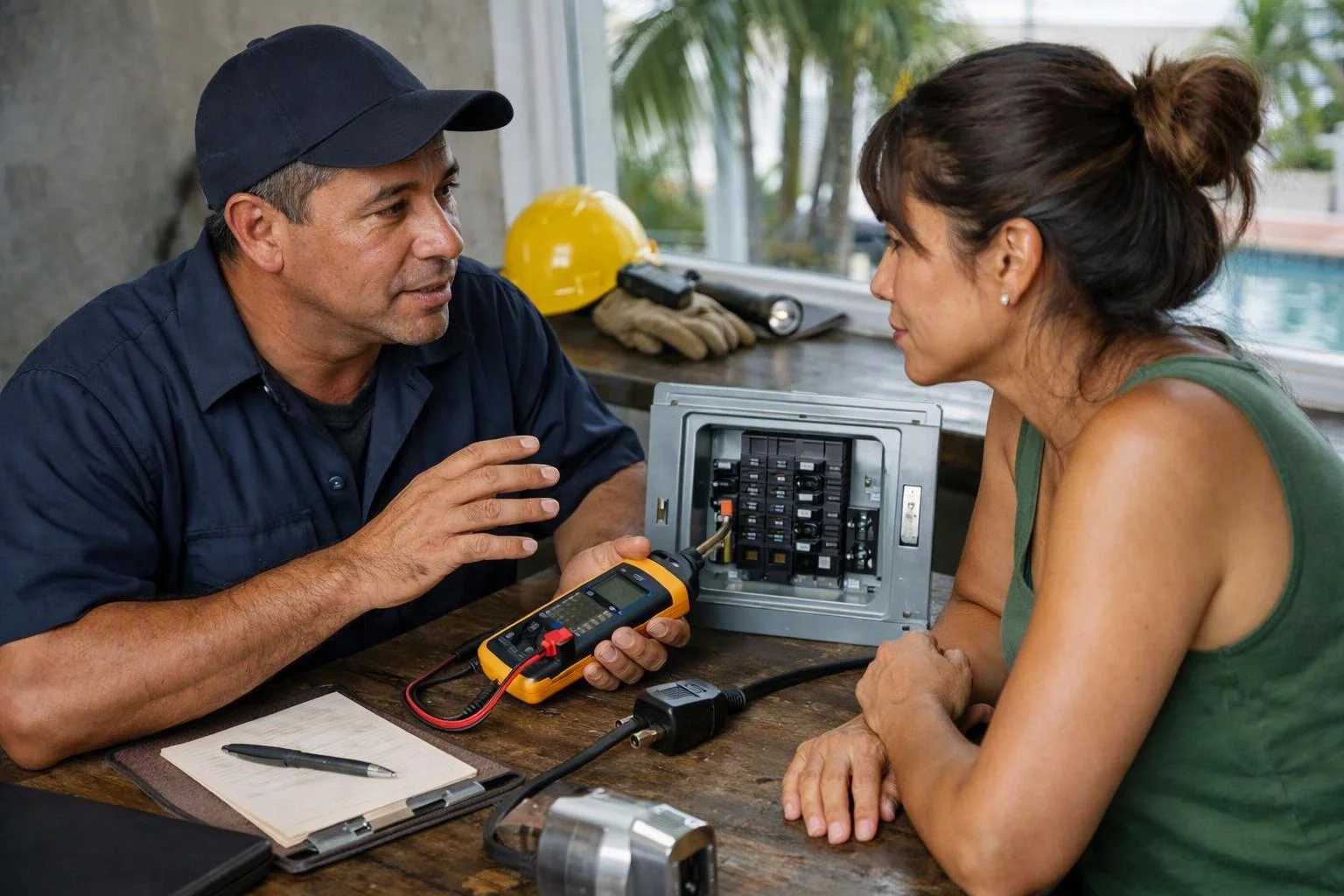
Earth Electric Florida helps homeowners find the cause before choosing a repair. A new appliance adds an electrical load during installation. The right fix depends on the appliance and circuit.
It also depends on the wiring’s condition.
Why Does a New Appliance Trip the Breaker?
Circuit breakers shut off power when a circuit carries too much current. They also trip when an appliance, outlet, breaker, or wire has a fault. Other high-demand devices may share the circuit. Some appliances need their own branch circuit.
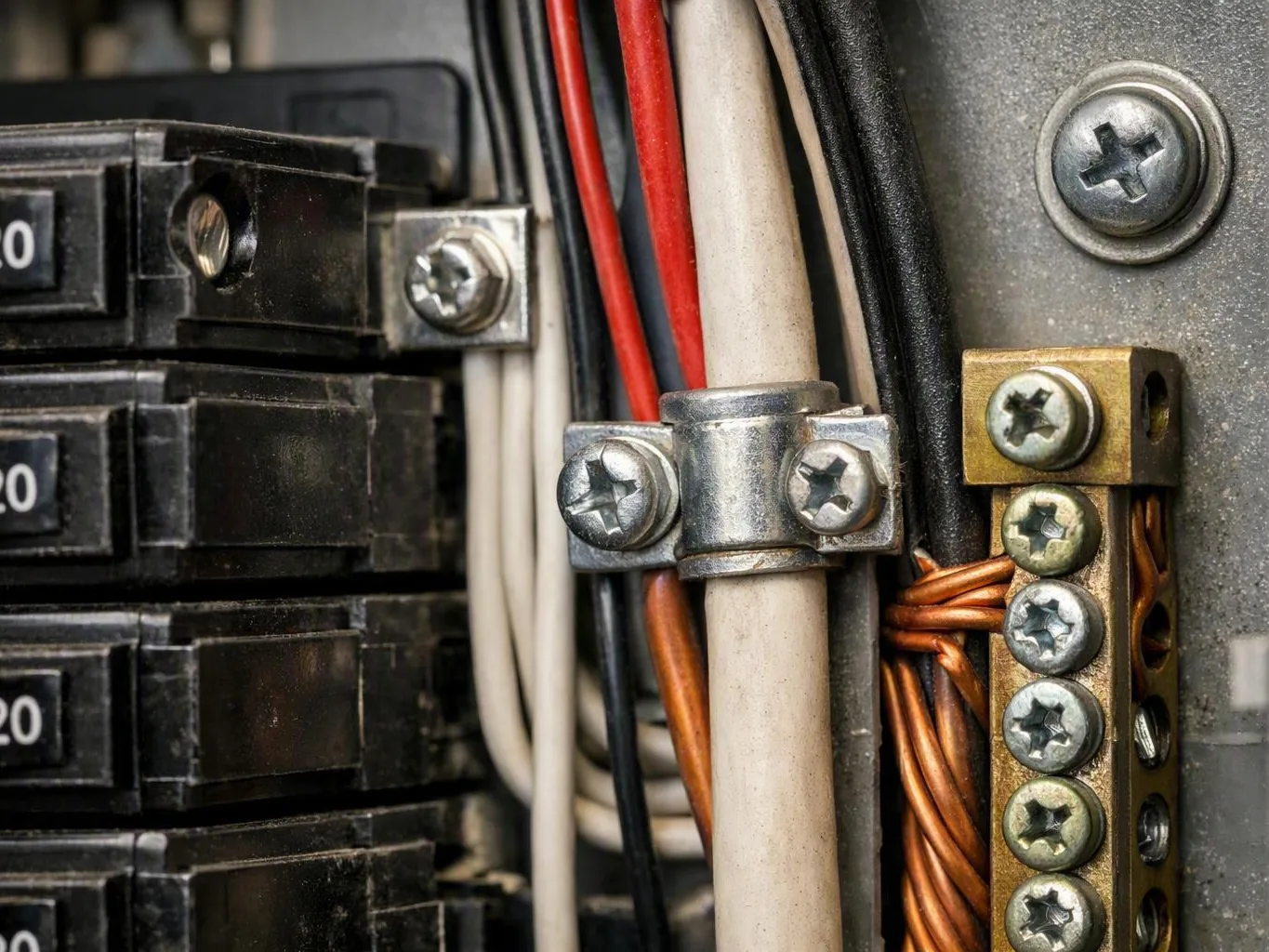
A circuit breaker protects wiring inside the breaker panel. It opens the circuit during an overload, short circuit, or ground fault. An overload happens when demand exceeds the circuit rating. A short circuit creates an unsafe path for current. A ground fault sends current along an unwanted path to ground.
Pay attention to when the power shuts off. An instant trip may point to a short, ground fault, damaged plug, or appliance fault. A startup trip may come from motor inrush current. This means a motor draws extra power while starting. A later trip may point to heat, loose wires, or too much power.
Appliance type also matters. Refrigerators, air conditioners, pumps, dryers, and washers may draw more power while starting. Ranges, water heaters, and electric heaters use high wattage during use. The appliance voltage must match the home’s wiring.
Don't assume the new product is defective. It may reveal an older wiring problem or weak breaker. It may also reveal a loose outlet or limited service capacity. Electrical testing can separate an appliance fault from a home wiring problem.
Can a New Appliance Overload a Circuit?
A new appliance can overload a circuit when it uses too much power. Startup demand can also exceed the circuit’s safe limit. Circuit capacity depends on the breaker, wire size, voltage, and appliance wattage. Other devices on the same circuit matter too.
A portable heater and microwave may already use much of a circuit’s power. Another high-wattage device could then trip the breaker. Each device may work normally by itself. Motor-driven appliances can also draw extra power during startup.
Household circuits can carry only a limited load. Long use needs extra capacity to prevent hot wires. The breaker protects the wiring. Don't replace it with a larger breaker to stop trips. A qualified electrician can measure the load and inspect each connection. They can also calculate the load before suggesting a new circuit.
What Signs Show the Appliance or Circuit Has a Problem?
Electrical trouble signs include repeated trips, heat, odd smells, and visible damage. These signs may show hot wires, loose connections, or damaged insulation. They may also show a short or ground fault. Stop using the appliance if you notice any sign.
Don't touch damaged parts or keep testing a hot device. A warm outlet may have a loose connection. Flickering may show low voltage or a poor connection. These problems need testing, not repeated resets.
Does the Appliance Need a Dedicated Circuit?
A dedicated circuit often suits large appliances and motor-driven devices. These appliances may use most of a circuit’s available power. The nameplate rating and maker’s instructions help guide this choice. Circuit size, voltage, startup demand, and other loads matter too.
A dedicated circuit serves one major appliance. It may suit ranges, dryers, air conditioners, and water heaters. It may also suit compressors and large freezers. The maker may list other equipment that needs one. The outlet must match the plug, voltage, and grounding method.
Small appliances may safely share a circuit. Their total load must stay within the circuit’s limit. Long-running devices may need more planning. Compressors and heating parts can also need more power. Startup demand may exceed the running demand on the nameplate.
Basic troubleshooting may cover one appliance and one outlet. It may also include one breaker and other connected devices. Most jobs take about 30 minutes to a few hours. Time depends on access and wiring condition. A new circuit can take more time. This range is only an example.
New Circuit Installation in Miami may help when testing finds a weak circuit. The same rule applies in every area. The circuit, wire, breaker, outlet, and service must match.
How Can You Check the Problem Safely?
Start by stopping use and noting when the breaker trips. Find every device on the circuit. Read the appliance nameplate. Don't remove panel covers or change wiring. Don't reset the breaker again and again. Don't install a larger breaker. A qualified electrician should test the circuit when the cause isn't clear.
Never use an extension cord or power strip to bypass a circuit need. Don't open the breaker panel or test live wires without training. Electrical testing can find voltage issues and high current. It can also find poor grounding, damaged wires, and a bad breaker.
Move away if you see smoke or active sparks. Do the same if you smell strong burning. An Emergency Electrician may help with hazards that can't wait.
How Can You Prevent Repeat Breaker Trips?
Match each appliance with the right circuit. Avoid overloaded outlets and extension cords. Keep connections in good shape. Follow the maker’s installation instructions. An electrician may suggest a new circuit or wiring repair. They may also suggest a breaker change or service upgrade.
Electrical Overload Correction may remove an extra load from the circuit. It may also repair a connection or replace a bad breaker. Moving equipment to a better circuit may solve the issue. A service upgrade is considered when the whole home needs more power. Branch-circuit fixes should be reviewed first.
When Does a New Appliance Require an Electrician?
It also needs help when it requires a dedicated circuit. Different voltage, heat, burning, or damaged wires also require help. A professional can find the fault and repair the wiring. They can install a safe circuit or review service capacity.
Call for help when trips continue after installing the appliance. This is true even after unplugging other devices. The appliance may have an internal fault. The outlet or circuit may also fail the installation rules.
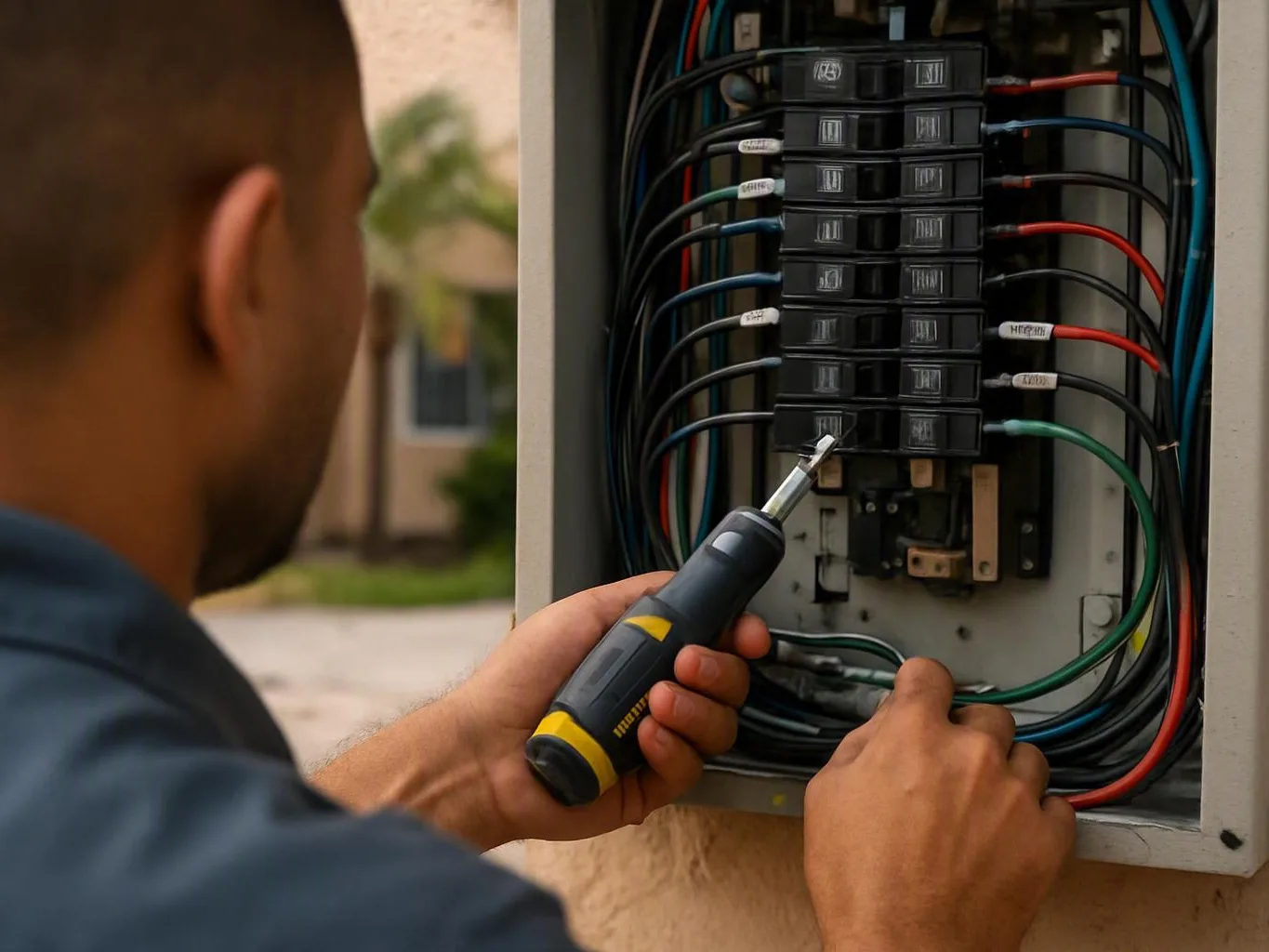
Our team can test the appliance, breaker, outlet, and ground. We can also check the wires and total load. The results may call for wiring repair or overload correction. They may also call for breaker replacement or a new circuit. We don't suggest a larger breaker without testing. A larger breaker can leave small wires unsafe.
Professional help matters when equipment uses different voltage. It also matters when the appliance has a motor or heating part. Hardwired equipment needs proper setup too. The safest fix follows the maker’s instructions and home wiring.
For electrical help, contact our team to discuss the symptoms and arrange an evaluation.
Questions About Emergency Electrician
Why Does My Breaker Trip After Installing a New Appliance?
The breaker may trip because the appliance overloads the circuit. It may also have a short or ground fault. Other causes include damaged wiring, a loose outlet, or a weak breaker. Stop using it if trips continue.
Can a New Appliance Overload a Circuit?
Yes. A new appliance can exceed circuit capacity through high wattage or startup demand. Other devices can add to that load. An electrician can measure the load and check for a separate circuit.
Does My Appliance Need a Dedicated Circuit?
It may need one if it's a large heater or motor-driven device. The maker may also require dedicated wiring. Check the nameplate, voltage, circuit rating, and other loads first.
Why Does My Appliance Keep Tripping the Breaker?
Repeated trips may show an overloaded circuit or appliance fault. They may also show a short, ground fault, damaged wire, loose outlet, or bad breaker. Don't keep resetting it. Stop using the appliance and arrange testing.
When Does a New Appliance Require an Electrician?
An electrician is needed when trips repeat or the appliance needs a dedicated circuit. Help is also needed for wrong voltage or damaged wiring. Heat, burning, buzzing, sparks, and damaged outlets need prompt testing. Professional testing can guide repairs or a service upgrade.
Related Resources
Burning Smell From Outlets or Wiring in Miami, FL: When to Call an Emergency Electrician
burning smell from electrical outlet when to call electrician
When You Need ItFrequently Tripping Circuit Breakers in Miami, FL: Warning Signs You Need Electrical Repair
circuit breaker keeps tripping when to call an electrician
When You Need ItFlickering and Dimming Lights: Signs of a Dangerous Electrical Problem in Miami, FL
flickering lights when to call an electrician miami
When You Need ItSparking, Hot, or Discolored Outlets in Miami, FL: Emergency Electrical Warning Signs
sparking outlet when to call electrician