Short Circuit Warning Signs and What to Do Next
Short circuit symptoms in a house include instant breaker trips, flickering lights, sparks, buzzing outlets, burning smells, warm wall plates, and sudden power loss. A short circuit happens when power takes an unsafe path with little resistance. This creates too much current and heat. Turn off the affected circuit if it’s safe. Unplug nearby devices. Never reset a breaker that keeps tripping. Smoke, flames, melting plastic, or a burning outlet require immediate evacuation and emergency help. An electrician can find the fault, fix damaged wiring or devices, and test the circuit before restoring power.
Get a Free EstimateEarth Electric Florida helps homeowners spot electrical faults and choose a safe next step. Short Circuit Repair in Miami may involve one appliance, an outlet, or a larger circuit. The visible symptom may not show where the fault began.
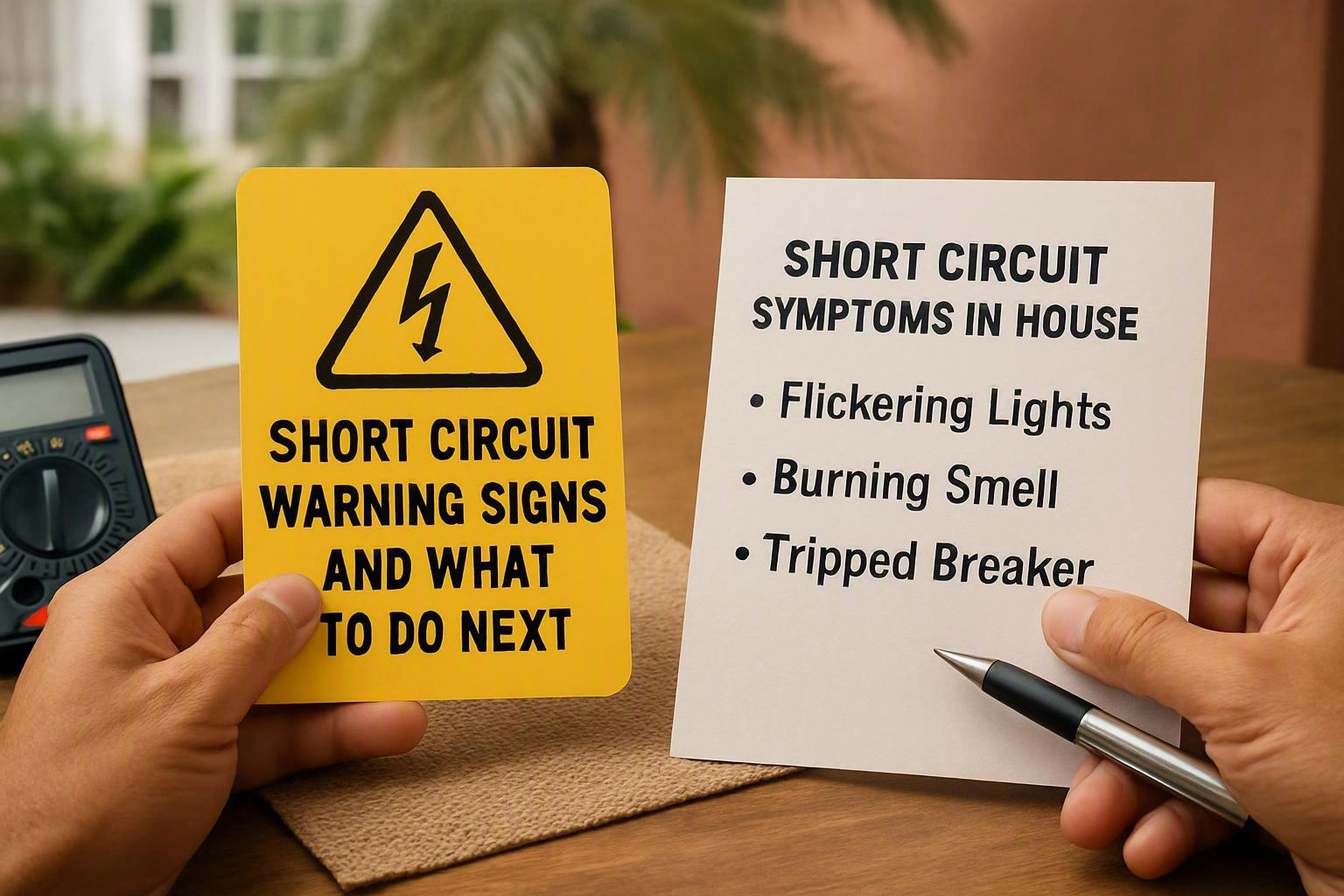
What Are the Signs of a Short Circuit?
Short circuit signs include an instant breaker trip, flickering lights, sparks, buzzing, a burning smell, warm outlets or switches, and sudden power loss. These signs point to unsafe current flow or too much heat. Stop using the circuit. Arrange an inspection when you see heat, smoke, or melted plastic.
A short circuit is an electrical fault with an unsafe current path. It may be a line-to-neutral short, a line-to-ground short, or an appliance short circuit. A circuit breaker stops too much current. It can’t fix the cause.
Don’t assume a breaker reset fixes the issue. Older homes may hide brittle insulation, loose connections, or an old panel. A professional inspection is safer than opening a live electrical panel.
How to Tell a Short Circuit Symptom from a Normal Electrical Problem?
A breaker that trips once after heavy device use may show an overloaded circuit. Moving devices to other circuits may solve some overloads. Repeated trips, heat, sparks, or burning smells need testing.
A ground fault is a related issue. It happens when current moves toward the ground, often through wet equipment or a person. A loose connection may cause flickering, buzzing, or power loss. These problems can look alike. An electrician uses continuity and voltage tests to find the cause.
What Causes a Short Circuit in a House?
Common short circuit causes include damaged wire insulation, loose or crossed wires, faulty appliances, water intrusion, damaged outlets, and wires pinched by nails or screws. Old parts and unsafe DIY work can also make wires touch. This lets too much current flow through the circuit.
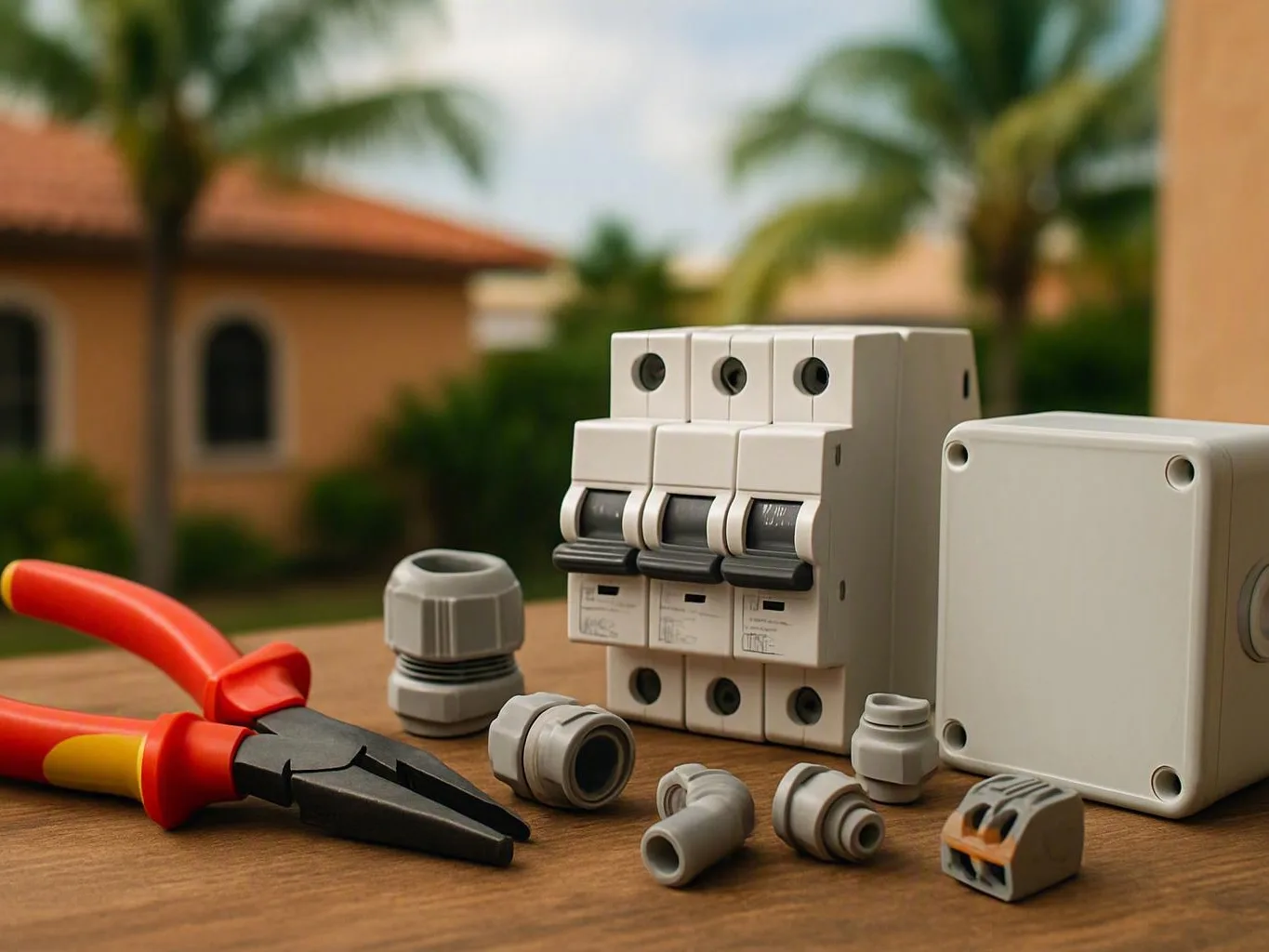
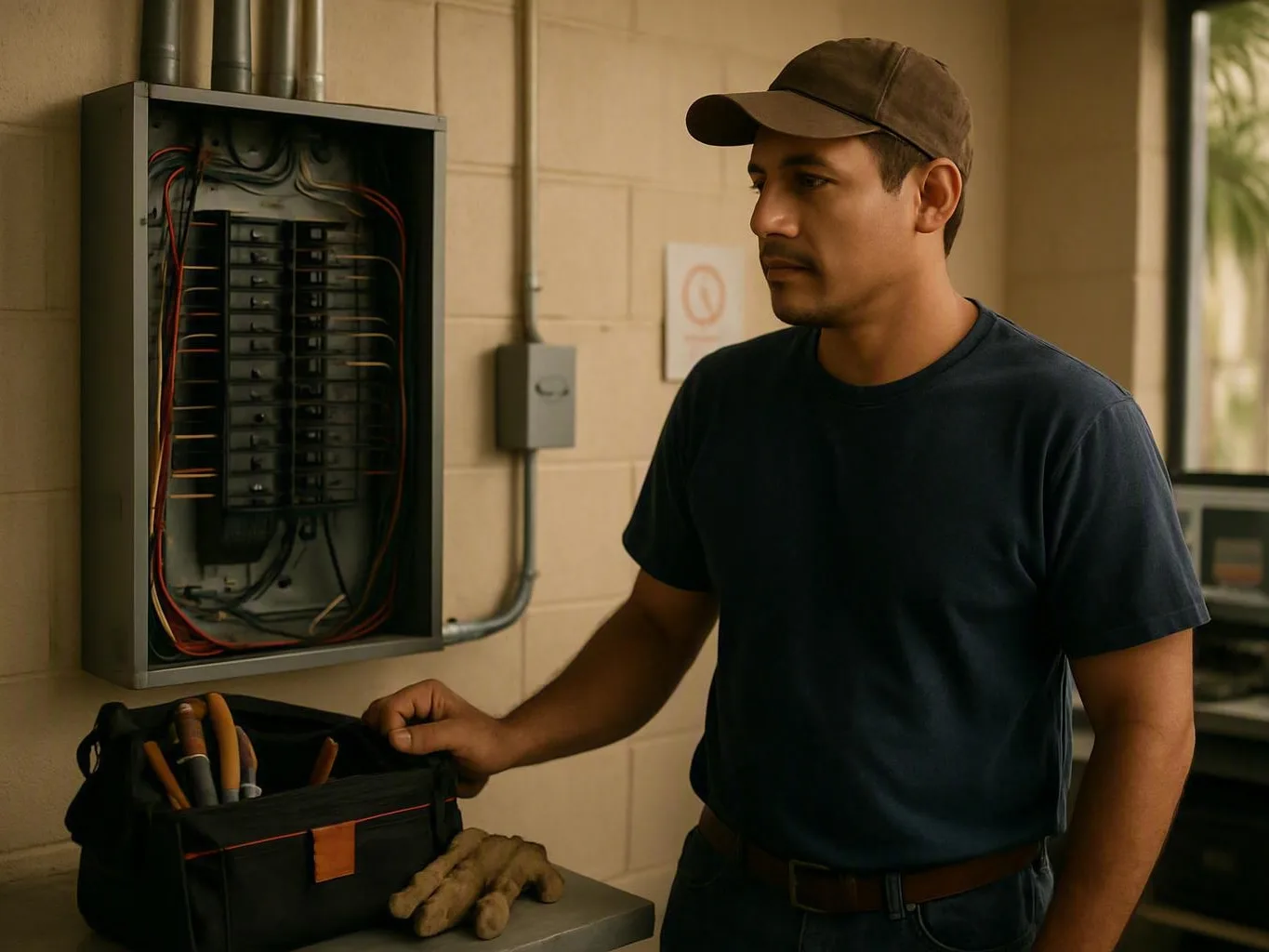
Home wiring carries power through a connected system. When insulation breaks or wires touch, power may take an unsafe path. This creates heat. The electrical panel sends power to each circuit. It also holds breakers that help protect the wiring. A junction box protects and organizes wire connections.
Repair needs depend on circuit use, appliance condition, and wiring access. The outlet may be the source. The fault may also be inside a wall, box, appliance, or older part of the home.
What Should You Do When a Breaker Trips Immediately?
A breaker that trips at once responds to an ongoing fault. The cause may be a short circuit or ground fault. Unplug devices only when there is no smoke, heat, or visible damage. Reset the breaker once. If it trips again, leave it off and call a qualified electrician.
Keep people away from the outlet, appliance, and panel. If the area is dry and safe, turn off or unplug nearby devices. Don’t touch hot, wet, sparking, or melted parts. Don’t remove the panel cover or bypass the breaker.
The goal is to cut power, not keep testing the circuit. If the breaker stays on, don’t use the circuit until the cause is known. An emergency electrical inspection may be needed when the breaker won’t stay on. It’s also wise for older homes with old wiring or panels.
Many basic service visits take a few hours. A hidden fault may take longer to find. The electrician will check access, circuit use, appliance condition, and damaged wiring.
How Is a Short Circuit Repaired?
A short circuit is repaired by turning off the circuit, finding the fault, fixing damaged wiring or equipment, and testing the repair. An electrician may replace wires, outlets, switches, appliances, or a breaker. The circuit must be tested before power is fully restored.
Short Circuit Repair should fix the source, not just the tripped breaker. Our team may suggest broader Electrical Wiring Repair when insulation is brittle. Loose connections or an overloaded panel may also need attention.
Which Electrical Parts May Need Repair or Replacement?
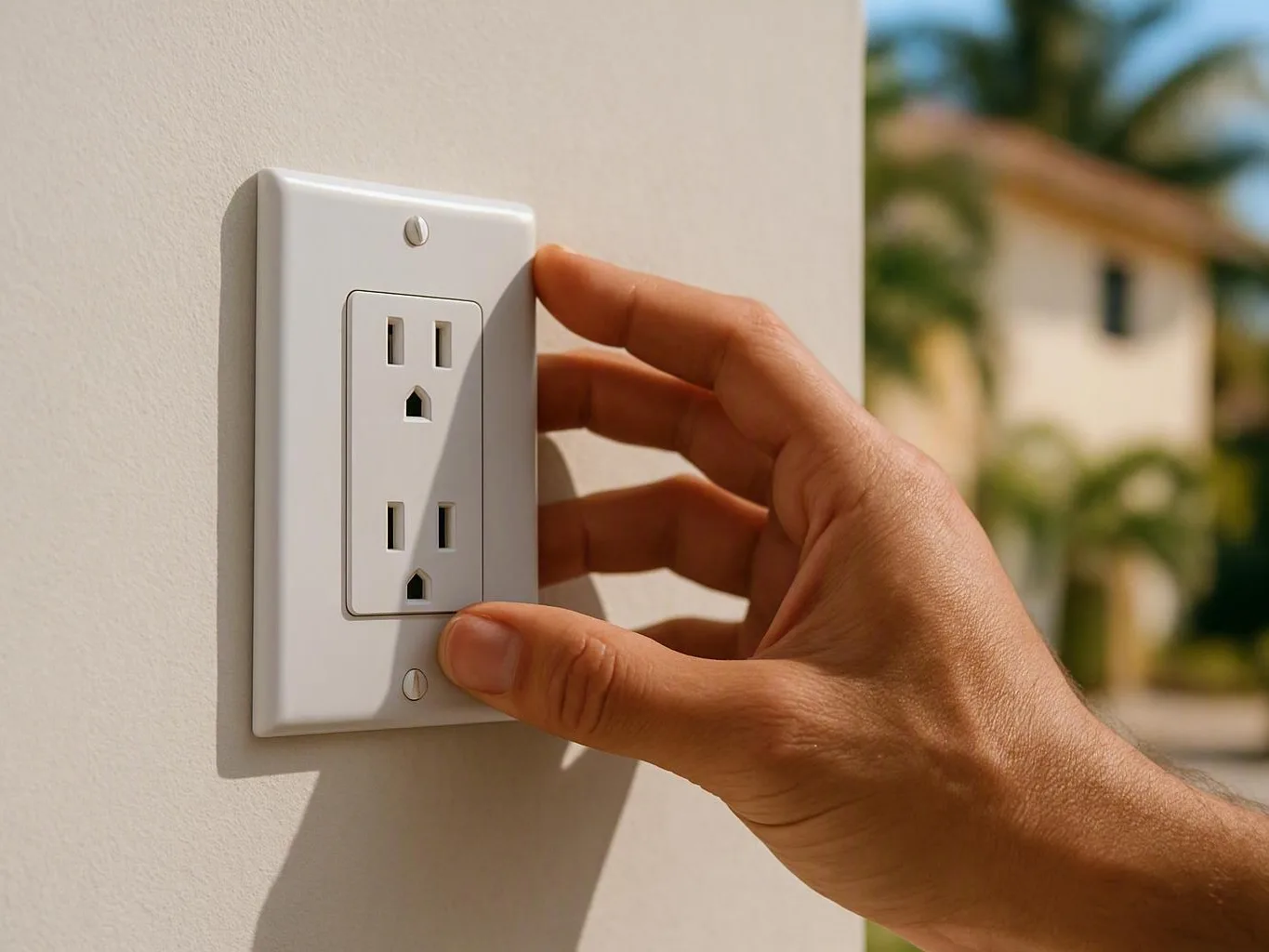
A circuit may need new wire sections when insulation is burned, cut, or too old. An outlet or switch may need replacement when its terminals are scorched, loose, cracked, or heat-damaged.
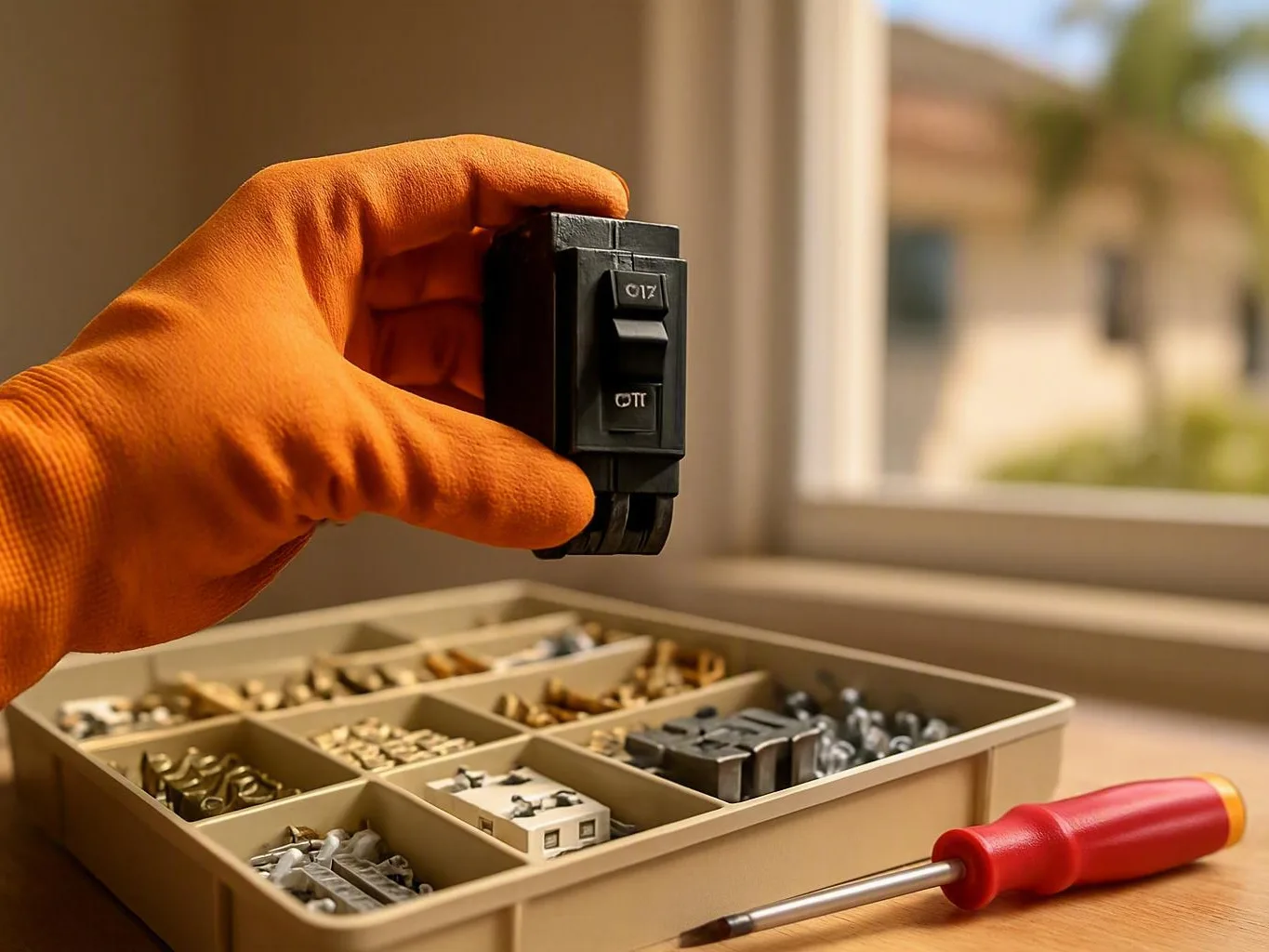
Some homes also need breaker panel work. A bad breaker may not protect the circuit properly. Replacing it alone won’t help if the wiring or appliance still has a fault. The right repair depends on circuit use, part condition, wiring access, and the size of the damage.
| Part | Possible issue | Typical action |
|---|---|---|
| Branch circuit wiring | Damaged insulation or unwanted contact | Test, repair, or replace affected sections |
| Receptacle or switch | Heat, arcing, or loose terminals | Replace the damaged device and test connections |
| Breaker panel | Failed breaker or poor circuit connection | Inspect and replace parts when appropriate |
How Can You Prevent Short Circuits?
Short circuits can be reduced by replacing damaged cords, avoiding overloaded outlets, keeping equipment dry, using safety devices, and fixing loose or old wiring. Schedule an inspection when breakers trip often. Hidden faults can worsen before damage becomes easy to see.
Prevention starts with simple checks. Don’t cover cords with rugs. Don’t force plugs into loose outlets. Keep electrical equipment out of wet areas unless it’s made for them. Older homes may have mixed wiring, so one visible repair doesn’t prove the whole system is safe.
Electrical care should include outlets, switches, visible cords, the panel, and reachable junction boxes. A power surge may harm equipment without leaving a clear mark. Unusual buzzing, heat, or failure after a surge needs an inspection.
When Is a Short Circuit an Electrical Emergency?
A short circuit is an electrical emergency when it causes smoke, flames, a burning odor, melted plastic, arcing, or heat at an outlet or panel. Don’t touch damaged equipment. Don’t reset the breaker again. Leave the area. Call emergency services for fire or smoke. Then arrange urgent electrical repair.
Move people and pets away from danger. Leave at once if there is fire, smoke, or a fast-spreading burning smell. Call the fire department from a safe place. Never use water on live electrical equipment. Don’t return until responders say it’s safe.
There may be no fire, but a hot, scorched, buzzing, or melting outlet still needs urgent help. Keep the circuit off and contact an Emergency Electrician. Our crews can inspect the circuit and find the fault. Safety comes before testing.
A routine visit may fit one nuisance trip without heat, odor, or damage. Smoke, flames, arcing, a burning outlet, or a hot panel needs an emergency response.
Questions About Emergency Electrician
What Are the Signs of a Short Circuit?
Common signs include an instant breaker trip, flickering lights, sparks, buzzing, a burning smell, warm outlets or switches, and sudden power loss. Turn off the circuit if safe. Avoid repeated resets. Arrange an inspection when symptoms return or damage appears.
What Causes a Short Circuit in a House?
Causes include damaged insulation, loose or crossed wires, faulty appliances, water intrusion, damaged outlets, and wires pinched by fasteners. Old wiring, aging panels, and unsafe DIY changes can also create an unsafe current path.
Why Does My Breaker Trip Immediately When I Reset It?
An instant trip usually means the fault remains. It may involve a short circuit, ground fault, damaged appliance, or serious wiring issue. Unplug devices only when there is no heat, smoke, or visible damage. Reset the breaker once. Leave it off if it trips again.
Why Does My Outlet Smell Like It Is Burning?
A burning smell may mean the outlet, plug, insulation, or connection is too hot. Stop using it. Stay away from melted or hot parts. Turn off the circuit if safe. Smoke, sparks, or flames require evacuation and emergency help.
How Is a Short Circuit Repaired?
An electrician turns off the circuit and uses continuity and voltage tests to find the fault. The electrician repairs or replaces damaged wiring or equipment. The circuit is tested before power returns. The repair depends on circuit use, appliance condition, wiring access, and panel condition.
If you notice repeated trips, heat, sparks, a burning odor, or unexplained power loss, our team can help. We can tell you if the issue needs routine service or urgent attention. Contact us through our electrical service request to discuss safe next steps.
Related Resources
Burning Smell From Outlets or Wiring in Miami, FL: When to Call an Emergency Electrician
burning smell from electrical outlet when to call electrician
When You Need ItFrequently Tripping Circuit Breakers in Miami, FL: Warning Signs You Need Electrical Repair
circuit breaker keeps tripping when to call an electrician
When You Need ItFlickering and Dimming Lights: Signs of a Dangerous Electrical Problem in Miami, FL
flickering lights when to call an electrician miami
When You Need ItSparking, Hot, or Discolored Outlets in Miami, FL: Emergency Electrical Warning Signs
sparking outlet when to call electrician