How to Tell When an Electrical Panel Needs Replacement
Frequent trips, burning smells, scorch marks, buzzing, heat, rust, and water damage signal trouble. Limited capacity can also mean replacement. A single bad breaker may need repair. Widespread damage usually calls for a new panel. Old equipment may also need replacement. Homeowners shouldn't remove the panel cover. They shouldn't work on live wires. They can find hazards and compare repair choices. They can also suggest an electrical service upgrade when needed.
Get a Free Estimate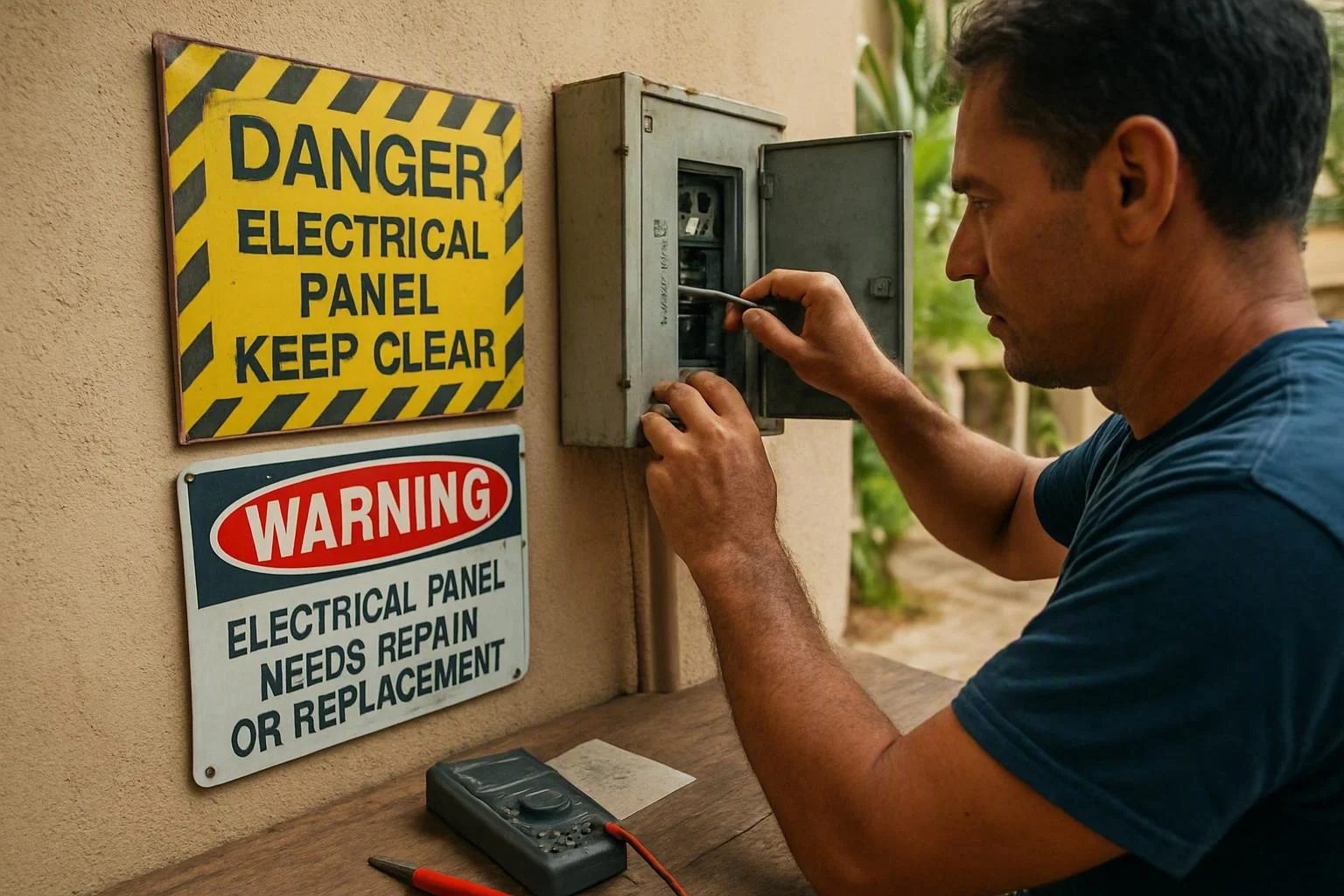
Why an Old Electrical Panel Deserves Attention?
An old electrical panel may have worn parts, rust, or weak connections. It may also lack enough power for your home. These problems can cause shocks, fires, or outages. You may not see every problem from outside the panel. They can tell you if repair is enough.
The panel sends power through your home. Each circuit breaker helps protect one circuit. A bad breaker, wire, bus bar, or connection can create heat. It can also cause sparks, trips, or power loss.
Many older homes have aging electrical systems. Some still use fuse panels or limited service equipment. Older wiring may also support fewer appliances. A fuse system isn't always unsafe. Damaged parts and poor changes still need a professional check.
Age alone doesn't mean you need electrical panel replacement. The panel's condition matters more, so do its capacity, history, and fit with your home. Air conditioning can add a heavy load. Electric vehicle charging can do the same. Heat pumps and new rooms also need more power.
Our team first checks the panel's visible condition. Then, we explain the safest next step. A proper check can find small problems early. It can also prevent outages and fire risks.
8 Warning Signs Your Electrical Panel May Need Replacement
Electrical panel replacement may be needed for burning smells, scorch marks, heat, buzzing, rust, or water damage. Frequent trips can also signal a problem. Old fuses and low capacity are other warning signs. These issues may point to bad parts or loose connections.
One sign may have a simple cause. Several signs can point to a larger issue. Write down what you see and when it happens. Then, arrange an electrical inspection. Don't open the panel yourself.
These signs don't all have the same urgency. Smoke, sparks, burning smells, and extreme heat need quick help. Water inside the panel also needs fast attention.
Does the Panel Need Repair or Complete Replacement?
Electrical panel repair may fix one bad breaker or loose connection. Complete replacement may be safer with wide damage. It may also be needed for damaged bus bars or low capacity. An electrician should check the panel before making this choice.
A bad circuit breaker may not require a new panel. A loose connection may also have a simple fix. Parts must match the panel model. A breaker may fit but still be unsafe.
Replacement becomes more likely when many parts have damage. It may also be needed when water entered the panel. A damaged bus bar can affect many circuits. Old equipment may not provide safe service. A bad main breaker may require more work.
An electrical service upgrade is more than a panel change. It may need new service equipment and larger wires. It may also need meter work and better grounding. The utility may need to approve the work. A load check shows when more capacity is needed.
Electrical Panel Repair And Replacement in Miami may follow local rules. We check the current equipment before work starts. We also review planned power needs. Our goal is a clear answer. We don't suggest replacement without a reason.
Most home panel jobs take several hours to one day. This assumes clear access and no major service changes. Larger upgrades can take longer. Utility work and extra wiring may add time.
DIY Checks vs Professional Electrical Inspection
Homeowners can watch for signs outside the panel. They can also note when breakers trip. They shouldn't remove the cover or test live parts. They shouldn't tighten wires or change breakers. They can check parts, wiring, and breaker fit.
| Factor | DIY | Professional |
|---|---|---|
| Homeowner visual inspection | Look for smells, sounds, heat, rust, or marks. Don't open the enclosure. | Confirms visible concerns and checks inside parts safely. |
| Testing | Don't use a meter inside the panel. Don't test live parts. | Uses safe tests and checks circuits after power is off. |
| Panel cover | Don't remove it. Parts behind it may stay live. | Removes and replaces it with proper safety steps. |
| Repair decision | Record symptoms and stop if you see danger. | Checks wires, breaker fit, load, grounding, and damage. |
Safe checks include noting which appliance causes a trip. Keep the panel area dry and clear. Don't touch a wet panel or loose wire. Don't touch a hot surface. We inspect the system without asking you to take risks.
What Happens During an Electrical Panel Inspection?
An electrical inspection checks the panel, breakers, bus bars, and wires. It also checks grounding, bonding, labels, and service wires. The electrician looks for heat and water damage. They review the home's power needs as well. These findings guide the next step.
The electrician asks about trips, flickering, and odd sounds. They ask about recent remodeling and planned equipment. They check the panel's age, brand, and ratings. They also review labels and visible damage.
A load check compares home demand with service size. This matters when adding air conditioning or an electric vehicle charger. Heat pumps and large appliances can also raise demand. A clean panel may still lack enough power.
The inspection checks wire size, breaker fit, and grounding. It also checks neutral and ground wires. Loose ends and damaged insulation can cause heat. Electrical arcing may require quick repairs.
After the check, we explain the condition in plain language. We show what part is unsafe. We explain how soon work is needed. We list the work and any service changes. Ask questions before approving repairs.
What to Do When an Electrical Panel Shows a Serious Warning Sign?
Stop using affected circuits if the panel smells burnt or smokes. Move away if it sparks or feels very hot. Don't open the panel or touch damaged parts. Leave the home if fire or active smoke exists. Call emergency services from outside. Otherwise, call for an urgent electrical inspection.
Water can make a quiet fault more dangerous. Heat and smoke may show active failure. An emergency electrical inspection can find the source. It can show if one circuit or the whole panel has a problem.
How to Choose the Right Panel Service for Your Home?
The right service depends on the hazard and power needs. Circuit breaker repair can fix one bad breaker. Panel repair can fix limited part damage. Replacement can address unsafe or old equipment. A service upgrade can add needed capacity.
They should explain breaker fit and wire condition. They should also discuss service wires and future power needs. A clear quote should separate urgent work from optional work.
Circuit Breaker Repair And Replacement may fix one failed device. Full Electrical Panel Repair And Replacement may suit wider damage. It may also suit an unreliable enclosure. An electrical service upgrade may be needed for new equipment.
Ask if the work includes labels and grounding checks. Ask if it includes testing and old equipment removal. Utility work may also be part of the job. Find out what must stay off during the work.
Our crews can explain repair, replacement, and upgrade choices. The safest choice fixes the current hazard. It should also support normal future use. The system must not become overloaded.
Questions About Emergency Electrician
How Do I Know if My Electrical Panel Needs to Be Replaced?
Frequent trips, burning smells, scorch marks, buzzing, heat, rust, and water damage are common signs. Old fuses and low capacity are also warning signs. They can choose repair, replacement, or an electrical service upgrade.
What Are the Signs of a Bad Electrical Panel?
Signs include repeated trips, burning odors, scorch marks, buzzing, and unusual heat. Rust, moisture, damaged wires, and failed breakers are also signs. These symptoms may come from one bad part. They may also show a failing panel.
How Often Should an Electrical Panel Be Replaced?
Homes don't share one replacement schedule. Condition and age matter more than a set date. Equipment type, damage, fit, and capacity also matter. Older homes should get an inspection before buying or remodeling. Get one when adding large equipment or seeing warning signs.
Is It Dangerous if My Electrical Panel Is Buzzing?
Yes, buzzing can signal a loose connection or bad breaker. It can also show an overload or electrical arcing. Don't open or touch the panel. Move away and stop using affected circuits. Arrange a prompt professional inspection.
Can a Faulty Circuit Breaker Be Repaired Instead of Replacing the Panel?
Sometimes. An electrician may replace one breaker when the panel is sound. The bus bars, wires, and service capacity must also be safe. The new breaker must match the panel. Wider damage or low capacity may require replacement.
Call for professional help if you see heat, smoke, sparks, or water damage. A burning odor also needs prompt attention. Earth Electric Florida can review repair, replacement, and service upgrade choices.
Related Resources
How Much Does an Emergency Electrician Cost in Miami?
emergency electrician cost Miami
What It CostsCircuit Breaker Repair and Replacement: Costs, Options, and Timing
circuit breaker replacement cost Miami
What It CostsHow Much Does It Cost to Add a New Electrical Circuit?
new circuit installation cost
What It CostsEmergency Electrical Inspections: Cost, Process, and Results
emergency electrical inspection cost