Electrical Troubleshooting: How Electricians Find Hidden Electrical Faults
Electrical troubleshooting is a systematic process for tracing symptoms to their source, and Earth Electric uses circuit observations, safe testing, and targeted inspection to identify hidden faults before recommending electrical repair.
Get a Free Estimate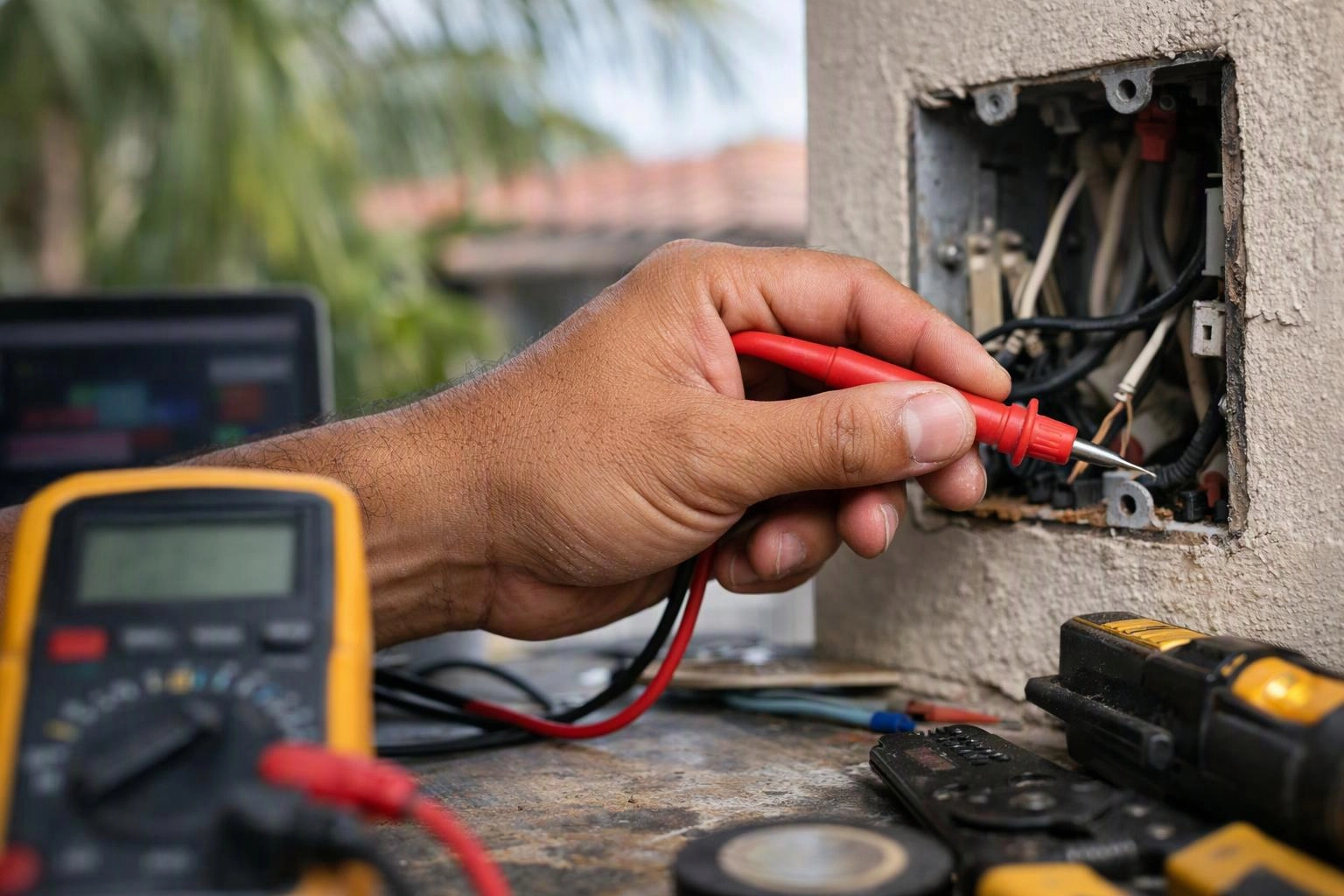
What Is Electrical Troubleshooting?
Electrical troubleshooting is a diagnostic process that traces an electrical symptom to its source so the correct repair can be selected.
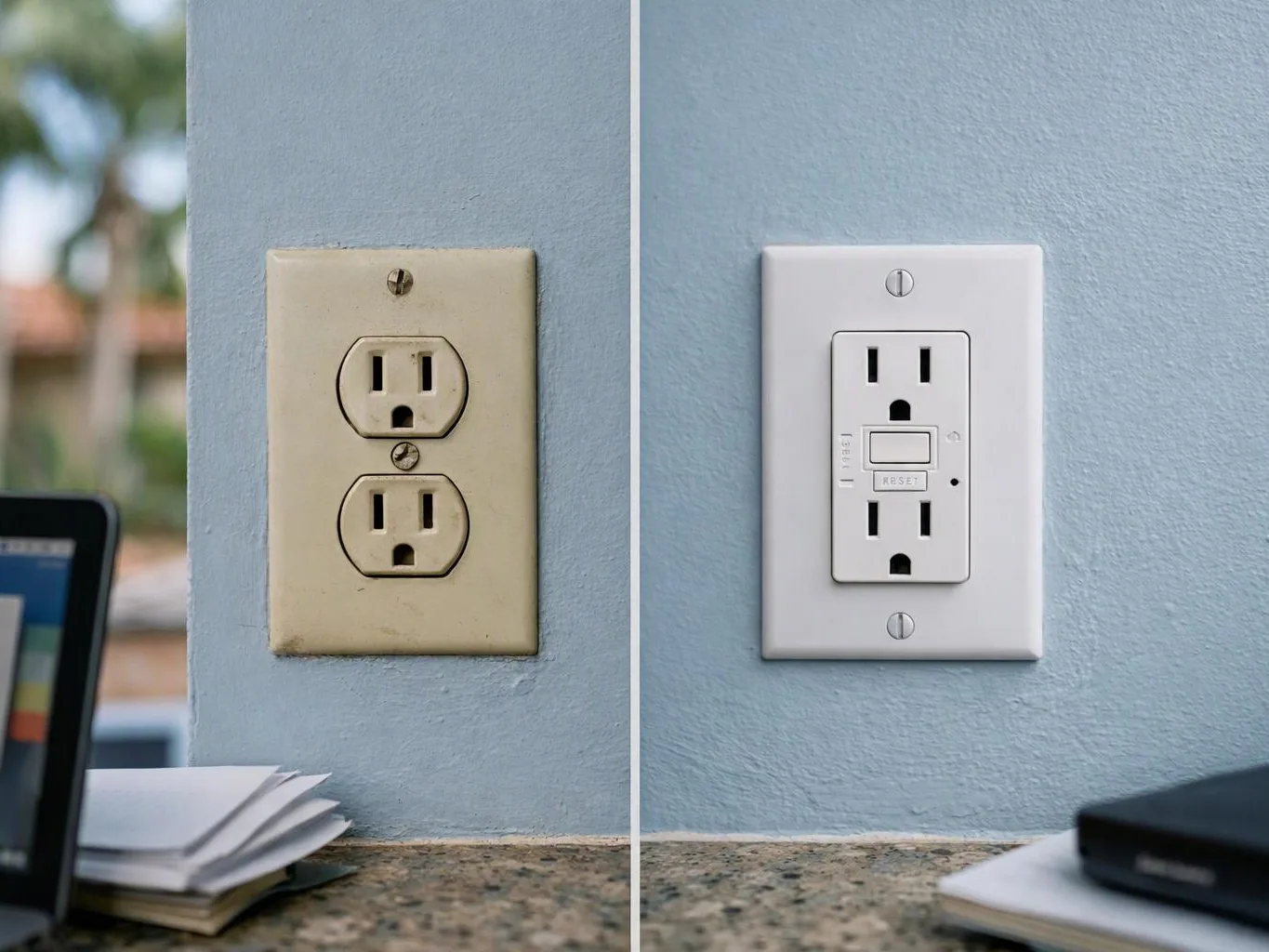
An electrical fault can affect one outlet, a switch, a light, or an entire electrical circuit. The visible symptom does not always show where the fault began.
We use fault diagnosis to connect the reported problem with circuit behavior, visible conditions, and safe testing. That process helps us determine whether the right solution involves wiring, an electrical device, or another part of the system.
How We Trace a Hidden Electrical Fault
Earth Electric traces a hidden fault by connecting the reported symptom with visible conditions, circuit behavior, and safe electrical testing.
Our team records the fault location and separates a confirmed cause from a possible cause. We then explain the repair scope before work begins.
What Earth Electric Checks During the Diagnostic Process
Earth Electric checks the circuit breaker, neutral connection, grounding, junction box, receptacle, light fixture, and each accessible wire connection that could explain the symptom.
A loose neutral connection can create unstable operation across connected devices. A grounding problem, damaged receptacle, or poor wire connection can also affect safety and circuit performance.
We inspect the electrical panel and accessible junction boxes for signs of heat, arcing, a short circuit, or a ground fault. Our crew also considers whether a light fixture, switch, or appliance has placed an unusual load on the circuit.
What Different Electrical Symptoms Can Reveal
Electrical symptoms can point toward different fault areas, but testing is needed to confirm the source before repair.
Symptom tracing gives us a starting point, not a final diagnosis. The same symptom can result from a loose connection, damaged device, overloaded circuit, or concealed wiring fault.
| Symptom | Possible area to investigate | Why testing matters |
|---|---|---|
| Flickering lights | A loose connection, light fixture, switch, or circuit condition | The source may be at the fixture or elsewhere on the circuit. |
| Dead outlet | A tripped breaker, GFCI device, receptacle, or wiring connection | Power may be interrupted upstream from the outlet. |
| Buzzing electrical component | A panel component, switch, outlet, fixture, or loose connection | Sound can come from vibration, arcing, or an overloaded connection. |
| Intermittent power | A loose connection, damaged device, or circuit fault | The fault may change as the circuit carries a load. |
| Tripped circuit breaker | An overloaded circuit, short circuit, ground fault, or breaker issue | The cause must be identified before repeated resetting. |
| Overheating outlet or burning smell | A damaged receptacle, loose wire connection, overload, or arcing | Heat and odor can indicate an unsafe condition. |
What Can You Safely Check Before Calling for Troubleshooting?
Homeowners can document symptoms and check accessible switches, plugs, and reset controls without opening electrical equipment or handling exposed wiring.
Homeowner safety comes first during an electrical check. Do not remove outlet covers, open the electrical panel, or handle exposed wiring.
How Should You Describe an Electrical Problem?
An electrical problem description identifies what happened, where it happened, when it happens, and what changed beforehand.
Tell us whether the symptom affects one room, one outlet, or several areas. Include the symptom timing, the affected area, and whether power returns on its own.
Describe any recent electrical changes, such as a new appliance, fixture, outlet, switch, or renovation. Appliance behavior can also help us connect a load with the reported fault.
Clear details help us plan safe electrical testing and focus on the most relevant part of the circuit.
What Photos and Notes Help Explain the Fault Safely?
Safe documentation shows the visible condition without requiring you to open electrical equipment or touch wiring.
Safe documentation gives our team useful context before testing begins. Stop taking photos if the area is hot, smoky, wet, or sparking.
How Is Troubleshooting Different From Electrical Repair?
Electrical troubleshooting identifies the fault, while electrical repair corrects the confirmed problem; one appointment can involve both when the cause and repair are clear.
Fault diagnosis may show that an outlet, circuit breaker, wire connection, or another part needs attention. We explain the finding and define the repair scope before correcting the problem.
Outlet repair and circuit breaker repair address specific confirmed conditions. Emergency electrical repair becomes relevant when the fault creates immediate danger or makes continued use unsafe.
Our team keeps testing and repair connected, so the recommended work addresses the fault location rather than only the visible symptom.
When Does an Electrical Problem Need Urgent Attention?
An electrical problem needs urgent attention when it involves smoke, burning odor, sparking, shock, heat, or a condition that makes continued use unsafe.
Turn off and avoid using equipment that is smoking, sparking, or producing a burning smell when you can do so without approaching danger. Leave the area and contact emergency services if there is an active fire or immediate threat to people.
Our team treats a hot electrical panel, repeated breaker trips, and signs of arcing as conditions that require prompt assessment. Do not keep resetting a breaker or operating an overheating outlet while waiting for inspection.
What Happens After We Identify the Fault?
Earth Electric explains the identified fault, outlines the repair needed, and provides the next step for resolving the electrical problem; Free Estimates Available.
We review the diagnostic findings with you and identify the affected circuit, device, or wiring area. Our repair recommendation explains what needs correction and why.
Depending on the finding, the work may involve outlet repair, circuit breaker repair, wiring correction, or emergency electrical repair. We explain the repair scope before proceeding.
Our team can also note follow-up needs for future electrical maintenance. A Long-Term Home Electrical Maintenance Plan: Repairs, Renovations, and Follow-Up can help organize those needs over time.
What Should You Ask During an Electrical Troubleshooting Appointment?
Questions about the diagnostic findings, fault location, repair scope, affected circuit, safety risk, and estimate details help you understand the work.
These questions help separate the visible symptom from the confirmed cause. We explain the findings in plain language so you can make an informed decision.
Questions About Hidden Electrical Faults
Can flickering lights indicate a hidden electrical fault?
Yes, flickering lights can indicate a hidden electrical fault involving a loose connection, switch, light fixture, or circuit wiring. Earth Electric checks the symptom pattern and tests the relevant circuit before recommending repair.
Why does one outlet stop working while other outlets still have power?
One outlet can lose power because of a tripped breaker, a tripped GFCI device, a failed receptacle, or a wiring connection upstream. We trace the circuit to identify where power stops.
What causes an electrical panel or outlet to buzz?
An electrical panel or outlet can buzz because of vibration, a loose connection, an overloaded circuit, or arcing. Avoid using a buzzing or hot component while we investigate the source safely.
Why does power cut out and return without the breaker staying tripped?
Power can cut out and return when a loose connection, damaged device, or circuit fault changes as the circuit carries a load. We use symptom timing and circuit testing to locate the intermittent fault.
Can a tripped circuit breaker point to a wiring problem?
Yes, a tripped circuit breaker can point to an overloaded circuit, short circuit, ground fault, damaged appliance, or wiring problem. We identify the cause before the breaker is reset repeatedly or replaced.
What should I do if an outlet feels warm?
A warm outlet should not remain in use because heat can indicate a loose connection, overload, damaged receptacle, or arcing. Stop using it and contact Earth Electric for safe inspection.
What should I avoid touching before an electrician investigates an electrical fault?
You should avoid touching exposed wiring, removing covers, opening the electrical panel, or handling hot, wet, sparking, or damaged equipment. Keep people away from the area until Earth Electric can assess the condition safely.
What information helps Earth Electric diagnose an electrical problem?
Earth Electric uses the symptom timing, affected area, recent electrical changes, appliance behavior, breaker activity, and safe photos or notes to guide the diagnosis. These details help us focus testing on the most relevant circuit and device.
Earth Electric can review the reported symptom, trace the affected electrical circuit, and explain the repair recommendation. Use the contact option to arrange the next step safely.
Contact Earth Electric