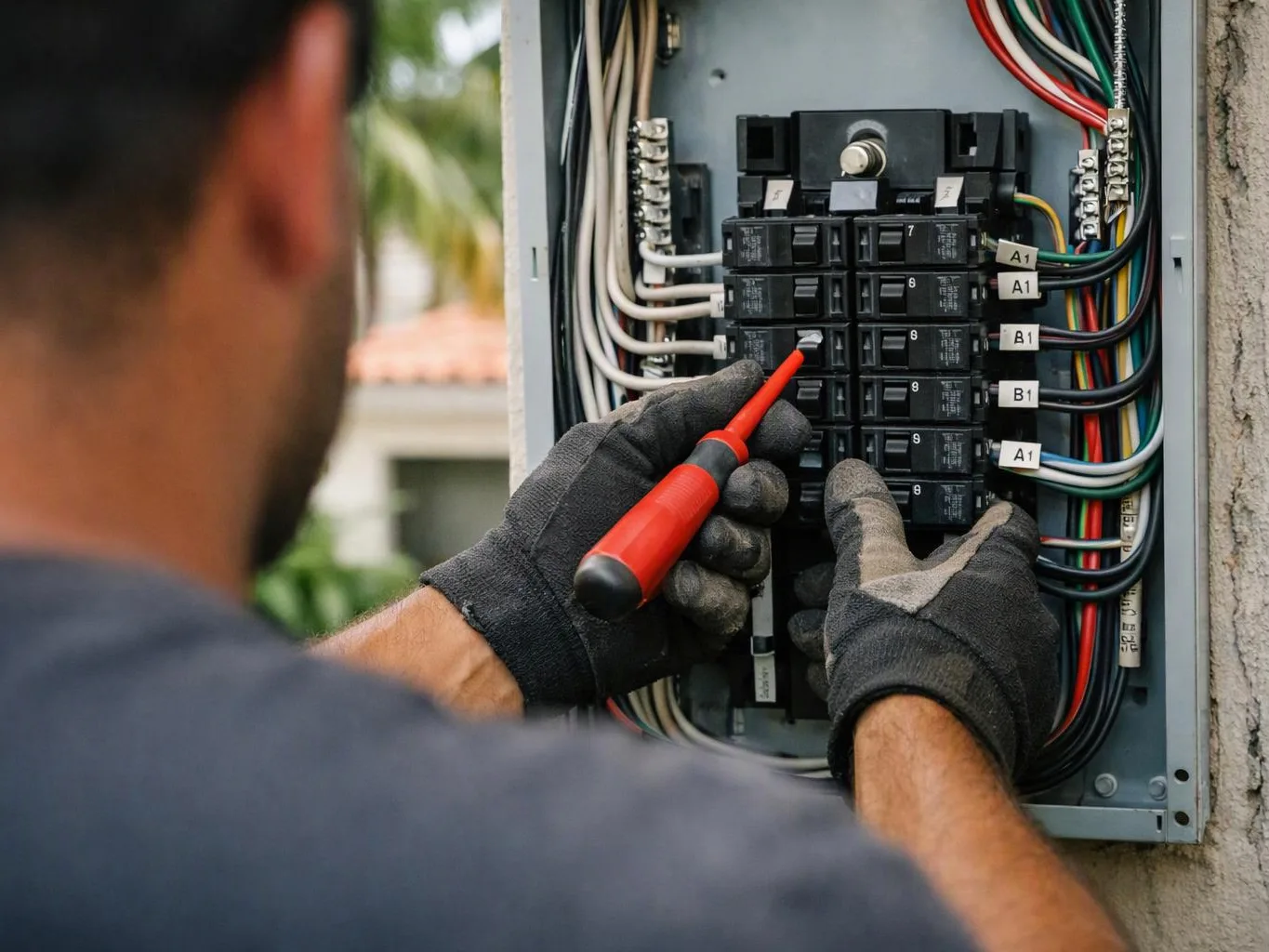
Electrical Panel Upgrade Mistakes: Common Sizing, Scope, and Safety Errors
Electrical panel upgrade mistakes usually involve incorrect load sizing, incomplete scope, incompatible breakers, overlooked wiring conditions, and unsafe installation steps; Earth Electric checks the existing system, defines the work, and verifies the completed upgrade.
Get a Free EstimateWhy Electrical Panel Upgrade Mistakes Happen
Electrical panel upgrade mistakes happen when the project is treated as a panel swap instead of a coordinated evaluation of load, wiring, protection, enclosure, and approval requirements.
An electrical load calculation shows how the connected electrical demand relates to service capacity. We review that relationship along with the National Electrical Code requirements that apply to the installation.
Our team also checks the panel enclosure, service equipment, conductors, breakers, grounding, and access conditions before we define the work.
The Most Common Electrical Panel Upgrade Mistakes
An electrical panel upgrade can affect more than the enclosure on the wall. The work may involve circuit breakers, service conductors, grounding, bonding, branch circuits, and the way the existing system is inspected.
We connect each project decision to the condition of the system. That approach helps us identify hidden work before installation begins and verify that the completed upgrade functions as intended.
Mistake 1: Choosing Panel Size Without a Load Calculation
Choosing panel size without a load calculation can leave the electrical system undersized or add capacity that the service and connected loads do not support.
This mistake happens when the panel rating is selected from the number of breaker spaces alone. The service rating and electrical demand determine whether the system can support the planned loads.
The project cost can change when the service capacity, panel capacity, or conductors need related work. We calculate the load and match the panel choice to the existing service and planned electrical use.
Mistake 2: Treating a Panel Replacement as the Entire Project
Treating a panel replacement as the entire project misses related service equipment, conductor, disconnect, and access conditions that can change the work.
The service entrance may include meter equipment, service conductors, and a disconnect that must coordinate with the new panel. Existing equipment may also limit the practical scope of a panelboard upgrade.
Additional service equipment or conductor work can change the project cost. We inspect the service entrance and explain which parts are included in the project scope.
Mistake 3: Installing Breakers That Do Not Match the Panel
Installing breakers that do not match the panel can compromise listing, fit, and overcurrent protection.
A circuit breaker must be approved for the specific panelboard and installed in the position allowed by its listing. An incorrect breaker can create poor connections or fail to provide the intended protection.
Breaker compatibility can change the materials and labor required for the upgrade. We confirm the panelboard compatibility and install circuit breakers that match the equipment requirements.
Mistake 4: Reusing Damaged or Incompatible Wiring
Reusing damaged or incompatible wiring can transfer old faults into the upgraded panel and create unsafe terminations.
Branch circuit wiring may have damaged insulation, limited conductor length, or terminations that no longer fit the new equipment. Service conductors also need suitable condition, size, and connection points.
Wiring repair or service conductor replacement can change the project cost. We inspect the wire insulation and conductor termination before reusing existing wiring.
Mistake 5: Missing Grounding, Bonding, and Neutral Separation Issues
Missing grounding, bonding, and neutral separation issues can leave fault current without the intended low-impedance path.
The grounding electrode system, equipment grounding conductor, neutral bar, and bonding jumper each serve a different purpose. Their arrangement depends on the location and role of the equipment.
Corrections to grounding and bonding can change the work required during the upgrade. We verify the neutral separation and bonding arrangement as part of the installation.
Mistake 6: Overlooking Dedicated Circuit Requirements
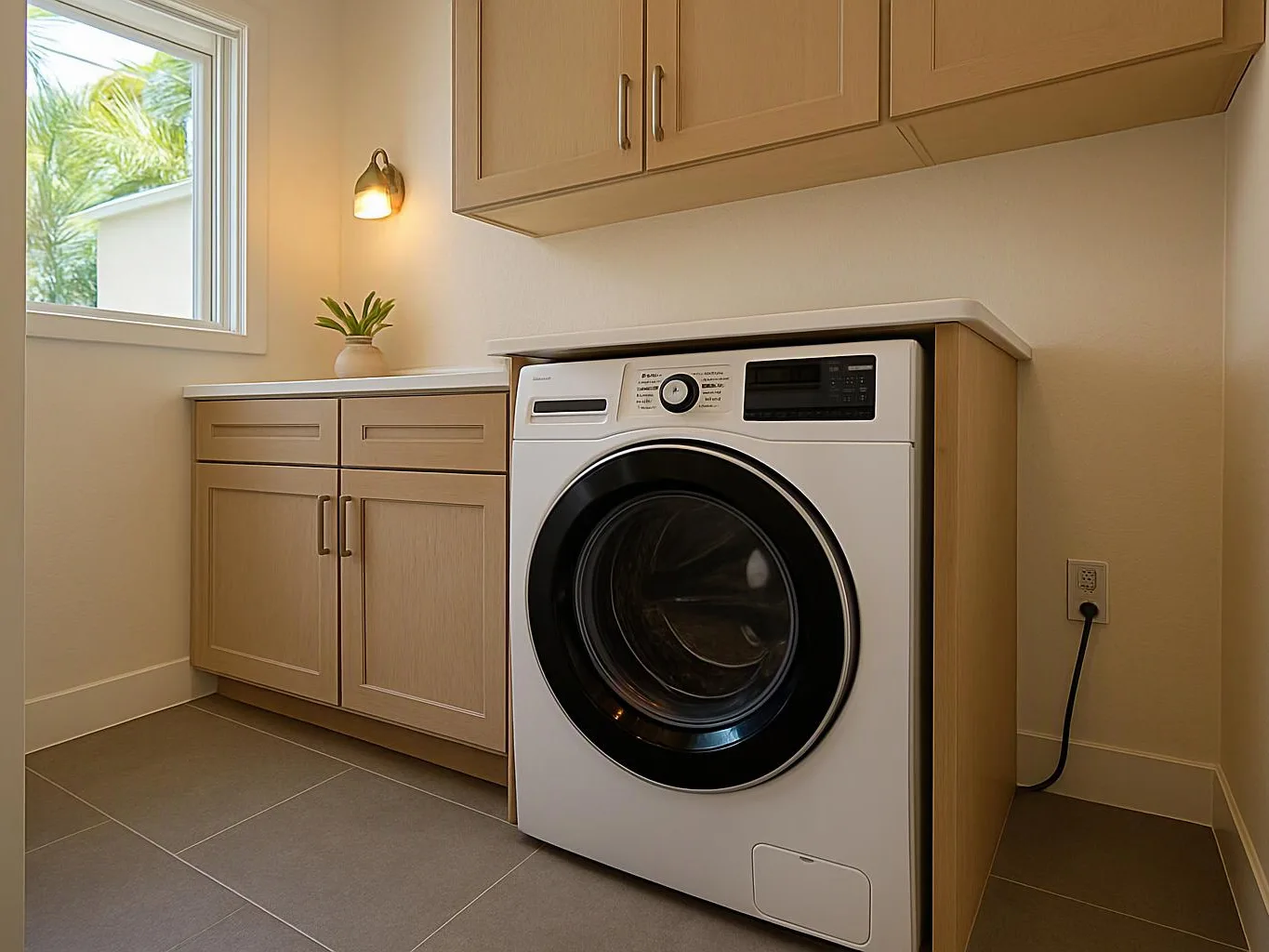
Overlooking dedicated circuit requirements can leave high-demand appliances sharing circuits that were not designed for their combined load.
A large appliance may need a dedicated circuit because its electrical demand can exceed what a shared branch circuit can safely support. Continuous loads also affect circuit selection and protection.
Dedicated circuit installation can change the project cost when new wiring, breakers, or access work is needed. We review the planned appliances and connect the branch circuit design to the panel upgrade.
Mistake 7: Ignoring Panel Location and Working Clearance
Ignoring panel location and working clearance can make the equipment difficult to operate, inspect, maintain, or protect from damaging conditions.
A panel location needs practical access and suitable space for safe operation. Moisture exposure, blocked access, and nearby obstructions can create problems even when the panel itself is new.
Relocation, access changes, or enclosure protection can change the project cost. We review the panel location and working clearance before selecting the installation plan.
Mistake 8: Skipping Circuit Identification and Panel Labeling
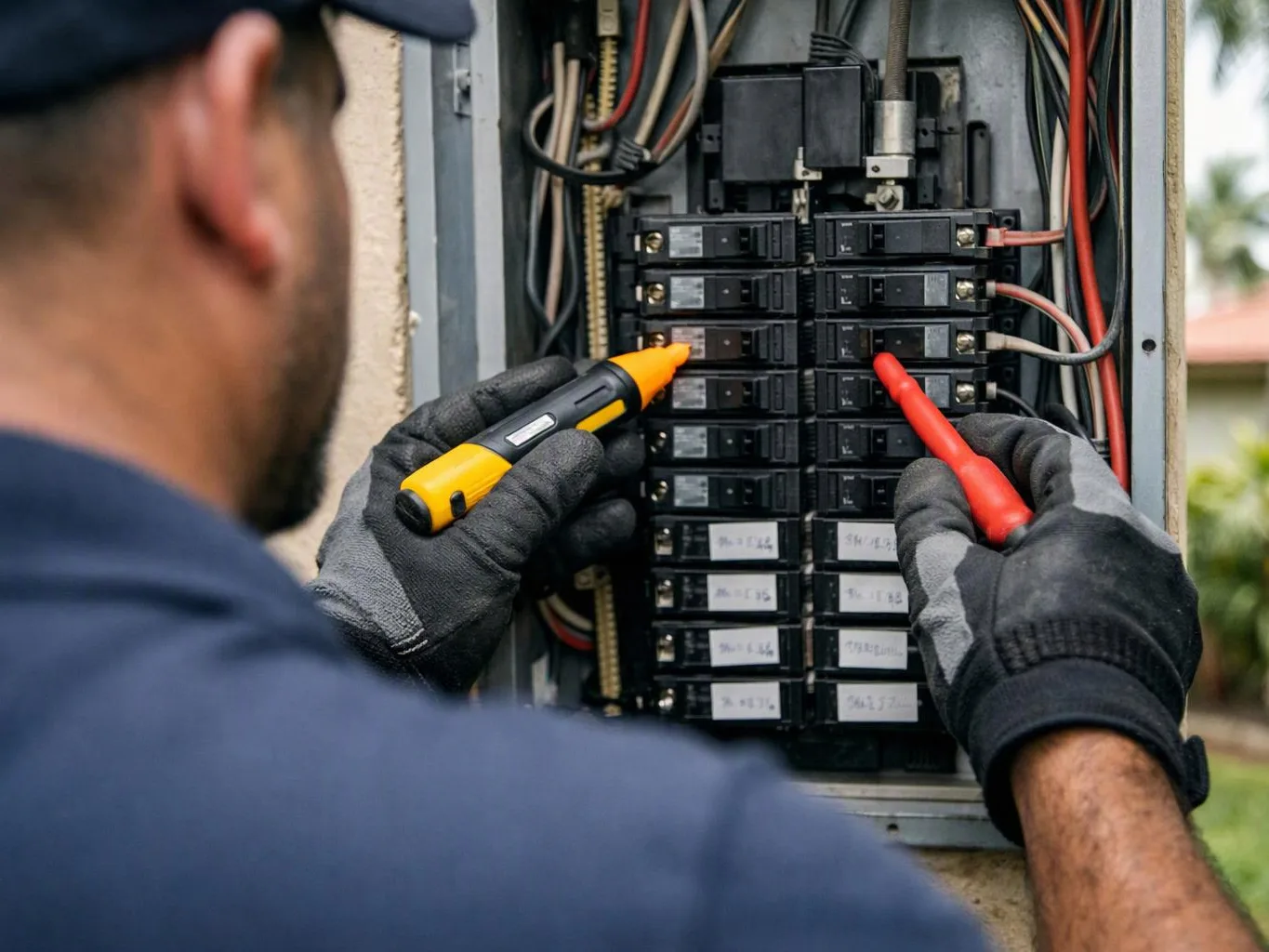
Skipping circuit identification and panel labeling makes future shutoffs, troubleshooting, and emergency response less reliable.
A circuit directory should identify the branch circuits served by each breaker. Guessing at circuit labeling can lead to the wrong circuit being turned off during repair or maintenance.
Tracing and labeling circuits can change the project scope when existing records are unclear. We identify the branch circuits and complete the circuit directory for the upgraded panel.
Mistake 9: Failing to Inspect and Test the Finished Upgrade
Failing to inspect and test the finished upgrade leaves installation defects undiscovered after the panel cover is installed.
Electrical inspection includes checking connections, equipment placement, and the completed scope. Voltage testing, breaker testing, and torque verification help confirm that the installation is assembled correctly.
Permit and inspection requirements can change the project scope and closeout steps. We complete electrical testing and address the required inspection process before treating the upgrade as finished.
What Each Mistake Can Change in the Project Cost
The project cost changes with the panel and service capacity, equipment compatibility, wiring condition, required circuit work, access, and inspection requirements; Earth Electric identifies those items before preparing a quote.
The table shows how each condition can affect the work. The exact scope depends on the existing system and the planned electrical loads.
| Project factor | What it can change | How we address it |
|---|---|---|
| Service capacity | The panelboard and related service equipment may need to coordinate with the available capacity. | We complete a load review and inspect the service equipment. |
| Panelboard and circuit breaker compatibility | The equipment selection may change when existing breakers do not match the new panel. | We select compatible equipment and suitable overcurrent protection. |
| Wiring condition | Damaged insulation or poor terminations may require wiring repair. | We inspect conductors before reconnecting them. |
| Dedicated circuit installation | New appliance loads may require added branch circuit work. | We review the appliance demand and panel space together. |
| Access and working clearance | Blocked or difficult access may affect the installation approach. | We evaluate the panel location before preparing the scope. |
| Permit and inspection requirements | Required approval steps may affect the project process. | We include applicable inspection steps in the project plan. |
How Earth Electric Prevents Panel Upgrade Errors
Earth Electric prevents panel upgrade errors by evaluating the existing system, defining the scope, selecting compatible equipment, completing the required work, and testing the result.
Our team explains the findings before work begins. We use the completed inspection and testing results to confirm that the finished upgrade matches the approved scope.
When to Call Earth Electric Instead of Doing the Work Yourself
Call Earth Electric when the work involves energized equipment, service conductors, repeated breaker trips, damaged wiring, or a new circuit that requires panel changes.
Panel work can expose you to shock and arc hazards. The situations below are signs that the project needs our crew to evaluate the system and define safe next steps.
What to Confirm Before Approving a Panel Upgrade
Before approving a panel upgrade, confirm that the scope covers load evaluation, equipment compatibility, wiring conditions, circuit identification, testing, and applicable inspection steps.
The quote should explain whether the work includes the panelboard, circuit breakers, service conductors, disconnect, grounding and bonding corrections, or dedicated circuit installation.
Ask how the completed circuit directory will be prepared and how electrical testing will be handled. We use those details to keep the project scope clear from the first inspection through final verification.
How to Request a Clear Panel Upgrade Quote
Earth Electric prepares a quote from the existing panel condition, service capacity, required materials, related circuit work, access, and inspection needs; Free Estimates Available.
Share the reason for the upgrade, the electrical loads you plan to add, and any breaker or wiring problems you have noticed. We inspect the system, explain the project scope, and identify the work needed to complete the upgrade safely.
For an Electrical Panel Upgrade, contact our team so we can review the existing system and prepare a clear panel upgrade quote.
Questions About Electrical Panel Upgrade Mistakes
Can a larger electrical panel be installed without upgrading the electrical service?
Yes, a larger electrical panel can be installed without upgrading the electrical service when the load calculation, service capacity, conductors, and related equipment support the planned installation. Earth Electric checks those conditions before selecting the panel.
What should be included in an electrical panel upgrade quote?
An electrical panel upgrade quote should explain the load evaluation, panelboard and breaker selection, wiring condition, service equipment, circuit identification, testing, and applicable inspection steps. The quote should also identify related dedicated circuit or grounding work that affects the scope.
Why do circuit breakers trip after a panel upgrade?
Circuit breakers can trip after a panel upgrade because of an overloaded branch circuit, a wiring fault, an appliance problem, or a breaker compatibility issue. We test the affected circuit and inspect its wiring before deciding on the correction.
Should old wiring be replaced during an electrical panel upgrade?
Old wiring should be replaced during an electrical panel upgrade when its insulation, conductor condition, termination, or compatibility creates a safety or installation problem. We inspect the wiring and explain which conductors can be reused.
Can a panel upgrade solve the need for a dedicated appliance circuit?
No, a panel upgrade alone does not always solve the need for a dedicated appliance circuit. We review the appliance load, available panel capacity, branch circuit wiring, and overcurrent protection to determine whether dedicated circuit installation is required.