
What is a Watt?
Watt is the SI unit of power, measuring how quickly electrical energy is transferred or used. One watt equals one joule per second. Electrical devices show watt ratings to describe power demand, such as a 10-watt LED lamp or a 1,500-watt space heater. Higher wattage usually means greater power use.
Quick Facts About Watt
Category
SI unit of power
Formula
Power equals voltage multiplied by current
Measured by
Wattmeter or electrical test instrument
Used for
Rating electrical loads and power sources
Common confusion
Watts measure power, while watt-hours measure energy
Also called
W, Wattage
Key Takeaways About Watt
- A watt measures electrical power, not the total energy consumed over time.
- One watt equals one joule of energy transferred each second.
- Voltage multiplied by current gives watts in a basic direct-current circuit.
- A device with a higher watt rating usually places a larger load on its circuit.
- Watt ratings help electricians size conductors, breakers, panels, and power sources.
Understanding Watt
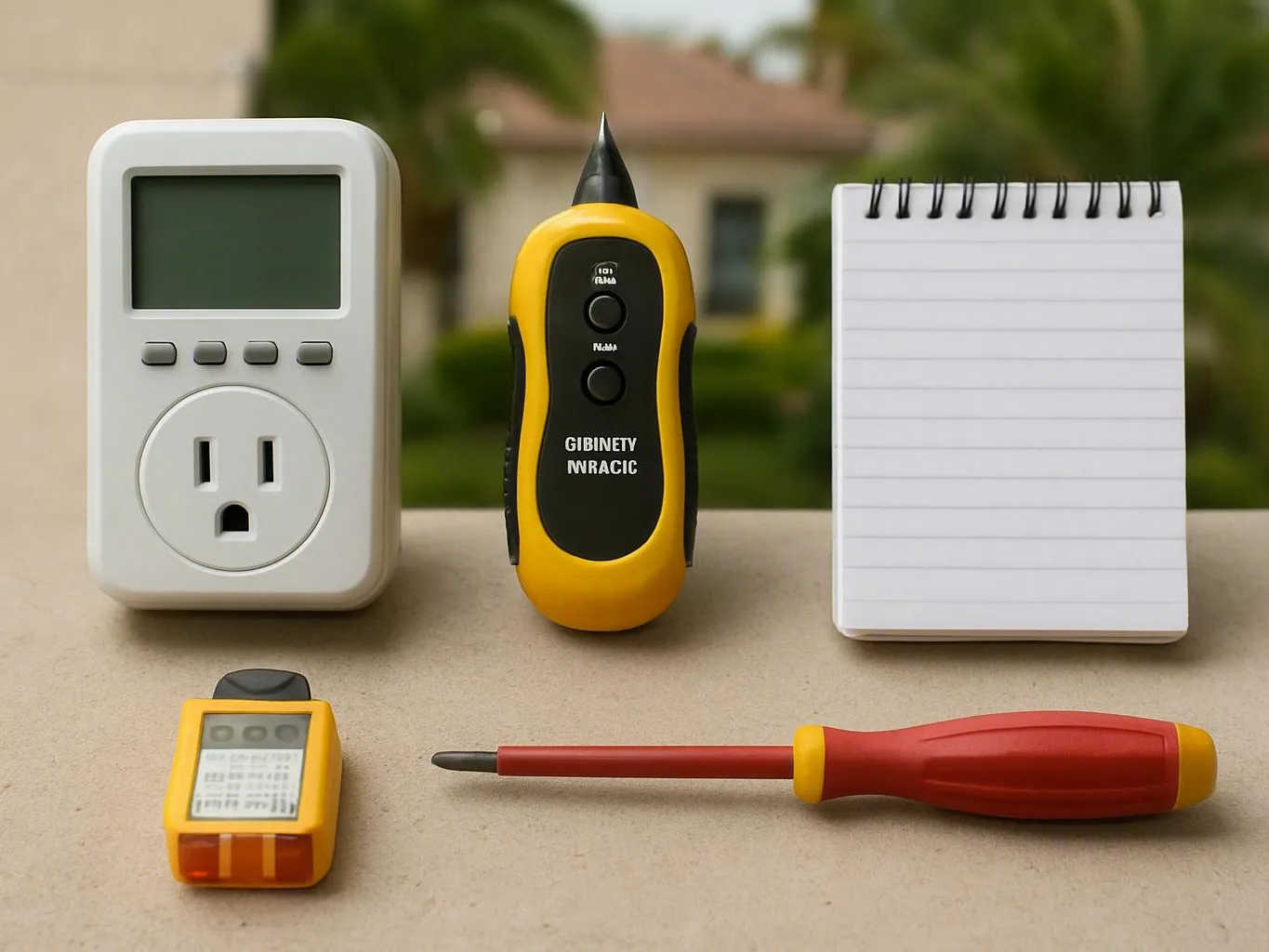
Watt is the standard International System of Units, or SI, unit for measuring power. Power describes the rate of energy transfer. One watt equals one joule transferred in one second. The unit honors James Watt. He was an eighteenth-century Scottish engineer. His work helped advance steam engine development.
Related glossary terms: Load Calculation, Ohm, Ohm's Law.
In electrical work, a watt tells you how much power a device needs or supplies. This applies at a specific moment. A 9-watt LED lamp generally needs less power than a 60-watt incandescent lamp. Both lamps produce a similar amount of light. A nameplate may show watts directly. It may list voltage and amperes instead. You can use these values to calculate the power rating.
How Watt Works, Is Measured, or Is Used?
In a basic direct-current circuit, power equals voltage multiplied by current. The formula is P = V × I. P is measured in watts. V is measured in volts. I is measured in amperes. For example, a 120-volt load drawing 5 amperes uses 600 watts. Alternating-current equipment may need a power-factor calculation. Voltage and current don't always work in step.
An electrician can measure power with a wattmeter, power analyzer, or suitable multimeter. The meter calculates watts from measured voltage and current. Equipment labels provide a rated value. Actual demand can change during startup or operation. A motor, air conditioner, or refrigerator may draw higher inrush current. This lasts for a short period before normal operation begins.
Watt ratings help determine whether a branch circuit, conductor, breaker, generator, or inverter can support equipment. Several appliances on one circuit add to the circuit load. A 1,500-watt heater and a 1,200-watt microwave could demand about 2,700 watts together. This total excludes other loads. The circuit design must also account for voltage and operating conditions. It must meet applicable electrical requirements.
Why Watt Matters?
Wattage affects equipment operation, energy use, and electrical safety. A load that exceeds a circuit's intended capacity can cause breaker trips. It can also cause voltage drops and overheated connections. It may damage equipment. A breaker protects the wiring from excessive current. It doesn't make an incorrectly sized circuit safe.
Watt ratings also support energy decisions. A 100-watt device operating for 10 hours uses 1,000 watt-hours. That equals 1 kilowatt-hour of energy. Utility bills generally track kilowatt-hours rather than watts. This distinction helps you separate instant power demand from energy use. Energy use happens over a longer period.
When Watt Matters Most?
Wattage becomes especially important during load calculations, panel upgrades, generator sizing, and new circuit installation. An electrician reviews connected loads and expected demand. The electrician then selects overcurrent protection or a power source. The calculation may include motors, heating equipment, lighting, and receptacles. It may also include equipment that operates continuously.
Watt ratings also matter during emergency troubleshooting. Repeated breaker trips, dimming lights, warm receptacles, or a burning smell can show a problem. The problem may involve an overloaded circuit or a loose connection. In Miami, high-demand air-conditioning equipment can stress wiring. Pumps, generators, and storm-related temporary power setups can also stress wiring. Stop using equipment that shows heat or damage. Keep the affected circuit off until someone checks the hazard.
How to Evaluate Watt?
- Compare the device watt rating with the circuit voltage and breaker rating.
- Add the watt ratings of equipment that may operate at the same time.
- Check whether motors or compressors have a higher startup current than running demand.
- Look for voltage drop, warm receptacles, flickering lights, or repeated breaker trips.
- Confirm that generator or inverter capacity covers both running and startup loads.
Related Concepts Compared
Watt vs. Watt-hour
A watt measures the rate of power use at a moment. A watt-hour measures the total energy used over time, such as 1,000 watts operating for one hour.
Watt vs. Volt
A volt measures electrical potential difference, which is the force that pushes current. A watt measures the resulting rate of energy transfer.
Watt vs. Ampere
An ampere measures the amount of electrical current flowing through a circuit. Watts combine current with voltage to express power.
Watt vs. Ohm
An ohm measures electrical resistance, which opposes current flow. Resistance, voltage, and current affect the wattage produced or consumed by a load.
Expert Note
Nameplate wattage may not show a motor's full electrical demand. Compressors, pumps, and air-conditioning equipment can draw a brief startup surge that affects breaker selection, generator sizing, and voltage stability.
Common Mistakes or Myths About Watt
- Treating watts and watt-hours as interchangeable measurements.
- Adding device watt ratings without checking startup current from motors or compressors.
- Assuming a larger breaker solves an overloaded circuit.
- Ignoring heat, flickering, or repeated trips because the equipment still operates.
Watt in Practice: A Real-World Example
A 120-volt space heater rated at 1,500 watts draws about 12.5 amperes under normal conditions. Running two such heaters on one 15-ampere circuit can overload the circuit and trip its breaker.
Sources & Further Reading on Watt
- National Institute of Standards and Technology, SI Units
- BIPM, The International System of Units
Related Services
Related Terms
Load Calculation
Load Calculation is a systematic estimate of the electrical demand a property or circuThat'll place on…
Ohm
Ohm is the SI unit of electrical resistance. One ohm describes a circuit or component that…
Ohm's Law
Ohm's Law is the relationship between voltage, current, and electrical resistance in a circuit. The law…
Voltage Drop
Voltage Drop is the reduction in electrical potential that occurs as current travels through a wire…
Earth Electric Florida
Have Questions About Watt?
Contact Earth Electric Florida for practical guidance on Watt and related emergency electrician work in Miami.