What areas are inspected during whole house rewiring?
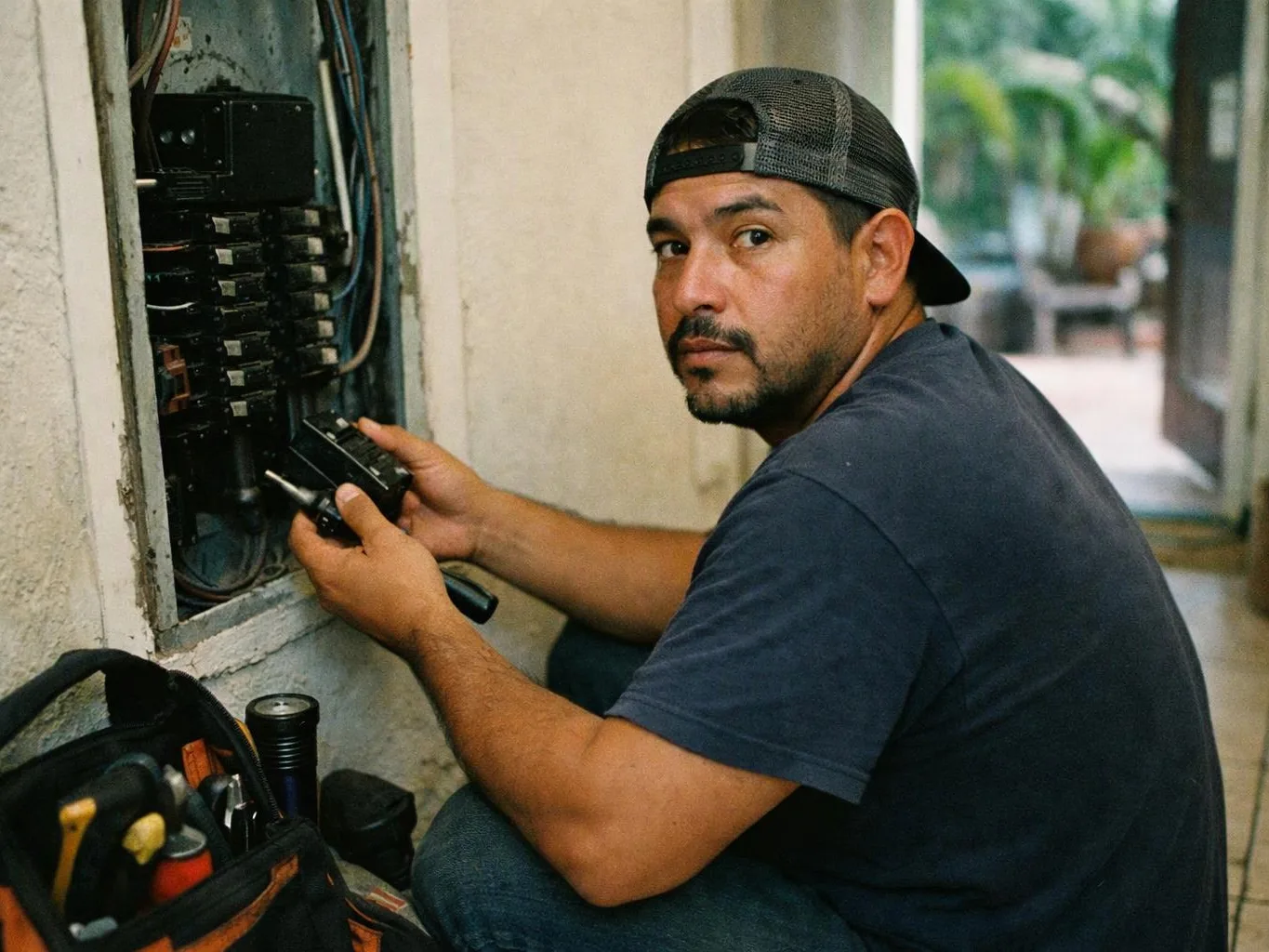
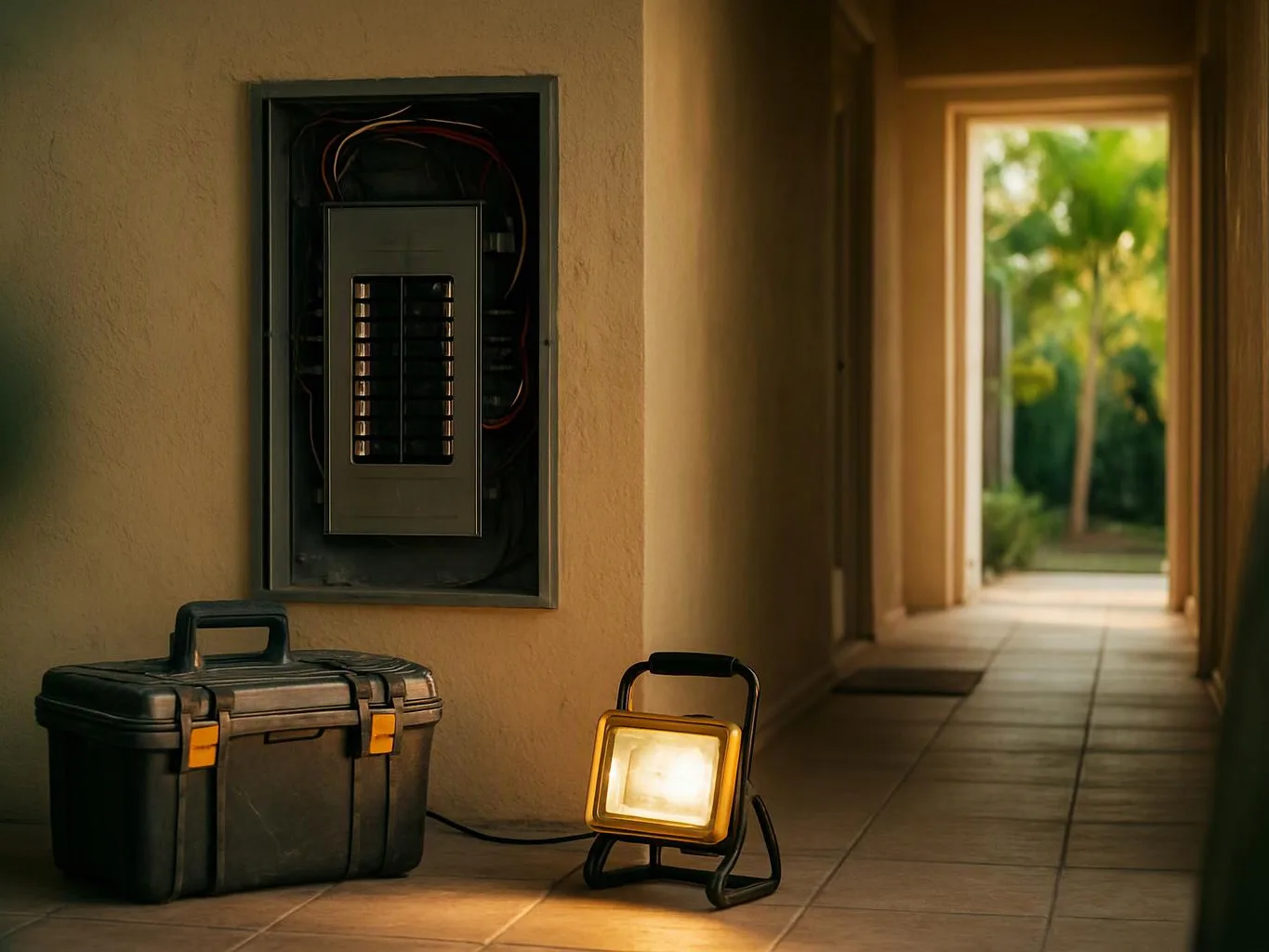
Wall cavities are inspected for cable routes, connections, and signs of damage. Earth Electric also checks attic wiring, crawl spaces, outlets, switches, circuits, grounding, and the service panel. Access affects how the replacement work is planned. We document the areas that need repair, replacement, or further review before setting the scope.
How is whole house rewiring matched to the property before work starts?
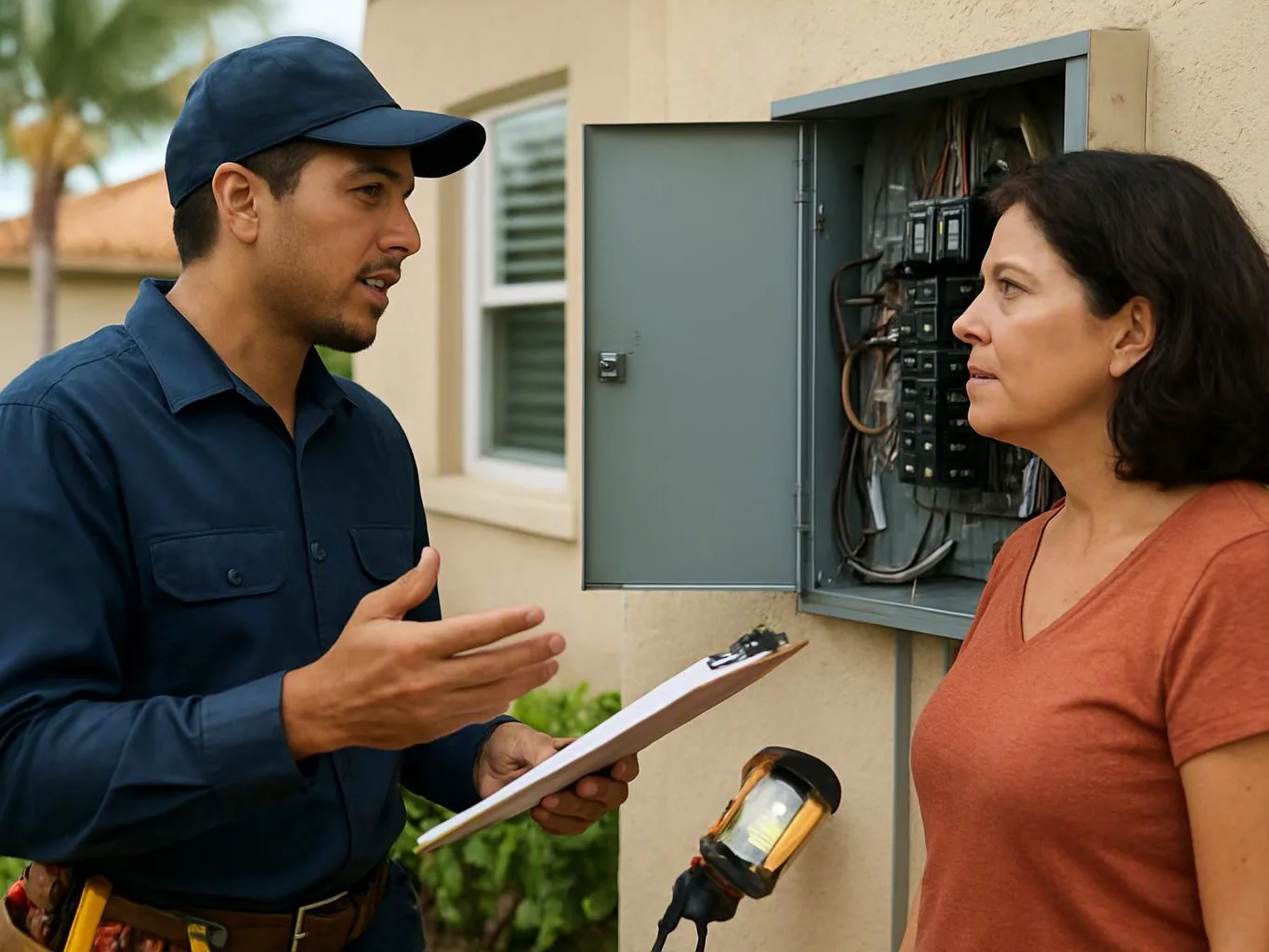
The property layout and existing circuit map determine the rewiring plan. We review room connections, panel capacity, cable access, outlets, switches, and major loads. Customers should share known symptoms and planned upgrades, such as lighting or EV charging. That information helps us separate current repairs from future circuit needs.
What should be ready before whole house rewiring starts?
Property access, known electrical symptoms, and a list of planned upgrades should be ready before work starts. Customers should identify areas with dead outlets, flickering lights, warm switches, or repeated trips. Photos of the panel and affected rooms can help with initial scheduling, but an assessment still sets the final scope.
Which part of the job changes the rewiring estimate?
Access to existing wiring is a major estimate factor. Wall openings, attic routes, crawl spaces, panel connections, grounding work, and circuit additions all affect the scope. We review these conditions before providing a free estimate. Customers receive an explanation of the work included, not a price based on the service name alone.
When is a panel upgrade part of a rewiring project?
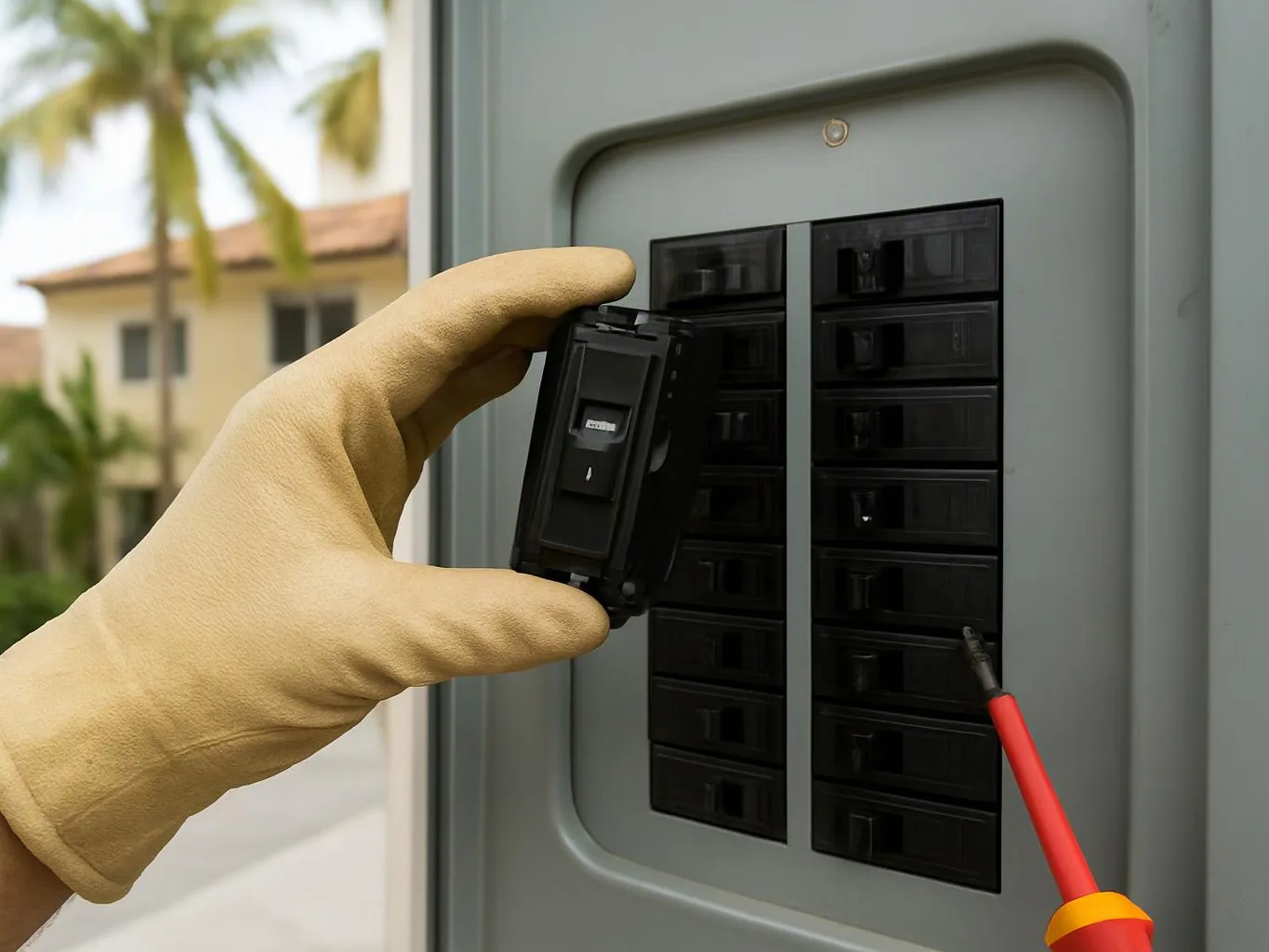
A panel upgrade is considered when the existing service cannot support the planned circuits or shows connection and capacity concerns. We review the panel, circuit load, grounding, and requested equipment. A panel upgrade is not automatic for every rewiring job. Our team explains whether panel work belongs in the project.
Why do repeated breaker trips need more than a reset?
Repeated breaker trips can signal an overloaded circuit, damaged wiring, or a fault that needs diagnosis. We trace the circuit and inspect connected outlets, switches, loads, and panel connections. Customers should stop using a circuit that shows burning smells, buzzing, heat, or sparking and request urgent electrical help.