How can pool electrical equipment be made safer?
GFCI protection, grounding, and bonding checks make pool electrical equipment safer when we correct faults and verify the circuit. Earth Electric inspects the protection device, wiring, disconnect, and connected equipment. We then test the repaired circuit and explain any remaining equipment issue. Keep the pool equipment off if you notice repeated trips, sparks, heat, or a burning smell.
What does the crew look at first during pool electrical repair?
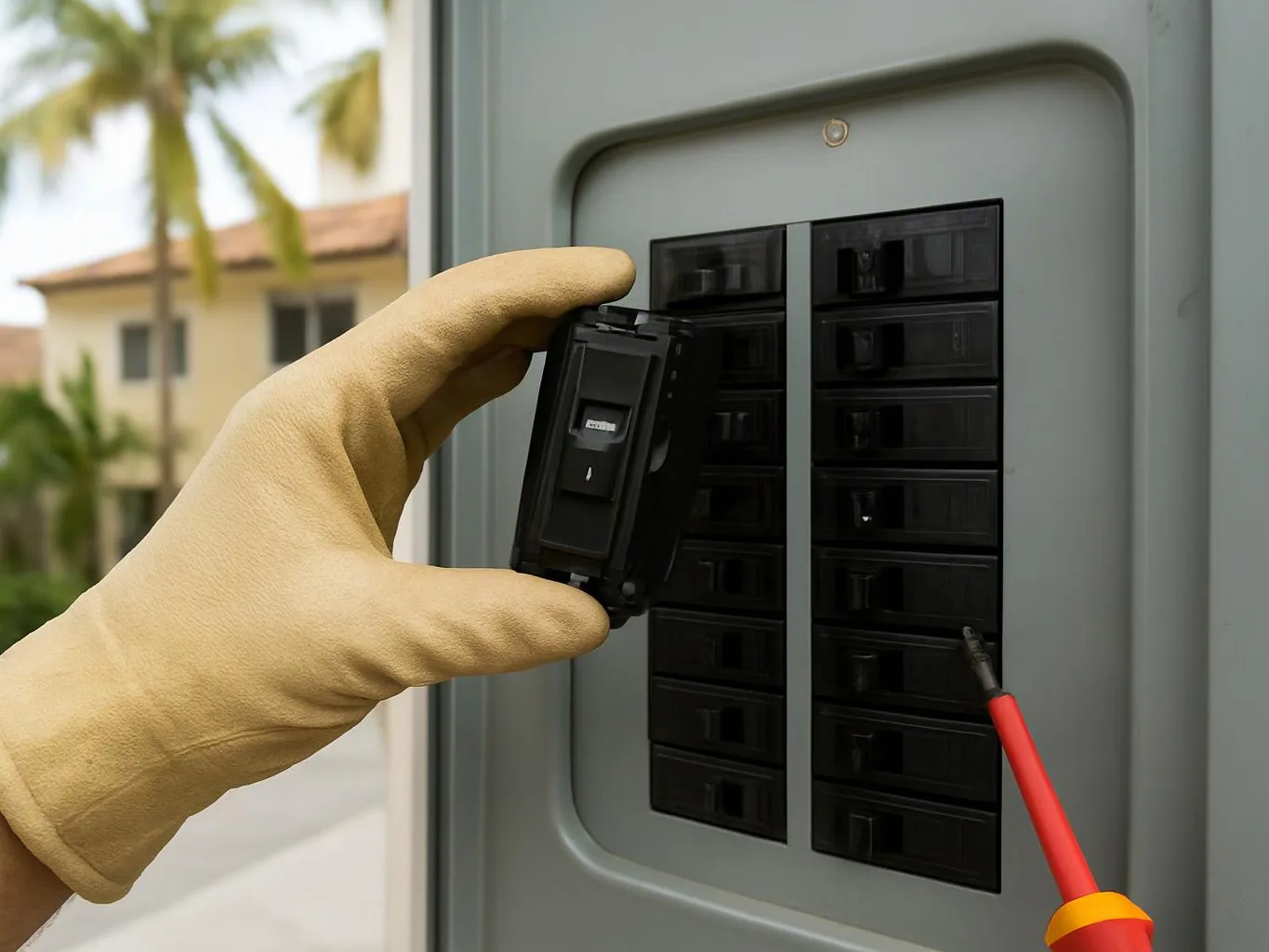
The first check covers the affected equipment, its disconnect, and the circuit protection device. We identify what trips or loses power, then isolate the circuit before opening connections. Circuit tracing helps us separate a wiring fault from a problem inside the pump, light, or control.
What should be checked before pool electrical repair is scheduled?
The equipment symptom, access point, and recent electrical changes should be checked before scheduling. Note which device loses power and whether other pool equipment remains active. Photos of the panel, disconnect, and equipment label can help us understand the work area, but don't handle wet or damaged electrical parts.
Who is a good fit for pool electrical repair, and who needs a different service?
Homeowners, businesses, and property managers with pool wiring, protection, grounding, bonding, or equipment power issues are good fits. Earth Electric handles the electrical scope. Mechanical pump failures, plumbing leaks, and structural pool damage need a different trade after the electrical safety issue is addressed.
Which pool parts can create an electrical fault?
Pumps, lights, controls, disconnects, wiring, and protection devices can all contribute to an electrical fault. We test the circuit and inspect each connected part before choosing a repair. A tripping circuit does not identify the failed part by itself, so repeated resets should stop until the cause is checked.
When should pool equipment be taken out of service?
Pool equipment should be taken out of service when it sparks, smells hot, trips repeatedly, or shows damaged wiring. Turn off the affected circuit if you can do so safely, and keep people away from wet electrical parts. We then isolate the fault and check the equipment before discussing repair.
Why does the repair scope change after circuit tracing?
Circuit tracing can show that the visible symptom comes from wiring, a connection, protection, or connected equipment. The repair scope changes when testing finds a hidden fault beyond the first symptom. We explain the finding before adding work, so you can decide whether the affected part should be repaired or replaced.