What electrical hazards require immediate repair?
Burning odors, sparking outlets, exposed wiring, and electrical shocks require immediate electrical attention. Earth Electric checks the affected circuit, device, wiring, and panel before repairing the fault. Turn off power only when it is safe, avoid damaged parts, and keep people away from the area until the hazard is assessed.
How is emergency electrical repair matched to the property before work starts?
Property type, electrical layout, panel condition, and access determine the repair approach. We ask about the symptom and affected area, then inspect the circuit and connected equipment. Homes, businesses, and managed properties may need different access planning. The repair scope stays focused on the active fault before larger upgrades are discussed.
Which condition on the property changes the time for electrical repair?
The fault location and the condition of the wiring most affect the work time. Damaged insulation, hidden connections, limited panel access, or a failed circuit can require more tracing. We inspect those conditions before explaining the work scope. We do not promise a duration until the affected electrical path is checked.
What should I ask before agreeing to emergency electrical repair?
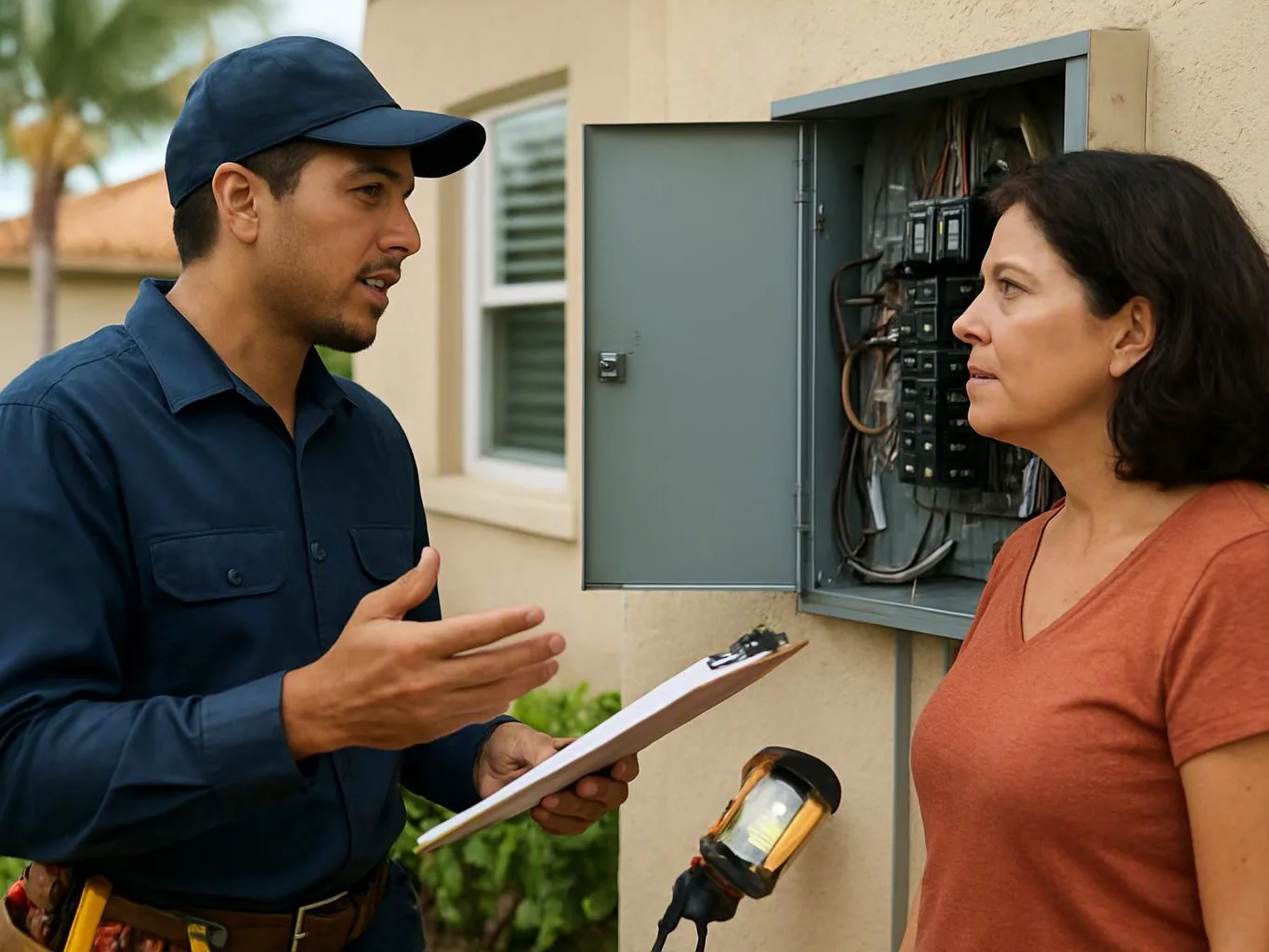
Ask which circuit or part failed, what repair is needed, and whether follow-up work remains. Earth Electric explains the diagnosis, repair scope, estimate, and written workmanship warranty. You should also ask whether the issue involves a panel replacement, new circuit, wiring upgrade, or inspection beyond the immediate fault.
Which emergency electrical problems can you repair?
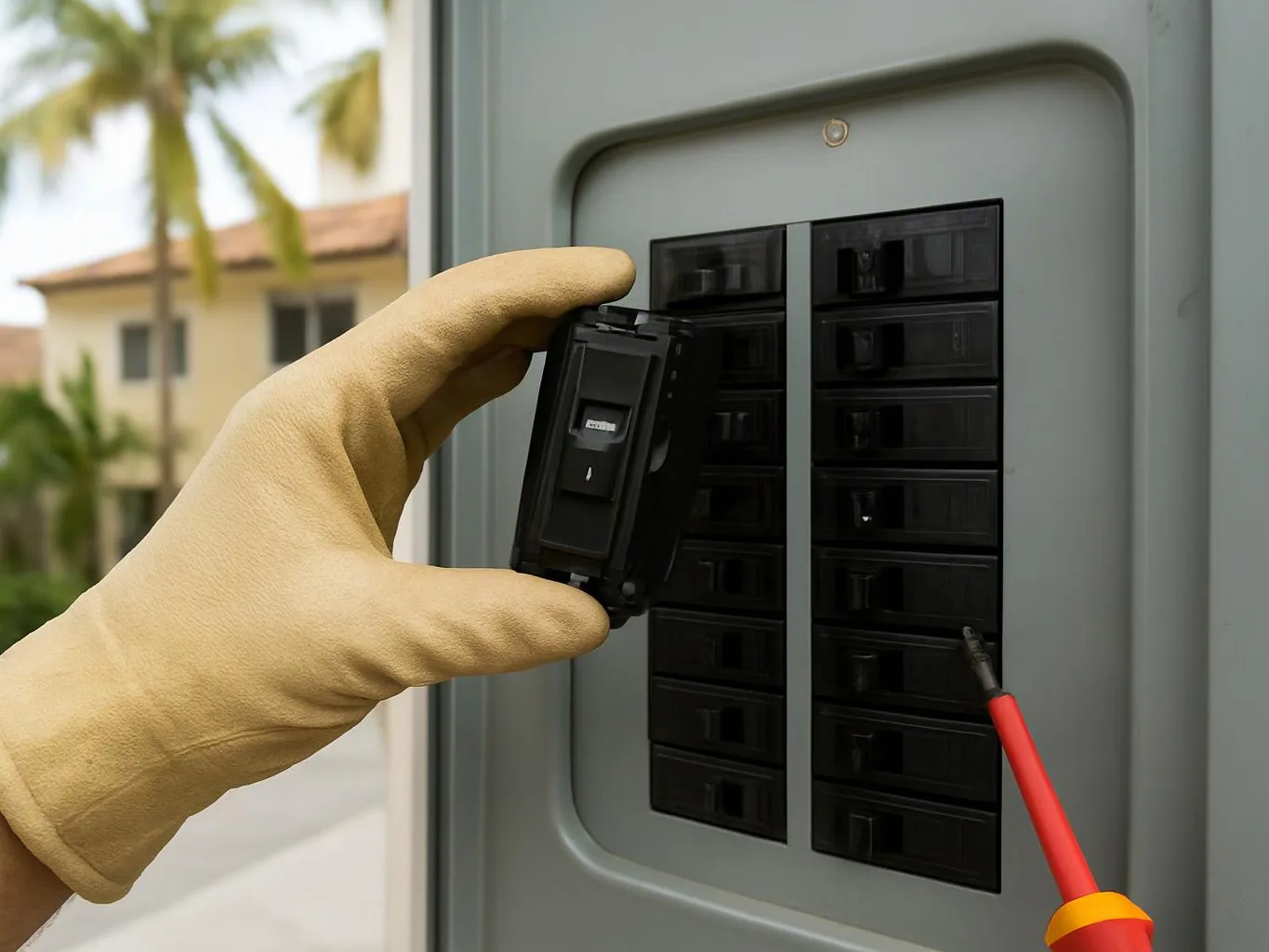
We repair urgent faults involving breakers, outlets, wiring, panels, lighting, and electrical connections. The work may include circuit tracing, damaged receptacle repair, wiring repair, or panel replacement when the condition fits the service. A planned upgrade or new installation receives a separate scope after the immediate safety concern is addressed.
Why does a breaker keep tripping after it is reset?
A repeatedly tripping breaker can point to overload, a short circuit, damaged wiring, or a failing device. We inspect the circuit, connected loads, breaker, panel, and wiring to find the cause. Do not keep resetting the breaker when it trips again. Continued resets can leave an active fault connected to power.
How should I prepare before urgent electrical service?
Safe access to the affected area helps us inspect the fault. Share the symptom, the room or equipment involved, recent electrical changes, and any visible damage. Keep people away from sparks, heat, smoke, or exposed wiring. Do not remove outlet covers or open the panel unless you can do so safely.