How are urgent electrical repairs made safe?
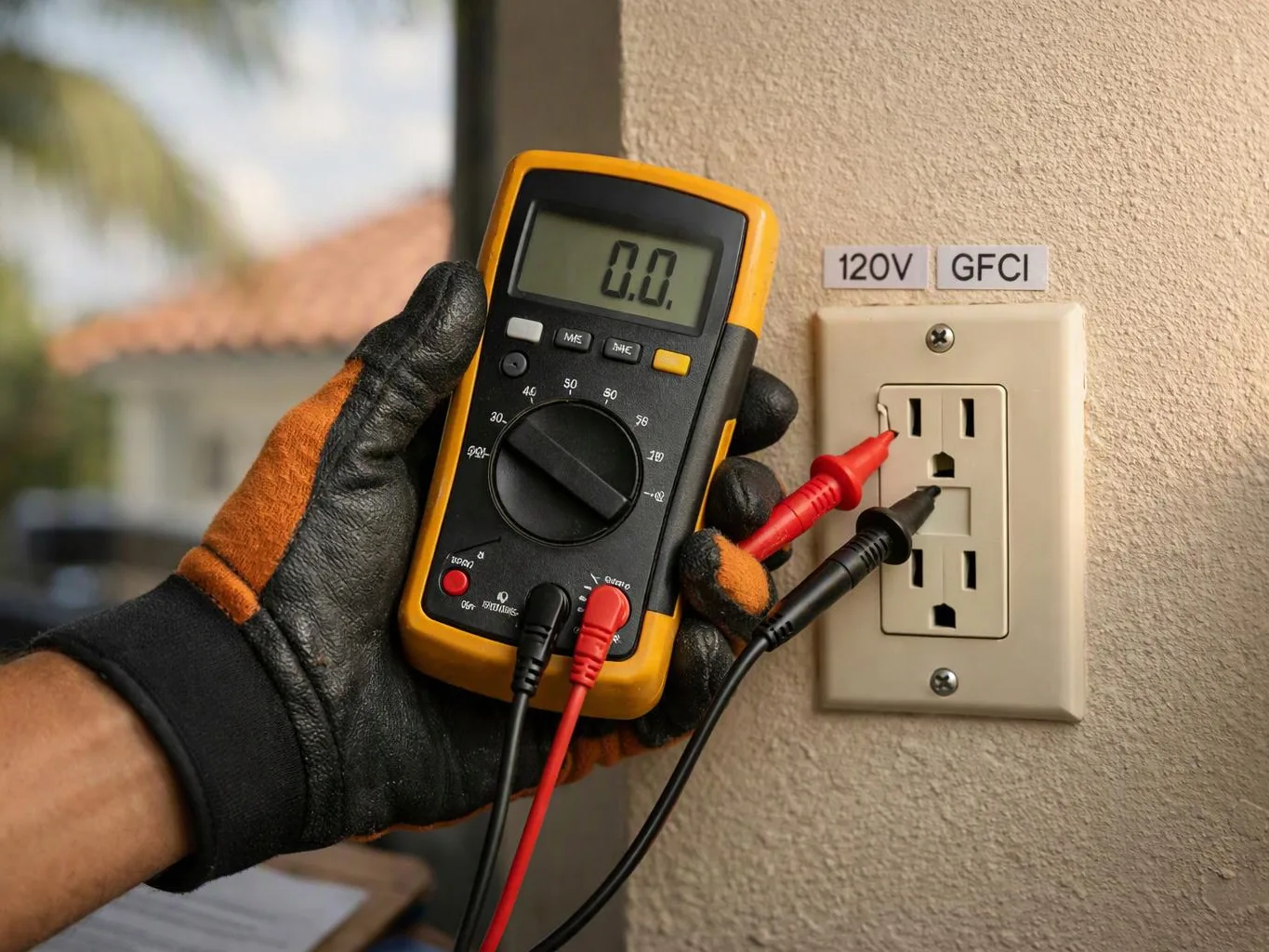
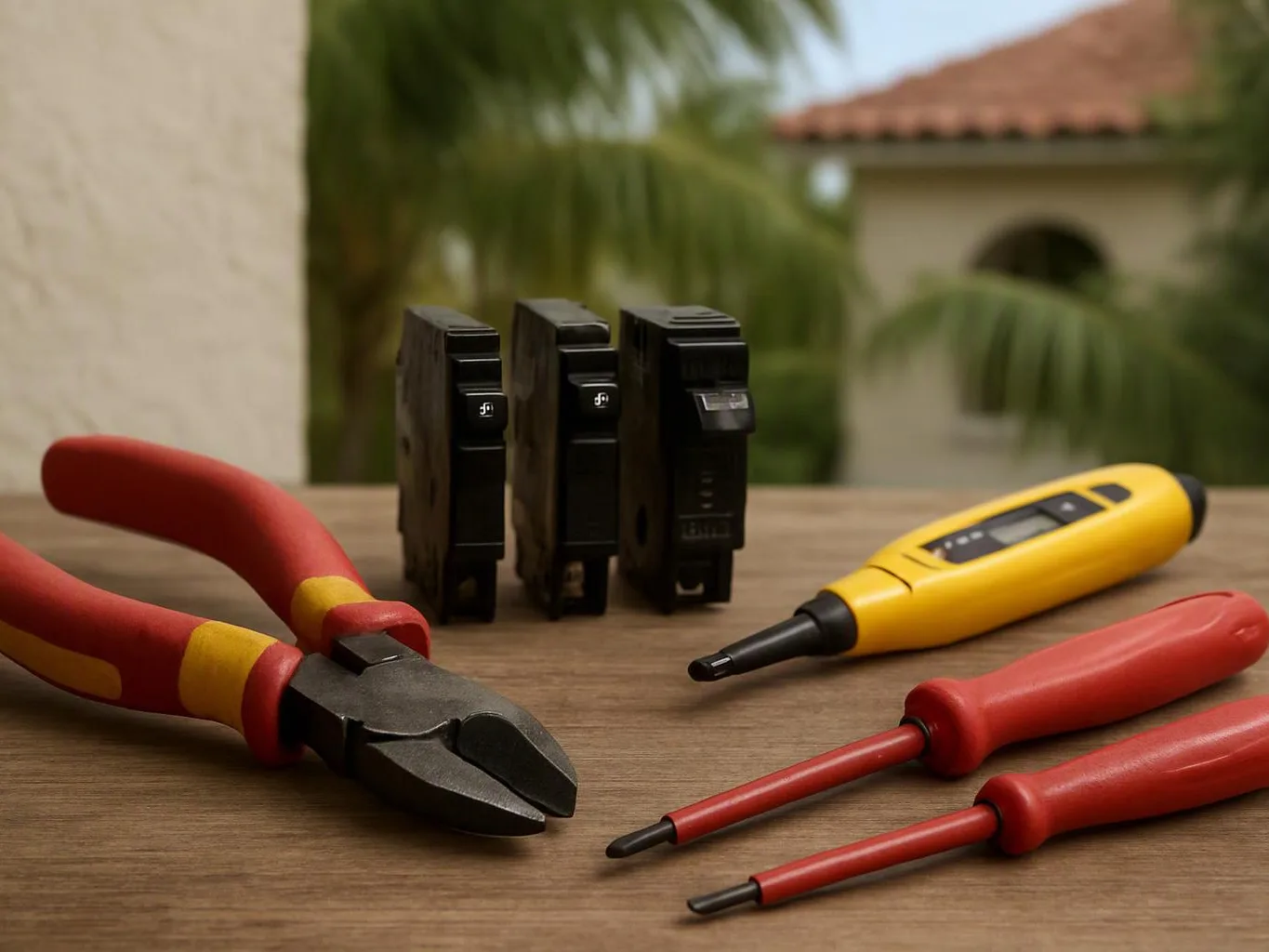
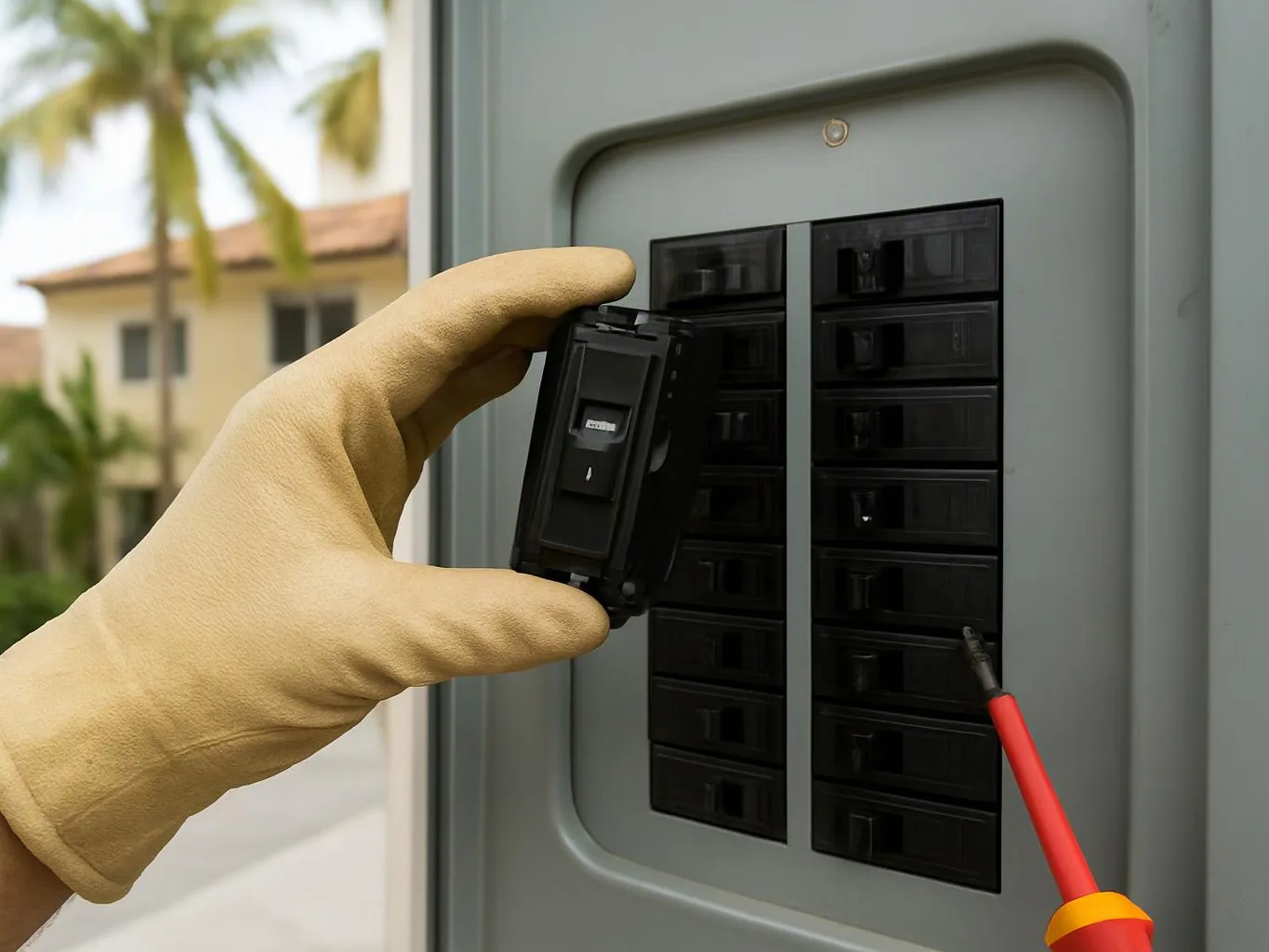
Insulated tools support safe handling, but power shutoff and voltage testing control the main risk. We isolate the affected circuit, test for remaining voltage, and inspect the fault before repair. Arc protection also matters when a damaged connection could spark. We then test the repaired circuit before explaining its status.
What should I do before requesting emergency electrical help?
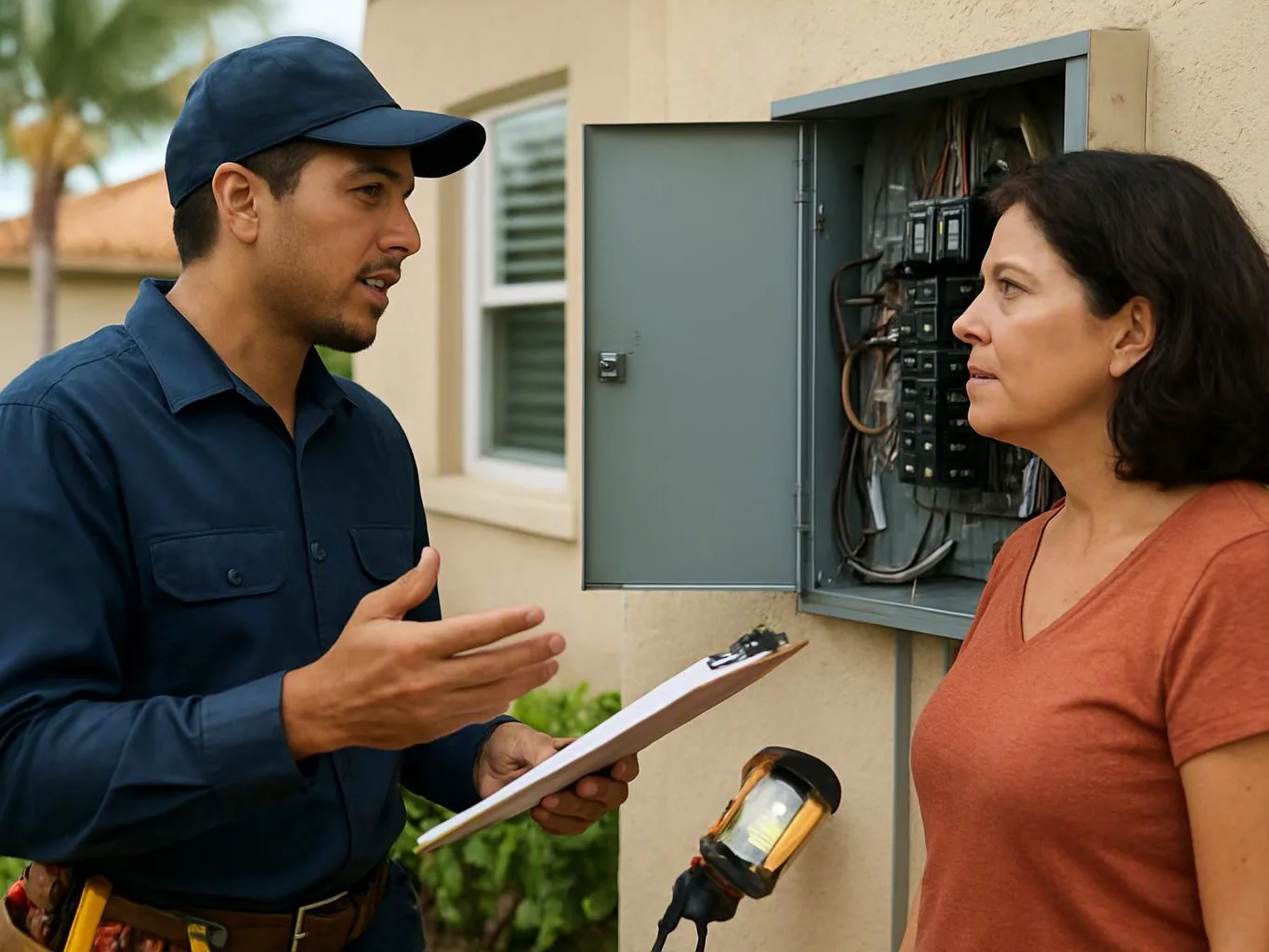
The safest first step is to keep away from sparks, smoke, heat, and damaged electrical parts. Turn off the affected breaker only if you can do so safely. Share the property type, affected room, warning signs, and panel photos when available. Do not remove an outlet cover or open the panel.
Which part of the property decides the repair scope?
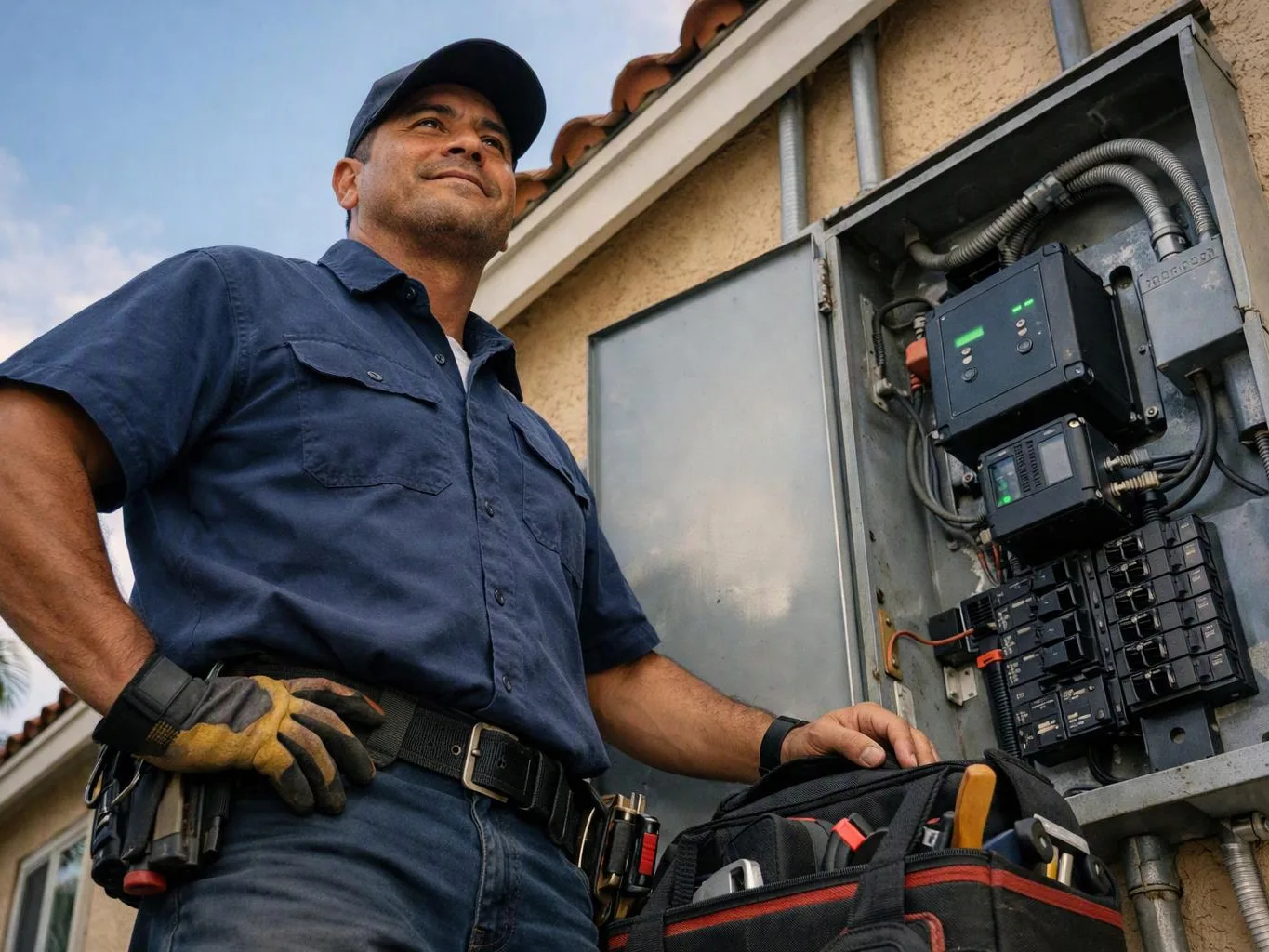
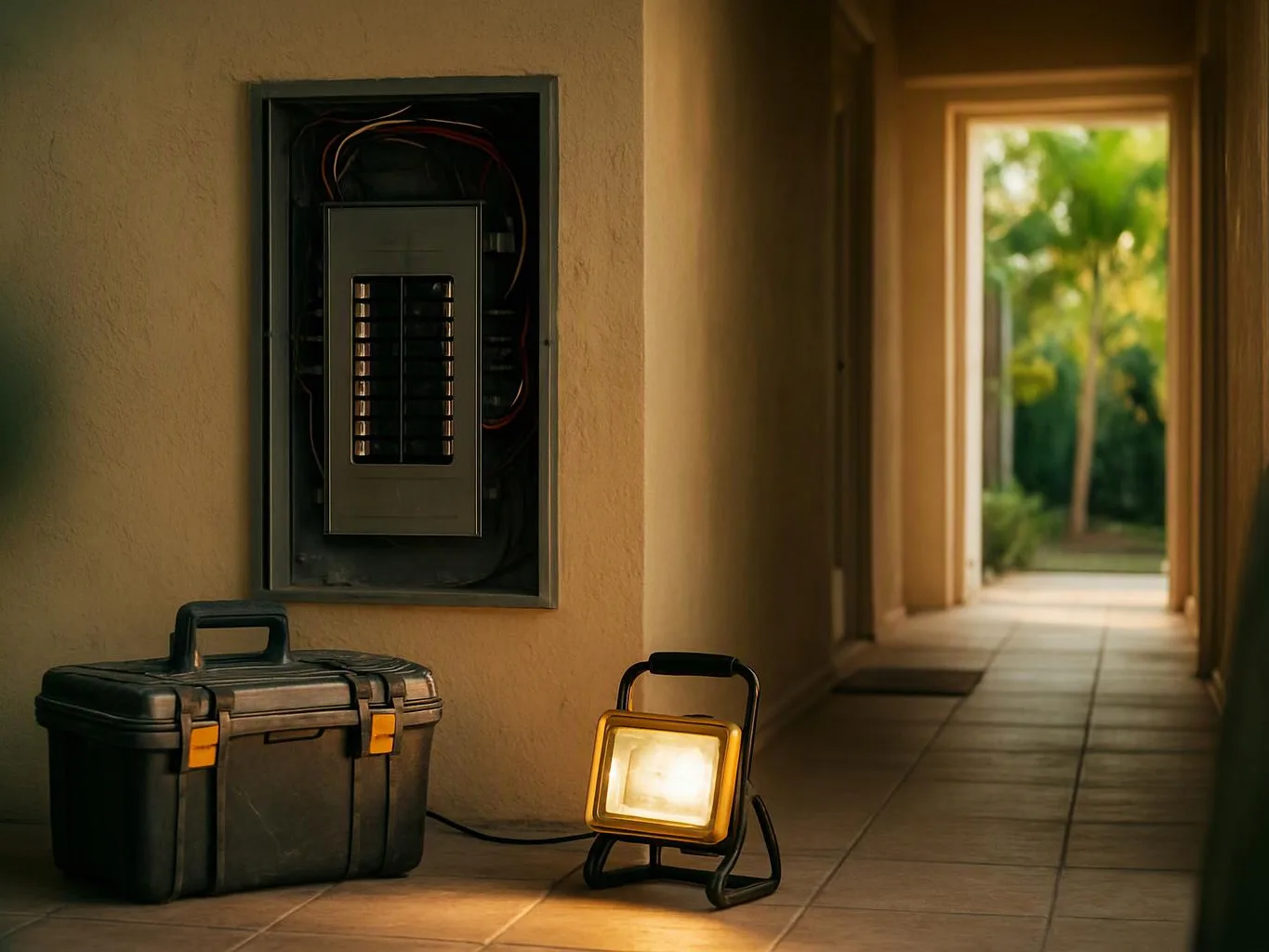
The affected circuit, panel, wiring path, outlet, or connected equipment decides the repair scope. We trace the fault from the symptom to the source and test each relevant point. A failed outlet may need focused work, while damaged wiring or a panel fault can require broader electrical repair.
When does a tripped breaker need emergency electrical repair?
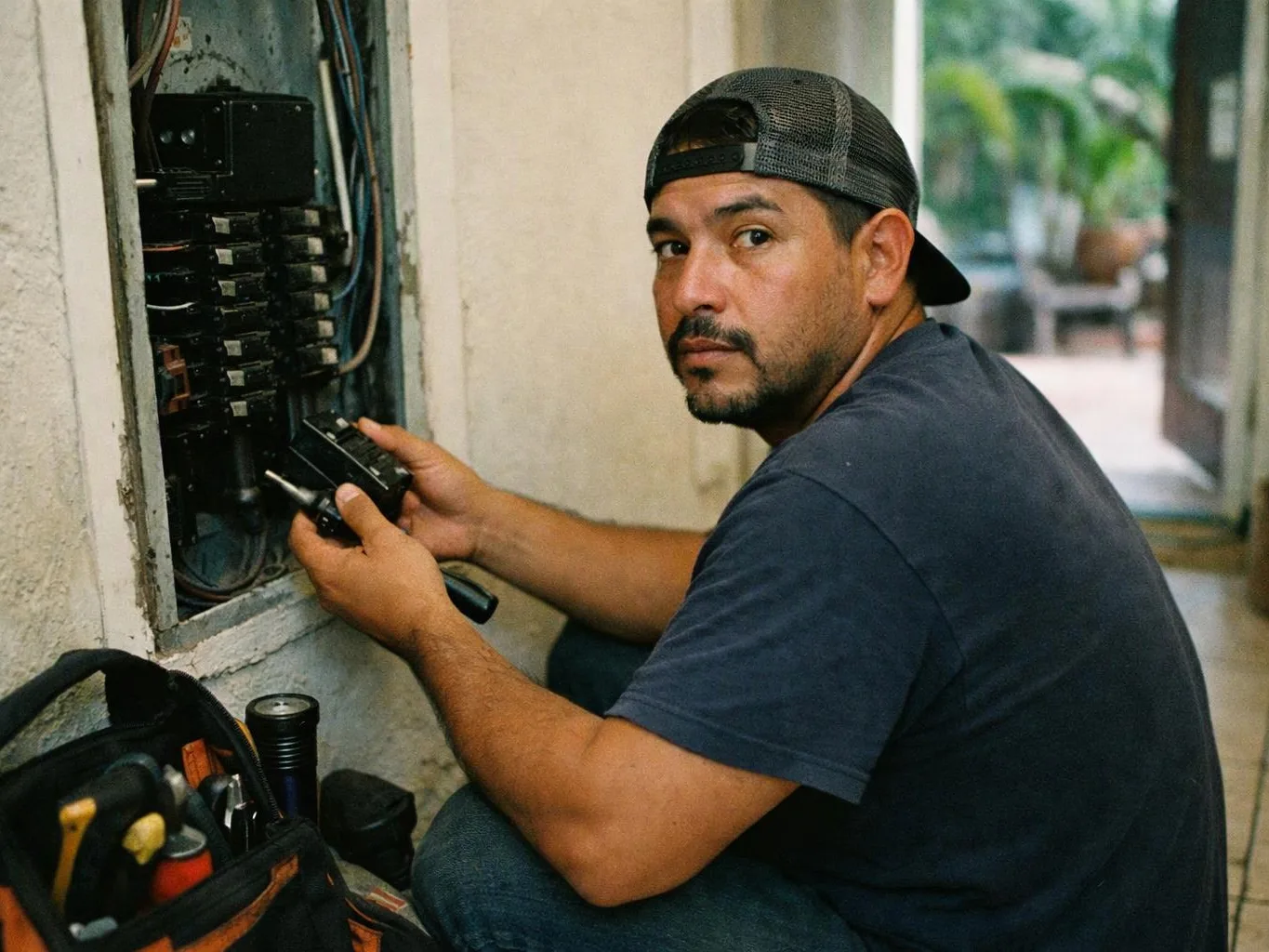
A tripped breaker needs urgent attention when it keeps tripping, feels warm, buzzes, smells burnt, or will not reset safely. We inspect the circuit and connected loads before resetting power. Repeated trips can indicate an overload, short circuit, damaged wiring, or a failing electrical part.
How does an emergency repair visit move from the first call to the last step?
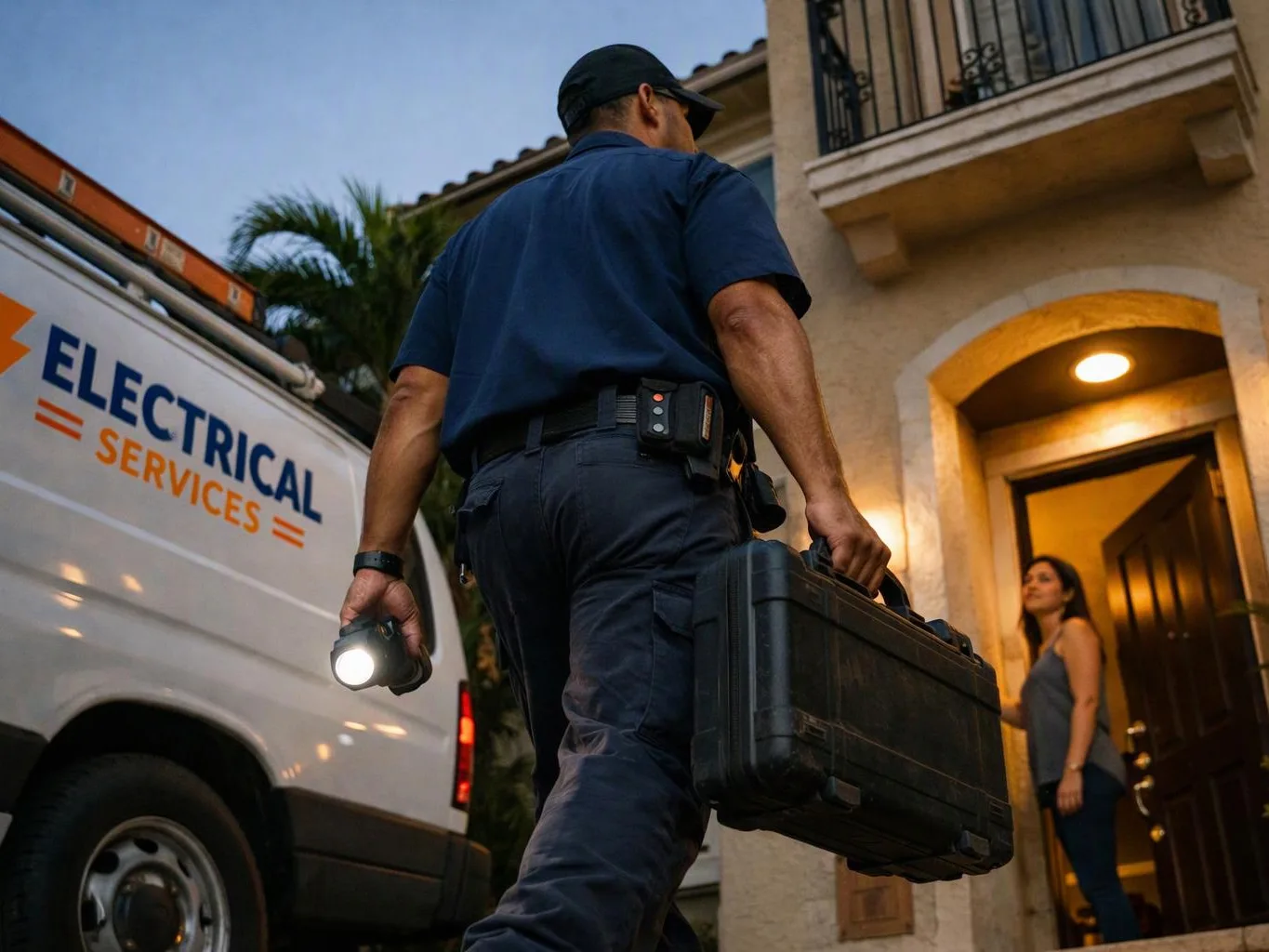
The visit moves from symptom review to circuit isolation, voltage testing, fault tracing, repair, and final verification. We ask about the affected area and property access first. After testing the repair, we explain what was fixed and whether any planned electrical work remains.
Can this service fit a business or managed property?
Yes, emergency electrical repair fits businesses and managed properties when a fault affects safe use, equipment, tenants, or operations. We need access to the affected space and panel. Property managers should provide access details and identify rooms, outlets, or circuits that are not working.
Why can an outlet spark when the breaker has not tripped?
A sparking outlet can have a loose connection, damaged receptacle, or wiring fault even when its breaker remains on. Stop using the outlet and keep clear of visible damage. We isolate the circuit, inspect the outlet and wiring, and test the repair before returning it to service.