What documentation is provided after an electrical safety inspection?
Circuit inventory is documented in a written inspection report with safety findings and repair recommendations. Earth Electric records the inspected panels, breakers, outlets, wiring concerns, and circuit issues that affect the property.
The report helps owners and property managers decide whether to repair, upgrade, or request more testing. It doesn't replace permits, utility records, or a repair invoice when separate work follows.
What does the crew look at first during an electrical safety inspection?
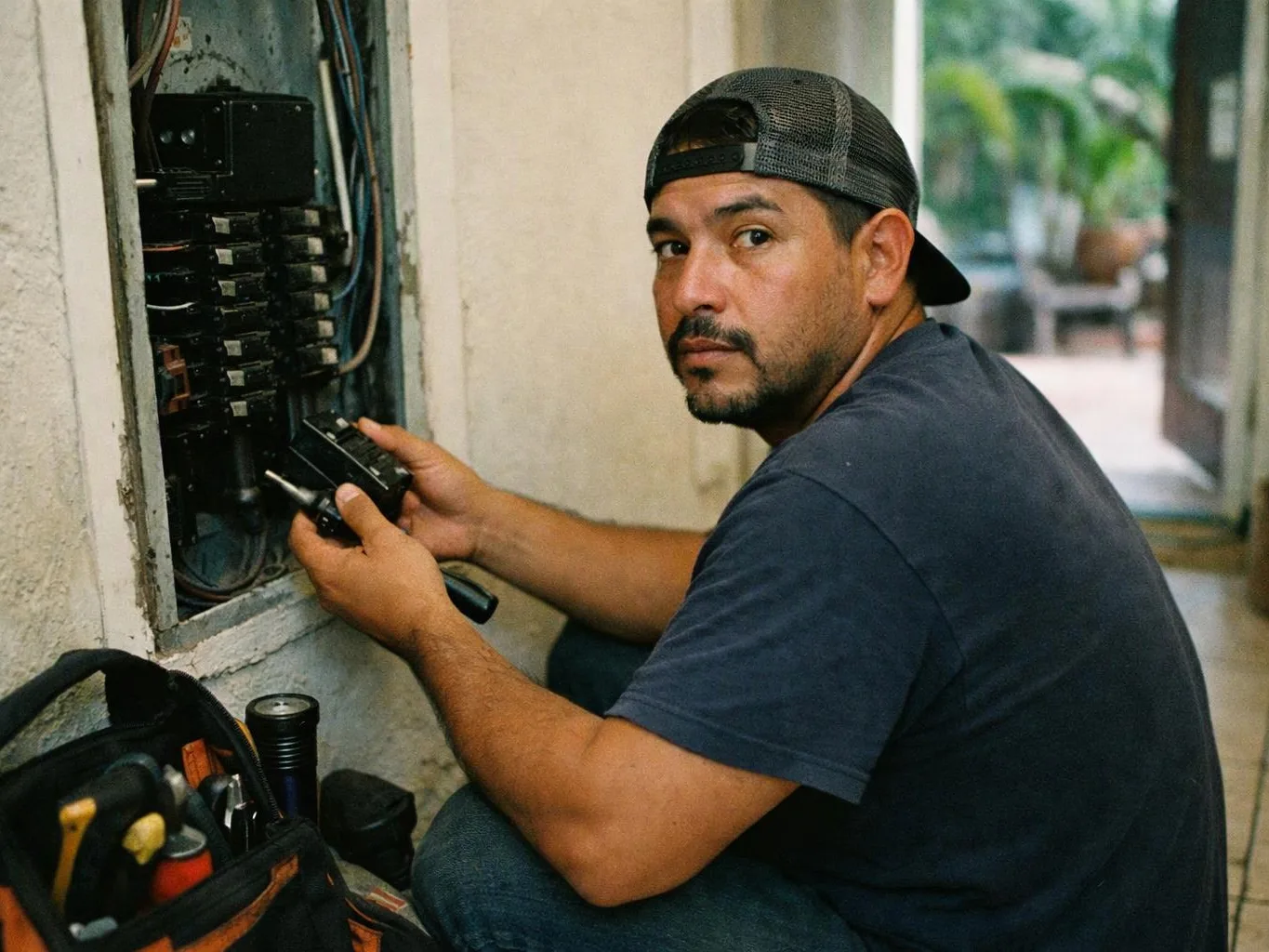
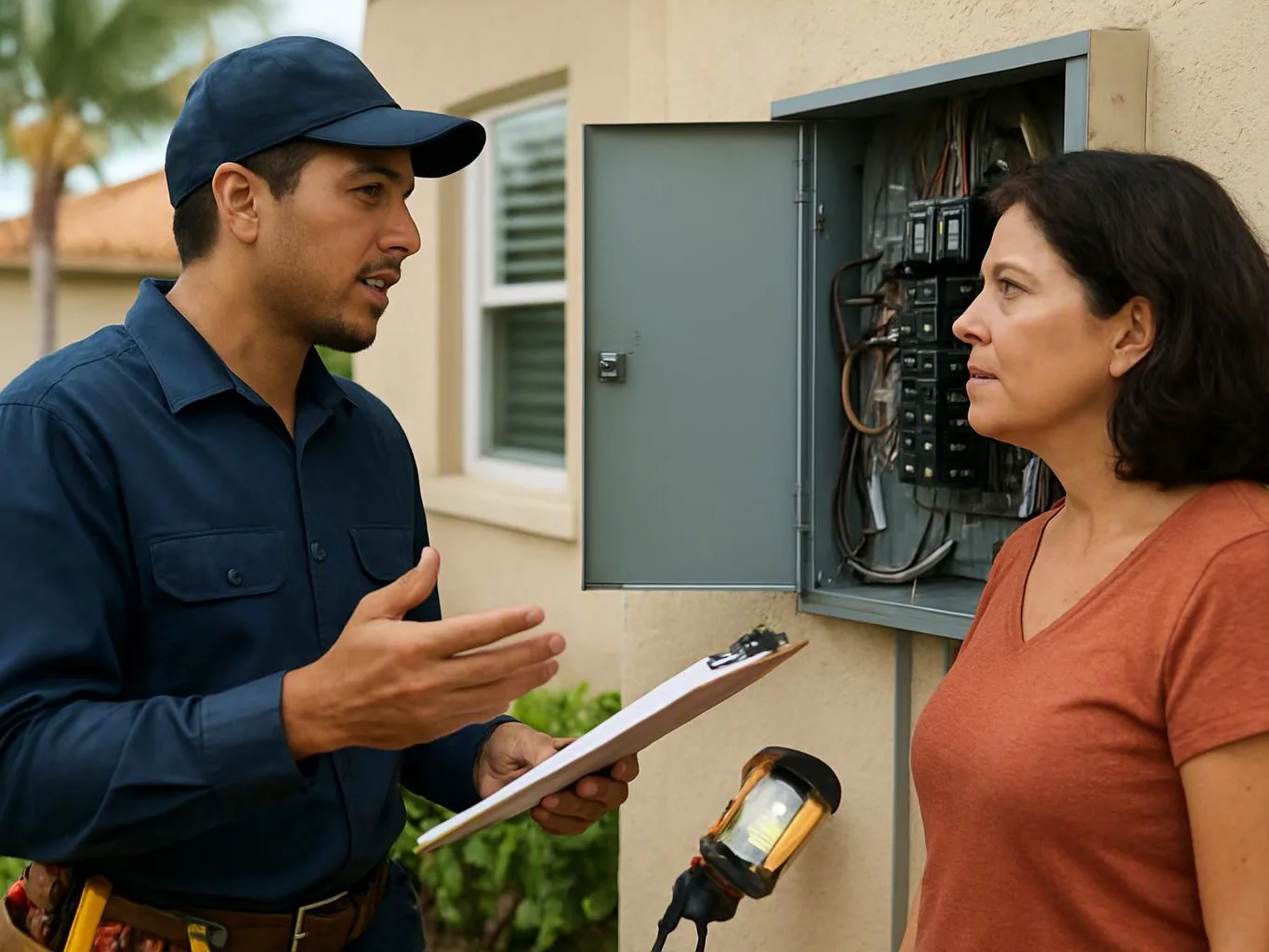
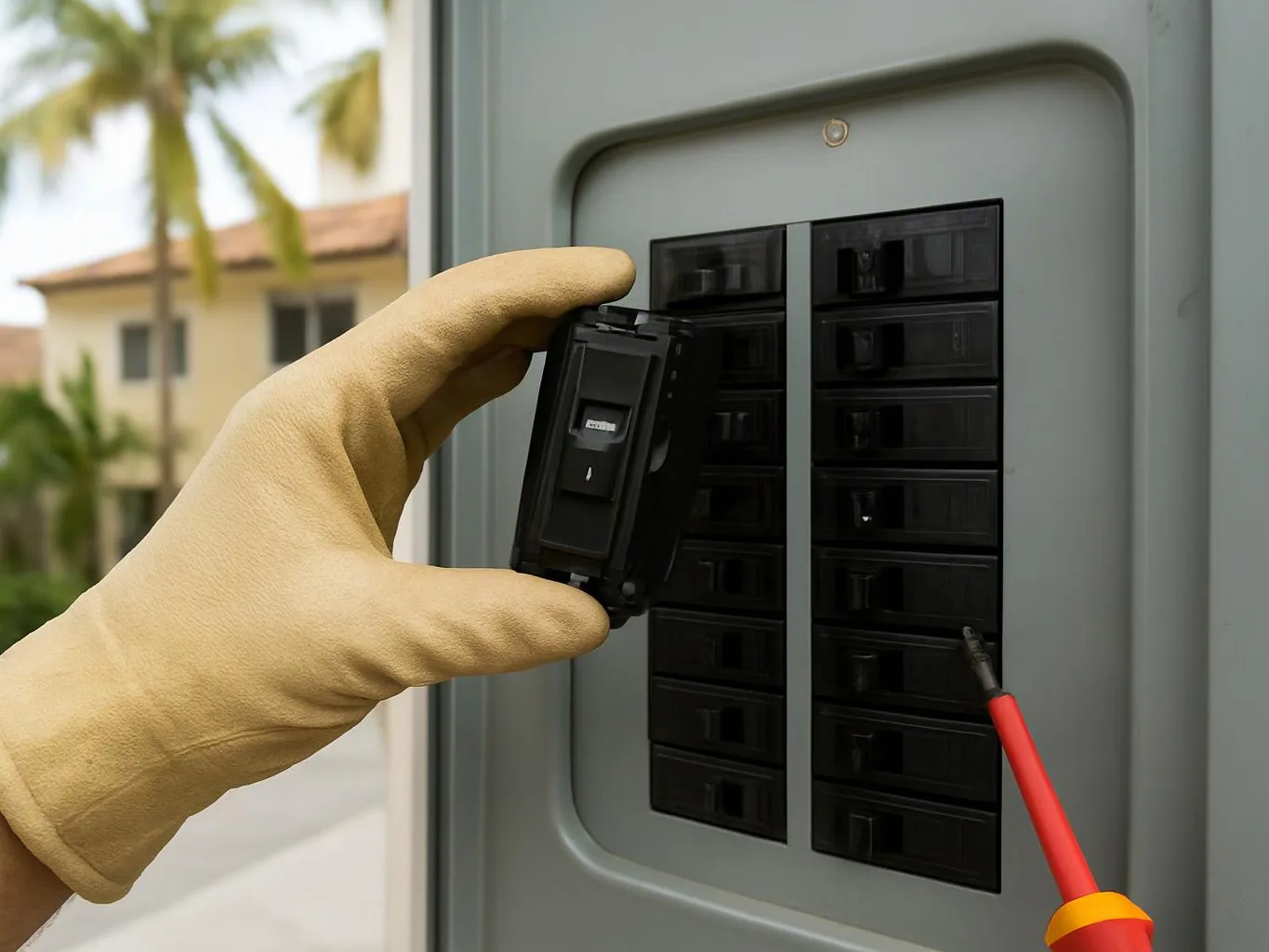
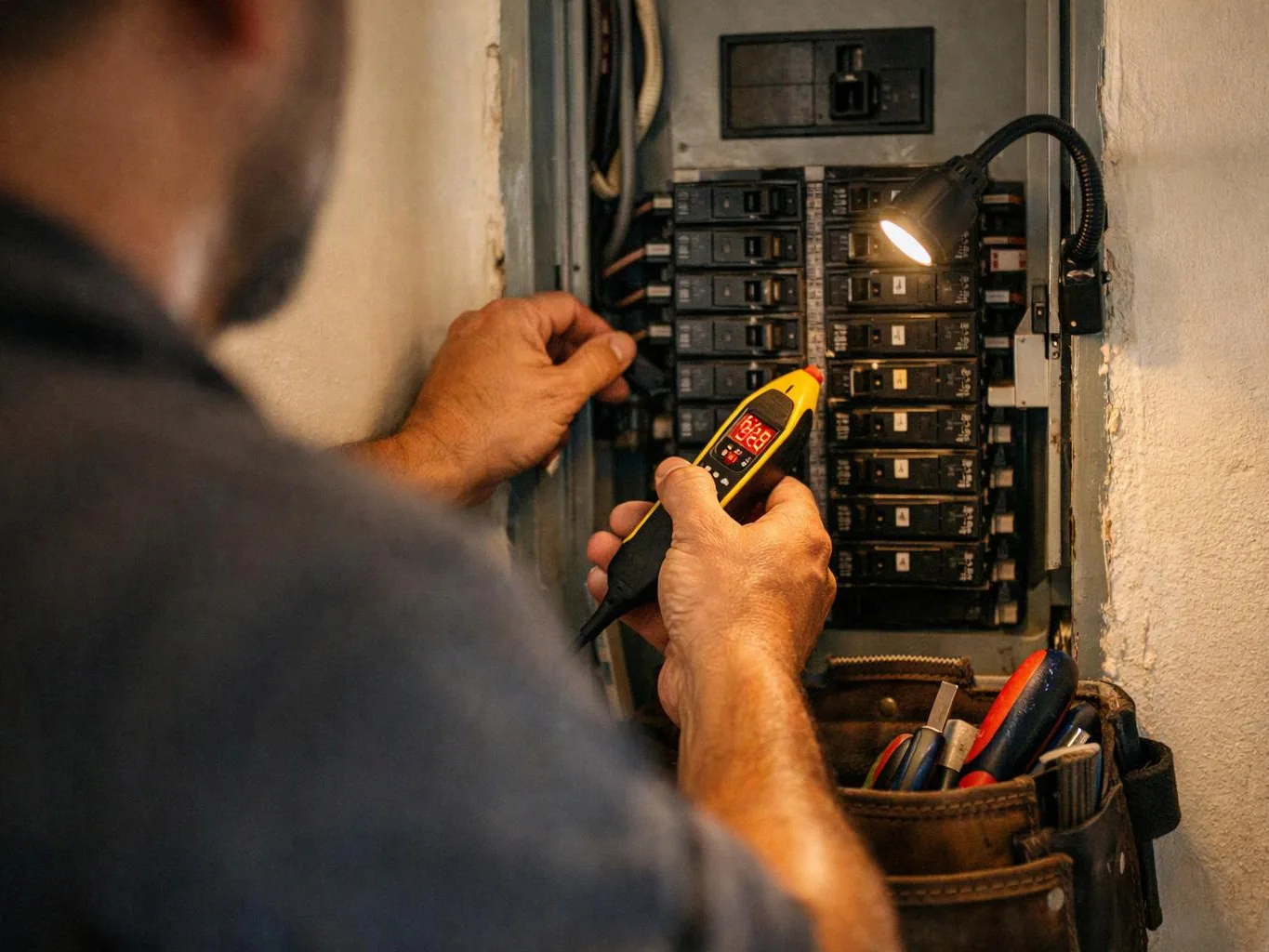
The service panel and reported electrical symptoms guide the first checks. We review breaker condition, visible connections, signs of heat, and the circuit linked to the concern.
Accessible outlets and switches follow when circuit tracing is needed. The first check can change when a burning smell, sparking outlet, or other urgent safety sign requires isolation.
What should be checked before an inspection is scheduled?
Property access, the location of panels, reported symptoms, and the rooms needing review should be confirmed first. Photos of a panel or damaged outlet can help describe the concern.
Do not remove panel covers or test a sparking outlet yourself. Share the warning signs and any known circuit history so we can set the inspection scope safely.
Who is a good fit for electrical safety inspection, and who needs a different service?
Homeowners, businesses, and property managers are good fits when they need documented electrical conditions. Earth Electric provides inspections for residential and commercial properties.
A repair call fits better when a confirmed fault needs correction at once. Utility outages, concealed wiring faults, and major upgrades may require separate troubleshooting, access, permitting, or installation work.
Which findings usually lead to repair recommendations?
Damaged breakers, loose connections, ungrounded outlets, overheated parts, and circuit overload signs usually lead to repair recommendations. We connect each finding to the affected panel, circuit, outlet, or switch.
The recommended work may involve wiring repair, circuit installation, grounding correction, or a panel upgrade. We explain the scope before any additional work begins.
Why does a written report matter for a property manager?
A written report gives a property manager a dated record of observed electrical conditions and recommended next steps. It supports maintenance planning and owner discussions.
The report also separates inspection findings from completed repairs. That distinction helps prevent confusion when several contractors, occupants, or property records are involved.
How does an inspection differ from troubleshooting a dead outlet?
An inspection reviews broader electrical conditions, while troubleshooting a dead outlet focuses on finding and correcting one power loss. The inspection can include circuit tracing, panel review, and accessible outlet checks.
Troubleshooting is the better fit when one outlet needs diagnosis and repair. We can identify that change in scope after hearing the symptoms.