How is a newly installed outlet tested?
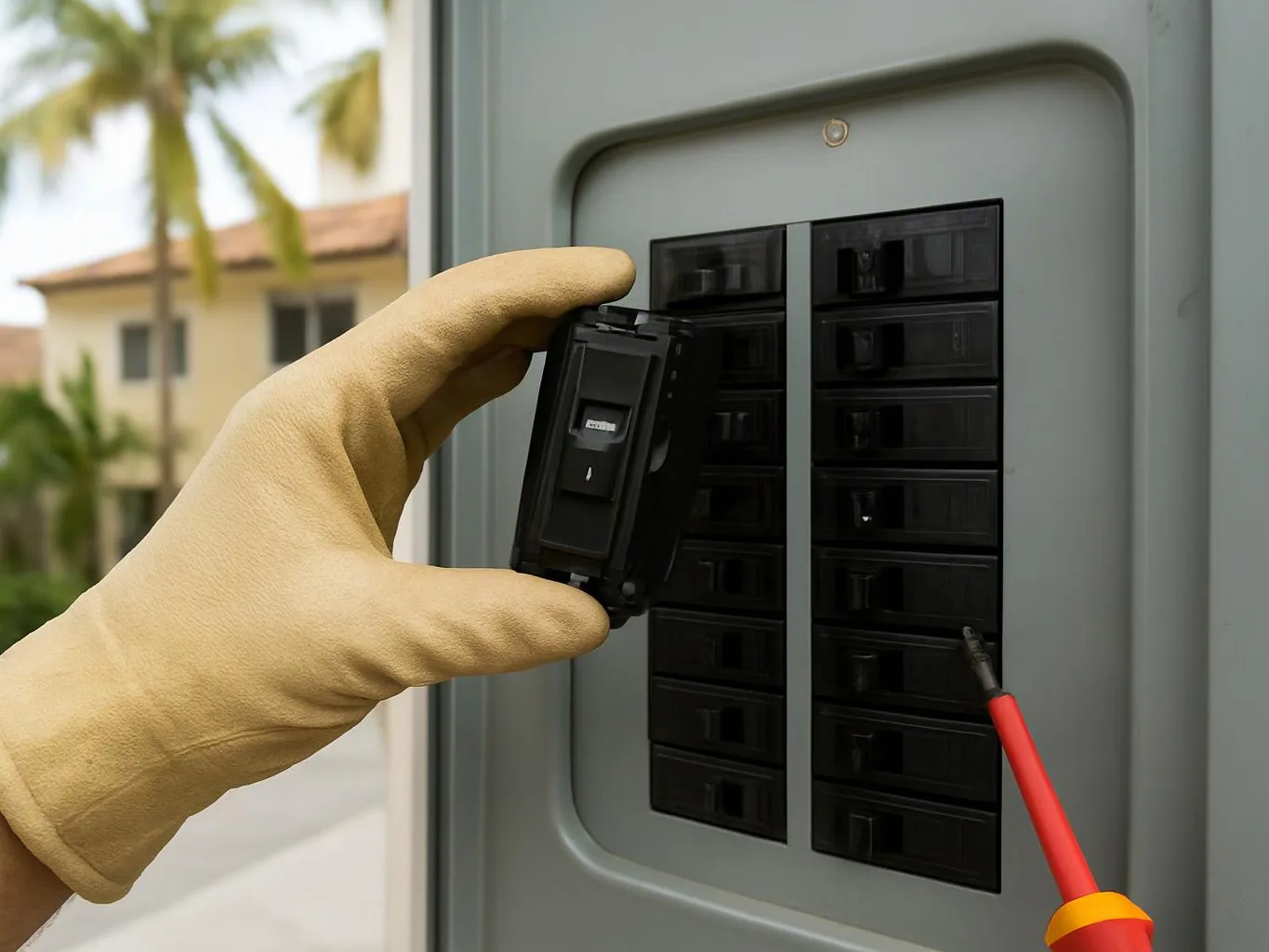
Polarity testing confirms that the hot and neutral conductors reach the correct terminals. We then check voltage, ground continuity, and breaker control at the receptacle. These checks help identify reversed wiring, a missing ground, weak power, or a breaker connection problem. Earth Electric explains any failed test before the outlet is placed into normal use.
Which material changes how long outlet installation takes?
The wiring material and box condition can change the work needed for a new outlet. Copper conductors, aluminum wiring, damaged boxes, and tight access each call for a different inspection. We identify the materials before setting the scope. Aluminum wiring remediation or a circuit repair can make the job broader than a receptacle replacement.
How does an outlet installation visit move from the first call to the last step?
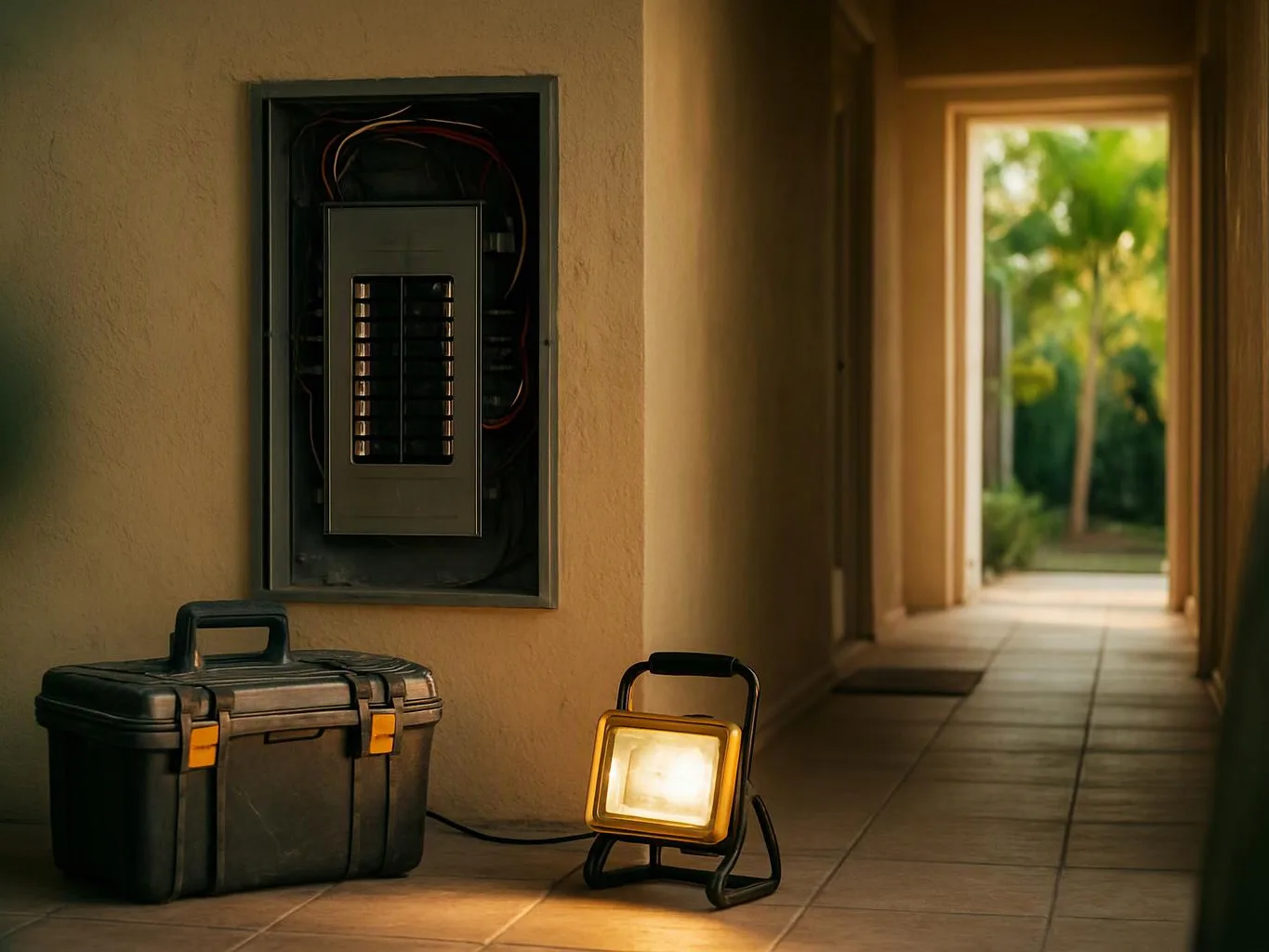
The visit moves from site review to circuit tracing, connection work, testing, and final explanation. We confirm the outlet location and intended use first. Next, we inspect the box and serving breaker, connect the receptacle, measure voltage, and test the ground path. We then explain the completed work and any related electrical need.
What makes a new outlet unsuitable for a property?
An outlet is unsuitable when the circuit, box, wiring, or breaker cannot support its intended use. We check the connected equipment, circuit capacity, conductor condition, and grounding path before installation. A panel upgrade, subpanel installation, or separate circuit may fit better when the existing circuit lacks capacity or has a safety fault.
When should I stop using an outlet before requesting service?
Stop using an outlet when it sparks, smells hot, buzzes, feels warm, or trips its breaker repeatedly. We treat those signs as electrical fault indicators and inspect the receptacle, wiring, and breaker. Turn off the affected circuit if you can do so safely, and avoid touching damaged parts until the assessment is complete.
Why does a breaker trip after a new outlet is installed?
A breaker can trip when the circuit has an overload, short, wiring fault, or connected equipment problem. We isolate the outlet, test the conductors, inspect the box, and check the breaker. The correct repair depends on the test result. Repeatedly resetting the breaker can leave the underlying fault in place.