When does a high wattage appliance need its own circuit?
A high wattage appliance needs its own circuit when its manufacturer requires one or shared use causes trips, heat, dimming, or unstable power. Earth Electric checks the appliance load, panel, breaker, and wiring before installation. The review also shows whether a separate repair or panel upgrade belongs in the scope.
What should I ask before agreeing to a dedicated circuit?
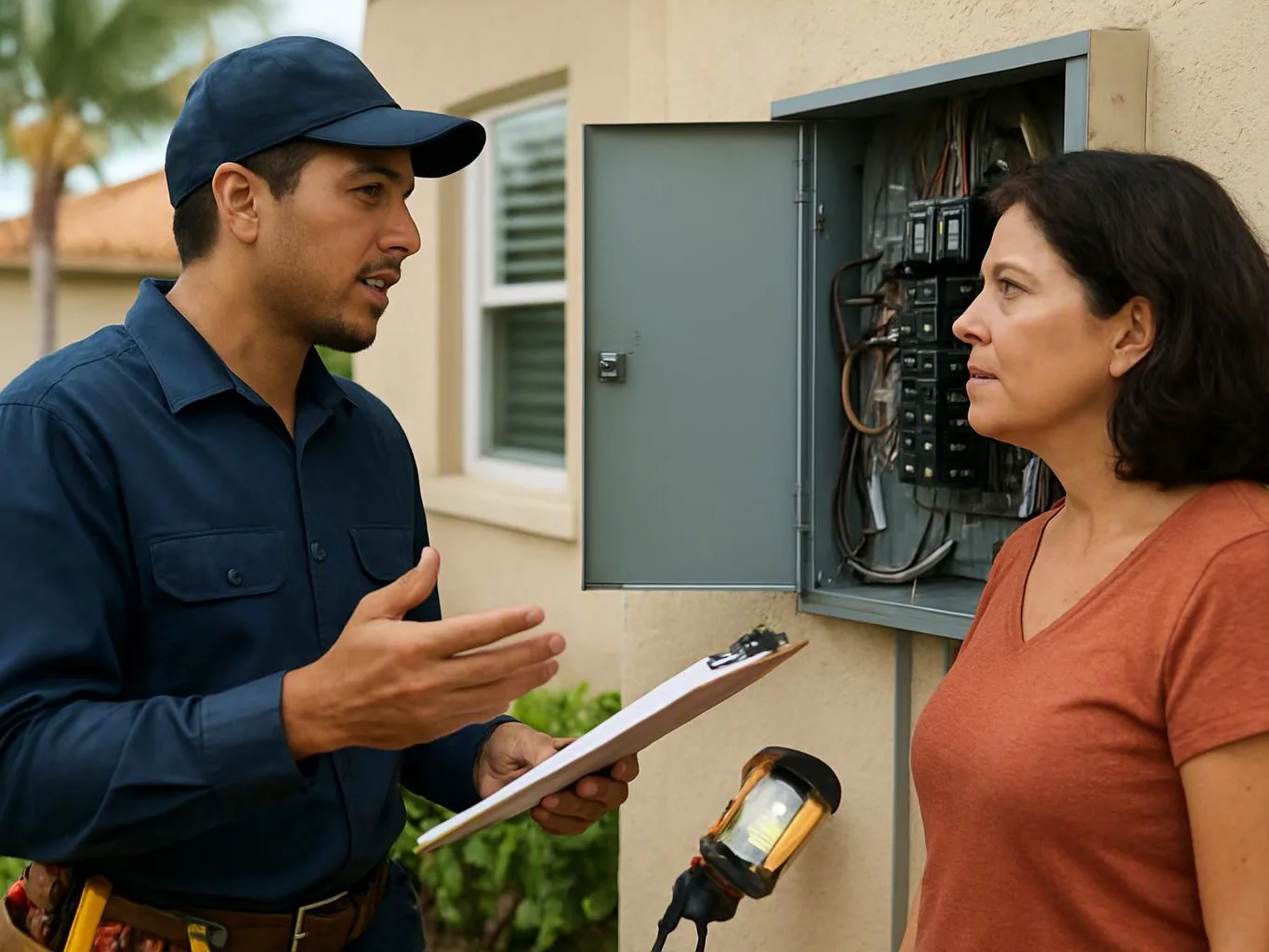
The key questions concern the appliance load, panel capacity, wiring route, connection type, testing, and any related repairs. Ask which parts the estimate includes and whether the appliance needs a direct connection or outlet. We explain the planned circuit and identify work that falls outside its scope.
Which property condition changes the installation work?
Panel capacity, wiring access, circuit route, and existing damage change the installation work. A crowded panel may need an upgrade, while blocked access can affect how conductors reach the appliance. We inspect these conditions first and explain the resulting scope before work begins.
How is a dedicated circuit matched to the property?
A dedicated circuit is matched through the appliance requirements, load review, panel inspection, and wiring route. We compare the new demand with existing property loads, then select the connection method that fits the equipment and layout. Testing confirms the installed circuit operates correctly.
What does a circuit inspection check before installation?
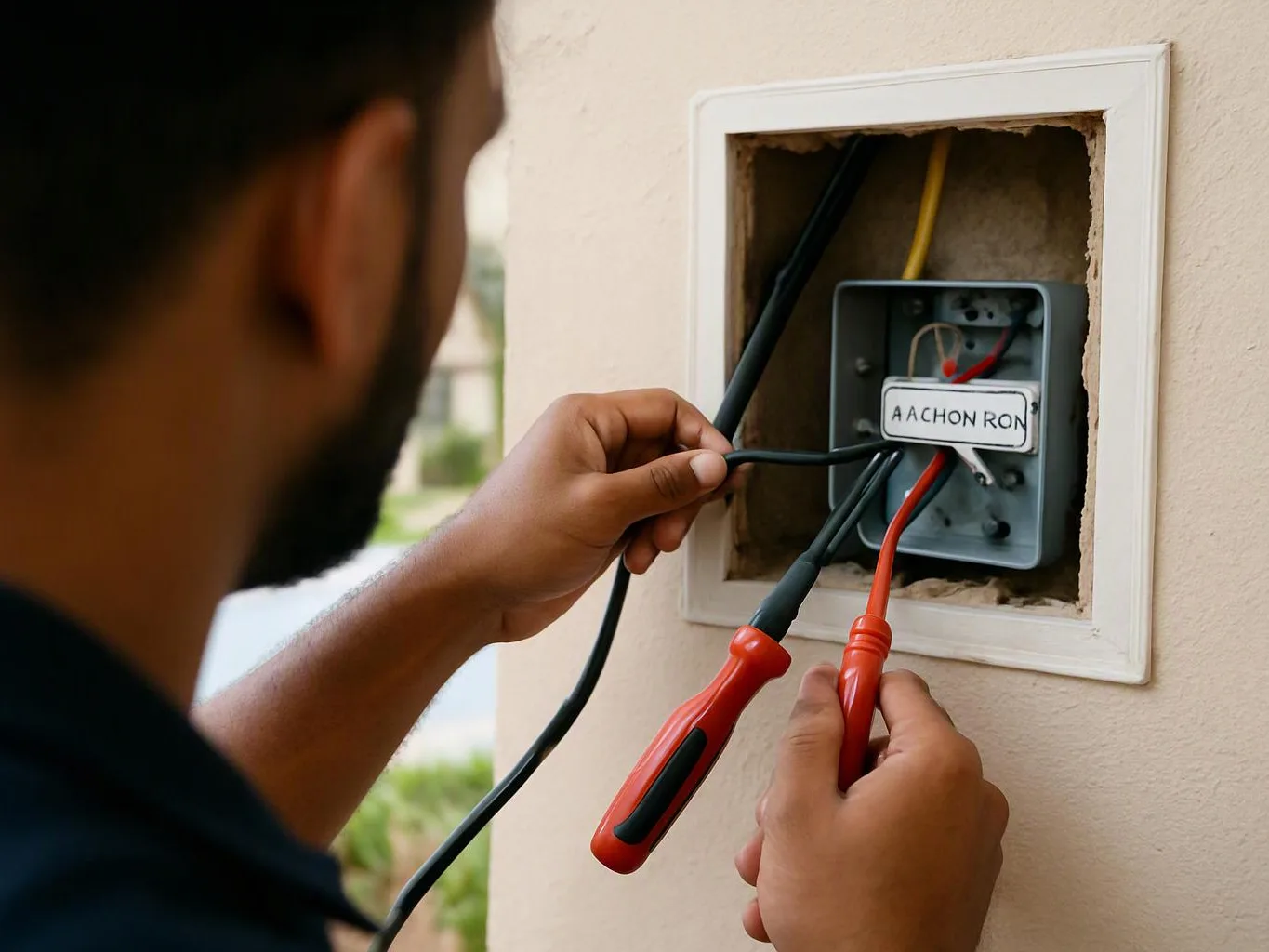
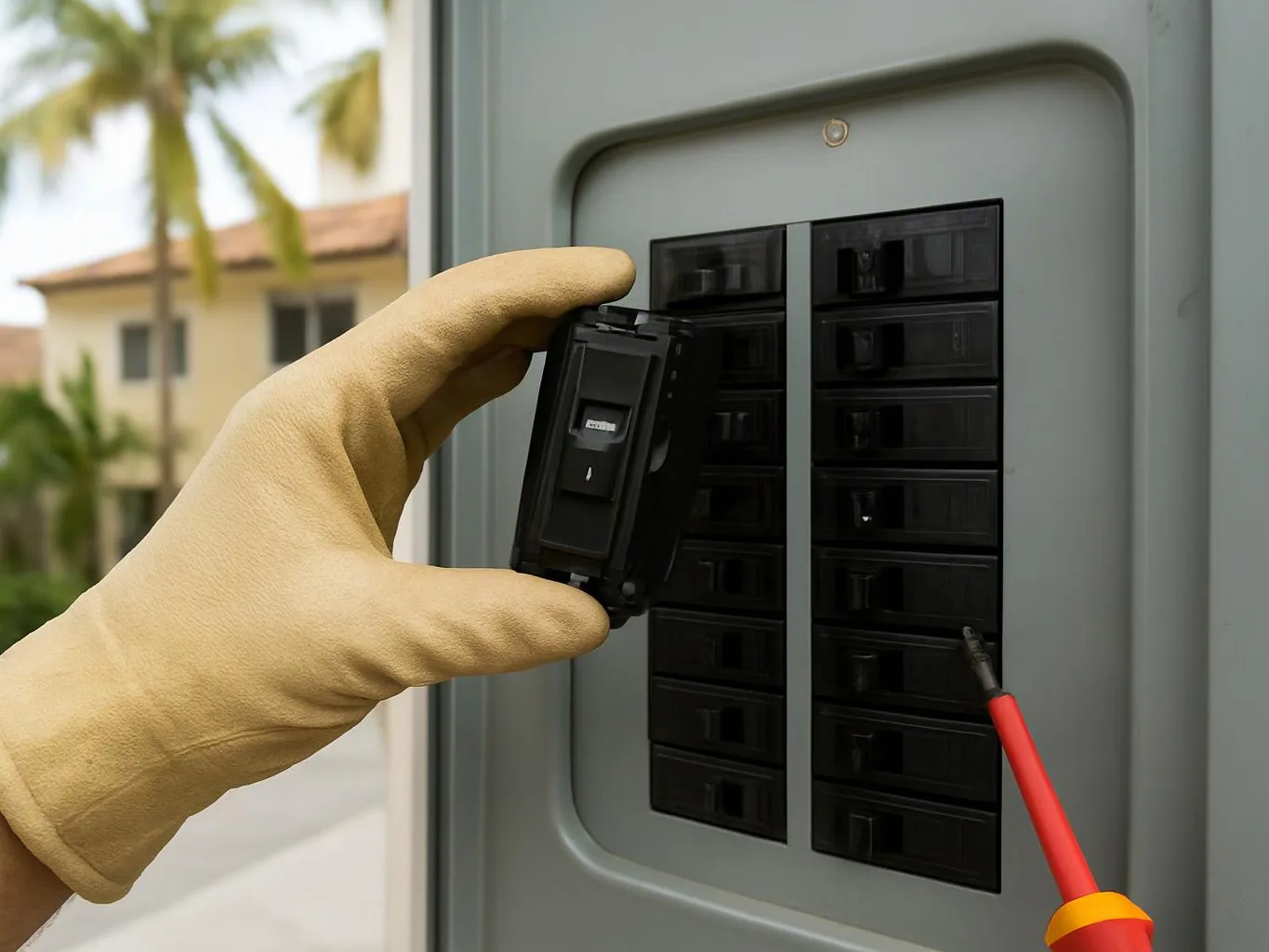
A circuit inspection checks the breaker panel, existing conductors, grounding path, outlet or connection point, and access route. We also look for loose connections, heat damage, and a breaker that does not match the wiring. These checks help separate a new-circuit need from an existing electrical fault.
Who installs dedicated circuits for homes and businesses?
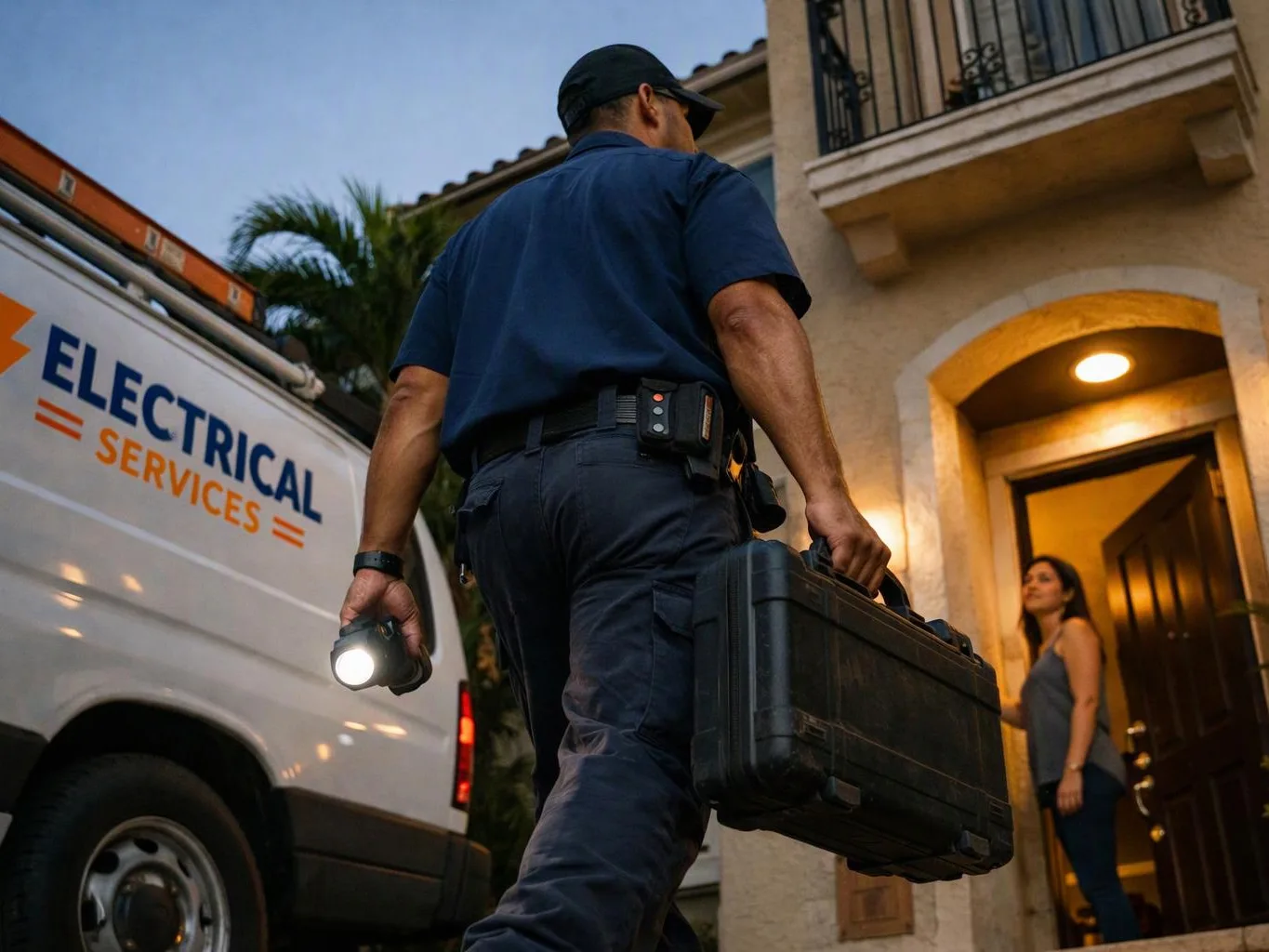
Earth Electric installs dedicated circuits for homeowners, businesses, and property managers. Our team handles circuit installation, wiring, panel work, troubleshooting, and electrical inspections. We review the equipment and property conditions before explaining the work needed.
Why does an appliance keep tripping the breaker?
A tripping breaker can result from shared demand, an overloaded circuit, a damaged appliance, loose wiring, or a weak breaker. We isolate the affected circuit and test the panel, wiring, and appliance connection. Stop using the equipment if you notice burning smells, buzzing, heat, or sparks.